LGCY Home Services

Tag: roof repair

  • Roof Damage Indicators: Signs It’s Time to Replace Your Roof

    Roof Damage Indicators: Signs It’s Time to Replace Your Roof

    Your roof is your home’s first line of defense against the elements. Over time, however, even the best roofs wear out and need replacing. Ignoring the signs of a deteriorating roof can lead to costly damage and safety issues. Let’s explore the common signs indicating it might be time to replace your roof and how to identify these critical roof damage indicators to avoid costly repairs.

    The Telltale Signs You Need a Roof Replacement

    1. Leaks and Water Damage

    One of the most obvious signs that it’s time to replace your roof is a leaky roof. If you notice water stains on your ceiling or walls, it’s a clear indicator of a roof leak, meaning your roof no longer provides adequate protection. If not addressed promptly, leaks can lead to serious structural damage and mold growth.

    2. Damaged or Missing Shingles

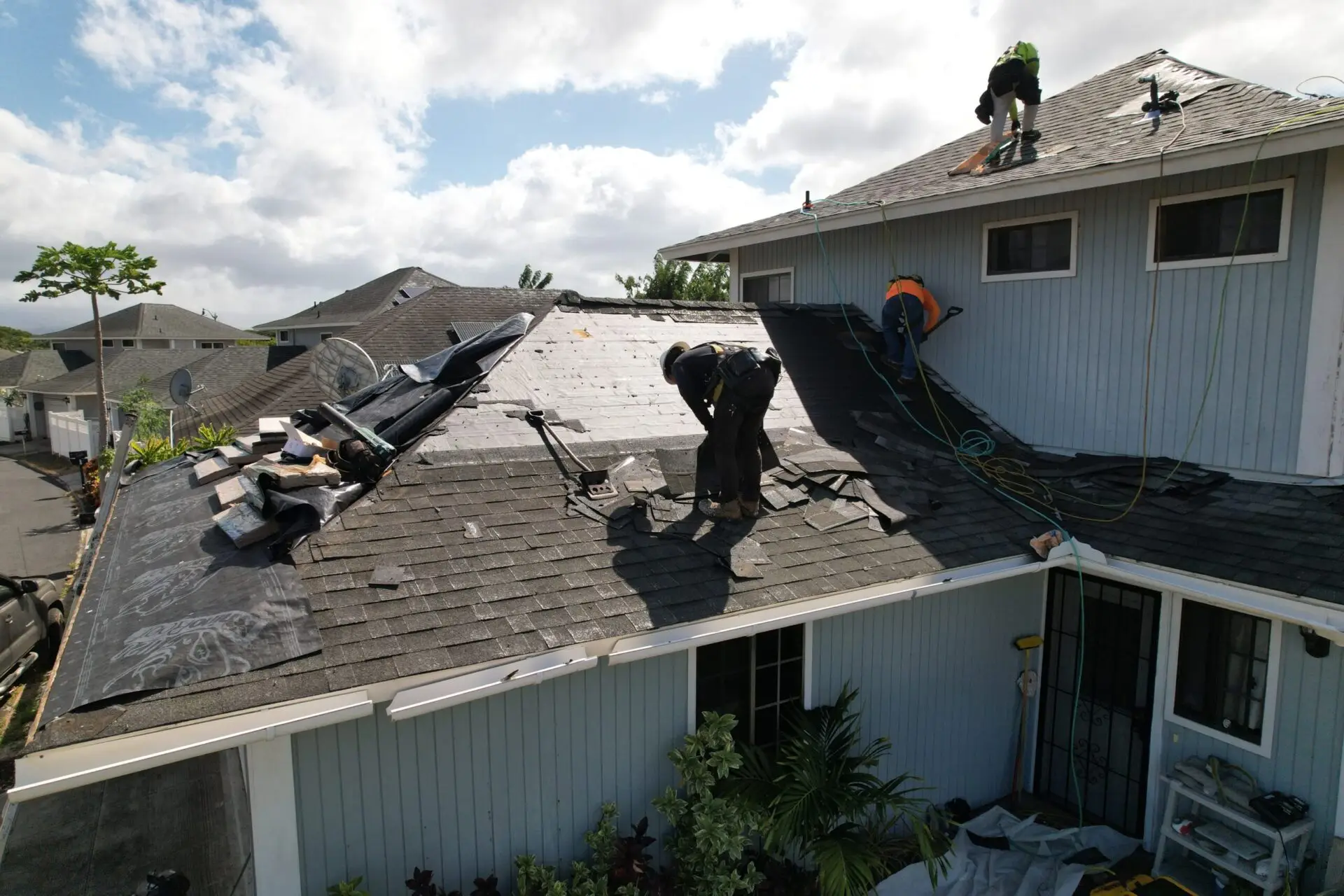
    Shingles are your roof’s armor. When they become damaged or go missing, your roof’s ability to shield your home from weather is compromised. Look out for:

    • Cracked or curled shingles
    • Bald spots where granules are missing
    • Shingles that are completely gone
    • Cracked shingles

    Maintaining an asphalt roof is crucial for its longevity. Watch for signs of granule loss, as this can indicate the need for a roof replacement and affect the roof’s fire resistance, color, and UV ray protection.

    Damaged shingles not only affect your roof’s appearance but also its functionality.

    3. Age of the Roof

    Roofs have a finite lifespan. Most asphalt shingle roofs last about 20-25 years. If your roof is approaching or has surpassed this age, it’s wise to start planning for a replacement. Older roofs are more prone to damage and less effective at protecting your home.

    4. Sagging Roof Deck

    A sagging roof is a serious issue and a sign that your roof needs immediate attention. This could be due to structural issues or prolonged water damage. If you notice any sagging areas, it’s time to call a professional.

    5. Granules in the Gutters

    Finding granules in your gutters is a subtle but important sign that your asphalt roof is deteriorating. Shingles lose granules as they age, often in your gutters. This erosion can reduce the effectiveness of your roof in protecting your home.

    6. Increased Energy Bills

    An inefficient roof can lead to higher energy bills. If your heating and cooling costs have spiked unexpectedly, it might be due to your roof failing to insulate your home properly. An old or damaged roof can let in drafts and cause your HVAC system to work harder.

    7. Sunlight Through the Roof Boards

    If you can see daylight peeking through the roof boards from your attic, it’s a definite sign that your roof needs replacement. Holes or gaps in the roof can allow water and pests into your home, causing significant damage.

    Roof Damage Indicators When to Replace Your Roof

    Knowing when to replace your roof involves understanding these signs and acting promptly. Here are a few more tips to help you decide:

    1. Regular Inspections

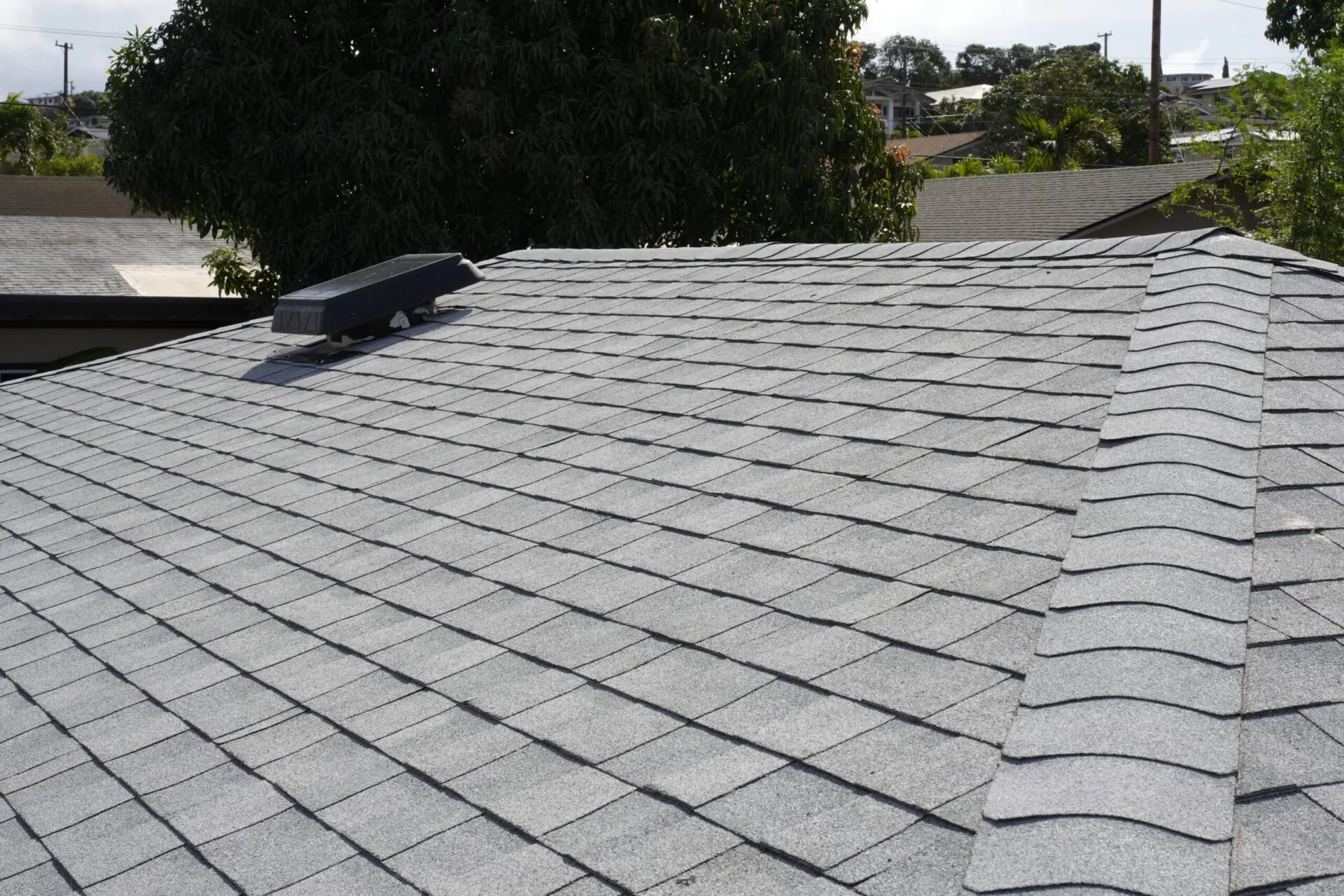
    Regular roof inspections can help you catch problems early. Inspecting your roof at least twice a year and after any major storms is a good practice. Look for any of the abovementioned signs and contact a roofing professional if you notice anything concerning. Roof vents must be checked during inspections to ensure they are not cracked or damaged.

    2. Professional Assessments

    When in doubt, call in the experts. A professional roofing contractor like ATTYX can thoroughly assess your roof and advise whether repairs or a full replacement are necessary. They have the expertise to spot issues that an untrained eye might miss.

    3. Cost of Repairs vs. Replacement

    Sometimes, frequent repairs can end up costing more than a complete replacement. Investing in a new one might be more cost-effective if you’re constantly fixing your roof. Consider the long-term benefits and savings of a new roof.

    4. Safety Concerns

    Never compromise on safety. If your roof poses any safety risks, such as structural instability or severe damage, prioritize replacement. A safe and secure roof is essential for protecting your home and family.

    The Emotional Impact of a Well-Maintained Roof

    Your roof does more than keep the rain out. Knowing that your home is safe and secure provides peace of mind. A new roof can enhance your home’s curb appeal, increase its value, and improve energy efficiency, giving you a comfortable living environment.

    Imagine the relief of knowing your roof is in top condition, capable of withstanding harsh weather and keeping your family safe. It’s an investment that pays off in both tangible and intangible ways. Attyx can answer all your questions about your home’s roof.
  • Roof Maintenance Tips: How to Extend the Life of Your Roof

    Roof Maintenance Tips: How to Extend the Life of Your Roof

    The longer your roof lasts, the longer you can avoid needing to replace it and the costs that come with it. Regular maintenance is crucial to prevent repairs and extend the lifespan of your roof. It all comes down to roof upkeep and maintenance. As roof experts, Attyx knows what it takes to care for and maintain your roof. Here are some of our top roof maintenance tips for property owners to keep their roofs in their best condition for longer:

    How to Maintain Your Roof For Longevity: A Roof Maintenance Checklist

    Regular Inspections

    One of the most essential parts of roof upkeep is learning about roof damage as quickly as possible. The sooner roof repairs can take place, the less time the damage has to worsen and cause more harm to your roof and your home or business. That’s why regular roof inspections are so necessary.

    Hire roof maintenance experts to inspect your roof thoroughly at least twice a year, preferably in the spring and fall. They will look for missing, cracked, or curling roof shingles and any areas where the roof material is wearing down and deteriorating. They’ll inspect the areas around chimneys, vents, and skylights to ensure no leaks are developing. Additionally, they will inspect vent pipes for proper sealing to prevent water intrusion.

    Gutter Cleaning: Clean Gutters and Downspouts

    Gutter cleaning is an essential part of roof maintenance to prevent potential damage. Clogged gutters and downspouts can cause water to back up and start seeping under your roof, causing rotting and water damage. Make sure to clean your gutters and downspouts regularly by removing leaves, soil, and any other debris. You may even want to consider installing gutter guards that help minimize debris buildup so you don’t have to clean them as often.

    Remove Debris

    Your gutters aren’t the only place that can collect debris. Roof cleaning is essential as dirt, leaves, and branches can fall on your roof and trap moisture. This puts you at risk for mold growth. Roof upkeep includes regularly clearing off any debris from your roof so that your roof is in the best position to continue to protect your home or business.

    Trim Overhanging Branches

    Overhanging branches can scrape and damage your roof, especially when it’s windy outside. They can also harm the roof deck by allowing moisture to seep in, leading to potential issues like ice dams and moisture-related damage. Plus, long overhanging branches create a path for squirrels and other animals to get on your roof and cause damage. Regularly trimming overhanging branches helps extend the life of your roof by preventing unnecessary wear and tear.

    Repair Leaks Promptly

    Even small leaks can cause extensive roof damage if you don’t care for them. Some signs of a roof leak include ceiling and wall water stains, damp insulation, and water dripping. If you notice one of these red flags for roof leaks, contact a team of roof upkeep professionals immediately so the leak can be properly repaired. Prompt roof repair is crucial to prevent leaks and structural damage, and regular maintenance can help identify and fix minor issues before they escalate.

    Professional Roof Maintenance by a Roofing Contractor

    The best way to promote your roof’s longevity is to hire a professional roofing company for regular maintenance. When you prioritize scheduling regular roof maintenance with professional roofers, your roof has a better chance of staying in great shape for longer.

    Conclusion

    Investing time in roof maintenance is essential for the longevity and protection of your home or business. By following these roof maintenance tips—conducting regular inspections, cleaning gutters and downspouts, removing debris, trimming overhanging branches, and promptly repairing leaks—you can extend the life of your roof and avoid unnecessary costs.

    When necessary, a roof replacement is crucial to ensure your property’s safety and structural integrity. Choosing the right roofing materials is vital for your roof’s long-term performance and durability.

    For professional roof maintenance or repair, turn to the experts at Attyx. Attyx is dedicated to providing top-quality roofing services, ensuring your roof remains in excellent condition for years. Contact Attyx today to schedule your roof maintenance and experience the benefits of working with experienced professionals committed to your roof’s health and durability.

  • Understanding Your Roof Warranty: Types, Coverage, and Protection

    Understanding Your Roof Warranty: Types, Coverage, and Protection

    Understanding the roofing warranty types is crucial when investing in a new roof. A roof warranty not only provides peace of mind but also ensures you’re protected against unexpected issues. What are the different types of roof warranties, what do they cover, and how can you ensure you’re fully protected?

    Types of Roof Warranties Explained

    1. Manufacturer’s Roof Warranty

    A manufacturer’s warranty, sometimes called a product warranty, covers defects in the roofing materials. The company that manufactures the roofing materials typically provides this type of warranty.

    • Coverage: It usually covers issues like premature shingle failure, granule loss, or defects in the roofing material that affect performance. Some advanced warranties may also cover specific types of damage, such as blow-offs or wind resistance up to a certain speed. A basic limited lifetime warranty is a standard manufacturer’s warranty that covers materials for homeownership, with conditions based on proper installation and weather resistance.
    • Duration: Attyx warranties can last anywhere from 20 to 50 years, depending on the material and manufacturer. High-end products like architectural shingles often come with more extended warranty periods.
    • Limitations: The warranty may not cover labor costs or damage caused by improper installation. It’s crucial to understand the exclusions, which often include damage from natural disasters, improper maintenance, or modifications made after installation.

    2. Workmanship Roof Warranty

    A roofing contractor’s workmanship warranty covers the installation process. This warranty ensures that the roof was installed correctly and that any issues due to poor workmanship will be addressed.

    • Coverage: It covers problems resulting from installation errors, such as leaks due to improper sealing, misaligned shingles, or poor flashing techniques. This warranty assures you that the contractor stands behind their work.
    • Duration: These warranties typically last between 1 and 10 years, but some contractors offer extended warranties that might last up to 25 years. The duration often reflects the contractor’s confidence in their workmanship.
    • Limitations: This warranty does not cover material defects; it’s solely focused on the quality of the installation. It also generally excludes damage caused by external factors like severe weather or structural issues with the home itself.

    3. Full System Roof Warranty

    A complete system warranty is comprehensive, covering both materials and workmanship. The manufacturer often provides this type of warranty but may require installation by a certified contractor to be valid.

    • Coverage: It includes defects in materials and issues arising from installation errors. This type of warranty often covers accessories such as underlayment, flashing, and ventilation products. A roof replacement warranty is a comprehensive warranty that covers both materials and workmanship, ensuring full protection for the roof replacement.
    • Duration: These warranties can offer long-term protection, often matching the duration of the manufacturer’s warranty for materials. This could range from 20 to 50 years, providing extensive coverage.
    • Limitations: They may require regular maintenance and inspections to remain valid. Neglecting such upkeep can void the warranty. Additionally, using

    What Do Roof Warranties Cover?

    Understanding what a roof warranty covers, including defective materials, is essential for making informed decisions. Here are some common coverage areas:

    1. Material Defects

    Most warranties, including the roofing material warranty, cover defects in the roofing materials, such as shingle failure, granule loss, or deterioration beyond normal wear and tear. This ensures that any issues inherent in the manufacturing process are addressed.

    2. Installation Errors

    A roofing workmanship warranty covers issues resulting from improper installation, like leaks or inadequate sealing. Proper installation is critical for the longevity and effectiveness of your roof, and this warranty ensures those standards are met.

    3. Wind and Hail Damage

    Some warranties include coverage for damage caused by high winds or hailstorms. However, this is only sometimes standard and may require an additional clause. Homeowners insurance is necessary to cover hail damage, as most asphalt shingle warranties do not include hail damage coverage. This type of coverage is precious in areas prone to severe weather.

    4. Algae and Mold

    Certain warranties cover damage or discoloration caused by algae and mold growth, especially in humid climates. These issues can compromise the aesthetics and integrity of your roof, making this coverage essential for maintaining your home’s appearance and value.

    Ensuring You’re Protected

    To get the most out of your roof warranty, choose a reputable roofing company and follow these tips:

    1. Choose the Right Roofing Contractor

    Ensure your roofing company is reputable and experienced. Check their credentials, read reviews, and ask for references. A reliable contractor not only provides a better installation but also offers more robust workmanship warranties. Look for manufacturer certifications, which often indicate a higher level of training and expertise.

    2. Register Your Warranty

    Many manufacturers require you to register your warranty after installation. Registering your warranty ensures that the manufacturer will cover the cost of defective materials but not the cost of improper installation. Make sure to complete this step to avoid any issues with coverage later on. This registration often involves submitting proof of purchase and installation and activating your warranty.

    3. Schedule Regular Inspections

    Regular roof inspections can catch potential problems early. Inspecting your roof at least twice a year, in the spring and fall and after any major storms is a good practice. Some warranties require periodic inspections to remain valid, so keep up with maintenance to ensure your coverage stays intact. Document these inspections as proof of compliance with warranty terms.

    4. Keep Records

    Maintain detailed records of your roof installation, including contracts, receipts, and inspection reports. These documents can be crucial if you need to file a warranty claim. A well-organized file of all relevant paperwork will expedite the claims process and help resolve any disputes.

    5. Understand the Terms

    Read the warranty carefully to understand what is covered and what is not. Pay attention to any exclusions, conditions, and requirements, such as maintenance or installation by certified professionals. This understanding will help you avoid actions that could void your warranty and ensure you meet all necessary conditions for complete protection.

    The Peace of Mind of a Solid Roof Warranty

    A well-understood and adequately maintained roof warranty can provide significant peace of mind for your replacement. Knowing that your investment is protected against defects and workmanship errors allows you to rest easy, especially when facing severe weather conditions.

    Imagine the comfort of knowing that if something goes wrong with your roof, you’re not facing massive out-of-pocket expenses. It’s reassuring that your home, one of your most valuable assets, is safeguarded against unforeseen issues.

    Understanding your roof warranty is essential for protecting your investment and ensuring your home remains secure. Attyx will assist you in understanding the different types of warranties, what they cover, and how to maintain your coverage. Thus, you can enjoy peace of mind and a well-protected home.

  • The Benefits of a New Roof: From Energy Efficiency to Curb Appeal

    The Benefits of a New Roof: From Energy Efficiency to Curb Appeal

    Most property owners consider a new roof a significant financial investment, so understanding the cost is crucial. Choosing the right roofing material is also essential for managing costs and ensuring durability.

    It’s easy to fall into the trap of putting off roof replacements, but if you find yourself procrastinating a roof replacement, you’re missing out on all the benefits a new roof brings. Today, we will explore all the benefits of a new roof so that you have all the information you need to make a smart decision for your property.

    Advantages of Installing a New Roof

    Energy Efficiency of Roofing Material

    When you install a new roof, you enjoy greater energy efficiency. Old or damaged roofs can allow air to escape, leading to higher energy bills as your heating and cooling systems work harder to maintain your ideal indoor temperature. Modern roofing materials and technologies are designed to provide better insulation, keeping your home cooler in the summer and warmer in the winter. Additionally, metal roofs can enhance energy efficiency by reflecting solar radiant heat, reducing cooling costs.

    Improve Your Curb Appeal

    A new roof can dramatically improve your home’s curb appeal and make it stand out from other homes on the market. The roof is a prominent feature of your home’s exterior. When your roof is worn out, it drags down your home’s overall appearance. A new roof can refresh your home’s look, boosting its curb appeal and making it more visually appealing to potential buyers. With their customizable nature, asphalt shingles can further enhance curb appeal by offering a variety of styles and colors to match your home’s design.

    Boost Property Value With a New Roof

    Installing a new roof is an investment that directly pays off if you’re selling your home. When potential buyers learn that your roof is new, it gives them a sense of security and peace of mind. They know that they can expect to avoid roof repairs or replacements for years. A new roof can be a major selling point, giving you a leg up over similar homes in your area. Additionally, the cost per square foot of a new roof can significantly impact the overall property value, making it an important factor to consider.

    Avoid Damage with Roof Replacement

    An old, deteriorating roof is a safety hazard. Old roofs are prone to becoming damaged. Roof leaks can lead to water damage, mold growth, and structural issues that put the safety of your property and family at risk. Weak roofs can even collapse, leading to serious injury for you or your loved ones. In some cases, it might be necessary to replace the entire roof to avoid structural issues and ensure long-term stability.

    A new roof is a stronger barrier against the elements, reducing the chance of property damage. More recent roofing materials are designed to be durable and weather-resistant, offering better protection against storms, winds, rain, and snow. When you replace an old, worn-out roof, you protect your property and the people you care about.

    Reduced Maintenance with a Roofing Contractor

    The older your roof is, the more repairs and maintenance it requires. While installing a new roof may involve a high upfront cost, it will save you money in the long run as you reduce costly repairs and damage. Additionally, consider the cost and factors involved in removing the existing roof, as salvaging and reusing materials can lead to significant savings on the overall roof replacement project.

    Benefit From a New Roof Despite Roof Replacement Costs

    Your roof is one of the most essential parts of your home’s structure. Treating it accordingly by installing a new roof when needed makes you better equipped to protect your property and loved ones. A new roof enhances energy efficiency, boosts curb appeal, increases property value, and reduces maintenance needs, providing a safer and more comfortable home environment.

    If you’re considering a roof replacement, now is the perfect time to switch and reap the rewards. Reach out to the roofing experts at Attyx today to explore your options. Attyx is dedicated to delivering high-quality roofing solutions that meet your specific needs. With Attyx, you can expect exceptional service, durable roofing materials, and a hassle-free installation process. Contact Attyx today to start your journey toward a stronger, more efficient, and visually appealing roof. Hire a professional roofing contractor to ensure safety, expertise, and warranties for the best results.

  • The Ultimate Guide to Choosing the Right Roofing Material for Your Home

    The Ultimate Guide to Choosing the Right Roofing Material for Your Home

    Roofing material isn’t one size fits all. Roof replacement is a significant investment, and choosing the right roofing material is crucial for ensuring longevity and cost-effectiveness. Whether you’re building a new home or replacing an old roof, picking the suitable roofing material can make all the difference in your roof’s lifespan and curb appeal. For anyone still weighing the pros and cons of different roofing materials for their home, here is a roofing material guide from roofing experts so you can know you’re choosing the best roofing material for your home.

    Choosing the Right Roofing Material for Your Home

    When choosing a suitable roofing material, it’s essential to consider various factors, including durability, cost per square foot, aesthetic appeal, and compatibility with your home’s exterior. Here, we’ll explore the most popular roofing materials to help you make an informed decision.

    Asphalt Shingles

    Pros

    Asphalt shingles are a popular roofing option because they’re widely available and more affordable than many other roofing materials. Plus, asphalt shingles have various looks, fitting seamlessly with many home styles. Compared to other roofing materials, asphalt shingle roofs offer a balance of affordability and a reasonable lifespan, typically 15-30 years.

    Cons

    Asphalt shingles may be cheaper than many other roofing options, but they also tend to have a shorter lifespan (15-30 years). They are vulnerable to hail and wind damage.

    Home Styles: Many traditional and contemporary home architecture styles

    Climates: Best for moderate climates with mild winters

    Metal Roofing

    Pros

    Metal roofs offer many advantages. They have a longer lifespan (50+ years) and are low-maintenance. They perform well even in climates with heavy precipitation since rain and snow slide off their slick surface. Metal roofing is also fire-resistant. Standing seam metal roofing is highly durable against weather elements and offers significant environmental benefits due to its recyclability and sustainability.

    Cons

    Metal roofs’ higher performance and longer lifespan come at the cost of upfront affordability, as they tend to be more expensive. Metal roofs can also be loud during rain and hail storms.

    Home Styles: Modern, Ranch, Craftsman, Midcentury, Victorian, Cabin

    Climate: Suitable for any environment. Able to withstand climates with heavy snow or rainfall

    Clay Tiles

    Pros

    Clay tiles are very durable, with a lifespan of over 50 years. They perform well in hot environments and can help regulate indoor temperatures. Plus, clay tiles are fire-resistant and require very little maintenance. Clay tile roofs offer a classic and timeless aesthetic, often seen in Mediterranean or Spanish-style homes.

    Cons

    Clay tiles are heavy and require a more robust roof structure to support them. They’re also more expensive than many roofing options.

    Home Styles: Southwestern, Mediterranean, Spanish

    Climate: Best for warm & dry climates

    Concrete Tiles 

    Pros

    Concrete tiles offer many advantages over clay tiles. They are long-lasting (up to 50 years), do not typically require much maintenance, and are fire-resistant.

    Cons

    The color of concrete tiles can fade with time. Similar to clay tiles, they are cumbersome and need a more robust structure to support them.

    Home Styles: Contemporary, Mediterranean, Spanish

    Climate: Suitable for many climates. Capable of handling frost.

    Wood Shingles

    Pros

    Wood shingles are a roofing material option that gives your home a more traditional look. Wood shingle roofs provide good insulation. Wood shakes offer a more rustic appearance and generally have a longer lifespan than wood shingles.

    Cons

    Wood shingle roofs are vulnerable to insects, rotting, and fire and can be high-maintenance, requiring regular staining and treatment.

    Home Styles: Traditional, Rustic

    Climate: Best for cool, low-humidity climates

    Slate Roofing

    Pros

    Slate is a natural stone that offers unmatched durability and an elegant appearance. Slate roofs can last over 100 years and resist fire, rot, and insects. Natural slate is heavier and more durable than synthetic slate but comes at a higher cost.

    Cons

    Slate is one of the most expensive roofing materials, but it is also very heavy and requires a reinforced roof structure.

    Home Styles: Colonial, European, French, Tudor

    Climate: Suitable for a variety of climates, including areas with heavy snowfall and rain

    Synthetic Roofing

    Pros

    Synthetic roofing materials, such as rubber, plastic, or polymer, can mimic the appearance of traditional materials like slate or wood while offering enhanced durability and lower maintenance. These materials are often lighter and more affordable.

    Cons

    Synthetic materials’ long-term durability can vary and may have a different lifespan than natural materials.

    Home Styles: Various styles depending on the specific synthetic material used

    Climate: Suitable for many climates, depending on the material’s properties

    Professional Roof Installation

    Choosing the suitable roofing material is the first step in ensuring your home’s exterior looks great and functions effectively. Professional installation is crucial to maximize the lifespan and performance of your roof. Architectural shingles, for example, are a higher quality option that requires professional installation to ensure their longer lifespan and enhanced durability. If this roofing material guide has helped you choose the suitable roofing material for your home, it’s time to find the right roofing team to install it. At ATTYX, our roofing experts are here to help you select the best roofing material and then install your new roof so that you can enjoy your home for years to come.