Welcome to WordPress. This is your first post. Edit or delete it, then start writing!
Blog
-

What Is Net Metering?
Net metering, also known as net energy metering (NEM), is a billing arrangement that allows homeowners with solar panels to receive credit for the excess electricity they produce. When your solar panels generate more power than your home needs, the extra energy is sent back to the grid. In return, your utility company gives you credits that can offset the cost of electricity you use when your panels aren’t producing, like at night or on cloudy days.
In simple terms, solar net metering lets you store your extra power on the grid and draw it back when needed without the need for an expensive battery system.
How Does Net Metering Work?
Here’s a step-by-step breakdown:
- During the Day: Your solar panels produce electricity, often more than your home consumes. That surplus energy is fed into the power grid.
- Utility Credits: Your electric meter tracks how much excess power you’ve sent to the grid. The utility company gives you a credit for each kilowatt-hour (kWh) of excess electricity.
- At Night or On Cloudy Days: When your panels aren’t producing enough power, your home draws electricity from the grid. The credits you earned during the day can be used to cover this usage.
- Monthly or Annual Reconciliation: Most utility companies calculate the difference between the energy you used and the energy you produced. You either pay for the net usage or carry a credit forward.
Benefits of Net Energy Metering
- Maximized Savings: Net metering helps you get the most financial benefit from your solar panels.
- Faster Payback Period: Because you’re earning credits, your investment in solar pays off sooner.
- No Need for Batteries: You can rely on the grid instead of paying extra for solar storage.
- Increased Home Value: Homes with solar, especially with favorable net metering agreements, tend to appraise higher.
State-by-State Net Metering Policies
If you live in one of the states Attyx serves, here’s what you should know:
- Hawaii: Net metering was phased out, but new programs like Smart Export still allow for credits under certain conditions.
- South Carolina: Net metering is available through major utilities with 1:1 crediting in many cases.
- North Carolina: Offers net metering for solar customers, but new rate structures are being introduced so it’s key to act sooner rather than later.
- New York: One of the most solar-friendly states, offering robust net metering programs and incentives through NYSERDA.
- Virginia: Net metering is active for residential systems up to a certain size, and customers receive full retail credit for energy sent back to the grid.
At Attyx, we stay up to date on each state’s policies and help you navigate the specifics so you get the most from your system.
Things To Consider
When evaluating a solar system, be sure to ask your installer:
- What is net metering policy under my utility provider?
- What is the credit rate for excess energy?
- How are credits applied—monthly or annually?
- Are there any fees or limitations on exporting energy?
Understanding your utility’s approach to net energy metering can help you build an accurate savings forecast and make the smartest solar investment for your home.
Go Solar with Confidence—Go Solar with Attyx
Still wondering what is net metering and how it affects your solar decision? You’re not alone. Our team is here to walk you through it, every step of the way. From helping you understand your utility’s policies to designing a system that maximizes your credits, we make solar simple, affordable, and effective.
Contact Attyx today to schedule your free solar consultation and see how much you could save with solar and net metering.
-
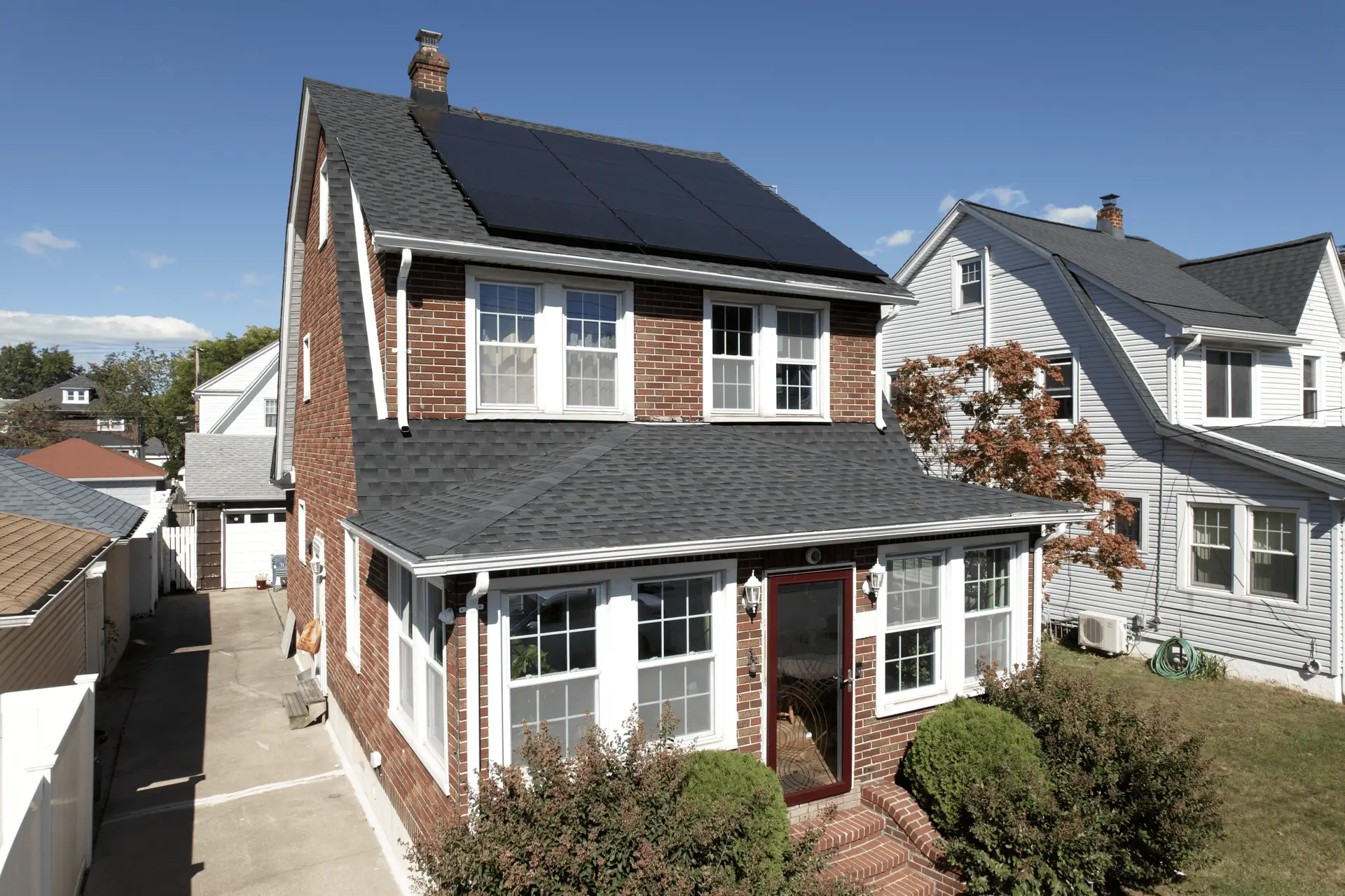
How To Choose a Solar Loan: What Homeowners Need to Know
Going solar is a smart investment, but unless you’re paying in full upfront, you’ll likely need to finance your system. That’s where a solar loan comes in. Much like an auto loan or home mortgage, a solar loan allows you to spread out the cost of your solar installation over time while still enjoying immediate benefits like energy savings and tax incentives.
But not all solar loans are created equal. Choosing the right financing option can mean the difference between long-term savings and unexpected costs. In this guide, we’ll walk you through how solar loans work and what to look for when picking the best one for your home.
What Is a Solar Loan?
A solar loan is a type of financing specifically designed to help homeowners pay for solar panel installation. These loans can come from banks, credit unions, solar installers, or specialty green energy lenders. The biggest perk? You own the solar system from day one, which means you’re eligible for the federal solar tax credit and other local incentives.
There are two primary types of solar loans:
- Secured Solar Loans: These are backed by collateral (often your home). They typically offer lower interest rates but may require a lien on your property.
- Unsecured Solar Loans: These don’t require collateral and are based on your creditworthiness. They’re easier to access but may come with slightly higher interest rates.
Factors to Consider When Choosing a Solar Loan
1. Loan Term Length
Most solar loans range from 5 to 25 years. A shorter loan term means higher monthly payments but less interest paid over time. A longer term may give you lower monthly payments, but you’ll likely pay more in total interest.
Tip: Compare the monthly loan payment to your estimated monthly energy savings to determine your net benefit.
2. Interest Rate
Interest rates can vary significantly depending on the lender, loan type, and your credit score. Even a small difference in the rate can add up over time.
Look for: Fixed interest rates (which stay the same over the life of the loan) to avoid surprises.
3. Fees and Prepayment Penalties
Some solar loans come with origination fees, late payment penalties, or prepayment penalties if you decide to pay off the loan early.
Ask your lender: Are there any hidden fees? Is there a penalty for early repayment?
4. Tax Credit Impact
Many solar loans are structured so that your monthly payments are lower if you apply your federal solar tax credit (currently 30%) toward the loan. If you don’t qualify for the credit or choose not to apply it toward the loan, your payments may increase after the first year.
Make sure you understand how your loan handles the tax credit and whether you’re responsible for a balloon payment later.
5. Lender Reputation and Support
Work with a trusted lender who understands solar financing. Whether it’s a local credit union or a solar-specialty lender, read reviews and ask your solar installer for recommendations.
Benefits of Financing with a Solar Loan
- You own the system and get all incentives
- No large upfront cost, making solar more accessible
- Increased home value with an owned solar system
- Immediate savings on utility bills
Final Thoughts: Make the Right Solar Loan Choice
The right solar loan can make your switch to solar both affordable and stress-free. Take the time to compare loan terms, interest rates, and fees, and ask questions before signing anything. A well-structured solar loan can pay for itself with the energy savings it creates.
If you’re ready to explore your solar financing options, Attyx can help. From system design to installation and loan guidance, our team makes the transition to clean energy simple and transparent.
Contact Attyx today to learn more about solar loans and get a free estimate customized to your home and energy needs.
-
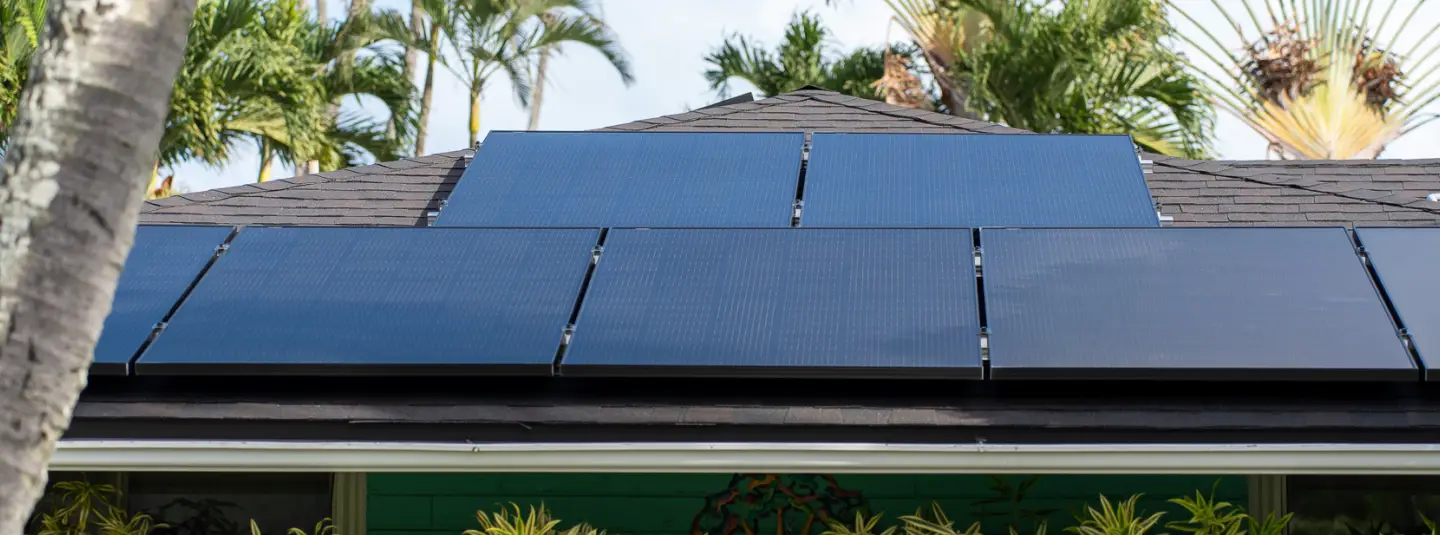
Why Solar?
As energy costs continue to rise and concerns about environmental impact grow, more homeowners are turning to renewable energy solutions. One of the most effective and accessible options is solar power. But why should you invest in solar? With Attyx, switching to solar energy is easier and more beneficial than ever. Let’s explore the many advantages of going solar.
Reduce Your Energy Bills
One of the most immediate benefits of solar energy is the significant reduction in electricity costs. When you install a solar panel system, you generate your own electricity, reducing your reliance on utility companies and protecting yourself from rising energy rates.
How Solar Saves You Money:
- Lower monthly bills – Many homeowners see up to an 80-90% decrease in their electricity expenses.
- Payback period – Most solar systems pay for themselves within 5-8 years, leaving decades of savings.
- Net metering – Earn credits by sending excess energy back to the grid, further reducing costs.
A Smart Long-Term Investment
Solar panels are a long-term investment that pays off for years to come. Unlike traditional energy, which continues to cost more over time, solar allows you to lock in lower energy expenses for decades.
Long-Term Benefits:
- Solar panels last 25+ years with minimal maintenance.
- Return on investment (ROI) is substantial, with homeowners saving $20,000 to $60,000 over the system’s lifetime.
- Increased home value – studies show homes with solar installations sell for up to 4% more than those without.
Take Advantage of Tax Credits and Incentives
Solar installation is more affordable than ever, thanks to federal, state, and local incentives. The Federal Investment Tax Credit (ITC) allows homeowners to deduct a portion of their solar costs, making it an even smarter financial move.
Available Incentives:
- Federal solar tax credits
- State and local solar rebates
- Utility company incentives
- Property tax exemptions for solar installations
Energy Independence and Security
By generating your own electricity, you reduce reliance on the grid and avoid unpredictable energy price hikes. With a solar battery storage system, you can store excess energy and keep your home powered even during outages.
Benefits of Energy Independence:
- Protection from power outages
- Stable energy costs for decades
- Reduced dependence on fossil fuels
Eco-Friendly and Sustainable
Solar energy is a clean, renewable resource that helps reduce your carbon footprint and support a healthier planet.
Environmental Benefits:
- Reduces greenhouse gas emissions
- Decreases reliance on fossil fuels
- Lowers overall energy consumption
By choosing solar, you’re not just saving money – you’re making a difference for the environment.
Why Choose Attyx for Your Solar Installation?
At Attyx, we specialize in high-quality solar energy solutions tailored to your home’s needs. Our expert team ensures seamless installation and ongoing support to maximize your energy savings.
Attyx Solar Advantages:
- Customized solar panel systems for maximum efficiency
- Top-tier technology and materials for long-lasting performance
- Professional installation and exceptional customer service
- Comprehensive guidance on tax credits, incentives, and financing options
Final Thoughts: Is Solar Right for You?
If you want to lower your energy bills, increase your home’s value, and reduce your environmental impact, solar is the perfect solution. With Attyx, you can make the switch with confidence and start reaping the benefits immediately.
Ready to harness the power of solar? Contact Attyx today to learn more and schedule your consultation!
-
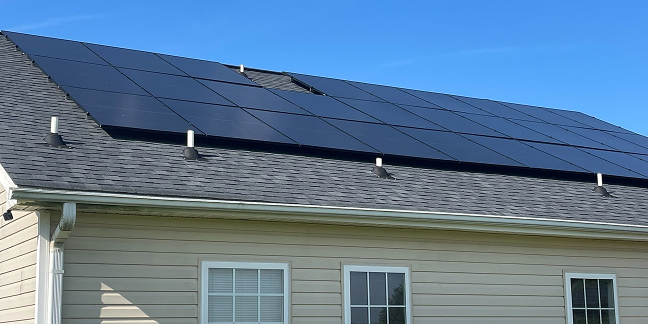
Ultimate Guide To Solar In 2025
Thinking about going solar in 2025? With energy costs rising and more homeowners looking for sustainable options, solar power has never been more popular. But with so many choices out there, how do you find the best solar panel brand and choose the top solar panels for your home? You have come to the right place.
We are breaking down everything you need to know about solar in 2025, from the latest technology to smart ways to maximize your investment. Let’s get started.
Why Solar Energy is Bigger Than Ever in 2025
Solar energy has been growing for years, but 2025 is shaping up to be a game-changer. Here’s why:
- Lower Costs: Solar panel prices continue to drop, making it more affordable than ever to switch.
- Higher Efficiency: The top solar panels today are more powerful and efficient than ever, producing more energy from the same amount of sunlight.
- Government Incentives: Federal and state programs are offering tax credits and rebates, helping homeowners save even more.
- Energy Independence: With home battery storage becoming more common, you can store solar energy for use when you need it most—like during power outages.
- Eco-Friendly Benefits: Solar power reduces your carbon footprint, cutting down on fossil fuel reliance and greenhouse gas emissions.
Now, let’s dive into what you really need to know when choosing a solar system.
Choosing the Best Solar Panel Brand in 2025
With so many options on the market, finding the best solar panel brand can feel overwhelming. Here are some top contenders this year:
- Hanwha Q CELLS: Known for its reliability and affordability, Q CELLS offers a great balance between cost and performance. Their high-efficiency panels are built to withstand various weather conditions, making them a top choice for homeowners looking for longevity and solid energy production.
- Enphase Energy: While primarily known for its microinverters, Enphase has expanded into the solar panel market with innovative, high-efficiency panels. Their all-in-one energy solutions integrate solar, battery storage, and smart monitoring for a seamless experience.
- Huawei Solar: Huawei brings cutting-edge technology to solar energy. Their panels feature AI-driven efficiency optimization and top-tier durability, making them a favorite for tech-savvy homeowners looking to maximize energy output and reliability.
When choosing a brand, consider efficiency ratings, warranty length, and real-world performance. A slightly higher upfront investment can save you more in the long run.
What Are the Top Solar Panels in 2025?
The top solar panels this year are all about efficiency, durability, and cost-effectiveness. Here’s a look at some of our favorite options:
- Hanwha Q CELLS Q.PEAK DUO: A great balance of affordability and efficiency.
- Enphase IQ8 Series: Smart panels integrated with microinverters for maximum efficiency.
- Huawei FusionSolar: AI-powered panels with top-tier energy optimization and durability.
What to Consider Before Going Solar
1. Roof Condition and Placement
Your roof plays a crucial role in how effective your solar panels will be. If your roof is old or needs repairs, it’s best to address these issues before installation. Also, consider factors like roof angle and shading to maximize sun exposure.
2. Solar Panel Efficiency
Not all solar panels are created equal. Higher-efficiency panels convert more sunlight into electricity, which is crucial if you have limited roof space.
3. Battery Storage
Pairing solar panels with a battery storage system allows you to store excess energy for use at night or during outages. This adds to your energy independence and long-term savings.
4. Rebates and Incentives
Make sure to take advantage of available tax credits and rebates. In 2025, federal incentives can cover up to 30% of installation costs, and some states offer additional financial benefits.
5. Installation Costs and Financing
While solar panel prices have dropped, installation still requires an upfront investment. Many companies offer financing options, leases, and power purchase agreements (PPAs) to make solar more accessible.
How to Maximize Your Solar Investment
Choosing the right panels is just one part of the equation. To get the most out of your solar system, keep these tips in mind:
- Consider Battery Storage: A solar battery lets you store excess power for use at night or during outages.
- Optimize Panel Placement: Work with a professional to position your panels for maximum sunlight exposure.
- Take Advantage of Incentives: Research tax credits and rebates available in your area to reduce your upfront costs.
- Bundle with Other Upgrades: Combining solar with a new roof or energy-efficient upgrades can increase your home’s value and savings.
- Monitor Energy Usage: Many solar systems come with apps to track your energy production and consumption. Staying on top of this data can help you maximize savings.
- Regular Maintenance: Keeping your panels clean and free from debris ensures they continue operating at peak efficiency.
Ready to Go Solar? Let’s Make It Happen.
Switching to solar in 2025 is one of the smartest moves you can make for your home and wallet. Whether you’re looking for the best solar panel brand or want to install the top solar panels for maximum efficiency, we’re here to help.
Thinking about replacing your roof too? Bundling solar with a new roof installation is a great way to maximize home upgrades, improve energy efficiency, and streamline the process. A well-maintained, sturdy roof ensures your solar investment lasts for decades.
Contact Attyx today to schedule a free consultation and take the first step towards energy independence
-
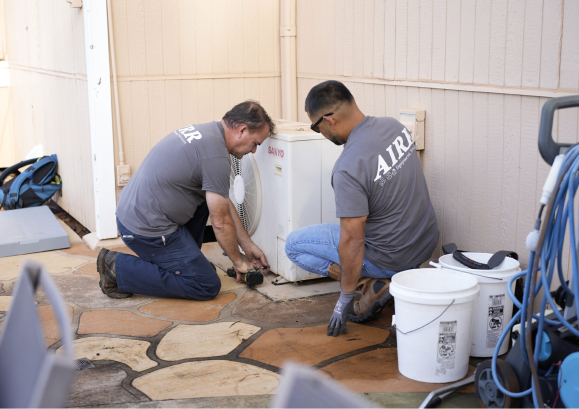
How to Avoid Dirty Ductwork: 5 Simple Tips
Your HVAC system works hard year-round to keep your home comfortable, but behind the scenes, your ductwork might be collecting dust, debris, and even mold. Over time, dirty ductwork can compromise your indoor air quality, reduce HVAC efficiency, and lead to higher energy bills. Fortunately, a few simple habits can go a long way in keeping your air ducts clean and functioning their best.
If you want to avoid the hassle (and health risks) of dirty ducts, follow these five straightforward tips for maintaining clean and healthy air in your home.
1. Change Your HVAC Filters Regularly
The first and easiest step in preventing dirty ducts is changing your HVAC filters on a consistent schedule. Filters trap airborne particles before they enter your duct system, but if they get clogged, they’ll start to let dust and debris slip through.
Pro tip: Replace standard filters every 1–3 months, or upgrade to a high-efficiency filter for better performance. Keeping your filters clean protects your ducts and helps your HVAC system run more efficiently.
2. Schedule Routine HVAC Maintenance
Professional HVAC maintenance doesn’t just improve your system’s lifespan—it also helps prevent build-up in your ductwork. During a maintenance visit, your technician will inspect components, clean out problem areas, and make sure your system isn’t circulating contaminants.
Attyx offers thorough HVAC checkups that include a look at your ductwork. Catching small issues early prevents bigger problems (and costs) down the road.
3. Keep Vents and Registers Clean
Dirt and pet hair can easily accumulate around your air vents and registers. When airflow pushes through these dirty openings, it sends those particles straight into your ducts. Make a habit of wiping down vent covers and vacuuming the areas around them regularly.
This small step reduces the amount of debris entering your system and helps maintain cleaner air circulation throughout your home.
4. Seal Leaks in Your Ductwork
Leaky ducts don’t just waste energy, they also allow dust, insulation particles, and even pests to get inside. Once contaminants enter through leaks, they circulate throughout your entire HVAC system.
Having your ductwork professionally inspected and sealed can prevent pollutants from getting in and keep the air flowing efficiently. Many trusted ductwork cleaning companies, like Attyx Mechanical, offer sealing services alongside their cleaning solutions.
5. Know When to Schedule Professional Ductwork Cleaning
Even with the best prevention practices, ductwork still needs occasional deep cleaning. If you notice signs like musty odors, increased allergy symptoms, or visible dust blowing from vents, it may be time for a professional ductwork cleaning.
The National Air Duct Cleaners Association (NADCA) recommends duct cleaning every 3–5 years or more often if you have pets, allergies, or have recently completed a home renovation. Attyx Mechanical uses specialized tools and industry best practices to clean your ductwork thoroughly and safely.
Don’t Let Dirty Ducts Sneak Up on You
Maintaining clean ducts doesn’t have to be complicated. By staying proactive with filters, sealing, and regular maintenance, you can reduce buildup and protect your home’s air quality. But when it’s time for a deeper clean, it’s best to leave it to experienced ductwork cleaning companies.
At Attyx, we specialize in professional ductwork cleaning that clears out dust, mold, allergens, and more, so you can breathe easier. Our trained technicians inspect your system, clean your ducts thoroughly, and help you create a cleaner, healthier living environment.
Schedule your ductwork cleaning today with Attyx and give your home the fresh start it deserves.
-
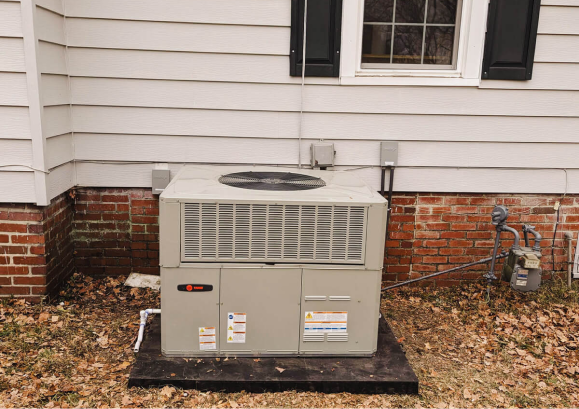
Indoor Air Quality 101: Controlling Humidity in Your Home
When most people think of comfort in their homes, they picture the right temperature and maybe a cozy couch. But there’s a silent factor playing a huge role in your daily comfort, your family’s health, and even the condition of your home itself: indoor air quality.
One of the biggest contributors to poor indoor air quality is humidity imbalance. Too much moisture in the air can lead to mold, dust mites, and musty odors, while air that’s too dry can cause skin irritation, respiratory issues, and static electricity. Striking the right balance is essential, not just for comfort, but for health and safety.
Why Humidity Matters for Indoor Air Quality
Humidity is essentially the amount of water vapor present in the air. Ideally, indoor humidity levels should stay between 30% and 50%. When levels drift outside this range, several issues can arise:
- Excess humidity can lead to mold growth, which releases allergens and irritants into the air. It also creates a breeding ground for bacteria and dust mites.
- Low humidity, on the other hand, can dry out your skin, irritate your respiratory system, and aggravate allergy or asthma symptoms.
This is where understanding and managing humidity becomes crucial to maintaining high-quality indoor air.
Signs Your Home Has a Humidity Problem
Here are some red flags that your humidity levels might be out of balance:
- Condensation on windows
- Warped wood or peeling paint
- Persistent musty smells
- Static shocks or overly dry skin
- Frequent allergy flare-ups
If any of these sound familiar, your home’s indoor air quality may be suffering.
How to Control Humidity in Your Home
1. Install a Whole-Home Humidifier or Dehumidifier
Attyx offers indoor air quality services that include the installation of humidifiers and dehumidifiers. These systems work in tandem with your HVAC system to regulate moisture levels throughout your entire home automatically.
2. Use Exhaust Fans Wisely
Bathrooms, kitchens, and laundry rooms produce a lot of moisture. Running exhaust fans during and after activities like showering or cooking helps prevent moisture from building up and impacting your home’s air.
3. Seal Air Leaks
Leaks around windows, doors, and ductwork can allow excess humidity to seep in or out. Sealing these areas helps you maintain a more stable and controlled indoor environment.
4. Maintain Your HVAC System
Regular maintenance ensures your HVAC system is doing its job in managing airflow and humidity. Dirty filters, clogged condensate lines, or poorly calibrated systems can all hinder performance and affect air quality.
5. Consider an Indoor Air Quality Assessment
If you’re not sure what your humidity levels are or how to fix them, a professional assessment can provide clarity. Attyx offers expert evaluations and indoor air quality services that identify the exact needs of your home.
Benefits of Proper Humidity Control
- Improved Health: Reducing allergens and airborne irritants supports better respiratory health.
- Home Protection: Prevents mold growth, structural damage, and deterioration of wood surfaces.
- Greater Comfort: Balanced humidity makes your home feel warmer in winter and cooler in summer.
- Energy Efficiency: When your home is properly humidified, your HVAC system doesn’t have to work as hard.
Trust the Experts at Attyx Mechanical
Managing indoor humidity is one of the most effective ways to improve your indoor air quality and protect your family’s well-being. At Attyx, we specialize in comprehensive indoor air quality services tailored to your home’s unique needs. From installing humidity control systems to performing in-depth air quality assessments, our team is here to help you breathe easier—literally.
Ready to take control of your home’s humidity? Contact Attyx today and schedule your air quality consultation.
-

How Do Air Purification Systems Help Households?
If you’ve ever opened a window hoping for fresh air, only to invite in pollen or smog instead, you’re not alone. The air inside our homes often feels cleaner than what’s outside—but in many cases, it’s not. In fact, indoor air can be two to five times more polluted than outdoor air, according to the EPA. That’s where a home air purifier system steps in to save the day.
Whether you’re concerned about allergies, odors, pet dander, or general air quality, a home air purifier system can make a noticeable difference. Let’s dive into how these systems work, the benefits they offer, and why investing in a whole home air purifier system might be one of the smartest choices you can make for your household’s health and comfort.
What Is a Home Air Purifier System?
A home air purifier system is designed to remove airborne pollutants and particles from your indoor air. These systems typically use filters—such as HEPA (High-Efficiency Particulate Air) filters—or other technologies like activated carbon, UV light, or ionizers to capture and neutralize contaminants.
There are two main types of systems:
- Portable Air Purifiers: Great for small areas or individual rooms.
- Whole Home Air Purifier Systems: Installed directly into your HVAC system to purify air throughout the entire home.
While portable options can provide relief in limited spaces, a whole home air purifier system offers a more comprehensive solution.
The Hidden Dangers Lurking in Indoor Air
You may not see them, but common household air pollutants are all around you. These include:
- Dust and dust mites
- Pet dander
- Mold spores
- Pollen
- Bacteria and viruses
- Smoke and cooking odors
- Volatile Organic Compounds (VOCs) from paint, cleaning products, or new furniture
For families with allergies, asthma, or other respiratory conditions, these particles can trigger symptoms and impact quality of life. Even if you’re perfectly healthy, long-term exposure to polluted indoor air can lead to fatigue, headaches, and reduced immune function.
Benefits of a Home Air Purifier System
Now that we know what we’re up against, let’s look at the key benefits of installing a home air purifier system:
- Healthier Breathing
Removing airborne irritants leads to better respiratory health. That means fewer allergy flare-ups, less coughing or sneezing, and more restful sleep.
- Odor Elimination
Whether it’s last night’s garlic pasta, the litter box, or lingering smoke, an air purifier helps neutralize odors quickly and effectively.
- Cleaner Living Environment
By trapping dust and particles before they settle on surfaces, a purifier helps reduce the frequency of cleaning and keeps your home looking and feeling fresh.
- Protection Against Illness
Some advanced systems come equipped with UV light or antimicrobial filters that can help kill bacteria, viruses, and mold spores, offering an added layer of protection—especially during flu season.
- Peace of Mind
Knowing your family is breathing cleaner air every day brings peace of mind, especially in homes with young children, elderly family members, or pets.
Why Choose a Whole Home Air Purifier System?
A whole home air purifier system goes a step beyond portable purifiers by integrating directly with your home’s HVAC system. This means:
- Every room benefits, not just one.
- It runs silently in the background without taking up floor space.
- It improves HVAC efficiency by keeping ducts and components cleaner.
- You only need to maintain one system, instead of managing multiple portable units.
At Attyx, we specialize in designing and installing whole home air purification solutions tailored to your needs. Whether you’re dealing with allergens, smoke, or simply want to improve your home’s overall air quality, our experts are here to help.
What Makes Attyx Different?
With years of experience in home comfort solutions, Attyx is committed to providing clean air and healthier homes. Our team stays up to date with the latest air purification technologies and follows the best practices in the industry to ensure optimal performance from every system we install.
We take time to assess your home’s layout, air quality challenges, and existing HVAC setup before recommending a customized purification system. Our goal? To help you breathe easier—literally and figuratively.
Plus, our customer-first approach means we’re here to answer your questions, provide maintenance support, and make sure your system runs efficiently for years to come.
The Added Bonus: Bundle and Save
Thinking about upgrading your HVAC system or installing a smart thermostat too? When you bundle your air purification system with other home comfort services, you not only streamline the installation process—you also save money.
At Attyx, we offer exclusive discounts when customers combine services like:
- Air purification system installation
- HVAC upgrades or replacements
- Smart thermostat integration
- Annual maintenance plans
Bundling services can reduce your overall costs, improve your home’s energy efficiency, and ensure that all your systems work together seamlessly.
Ready to Breathe Better?
If you’re ready to take control of your indoor air quality, a home air purifier system is the perfect place to start. And for whole-house coverage and maximum efficiency, a whole home air purifier system installed by the pros at Attyx is a game-changer.
Contact us today to schedule a free consultation and learn how we can help create a cleaner, healthier environment for your family. Don’t forget to ask about our bundled service discounts to get the best value for your investment in comfort and wellness.
-
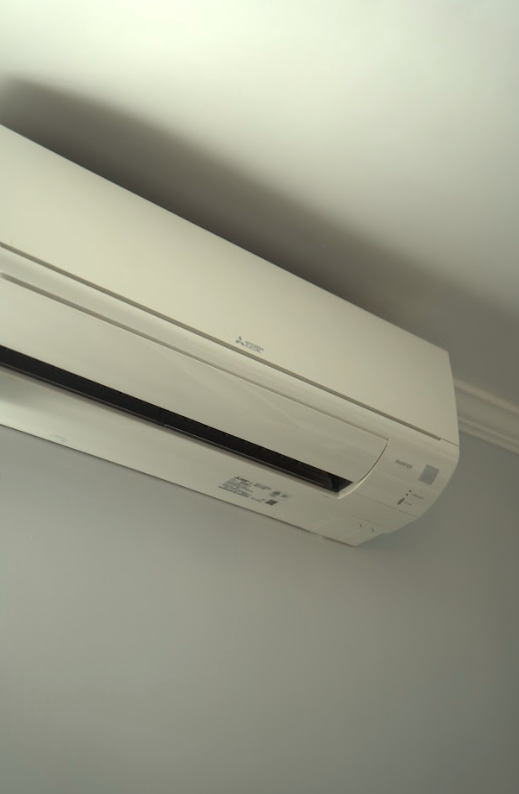
How Your HVAC System Impacts Indoor Air Quality
When most people think about their HVAC system, their first thoughts are probably about comfort—staying warm in the winter and cool during summer’s heatwaves. But what many homeowners don’t realize is that your HVAC system does more than just regulate temperature. It plays a critical role in something even more important: your indoor air quality.
And considering that the average person spends up to 90% of their time indoors, the air you’re breathing inside your home matters—a lot.
At Attyx, we specialize in indoor air quality services that ensure your HVAC system supports a healthy living environment, not just a comfortable one. So, let’s explore how your HVAC system can help—or hurt—your air quality and what you can do to keep your indoor air fresh and clean.
What Is Indoor Air Quality and Why Does It Matter?
Indoor Air Quality (IAQ) refers to the condition of the air within your home or building. It includes things like:
- Humidity levels
- The presence of pollutants or allergens (like dust, pollen, mold spores, or pet dander)
- Ventilation efficiency
- Carbon monoxide and VOC (volatile organic compound) levels
Poor IAQ doesn’t just mean a little stuffy air—it can cause serious health issues like headaches, fatigue, respiratory irritation, allergies, and even long-term lung damage. And if someone in your household has asthma, a compromised immune system, or other health concerns, clean indoor air becomes even more essential.
How Your HVAC System Influences Indoor Air Quality
Your HVAC system is like the lungs of your home—it draws in, circulates, and filters the air. If it’s working properly and well maintained, it can help reduce contaminants and balance humidity. But if it’s neglected or outdated? It could be doing more harm than good.
Here’s how your HVAC system affects your indoor air quality:
- Air Filtration
Your HVAC system includes air filters designed to trap dust, pollen, and other airborne particles. But if those filters are dirty or low-quality, they won’t do their job effectively. Worse, they may even circulate contaminants back into your home.
Tip from Attyx: Upgrade to high-efficiency HEPA filters and change them every 1–3 months. Not sure what kind of filter is best for your system? Our indoor air quality services include personalized recommendations and installations.
- Ductwork Health
If your ductwork is leaking, dusty, or full of mold, it can significantly reduce your home’s air quality. Dirty ducts push pollutants into every room, and leaky ducts invite in unfiltered air from attics, basements, or crawl spaces.
Attyx Solution: Our team offers duct inspections and cleaning as part of our indoor air quality services to ensure your air pathways stay clean and contaminant-free.
- Humidity Control
Humidity levels that are too high can lead to mold growth, while overly dry air can irritate your respiratory system and skin. A balanced HVAC system should maintain optimal humidity—ideally between 30% and 50%.
Attyx Recommends: Consider installing a whole-home humidifier or dehumidifier. We’ll help you find the perfect setup to match your space and climate.
- Ventilation Efficiency
Modern homes are built to be airtight for energy efficiency, but this also means less fresh air is naturally exchanged. Without proper ventilation, indoor air can become stale and filled with pollutants.
Did You Know?
Attyx installs energy recovery ventilators (ERVs) that allow fresh air in while maintaining energy efficiency. It’s one of the smartest ways to boost air quality without sacrificing comfort.- System Maintenance
Regular HVAC maintenance isn’t just about preventing breakdowns—it’s crucial for keeping your indoor air clean. A poorly maintained system can harbor mold, bacteria, and dust that end up recirculating through your home.
Our IAQ Maintenance Services Include:
- Coil cleaning
- Drain line inspections
- Filter checks
- Thermostat calibration
- Duct inspections
- And more
We recommend seasonal tune-ups to keep everything running smoothly and safely.
Signs Your Indoor Air Quality May Be Poor
Think you might have an IAQ problem? Watch for these common warning signs:
- Musty or stale odors
- Increased allergy or asthma symptoms indoors
- Excessive dust buildup on surfaces
- Visible mold or mildew
- Humidity problems (either too dry or too damp)
- Unexplained fatigue or headaches
If you’re experiencing any of these symptoms, it’s time to schedule a professional indoor air quality assessment.
Why Choose Attyx for Your Indoor Air Quality Services?
At Attyx, we don’t believe in one-size-fits-all solutions. Every home is different, and so are its air quality needs. That’s why we offer customized indoor air quality services, tailored to your space, your system, and your health concerns.
Whether you need:
- Air filter upgrades
- Duct cleaning and sealing
- Humidity control systems
- Ventilation enhancements
- UV air purifiers
- Routine HVAC maintenance
…we have the tools and expertise to help.
Our technicians are fully certified, highly trained, and dedicated to improving the health and comfort of your home.
Ready to Breathe Better?
Don’t let poor indoor air quality impact your health or your peace of mind. With the right HVAC care and air quality solutions from Attyx, you can breathe easier, sleep better, and live healthier.
Contact us today to schedule your indoor air quality evaluation. We’ll help you create a cleaner, more comfortable living environment for you and your family.
-

The Ultimate Guide To HVAC For First-Time Homebuyers
Buying your first home is a thrilling milestone. You’re finally stepping into a space that’s all yours—no more landlords, lease agreements, or shared walls. But along with the excitement comes a host of responsibilities you may never have thought about, like choosing the right HVAC system for your home.
If heating and cooling systems weren’t on your radar before, that’s okay. You’re not alone. Many first-time homebuyers find themselves scratching their heads over acronyms like SEER, BTU, and AFUE. That’s where we come in.
At Attyx, we specialize in helping new homeowners make smart, energy-efficient HVAC choices that provide year-round comfort and long-term peace of mind. In this guide, we’ll break down everything you need to know—from types of HVAC systems to what makes the best HVAC system for a new home.
Why HVAC Matters More Than You Think
Before we get into the nitty-gritty, let’s talk about why your HVAC system deserves your attention. In most homes, HVAC is one of the largest energy consumers. A well-chosen, properly installed HVAC system can:
- Reduce monthly energy bills
- Improve indoor air quality
- Keep you comfortable in every season
- Increase the resale value of your home
In contrast, a poorly chosen or outdated system can lead to frequent repairs, inefficient operation, and poor air circulation—all of which are costly and inconvenient.
What Does HVAC Stand For?
HVAC stands for Heating, Ventilation, and Air Conditioning. A complete HVAC system helps regulate temperature, humidity, and air quality inside your home. For first-time homebuyers, understanding the major components is key to making informed decisions.
Common HVAC Systems for Homes
Let’s explore the most common types of HVAC systems for residential homes:
Split Systems: These are the most traditional and widely used systems. They have two main components: an indoor unit (furnace or air handler) and an outdoor unit (air conditioner or heat pump).
Pros:
- Ideal for homes with existing ductwork
- Efficient and customizable
Cons:
- Can be costly to install if ductwork is outdated or damaged
Ductless Mini-Split Systems: Perfect for smaller homes, additions, or rooms without ductwork, mini-splits offer both heating and cooling capabilities.
Pros:
- No ducts required
- Zoned comfort (each unit can have a different temperature)
- Energy efficient
Cons:
- Higher upfront cost per unit
- May not be aesthetically pleasing to everyone
Heat Pumps: A versatile option that both heats and cools your home by transferring heat rather than generating it.
Pros:
- Great energy efficiency
- Lower utility bills
- Works well in moderate climates
Cons:
- May need a supplemental heat source in colder regions
Packaged Systems: All-in-one HVAC units where all components are housed in a single cabinet, usually installed outside.
Pros:
- Saves indoor space
- Easier to install in homes without basements or crawl spaces
Cons:
- Less efficient than split systems in some cases
Choosing the Best HVAC System for a New Home
There’s no one-size-fits-all solution. The best HVAC system for your new home depends on several factors:
- Size of the Home: A system that’s too small won’t keep you comfortable; too large, and you’ll waste energy and money.
- Climate: Colder climates may benefit from a furnace or dual-fuel system; warmer climates might be better served by a heat pump.
- Ductwork: Existing ductwork in good condition makes installing a central system easier and more affordable.
- Budget: Don’t just consider installation costs—look at long-term savings from energy efficiency.
- Smart Features: Modern systems offer Wi-Fi thermostats, zoning, and energy tracking.
This is where professional advice makes all the difference. At Attyx, our HVAC specialists assess your home’s layout, square footage, and energy needs to recommend a solution that balances performance, efficiency, and cost.
What to Look for in an HVAC Contractor
Buying a system is only half the equation—installation matters just as much, if not more. A poorly installed HVAC system can reduce efficiency by up to 30% and significantly shorten the lifespan of the unit.
Here’s what to look for:
- Licensed and Insured Technicians
- Transparent Pricing and Warranties
- Experience with New Construction and Retrofits
- Maintenance Plans and Customer Support
- Strong Local Reputation and Reviews
At Attyx, we don’t just install HVAC systems—we build long-term relationships. From selecting the right equipment to professional installation and maintenance, we’ve got you covered every step of the way.
Pro Tips for First-Time Homeowners
Here are some HVAC tips to help you settle into your new home with confidence:
- Change Filters Regularly: Replace or clean filters every 1-3 months to keep your system running smoothly.
- Invest in a Smart Thermostat: These can help you manage energy use and reduce utility bills.
- Schedule Annual Maintenance: Catching issues early prevents costly breakdowns.
- Know the Warning Signs: Strange noises, inconsistent temperatures, or high energy bills may indicate it’s time to call a pro.
Why Trust Attyx?
With years of experience and a passion for helping homeowners, Attyx has become a trusted name in HVAC services. We offer:
- Free in-home assessments
- Energy-efficient system recommendations
- Expert installation and repairs
- Affordable maintenance plans
- 24/7 emergency support
Whether you’re building a new home or moving into a pre-owned property, we’re here to ensure your comfort and peace of mind from day one.
Ready to Make Your House a Comfortable Home?
Don’t let HVAC be an afterthought. Contact us today for a personalized consultation and take the first step toward an efficient, comfortable, and cost-effective heating and cooling system for your home.