LGCY Home Services

Blog

  • Comparing Solar Energy to Other Renewable Sources: Which is Best?

    Comparing Solar Energy to Other Renewable Sources: Which is Best?

    As the world moves towards more sustainable energy solutions, you may find yourself wondering which renewable energy source is best. Solar energy, wind energy, and hydroelectric power each have their advantages and disadvantages. Here’s everything you need to understand solar energy versus other renewables.

    Solar Energy

    Pros of Solar Energy

    Abundant Renewable Energy Source

    Solar energy is both abundant and renewable, unlike many traditional energy sources like gasoline and fossil fuel. The sun provides an almost limitless supply of energy, and harnessing it doesn’t deplete any natural resources.

    Low Operating Costs

    Once installed, solar panels have low operating costs. Their maintenance needs are minimal compared to some other renewable energy resources, making them more affordable to operate in the long run.

    Versatile Locations

    One of the major advantages of solar energy versus other renewables is that solar panels can be installed in a wide range of locations, from rooftops to fields to water surfaces. This versatility makes it easy to integrate solar power into different environments.

    Cons of Solar Energy

    Intermittent Energy Source

    Solar energy production depends on sunlight. While solar panels do still generate energy on cloudy days, energy production is slower. In general, solar panels are installed with energy storage solutions to save energy for nighttime and lower energy production days.

    Upfront Costs

    Purchasing and installing solar panels can have a high upfront cost. However, the costs have been decreasing, and there are various incentives and rebates available to offset this expense. Over time, the money saved on energy expenses almost always makes up for the initial cost.

    Wind Energy

    Pros of Wind Energy

    High Energy Output in the Right Areas

    Wind turbines can generate a lot of electricity when they’re in areas with strong and consistent winds. They are particularly effective in large-scale energy production.

    Low Operating Costs

    Similar to solar panels, wind turbines have low operational costs once installed. They also require minimal maintenance and have no fuel costs.

    Efficiency Land Use

    Wind turbines can be installed on land that can still be used for other purposes, such as agriculture. This double-use capability maximizes efficient land use.

    Cons of Wind Energy

    Variable Wind Speeds

    Wind energy production tends to vary more than solar energy. Production levels depend on wind speeds, which can be variable and unpredictable. This variability can make wind power less reliable than solar energy in many situations.

    Noise and Visual Impact

    Some people are bothered by seeing wind turbines interrupt nature. Wind turbines can also be noisy. 

    Wildlife Impact

    Wind turbines can be dangerous for birds and other flying creatures.

    Upfront Costs

    Wind turbines involve high upfront costs, similar to solar energy.

    Hydroelectric Power

    Pros of Hydroelectric Power

    Reliable and Consistent

    Hydroelectric power is generally considered to be a more reliable and consistent renewable energy source than solar and wind power. Dams can provide a steady supply of electricity and can quickly adjust to changes in demand.

    Water Management Benefits

    Hydroelectric dams can provide additional benefits, such as water supply, irrigation, and flood control, contributing to overall resource management.

    Cons of Hydroelectric Power

    Environmental Impact

    Building dams can have significant environmental impacts, including altering water ecosystems, affecting fish populations and migrations, and displacing local communities.

    High Initial Costs

    Of all the renewable energy sources, hydroelectricity involves the highest initial cost and level of long-term planning. Because of this, hydro energy generally isn’t worth it on a small scale. 

    Limited Locations

    Not all locations are good locations for hydroelectric power generation. It requires specific geographical conditions: a river with a steady flow and the right elevation changes.

    Which Renewable Energy Source Is Best?

    So what renewable energy source is the best? The answer is, it depends. Often, solar energy is the most accessible, readily available, and versatile renewable energy source, making it the best energy source in most situations.

    Installing Solar Panels to Harness Solar Energy

    If you’re eager to be a part of making our planet healthier, installing solar panels on your property could be a good choice for you. If you’re a residential property owner in New York, North Carolina, South Carolina, Virginia, California, or Hawaii, the solar power experts at Attyx are here to answer your questions about solar energy. Our solar panel installation team can help you install solar panels on your property, allowing you to take part in climate action and reduce energy expenses at the same time.
  • Maximizing Your Investment: Solar Services from Attyx Roofing Contractors

    Maximizing Your Investment: Solar Services from Attyx Roofing Contractors

    When it comes to increasing the value of your property and lowering your energy costs, investing in solar services is one of the smartest decisions you can make. Attyx specializes in high-quality solar services that enhance the energy efficiency of your home and also provide substantial financial savings over time. In this blog, we will explore how Attyx’s solar services can maximize your investment and provide ongoing solar savings.

    Why Solar Services Are a Wise Investment

    Solar energy is a wise investment that benefits both homeowners and the environment. When you choose Attyx’s solar services, you not only reduce your carbon footprint, you also reduce your utility bills in the long run. 

    Solar panels take energy from the sun and then convert it into usable electricity for your home. This can significantly lower your dependence on the traditional power grid, which results in lowered monthly energy costs.

    One of the most compelling reasons to invest in solar services is the immediate increase in your property’s value. According to real estate data, homes equipped with solar panels often sell faster and at a premium compared to homes without. Attyx ensures that the solar systems we install are top-of-the-line, enhancing both the curb appeal and the functionality of your home.

    Solar Savings and Energy Efficiency

    The financial benefits of solar services go beyond just reducing energy bills. With Attyx’s solar services, homeowners can take advantage of federal and state incentives, tax credits, and rebates, which can drastically lower the upfront costs of solar installation. Additionally, the energy generated by solar panels can often be sold back to utility companies, offering an opportunity for even more solar savings.

    Attyx Roofing Contractors is committed to helping you achieve the highest level of solar efficiency, which translates into more savings. By choosing Attyx, you’re ensuring that your solar system is installed with precision and care, optimizing energy production and maximizing your return on investment.

    Quality Home Improvement with Attyx

    When you choose Attyx for your solar services, you’re not just getting a solar panel installation—you’re investing in quality home improvement. Attyx has built a reputation for excellence in roofing and solar services, ensuring that every installation is performed with the highest level of craftsmanship. Our roofing expertise guarantees that your solar panels are integrated seamlessly into your roof, providing both durability and aesthetics.

    Quality home improvement is about making choices that last, and Attyx delivers on that promise. With advanced technology and industry-leading materials, Attyx’s solar systems are designed to withstand the test of time, ensuring that your home continues to generate energy efficiently for years to come.

    The Attyx Difference

    What sets Attyx apart from other solar providers is our commitment to excellence in both roofing and solar services. Attyx’s team of experienced contractors offer personalized solutions that maximize energy production and enhance the overall value of your property. Our dedication to quality home improvement ensures that your investment in solar will pay off both immediately and long term.

    Choosing Attyx for your solar services is an investment in your home’s future. With our expert guidance and professional installation, you can enjoy reduced energy bills, increased home value, and ongoing solar savings. Plus, when you bundle roofing and solar, you get the best of both worlds—top-tier roofing and cutting-edge solar technology.

    Conclusion

    Maximizing your quality home improvement investment with solar services from Attyx Roofing Contractors is a smart choice for any homeowner looking to save on energy costs and increase the value of their home. Don’t miss out on the opportunity to achieve significant solar savings while making a positive impact on the environment. Contact Attyx today to see how our solar services can benefit your home.

  • Electrify Your HVAC System with Attyx: The Future of Clean, Efficient Heating and Cooling in NYC

    Electrify Your HVAC System with Attyx: The Future of Clean, Efficient Heating and Cooling in NYC

    Introduction

    As New York City aims to become a leader in sustainable energy, Attyx is committed to helping homeowners electrify their HVAC systems for a cleaner, more energy-efficient future. Electrifying your heating and cooling system is not just a trend—it’s a crucial part of New York’s strategy to reduce greenhouse gas emissions and meet long-term climate goals. In this post, we’ll explore the benefits of electrifying your energy-efficient HVAC system, how Attyx can guide you through the process, and the financial incentives available to make the switch.

    What Does It Mean to Electrify Your HVAC System?

    Electrifying your HVAC system means replacing traditional fossil-fuel-based systems (such as oil or gas heating) with electric-powered alternatives like heat pumps and electric furnaces. Heat pumps are particularly efficient because they can both heat and cool your home, making them an ideal solution for year-round comfort. Electrification reduces the reliance on fossil fuels and contributes to a cleaner, more sustainable energy grid powered by renewable energy sources.

    The Benefits of Electrifying Your HVAC System with Attyx

    Energy Savings: Electric systems are often much more efficient than their fossil-fuel counterparts, reducing energy consumption and lowering utility bills. Heat pumps, for example, can transfer heat rather than generate it, making them one of the most energy-efficient HVAC options available.

    Cleaner, Healthier Air: By eliminating combustion-based systems, you’ll reduce indoor pollutants, such as carbon monoxide and nitrogen dioxide, which can negatively impact indoor air quality. Additionally, electrifying your system reduces your carbon footprint, especially if your electricity comes from renewable energy sources like solar or wind.

    Long-Term Savings: While the upfront cost of electrifying your HVAC system may be higher than traditional systems, the long-term savings in energy bills often make the investment worthwhile. Many states and municipalities also offer tax credits and rebates to reduce the financial burden of switching to electric and embracing sustainable energy.

    Contribution to NYC’s Sustainability Goals: New York City is committed to achieving net-zero carbon emissions by 2050. Electrifying your HVAC system aligns with these ambitious goals, helping to reduce the city’s overall carbon footprint and contribute to a healthier, greener environment. By transitioning to energy-efficient HVAC solutions, you play a part in advancing the city’s reliance on renewable energy.

    How Attyx Helps You Make the Switch

    Attyx provides comprehensive HVAC electrification services, from evaluating your home’s current system to installing energy-efficient HVAC heat pumps and smart thermostats. Our team works closely with you to recommend the best electrification solution for your home’s specific needs, and we offer financing options to make the upgrade more affordable. With Attyx, you’ll have the guidance and support you need every step of the way to embrace sustainable energy solutions.

    Real-World Success Stories: NYC Homeowners Who Have Made the Switch

    We’ve helped many homeowners in NYC transition to electrified HVAC systems, significantly improving their comfort and reducing their energy bills. For example, one client in Brooklyn saved 30% on their annual heating costs after switching from oil to a heat pump system, while another in Queens reported an improvement in indoor air quality and a reduction in allergy symptoms after eliminating their old gas furnace. These successes demonstrate the impact of transitioning to an energy-efficient HVAC systems and tapping into renewable energy sources.

    Getting Started with HVAC Electrification

    To get started, schedule a consultation with Attyx for a free home energy assessment. Our experts will help you evaluate your current system, recommend the best energy-efficient HVAC solution for your home, and guide you through available rebates and financing options. We’ll also work with you to ensure your system is properly installed and integrated with your home’s reliance on sustainable energy.

    Conclusion

    Electrifying your HVAC system is an important step toward a cleaner, more efficient home. With Attyx’s expertise, financing options, and commitment to sustainable energy, you can make the transition seamlessly and start saving on your energy bills while contributing to NYC’s climate goals—and beyond. By adopting energy-efficient HVAC solutions and leveraging renewable energy, you help build a greener, more sustainable future for your family and community.

  • Green Roofs in New York City: How Attyx Can Help You Make the Leap to Sustainability

    Green Roofs in New York City: How Attyx Can Help You Make the Leap to Sustainability

    Introduction

    At Attyx, we believe in home projects that are both efficient and eco-friendly. A growing trend in sustainable roofing options is the combination of green roofs and solar panels, two solutions that complement each other beautifully. Green roofs not only improve energy efficiency and stormwater management but also provide an opportunity to integrate solar energy systems. In this post, we’ll explore the benefits of green roofs and solar panels, how they work together to maximize your home’s sustainability, and how Attyx can help you incorporate both into your property.

    What Are Green Roofs and Solar Panels?

    Green Roofs: A green roof replaces traditional roofing materials with a living ecosystem, including soil, plants, and a drainage system. This type of sustainable roofing option helps insulate your home, manage stormwater, and create natural habitats in urban environments. Green roofs can be designed with varying levels of complexity, from simple sedum carpets to more elaborate gardens with shrubs and small trees.

    Solar Panels: Solar panels are devices that capture sunlight and convert it into electricity through photovoltaic (PV) cells. These panels are commonly installed on rooftops and can provide significant energy savings by reducing reliance on the grid. Solar energy is a renewable resource that enhances energy efficiency and contributes to your home’s sustainability.

    Why Green Roofs and Solar Panels Are a Smart Choice for NYC Homeowners

    • Maximizing Energy Efficiency: Green roofs act as natural insulators by providing a barrier that reduces heat transfer between the roof and your home. This keeps your home cooler in summer and warmer in winter, reducing the load on your heating and cooling systems. Solar panels benefit from this by staying cooler and more efficient in the summer months, as excessive heat can reduce their performance. Together, they create a symbiotic relationship that enhances energy efficiency and maximizes energy savings year-round.
    • Stormwater Management: Both green roofs and solar panels can work together to address stormwater management. Green roofs absorb rainwater, reducing runoff and strain on NYC’s stormwater systems. Solar panels, when mounted on green roofs, provide an elevated surface for water to flow off more efficiently, reducing potential flooding and water accumulation. This dual solution is an essential part of sustainable roofing options.
    • Energy Production and Sustainability: Solar panels can drastically reduce your energy bills by generating electricity from sunlight, especially in NYC where rooftops are ideal for solar installations due to their exposure to sunlight. Paired with the insulation benefits of green roofs, homeowners can save even more by reducing heating and cooling costs. Together, these upgrades enhance your home’s energy efficiency, offering a holistic approach to lowering utility costs and contributing to the city’s sustainability goals.
    • Aesthetic and Property Value: Combining a green roof with solar panels not only provides functional benefits but also enhances the aesthetic value of your property. Green roofs create a visually appealing, lush environment that can serve as a private garden or outdoor space. Solar panels add a modern touch and demonstrate your commitment to sustainable roofing options, which can increase your property’s resale value.

    Attyx’s Green Roof and Solar Panel Solutions: Tailored for Your Home

    At Attyx, we offer a range of sustainable roofing options and can help you with an integrated green roof and solar panel system. Our team assesses your roof’s structure, provides plant and panel recommendations, and ensures both systems work in harmony to enhance your home’s energy efficiency. We also offer financing options to make these sustainable upgrades more affordable, so you can benefit from reduced energy bills and increased home value.

    Government Incentives and Support for Green Roofs and Solar Panels in NYC

    Both green roofs and solar panels come with a variety of incentives and rebates through city and state programs. These programs are designed to encourage energy-efficient upgrades and support the city’s climate goals. For instance, the NYC Solar Program offers incentives to help homeowners install solar panels, while green roof initiatives offer tax credits and rebates for stormwater management and energy savings. Attyx can help you navigate these programs and take full advantage of available incentives to reduce installation costs.

    Conclusion

    Green roofs and solar panels are two of the most effective sustainable roofing options to make your home more energy-efficient and environmentally friendly. By combining these two solutions, you not only reduce your energy costs but also contribute to the overall sustainability of your community and city. Attyx is here to help you make the most of these sustainable upgrades, offering expert installation and financing options to ensure that your green roof and solar panel system work seamlessly together to maximize energy savings and improve the quality of your living space.

  • The Role of Insulation in HVAC

    The Role of Insulation in HVAC

    Insulating your home isn’t just about keeping warm in the winter and cool in the summer—it’s a key factor in optimizing your HVAC system’s efficiency and improving energy efficiency. At Attyx, we believe that understanding how insulation works and its impact on energy use can help you make informed decisions that enhance your home’s comfort and save you money. Additionally, investing in an efficient HVAC system can provide long-term cost savings, reduce environmental impact, and improve overall operational performance.

    Understanding HVAC Systems’ Energy Efficiency

    HVAC (Heating, Ventilation, and Air Conditioning) systems are designed to maintain comfortable indoor temperatures. However, without adequate insulation, these systems have to work harder, leading to higher energy consumption and increased utility bills. Essentially, insulation acts as a barrier that slows down the transfer of heat, keeping warm air inside during winter and cool air inside during summer. This means your HVAC system doesn’t have to run as frequently or as long to maintain the desired temperature, thereby improving its efficiency rating.

    Additionally, enhancing your HVAC system’s energy efficiency can significantly reduce energy costs and lower your carbon footprint.

    The Impact of Insulation on HVAC Systems

    Maintaining Indoor Temperature

    Proper insulation helps maintain a consistent indoor temperature, reducing the load on your HVAC system. Air source heat pumps (ASHP) are an effective solution for maintaining indoor temperature, especially in cold climates. When your home is well-insulated, heat loss in winter and heat gain in summer are minimized, allowing your HVAC system to operate more efficiently. This stability not only enhances comfort but also ensures that your HVAC system works at optimal performance levels. Insulation acts as a protective barrier, preventing external temperature fluctuations from affecting the indoor environment. This results in a steady and comfortable temperature throughout the house, regardless of the weather outside.

    Energy Savings

    Insulating your home can significantly lower your energy bills. Introducing the concept of Seasonal Energy Efficiency Ratio (SEER), which measures the efficiency of HVAC systems over a cooling season, can help you understand how to maximize these savings. According to the U.S. Department of Energy, you can save up to 15% on heating and cooling costs by properly insulating your home. This reduction in energy consumption not only saves money but also reduces your carbon footprint. When insulation is effectively installed, it minimizes the need for constant HVAC operation, leading to reduced energy use. The savings can be substantial, particularly in extreme climates where heating and cooling demands are high. Over time, these savings can add up, making insulation a wise long-term investment.

    Extended HVAC Lifespan

    When your HVAC system doesn’t have to work as hard to maintain indoor temperatures, it experiences less wear and tear. The heating seasonal performance factor (HSPF) measures the efficiency of heat pumps across an entire season, indicating how many BTU’s the heat pump will put out for every kWh used. This can extend the lifespan of the system, reducing the frequency and cost of repairs and replacements. A less strained system means fewer breakdowns and maintenance issues. By reducing the load on your HVAC system, insulation helps ensure that it operates smoothly and efficiently for years to come. This longevity not only saves money on potential repairs and replacements but also enhances the overall reliability and performance of your HVAC system.

    Enhanced Indoor Air Quality

    Proper insulation can also contribute to better indoor air quality. Using a heat pump can further enhance this by providing both heating and cooling which maintains efficient operation during the heating season. By sealing gaps and cracks where outdoor pollutants can enter, insulation helps keep your indoor air cleaner and healthier. This is particularly important for those with allergies or respiratory issues, as it reduces the presence of dust, pollen, and other allergens inside your home. Additionally, maintaining a stable indoor temperature through effective insulation can prevent the growth of mold and mildew, which thrive in environments with high humidity and temperature fluctuations.

    Noise Reduction

    Insulation isn’t just about temperature control; it also provides soundproofing benefits. Properly insulated homes are quieter because insulation materials can dampen outside noises. This is especially beneficial if you live in a noisy area or near busy streets. The added peace and quiet can significantly enhance the comfort and tranquility of your living space.

    Best Practices for Insulating Your Home

    To maximize the efficiency of your HVAC system, it’s important to focus on key areas of your home that can benefit most from insulation: High efficiency and ENERGY STAR certified heating and cooling equipment can significantly enhance energy savings and provide environmental benefits.

    Attic Insulation

    Heat rises, making the attic a critical area for insulation. Properly insulating your attic can prevent heat from escaping in the winter and entering in the summer.

    Wall Insulation

    Insulating exterior walls can significantly reduce heat transfer. In older homes, it might be necessary to add insulation to walls that were not originally insulated.

    Floor Insulation

    Insulating floors, especially those above unheated spaces like basements or garages, can prevent heat loss.

    Windows and Doors

    While not insulation per se, ensuring that windows and doors are properly sealed can prevent drafts and improve overall insulation.

    Types of Insulation

    Fiberglass

    A common and cost-effective insulation material, fiberglass is available in batts, rolls, and loose-fill. It’s easy to install and offers good thermal performance.

    Spray Foam

    Spray foam insulation provides excellent thermal resistance and can seal gaps and leaks effectively. It’s ideal for hard-to-reach areas and provides an airtight seal.

    Rigid Foam

    Rigid foam panels offer high insulation value and are typically used in walls, roofs, and foundations. They provide excellent thermal resistance and moisture control.

    Reflective Insulation

    Reflective insulation is designed to reflect heat, making it ideal for attics. It’s especially effective in hot climates where it can reduce cooling costs.

    Proper insulation is a game-changer for HVAC efficiency. By investing in high-quality insulation and ensuring key areas of your home are well-insulated, you can significantly reduce energy consumption, lower utility bills, and extend the life of your HVAC system. Remember, a well-insulated home not only boosts comfort but also contributes to a more sustainable and energy-efficient future. At Attyx, we’re here to help you achieve the best in home comfort and efficiency.


  • The Impact of HVAC Design on Home Comfort

    The Impact of HVAC Design on Home Comfort

    Curious about how your HVAC system influences your home’s comfort and air quality? You’re in the right place. Here at Attyx, we believe in empowering homeowners with knowledge. Let’s delve into the world of HVAC designs and see how they can significantly impact your living environment.

    The Impact of HVAC Design Basics

    HVAC (Heating, Ventilation, and Air Conditioning) systems are crucial for maintaining a comfortable indoor climate. The design of these systems can vary greatly, involving various elements such as space, fuel capacity, indoor environments, and structural features, which affect everything from temperature control to air quality. Understanding the basics helps in making informed decisions when installing or upgrading your HVAC system.

    Different HVAC Designs and Their Impacts

    Centralized Systems

    Centralized HVAC systems are common in many homes. They use a single unit to control the climate of the entire house. The ductwork in these systems transports cooled air from the air conditioner to every room, ensuring a consistent and comfortable indoor environment.

    Advantages:

    • Uniform temperature control throughout the home.
    • Efficient for larger homes.
    • Typically quieter as the main unit is often located outside.

    Disadvantages:

    • Higher initial installation cost.
    • If the system fails, it affects the entire house.

    With a centralized system, the air quality depends significantly on regular maintenance and filter changes. A well-maintained system can greatly enhance indoor air quality by effectively removing dust, pollen, and other allergens.

    Zoned Systems

    Zoned HVAC systems divide a home into different zones, each with its own thermostat.

    Advantages:

    • Customized comfort for different areas.
    • Energy efficiency by heating or cooling only occupied areas.

    Disadvantages:

    • More complex installation process.
    • Higher upfront cost compared to single-zone systems.

    Proper insulation and sealing of ducts in zoned systems can prevent heat gain or loss, reducing the workload on the HVAC system and maintaining efficiency.

    Zoned systems are excellent for homes with varying comfort needs. They can improve air quality by allowing specific zones to receive more filtration and air exchange, tailored to the needs of those areas.

    Ductless Mini-Split Systems

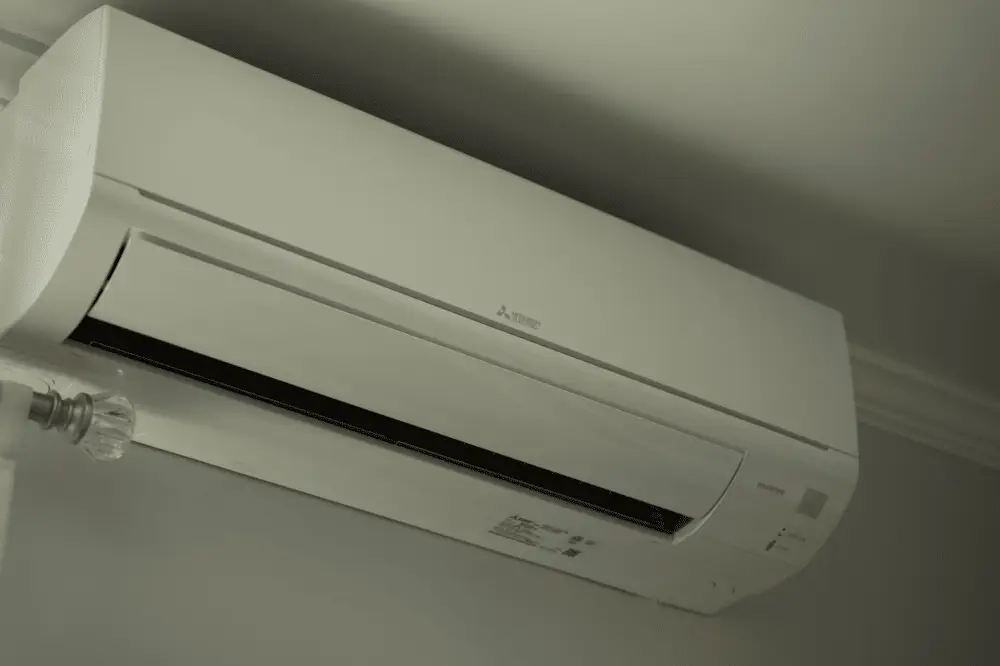
    Ductless mini-split systems consist of an outdoor compressor and one or more indoor units. Ductless mini-split systems, along with heat pumps, are part of the various types of cooling systems that can be installed, replaced, repaired, and maintained.

    Advantages:

    • Easy installation with no need for ductwork.
    • Flexible for home additions or retrofits.
    • Energy efficiency due to reduced duct losses.

    Disadvantages:

    • Visible indoor units can affect aesthetics.
    • Higher cost per unit compared to traditional systems.

    Ductless systems provide excellent air quality control since each unit can have its own filtration system. They are ideal for homes where adding ductwork is impractical or too expensive.

    HVAC Design Choices for Optimal Comfort and Indoor Air Quality

    Choosing the Right Filters

    The type of filter you use in your HVAC system can significantly impact air quality. HEPA filters, for example, are highly effective at removing airborne particles. Regularly replacing filters ensures your system operates efficiently and maintains good air quality.

    Humidity Control

    Proper humidity levels are crucial for comfort and health. Too much humidity can lead to mold growth, while too little can cause dry skin and respiratory issues. HVAC systems with built-in humidifiers or dehumidifiers can help maintain optimal indoor humidity levels.

    Ventilation

    Good ventilation is essential for maintaining air quality. Fresh air exchange systems can help remove stale air and introduce fresh outdoor air, reducing indoor pollutants. When designing an HVAC system, incorporating proper ventilation can make a significant difference in comfort and health.

    Enhancing Home Comfort with Advanced HVAC Features

    Smart Thermostats

    Smart thermostats learn your schedule and adjust the temperature accordingly, providing optimal comfort and energy savings. They can also give you insights into your energy usage and alert you to any issues with your system.

    Variable Speed Blowers

    These blowers adjust the airflow to match the heating or cooling needs of your home, providing consistent temperature and improved air quality. They operate more quietly and efficiently than traditional blowers.

    UV Light Systems

    UV light systems installed in your HVAC can kill bacteria and mold spores, enhancing air quality. They are particularly beneficial for individuals with allergies or respiratory issues.

    The Impact of HVAC Design on Energy Efficiency

    An often overlooked aspect of HVAC design is its impact on energy efficiency. HVAC services include installing, replacing, and repairing heating and cooling systems, as well as responding to emergency repair needs. A well-designed HVAC system can significantly reduce energy consumption

    Efficient Ductwork Design

    Properly designed and sealed ductwork minimizes air leaks, ensuring that conditioned air reaches its intended destination. Poorly designed ducts can lead to significant energy losses, causing the HVAC system to work harder and consume more energy.

    Insulation and HVAC Design

    Good insulation complements HVAC design by maintaining the desired temperature within the home. Without adequate insulation, even the most efficient HVAC system will struggle to maintain comfort, as heat will be lost in the winter and gained in the summer.

    Integrating Renewable Energy Sources

    Incorporating renewable energy sources, such as solar panels, with HVAC systems can further enhance energy efficiency. Solar-powered HVAC systems can reduce reliance on the grid, lower energy costs, and contribute to a more sustainable living environment.

    Common HVAC Design Mistakes to Avoid

    Even with the best intentions, mistakes in HVAC design can lead to decreased comfort and poor air quality. HVAC repair services are crucial, offering immediate response, availability seven days a week, and a commitment to never charge overtime rates for evening or weekend repairs. Here are common mistakes to avoid:

    Oversizing or Undersizing the System

    An HVAC system that’s too large will cycle on and off frequently, leading to inconsistent temperatures and higher energy bills. Conversely, an undersized system will struggle to reach the desired temperature, leading to constant operation and increased wear and tear.

    Poorly Designed Ductwork

    Improperly sized or leaky ducts can lead to significant energy losses and uneven heating or cooling. Ensuring ducts are correctly designed and sealed is crucial for efficient system performance.

    Neglecting Regular Maintenance

    Skipping regular maintenance can reduce system efficiency, raise energy bills, and cause poor air quality. Regularly servicing your HVAC system helps maintain its performance and longevity.

    Regular maintenance is crucial for any HVAC system. This includes:

    • Filter Changes: Regularly changing filters ensure efficient operation and good air quality.
    • Duct Cleaning: Clean ducts can prevent dust and allergens from circulating in your home.
    • System Checks: Annual professional inspections can catch issues early, preventing breakdowns and maintaining efficiency.

    The design of your HVAC system plays a pivotal role in determining your home’s comfort and air quality. By understanding the different options and their impacts, you can make informed decisions that enhance your living environment. At Attyx, we’re here to guide you through these choices, ensuring you create the healthiest and most comfortable home possible. Keep these insights in mind, and don’t hesitate to reach out for expert advice on your HVAC needs.

  • The Impact of Roof Design on Home Aesthetics

    The Impact of Roof Design on Home Aesthetics

    When you’re building a home, it can be easy to leave roof-style choices as an afterthought. However, roof design impacts your home’s curb appeal and plays an important part in defining home aesthetics. Today, we will explore the design impact of different roof style choices and how they can change the overall look and feel of your home.

    Why the Impact of Roof Design Matters

    Enhancing Curb Appeal

    A well-designed roof complements the architectural style of the house, making a strong first impression. This increases your home’s curb appeal, making it more visually impressive, more valuable, and easier to sell.

    Creating a Cohesive Aesthetic

    When the various exterior elements of your home fit together, your home looks better. 

    Roof design can help define your home’s architectural style and make your house together blend more seamlessly.

    How Roof Design Affects Home Appearance

    When you make careful roof design decisions, your roof can really impact your home’s overall aesthetic. Here are some of the roof design variables to consider:

    Color and Material Choices

    The color and material of your roof can have a big impact on the overall appearance of your home. Darker colors can place the focus on your roof, while lighter colors can make your roof look subtle and blend in. The roofing material you pick will also influence the home’s aesthetic.

    Roof Pitch and Height

    The pitch and height of your roof can change the way your home’s proportions are perceived. Steep roofs make homes look taller and more prominent. Low-pitched roofs can make your home look shorter and more modern.

    Architectural Details

    Architectural details like eaves, dormer windows, and overhangs can make your roof look more appealing and visually interesting. These details can give your home character, helping it stand out from other houses and match your home’s overall aesthetic. 

    Roof Style Choices

    Your roof’s style gives your home character and completes your home’s look. Here are some of the different roof styles you can choose for your house.

    Gable Roofs

    Gable roofs are a popular kind of roof style. Their triangle shape is simple, making it the perfect match for a variety of architectural styles. Whether you’re going for a traditional aesthetic or a modern aesthetic, a gabled roof can help you complete that look. The slope of gable roofs makes them great for water drainage and attics.

    Hip Roofs

    Hip roofs have slopes on all four sides, coming together at the top to form a ridge. The two short sides appear triangular while the long sides take on a trapezoid shape. Some homes use a combination of hip roofs and gable roofs to add visual interest. One major benefit of hip roofs is that they are more stable and resistant to wind damage. Your hip roofs can bring a sense of elegance to your home, making them a popular choice for both contemporary and traditional homes.

    Flat Roofs

    As the name suggests, flat roofs are the flattest roof style. In reality, flat roofs are not completely flat. They often have a slight pitch to allow water to drain. Flat roofs are becoming increasingly popular since they are a hallmark of minimalist and modern architecture styles. They make your home look sleek and edge. Plus, they also provide the opportunity for rooftop gardens and outdoor living areas, further enhancing your home’s aesthetic and appeal.

    Mansard Roofs

    Mansard (or French) roofs are a four-sided roof design with each side divided into two sections of different slopes. The lower slope is typically steeper than the upper slope, giving the roof an overall mounded look. This design adds elegance and class to a home’s aesthetic, making it a popular choice for French architecture.

    Lean-To Roofs

    Lean-to (or shed) roofs have one sloping surface. This roof style is often seen in modern homes and extensions. While simple, lean-to roofs give your home a striking, asymmetrical look. They’re a great way to add interest to your home’s roof design. 

    Installing Your Roof

    If you’re interested in exploring your roofing design options, turn to our roofing pros at Attyx. Our professionals will discuss your vision with you and help you find the right roof materials and styles to match your vision. Then, our roofers will install your roof. Reach out today to get started.

  • Understanding Roof Pitch: What It Means and Why It Matters

    Understanding Roof Pitch: What It Means and Why It Matters

    When you’re building a new home, one of the many roofing decisions you have to make is your roof’s pitch. Fully understanding roof pitch and its importance can help you make the right decision for your home and its needs. Today, our team at Attyx is going to go over what roof pitch is, how it’s measured, and why it’s important. 

    Understanding Roof Pitch

    What is Roof Pitch?

    In short, roof pitch is the slope of your roof. Roofs that are steep have a higher pitch. Flatter roofs like those often found on more modern buildings have a lower pitch. Your roof’s pitch plays a big role in how your roof looks and functions.

    How is Roof Pitch Measured?

    Roof pitch is measured using slope. You can calculate the slope using a “rise over run” formula. Roof pitch measurements are often written as how much a roof rises over the span of 12 inches specifically. To find this, use a level and a tape measure. Place the level horizontally on the roof surface and measure the vertical distance from the level to the roof surface at a 12-inch interval. This distance is the rise, which you then compare to the horizontal run (12 inches) to get the pitch ratio. You should have an answer that looks something like 3/12 or 12/12. The bigger the first number is, the steeper your roof’s pitch is.

    The Importance of Roof Pitch

    Matching Roof Pitch to Regional Weather

    Not all regional weather is created equal. When you’re choosing your roof’s pitch, you should take into account the weather conditions you face where you live. In areas with heavy snowfall, a steep pitch helps prevent snow from piling up and collapsing your roof. On the other hand, in areas with high winds, a low pitch can provide better resistance to the wind.

    Picking a Roof Pitch That Works With Your Roofing Material

    To understand roof pitch, you need to understand that certain roofing materials perform better at specific pitches. Making sure your roof pitch matches the recommended pitch for your chosen roofing material helps your roof function better and last longer. For instance, asphalt shingles work well on moderately pitched roofs, while materials like slate or tile are suited for steeper pitches. 

    Following Roof Pitch Codes & Regulations

    Before you get too far into considering various roof designs, look into local building codes and regulations. Many places have building codes that specify minimum and maximum roof pitches. Those roof pitch parameters specified in these building codes tend to be the pitches best suited for your area’s climate.

    Maintenance Difficulty

    The pitch of your roof impacts how easy it is to maintain. Take maintenance difficulty into consideration when you’re selecting your roof’s pitch. Steeper roofs can require more specialized equipment and expertise to clean and repair. Lower-pitched roofs can be easier and safer to work on. 

    Consult with Roof Pitch Experts

    Understanding roof pitch is critical when it comes to making an informed decision about your new roof. Whether you’re building a new home or replacing an old roof, choosing the right pitch can improve your roof’s performance, durability, and ease of maintenance. Luckily, you don’t have to make your roofing decisions alone. If you live in New York, North Carolina, South Carolina, Hawaii, Virginia, or California, you can consult with the roofing experts at Attyx about your roof’s pitch. Once you’ve settled on the best roof pitch for your home, our skilled roofers will install your new roof. Reach out today.

  • The Role of Solar Energy in Disaster Preparedness and Recovery

    The Role of Solar Energy in Disaster Preparedness and Recovery

    In an age where natural disasters seem increasingly common, ensuring a stable power supply during and after such events has become paramount. Solar energy, with its reliable and renewable nature, offers a promising solution. From powering emergency response efforts to aiding in long-term recovery, solar energy proves to be a vital asset in disaster preparedness and recovery. Attyx jumps in to discuss the multifaceted role of solar energy in disaster scenarios, highlighting its benefits and applications.

    The Importance of Disaster Preparedness

    When disaster strikes, traditional power grids often fail, leaving communities without essential services. Hospitals, communication networks, and emergency services all rely on consistent power to operate effectively. This is where solar energy shines—quite literally. With solar power, communities can ensure a reliable power source even when the main grid is down.

    Solar Energy in Disaster Preparedness

    Reliable and Resilient Power Source

    Solar energy systems, especially those paired with battery storage, provide a continuous power supply independent of the grid. This resilience is crucial during disasters, when power outages are common. By harnessing the sun’s energy, communities can maintain critical services without interruption.

    Easy Deployment of Solar Solutions

    Portable solar panels and solar generators can be quickly deployed in disaster-stricken areas. These systems are relatively easy to set up and can provide immediate power to essential services. Their portability makes them ideal for emergency response teams who need to move swiftly and set up base in various locations.

    Solar-Powered Emergency Shelters

    Equipping emergency shelters with solar power ensures that evacuees have access to electricity. This not only powers lights and heating but also charges mobile phones and medical devices, providing a lifeline to those affected by disasters. Solar power can make these shelters more self-sufficient and reliable.

    Solar Power for Emergencies

    Emergency Communication Systems

    Communication is vital during emergencies. Solar-powered communication towers and devices ensure that lines of communication remain open, facilitating coordination between emergency responders and affected populations. This can be a game-changer in ensuring timely and efficient disaster response.

    Medical Services

    Hospitals and medical facilities require a constant power supply to operate life-saving equipment. Solar power systems can provide a reliable backup, ensuring that these facilities can continue to function even during prolonged outages. This can be particularly critical in remote or underserved areas where medical infrastructure is limited.

    Solar Disaster Recovery

    Long-Term Power Solutions

    In the aftermath of a disaster, rebuilding efforts can be hampered by ongoing power issues. Solar energy offers a sustainable and long-term solution. By integrating solar power into the rebuilding process, communities can create a more resilient infrastructure that is less dependent on traditional power grids.

    Economic and Environmental Benefits

    Using solar energy for recovery efforts also brings economic and environmental benefits. It reduces reliance on fossil fuels, lowers energy costs, and minimizes the environmental impact of reconstruction activities. This approach supports a more sustainable and resilient recovery process.

    Case Studies and Success Stories

    Numerous examples demonstrate the effectiveness of solar energy in disaster scenarios. For instance, after Hurricane Maria devastated Puerto Rico, solar energy systems were deployed to restore power to critical facilities. Similarly, in remote regions of Africa, solar-powered water purification systems have been crucial in providing clean water during droughts and floods.

    Solar energy plays a pivotal role in disaster preparedness and recovery. Its ability to provide reliable, renewable power makes it an essential component of any disaster response strategy. By incorporating solar solutions, communities can enhance their resilience, ensure continuity of essential services, and support sustainable recovery efforts.

    With natural disasters posing significant and ongoing challenges, embracing solar energy offers a bright path forward. Whether for immediate emergency response or long-term recovery, solar power stands as a beacon of hope, illuminating the way to a more resilient and sustainable future.

  • Solar Power in Urban Areas: Overcoming the Challenges

    Solar Power in Urban Areas: Overcoming the Challenges

    Harnessing solar power in urban areas comes with a distinct set of challenges, from limited space to architectural restrictions. Yet, with the right strategies, these hurdles can be overcome, paving the way for cleaner, more sustainable cities. Attyx is at the forefront of these innovations, making city solar solutions both feasible and efficient.

    The Unique Challenges of Urban Solar Power

    Implementing solar power in densely populated urban areas isn’t a walk in the park. Let’s break down the main hurdles and why they make urban solar installation so tricky.

    Limited Space and High Demand

    Urban areas are notorious for their lack of available space. High-rise buildings and densely packed structures leave little room for traditional solar panel installations. Rooftop space is often limited, and what little exists is highly competitive.

    Shading and Structural Obstacles

    Skyscrapers and tall buildings cast significant shadows, reducing the efficiency of solar panels. Furthermore, the structural design of many urban buildings might not support the installation of large solar arrays, complicating matters further.

    Regulatory and Zoning Issues

    Cities have strict building codes and zoning regulations. Navigating these bureaucratic waters can be daunting, with permits and approvals often taking longer than the installation itself. These regulatory hurdles can deter potential adopters of urban solar power.

    Financial Barriers

    The initial cost of solar installations can be a significant barrier, especially in urban areas where the cost of living and doing business is already high. Although solar power can save money in the long run, the upfront investment remains a considerable hurdle.

    Innovative Solutions for Urban Solar Power

    Despite these challenges, innovative solutions are emerging to make urban solar power a viable option.

    Vertical Solar Panels

    One innovative approach is the installation of vertical solar panels on the sides of buildings. This method maximizes the use of available space and can be particularly effective in high-rise buildings. Vertical panels can capture sunlight at different angles, potentially increasing overall efficiency.

    Shared Solar Installations

    Shared or community solar projects allow multiple users to benefit from a single solar installation. This is especially useful in urban areas where individual rooftop space is limited. Residents can buy or lease a portion of the solar power generated by a shared system, making solar energy accessible to more people.

    Smart Grid Integration

    Integrating solar power with smart grids enhances the efficiency and reliability of urban energy systems. Smart grids can balance supply and demand more effectively, ensuring that solar energy is used optimally. This integration also supports energy storage solutions, mitigating the intermittency of solar power.

    Government Incentives and Subsidies

    Governments worldwide are recognizing the importance of urban solar power and are offering incentives and subsidies to encourage adoption. These financial incentives can significantly reduce the initial investment required, making solar power more accessible.

    Attyx: Leading the Way in Urban Solar Solutions

    Attyx is committed to overcoming the challenges of urban solar power through innovation and strategic solutions. Here are some ways Attyx is making a difference:

    Customizable Solar Solutions

    Attyx offers customizable solar solutions tailored to the unique needs of urban environments. Attyx’s products are designed to maximize efficiency and space utilization.

    Streamlined Permitting Process

    Navigating regulatory hurdles can be a major pain point. Attyx provides support throughout the permitting process, helping clients secure the necessary approvals more efficiently.

    Financial Assistance Programs

    Understanding the financial barriers, Attyx offers financing options and assists clients in accessing government incentives. This makes the transition to solar power more affordable and feasible for urban residents and businesses.

    Innovative Technology

    Attyx continuously invests in research and development to stay at the forefront of solar technology. Their cutting-edge products are designed to meet the unique challenges of urban environments, ensuring maximum efficiency and reliability.

    Implementing solar power in urban areas presents unique challenges, but with innovative solutions and strategic approaches, these hurdles can be overcome. Attyx is leading the charge, offering customizable and efficient solar solutions that make urban solar power a reality. By embracing these technologies, cities can move towards a more sustainable future, harnessing the power of the sun to reduce their carbon footprint and promote cleaner living environments.