LGCY Home Services

Blog

  • Energy Bills With vs. Without Solar: A 15-Year Cost Comparison

    Energy Bills With vs. Without Solar: A 15-Year Cost Comparison

    How Solar Energy Reduces Long-Term Electricity Costs

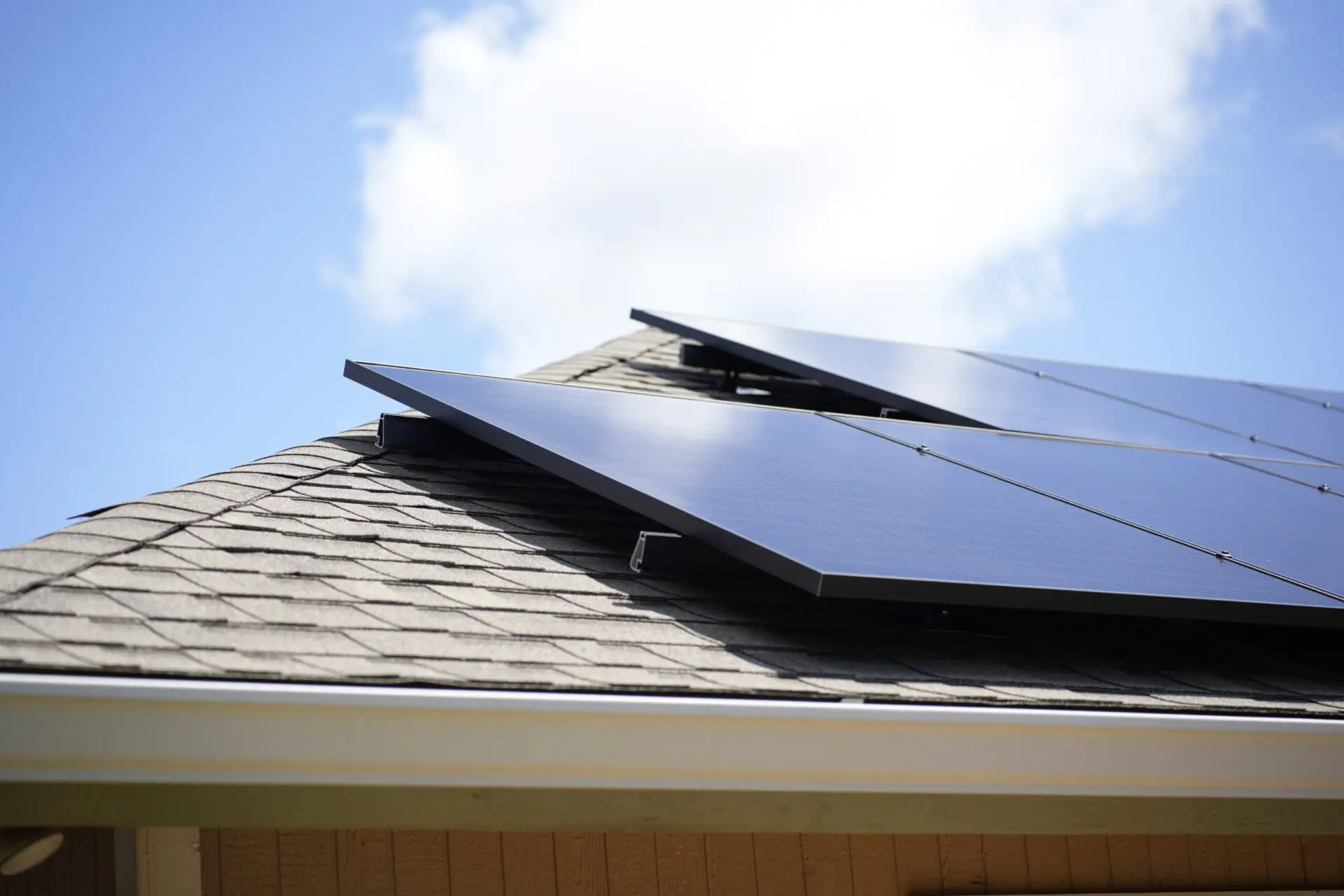
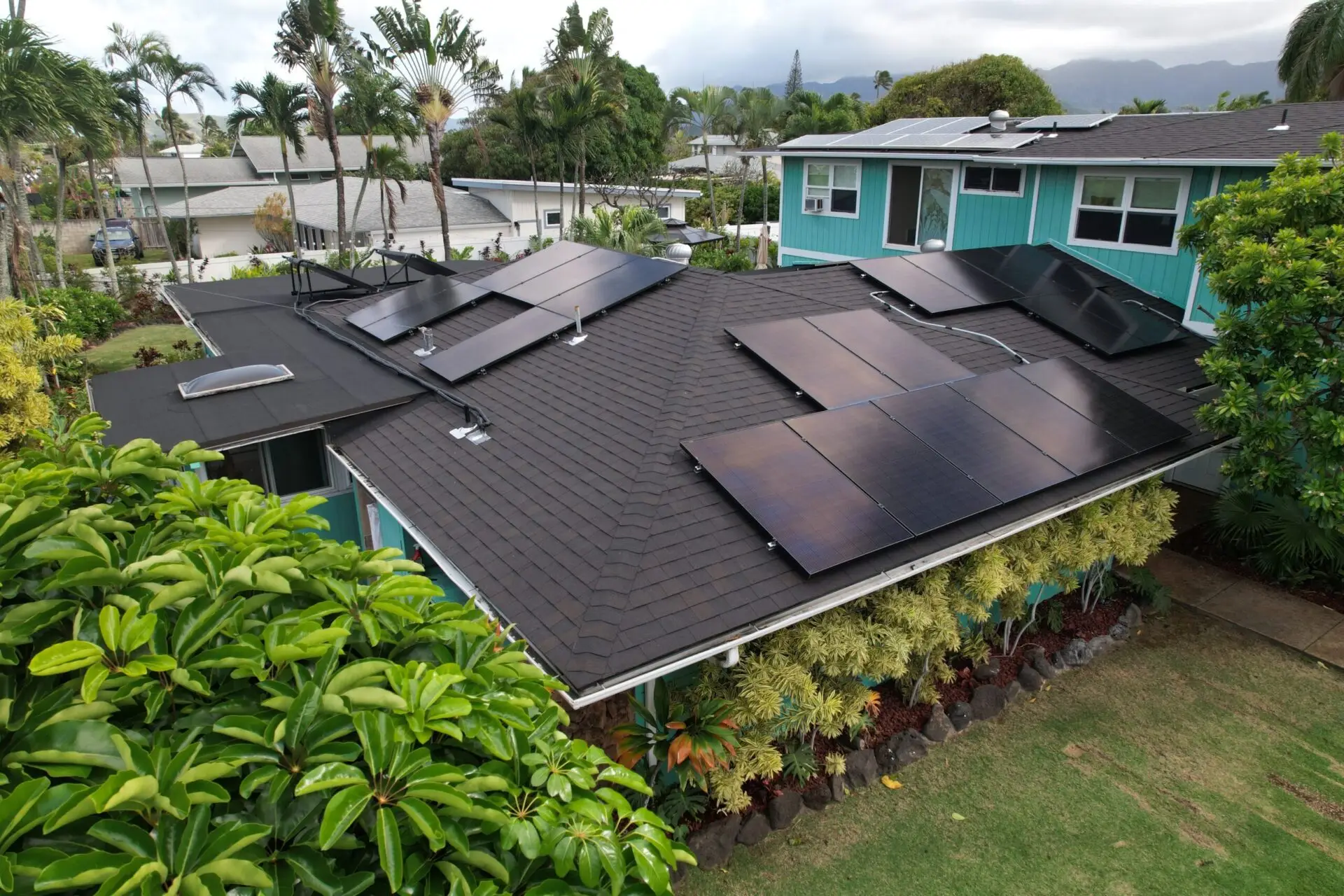
    Electricity costs continue to rise, and homeowners are looking for ways to reduce their energy bills and gain financial stability. One of the most effective ways to achieve this is by switching to solar power. While the initial investment in solar panels may seem significant, the long-term savings can be substantial.

    Comparing energy bills over a 15-year period, this article breaks down the cost differences with and without solar, factoring in rising utility rates, system maintenance, and financial incentives. Homeowners who install solar today can expect to lock in energy savings, reduce reliance on the grid, and benefit from federal and state incentives. Here’s what the numbers show over time.

    The Rising Cost of Electricity

    Utility rates have steadily increased across the U.S. due to factors like fuel costs, infrastructure upgrades, and demand fluctuations. On average, electricity rates increase by 2.5% to 4% per year, depending on the region.

    In high-cost energy states like California, New York, and Hawaii, rate hikes can be even steeper. Over 15 years, this compounds significantly, making solar a smart long-term investment.

    Key electricity rate trends (national average):

    • Current average cost per kWh: $0.16 (varies by state)
    • Expected 15-year increase: 40%–70% (based on past trends)
    • Higher utility bills for homes without solar

    Without solar, homeowners remain vulnerable to rising energy costs, while those with solar can offset much of their usage and stabilize expenses.

    Energy Cost Comparison: Solar vs. No Solar Over 15 Years

    To illustrate the financial impact, let’s compare the energy expenses of a home using 1,000 kWh per month in a state with an average electricity rate of $0.16 per kWh.

    Scenario 1: Home Without Solar

    A home relying solely on the grid will see annual electricity costs rise each year due to rate increases.

    Estimated Cumulative Cost Over 15 Years:

    • Year 1: $1,920
    • Year 5: $10,080
    • Year 10: $22,560
    • Year 15: $37,440+

    Over 15 years, a typical homeowner may spend more than $37,000 on electricity, assuming moderate utility rate increases.

    Scenario 2: Home With Solar

    A homeowner who installs a solar system can significantly reduce energy costs. Here’s a general cost breakdown:

    Year 1: Solar Installation Cost (Before Incentives)

    • Typical home solar system size: 6–8 kW
    • Estimated upfront cost: $15,000–$25,000
    • Federal tax credit (30%): -$4,500 to -$7,500
    • State & local incentives: Varies by location, potentially reducing costs further
    • Net cost after incentives: $10,000–$18,000

    Ongoing Energy Costs With Solar

    Once solar is installed, homeowners experience:

    • Lower utility bills – Solar offsets grid usage, reducing monthly expenses.
    • Minimal maintenance costs – Most systems require little to no upkeep.
    • Potential earnings from net metering – Selling excess power back to the grid.

    Estimated Cumulative Cost Over 15 Years:

    • Year 1: $360
    • Year 5: $1,800
    • Year 10: $3,600
    • Year 15: $5,400

    Over 15 years, a homeowner with solar may spend less than $6,000 on electricity, compared to $37,000+ for a home without solar. Even with the initial system cost, solar owners can save tens of thousands of dollars over time.

    Additional Benefits of Going Solar

    1. Protection Against Future Rate Hikes

    Electricity prices are expected to keep rising. Solar locks in predictable energy costs, shielding homeowners from unpredictable rate increases.

    2. Increased Home Value

    Studies show that homes with solar sell faster and at higher prices than homes without. Solar is an investment that adds long-term value.

    3. Tax Credits & Incentives

    Homeowners who install solar qualify for the 30% federal tax credit, plus additional state and local incentives in areas like California, New York, Hawaii, North Carolina, and South Carolina.

    4. Energy Independence

    Solar reduces reliance on the power grid, providing greater energy security. When paired with battery storage, homeowners can have backup power during outages.

    5. Lower Carbon Footprint

    Solar is a clean energy source that reduces carbon emissions and environmental impact.

    Is Solar Worth It Over 15 Years?

    Over 15 years, the difference in energy costs with and without solar is significant. Homeowners without solar could spend more than $37,000 on electricity, while those with solar could reduce that cost to under $6,000, even after factoring in installation.

    With rising utility rates, available tax credits, and energy savings, solar is one of the best long-term financial decisions for homeowners looking to control costs and increase home value.

    For a personalized solar assessment and to learn more about available incentives, contact Attyx today.
  • Maximizing HVAC Savings in New York: Federal, State, and Local Tax Incentives

    Maximizing HVAC Savings in New York: Federal, State, and Local Tax Incentives

    As the cost of heating and cooling your home rises, you might be looking for ways to save money on your HVAC expenses. Fortunately, there’s a way to do that while also making a positive impact on the environment. When you make energy-efficient upgrades to your HVAC system, you get access to a wide range of federal, state, and local HVAC tax incentives to help you cover the expenses. Today, the HVAC experts at Attyx are reviewing some of the clean HVAC tax incentives and rebates for New York State homeowners so that you can save money and feel good about your environmental impact in the process..

    Federal Tax Incentives for HVAC

    Inflation Reduction Act (IRA)

    The Inflation Reduction Act (IRA) of 2022 is the main source of federal tax incentives for HVAC energy improvements. The IRA invests in energy and climate improvements nationwide, including energy-efficient HVAC upgrades. IRA federal tax incentives for HVAC began rolling out in 2023. More IRA HVAC tax incentives are expected to be available late 2024. 

    Energy Efficient Home Improvement Credit

    The Energy Efficient Home Improvement Credit is a credit available through the IRA. It encourages homeowners to make environmentally-friendly HVAC and other home improvement upgrades. As a part of the credit, you can claim up to 30% of the cost of replacing your HVAC system with a more energy-efficient option. The credit’s cap depends on which energy home improvement you are making. This credit can help you afford HVAC improvements while making an environmentally-friendly choice.

    Residential Clean Energy

    One of the other federal HVAC tax incentives available through the IRA is the Residential Clean Energy credit. Through 2032, the Residential Clean Energy program provides up to a 30 percent income tax credit for homeowners making energy efficiency improvements to their homes, with a maximum of $3,200 offered annually to each household. The tax incentive decreases to 22 percent in 2033 and 2034. This HVAC tax incentive helps homeowners nationwide make HVAC improvements more affordable.

    New York State Tax Incentives for HVAC

    NYS Clean Heat Rebate

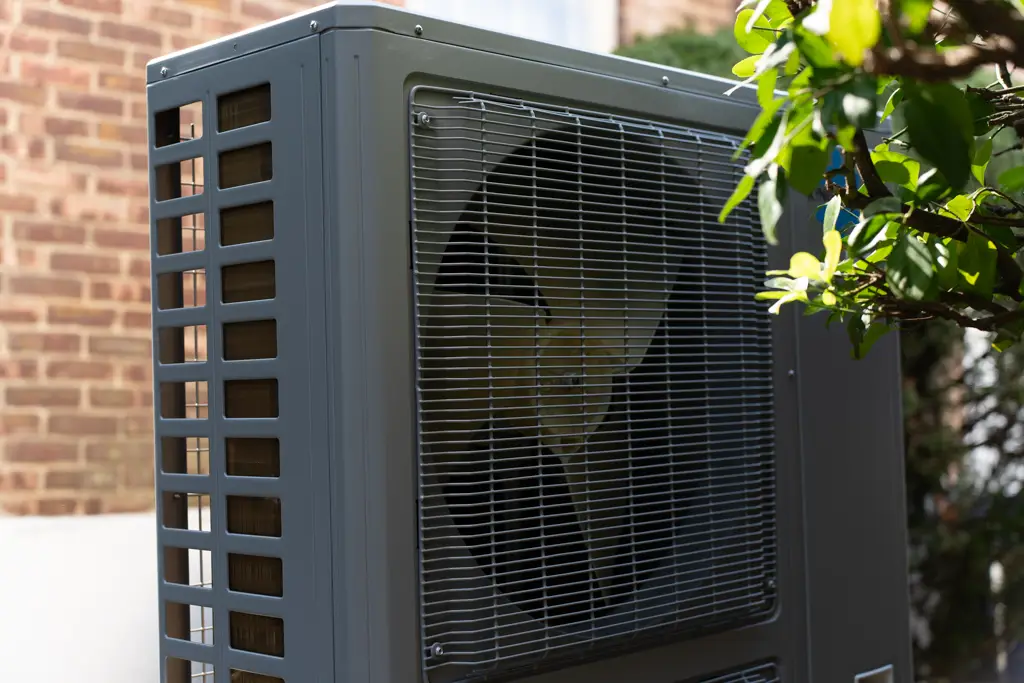
    Heat pumps are a more efficient way to keep your home’s temperature comfortable year-round without relying on fossil fuels. The NYS Clean Heat program offers a rebate for New York State property owners who install heat pumps. The best part? Your Clean Heat contractor is the one that submits the rebate for you.

    EmPower+

    Eligible New York homeowners can take advantage of funding offered through EmPower+ Program. The rebate amount available for no-cost HVAC and other home energy efficiency improvements is income-based. 

    • Low-Income Households: Rebate capped at $10,000 per project.
    • Moderate-Income Households: Rebate capped at $5,000 per project.

    This tax incentive for HVAC is a great way for New York State homeowners to maximize HVAC savings while making home energy upgrades.

    Flexible Technical Assistance (FlexTech) Program

    New York State commercial organizations and multifamily facilities that pay into the electric System Benefits Charge are eligible for the Flexible Technical Assistance (FlexTech) Program in New York State. This program encourages property owners to work with a consultant to complete an energy study of their facilities to determine any opportunities for lowering energy usage and prioritizing clean energy throughout their property, including their HVAC system. Through the program, the state shares the cost of the energy study. 

    Local Incentives Offered By Utility Providers

    Your local utility provider is often your best bet for local HVAC incentives. Here are some of the HVAC savings available through New York utility companies:

    Central Hudson

    If you are a Central Hudson customer, you can receive a rebate of up to $1,800 for making energy-efficient natural gas heating equipment upgrades in your home using one of their Trade Ally contractors. The HVAC rebate amount varies based on the type of equipment installed and its energy efficiency.

    Con Edison

    Con Edison also provides rebates for customers upgrading their heating and cooling to use energy-efficient air-source heat pumps with one of Con Edison’s approved HVAC contractors. 

    PSEG Long Island

    When you install a heat pump using one of PSEG Long Island’s participating contractors, you’re eligible for a rebate of $500-4,000, depending on the Total Heating Tons of your project and your income. 

    RG&E

    RG&E offers a rebate of $150 for customers installing new high-efficiency furnace equipment. They also provide a $75 rebate for furnace tune-ups.

    HVAC Installation with Attyx

    If you’re a New York State homeowner preparing to replace your home’s HVAC system, Attyx can help. Our HVAC experts know the ins and outs of the different HVAC options on the market. We can help you optimize your HVAC system’s energy efficiency so that you can save money and make a better environmental impact. If you have any questions about the federal, state, and local tax incentives and rebates available to you when you upgrade your HVAC system, we’re here to help.

  • How Often to Replace HVAC Filter: Best Practices for Energy Efficiency

    How Often to Replace HVAC Filter: Best Practices for Energy Efficiency

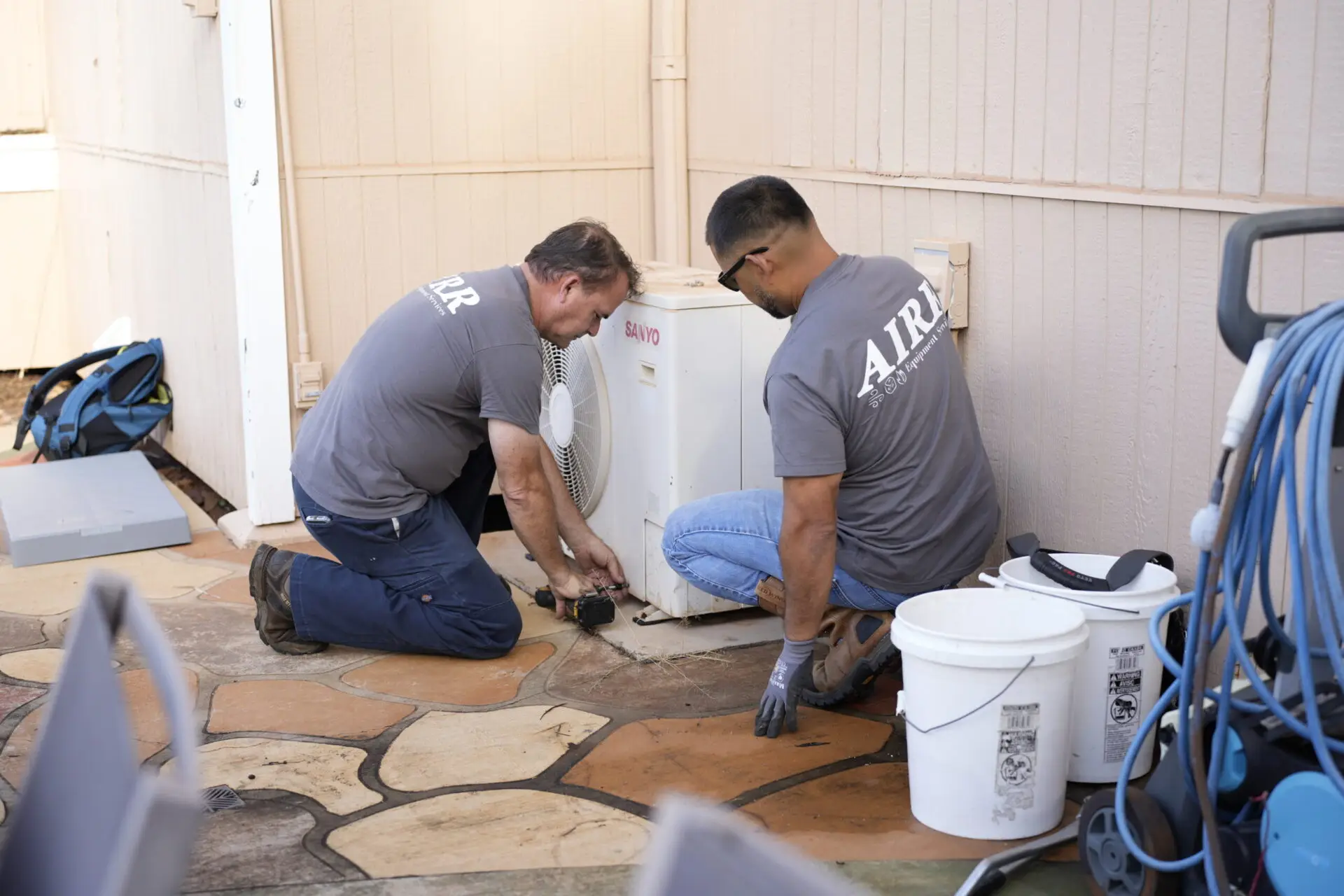
    The type of HVAC system you use is far from the only factor that influences your HVAC system’s energy efficiency. Regularly replacing your HVAC filter also plays a big role in creating an energy efficient home and a comfortable environment. When your filter is clean, your system can run smoothly, using less energy and saving you money. 

    But how often should you replace your HVAC filter to keep your system functioning in top condition? Generally, you should replace your HVAC filter every 30 to 90 days, but recommended frequency varies based on a variety of factors that we will discuss today.

    What Influences How Often I Should Replace My HVAC Filter?

    Filter Type

    The type of HVAC filter you use can significantly impact how often it needs to be replaced.

    • Fiberglass Filters: These are affordable, but they have lower filtration capabilities. They should be replaced every 30 days.
    • Pleated Filters: The grooves in pleated filters do better at trapping small particles. They should be replaced every 60-90 days.
    • High-Efficiency Filters: High-efficiency filters can last up to 6 months, but check it monthly to make sure it’s still working properly.

    Household & Lifestyle

    There’s all kinds of houses and families. Household factors do impact what the best practices are for your HVAC filter. 

    • Smoking: Households with smokers should replace the filter every 30 days.
    • Pets: You need to replace your filter more often if you have pets, especially if your pet sheds a lot. Pet hair and dander can clog filters.
    • Allergies & Respiratory Issues: If anyone in your family has allergies or respiratory problems, you should replace your filters more often to maintain good indoor air quality and prevent worsening symptoms.

    System Usage

    The more you use your HVAC system, the quicker your filter wears out. If you’re living in an area with extreme weather and heavily relying on your HVAC system, you should plan to replace your filter more frequently to keep your system functioning efficiently. 

    Air Quality

    Poor air quality outdoors can translate into poor air quality indoors, putting a strain on your filter. If you’re living in a city with high air pollution levels, near a forest fire, or by a construction site, you should increase how often you replace your HVAC filter.

    Replacing Your HVAC Filter is Key to Energy Efficiency

    Don’t make the mistake of overlooking replacing your HVAC filter. When your filter is dirty, your system’s energy efficiency suffers. Here is how a clean filter can improve your system’s performance:

    Better Airflow

    Dirty, clogged filters restrict airflow. This forces your HVAC to work harder, increasing the energy required to heat or cool your home. Clean air filters let air flow freely, allowing your system to operate efficiently and consume less energy.

    Avoid Overworking Your HVAC

    When an HVAC filter is dirty, the system has to work overtime to keep your indoor environment at a comfortable temperature. This added strain accelerates wear and tear to your whole HVAC system. With time, this can lead to the need for expensive repairs or early system replacement. Keeping your air filter clean extends the lifespan of your HVAC.

    Reduces Energy Bills

    When the system struggles to push air through a clogged filter, it has to use more energy. More energy used means higher energy bills. Replacing your filter regularly leads to more affordable energy bills.

    Better Indoor Air Quality

    Clean filters can capture more dust, dirt, and other airborne particles, taking them out of the air. This leads to better indoor air quality. 

    Signs That It’s Time to Replace Your HVAC Filter

    In addition to the age of your air filter, here are some other signs that tell you it might be time to replace your filter:

    • Excessive dust in your home
    • Reduced airflow
    • Higher energy bills
    • Increased allergy symptoms

    Attyx’s HVAC Installation Services

    Even when you’re staying on top of important HVAC maintenance like replacing your filter, your HVAC will wear down and need to be replaced eventually. When that time comes, turn to the HVAC installation professionals at Attyx.

  • Top HVAC Brands Recommended by Attyx for Optimal Home Efficiency

    Top HVAC Brands Recommended by Attyx for Optimal Home Efficiency

    Choosing the right HVAC system is about more than just comfort—it’s about investing in energy efficiency, reliability, and long-term savings. At Attyx, we take the guesswork out of the process by providing access to top-quality brands that deliver exceptional performance for your home’s unique needs.

    We understand that every home and market is different, which is why we carefully select brands that align with our high standards and availability in your area. Whether you need a high-efficiency mini split, a robust central air system, or a cutting-edge heat pump, we work with you to find the best solution for your space.

    The Trusted HVAC Brands We Offer

    At Attyx, we partner with industry-leading HVAC brands that provide superior comfort and efficiency. Our selection varies by region to ensure we offer the most effective systems for your climate and home size. Here’s a look at some of the brands we work with across different markets:

    1. Gree: Mini Splits for Energy Efficiency

    Available in New York

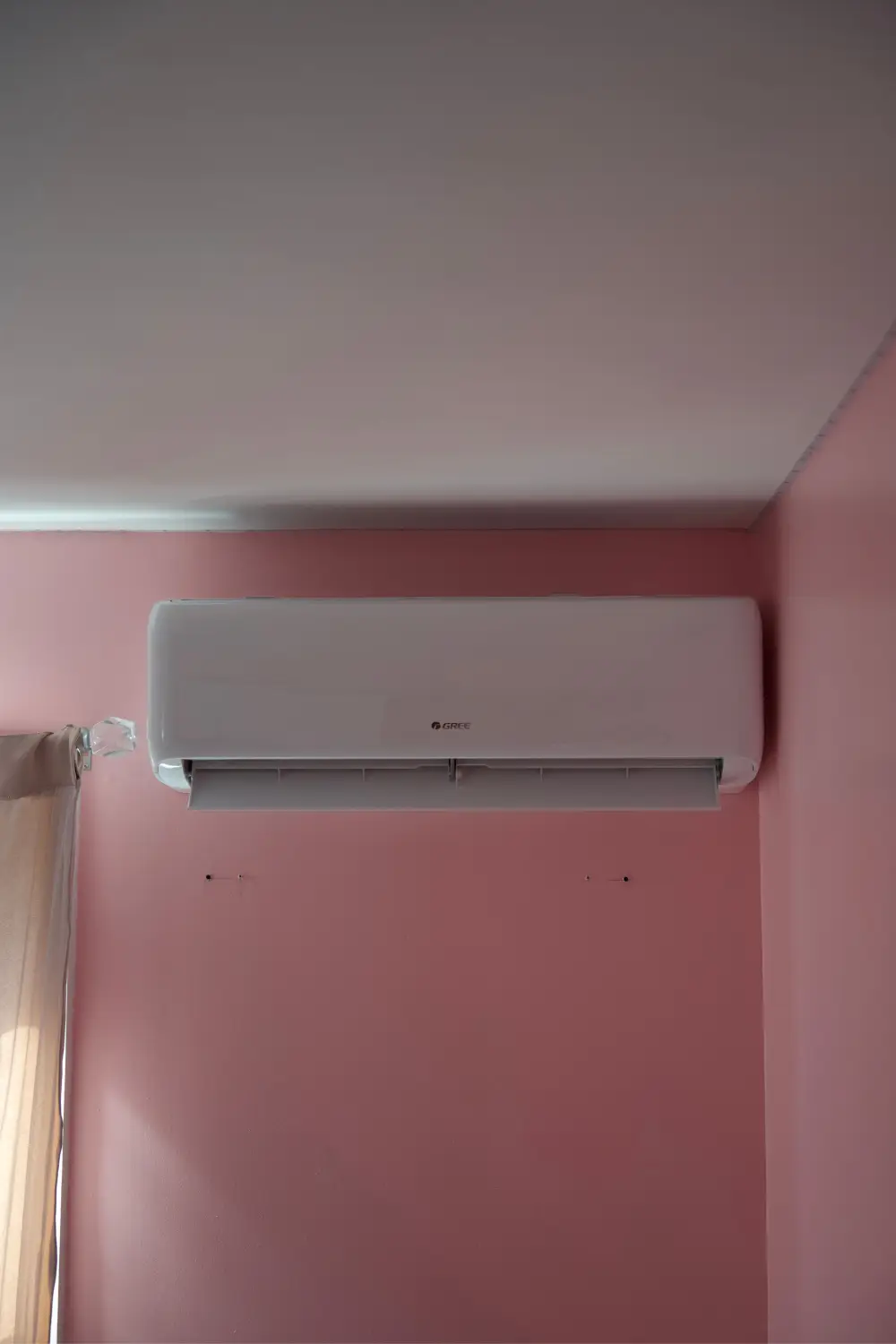
    Gree mini splits are perfect for homeowners looking for cost-effective, energy-efficient heating and cooling solutions. These systems offer zone-specific temperature control, making them ideal for homes without ductwork or for supplementing existing systems.

    Why Gree?

    • High SEER ratings for excellent energy savings
    • Whisper-quiet operation for ultimate comfort
    • Smart technology for remote system control

    Ideal For: Homeowners in New York who need a flexible, energy-efficient mini split system.

    2. Comfortmaker: Reliable Performance at an Affordable Price

    Available in the Carolinas

    Comfortmaker systems provide dependable heating and cooling at a great value. With advanced technology and energy-efficient designs, these systems are an excellent choice for homeowners looking for reliability without breaking the bank.

    Why Comfortmaker?

    • Efficient cooling and heating with high SEER ratings
    • Durable construction for long-lasting performance
    • Smart thermostats for precise temperature control

    Ideal For: Homeowners in the Carolinas looking for a budget-friendly yet powerful HVAC system.

    3. Trane: Built for Extreme Durability

    Available in the Carolinas

    Trane is a household name in the HVAC industry, known for its rugged, long-lasting systems that perform in all weather conditions. If you’re looking for a system that’s built to last, Trane is a trusted choice.

    Why Trane?

    • High-efficiency systems with SEER ratings up to 22
    • ComfortLink™ II technology for precise climate control
    • Built to withstand extreme temperatures and heavy use

    Ideal For: Homeowners in the Carolinas who want a durable, high-performance system that stands the test of time.

    4. Bosch: Advanced Technology for Superior Comfort

    Available in Hawaii

    Bosch HVAC systems bring German engineering excellence to your home, offering top-tier efficiency and cutting-edge features. Whether you’re looking for a high-efficiency heat pump or a smart, eco-friendly system, Bosch delivers.

    Why Bosch?

    • Energy-efficient models with high SEER ratings
    • Quiet operation for a comfortable home environment
    • Smart system integration for effortless temperature control

    Ideal For: Homeowners in Hawaii who want a premium, energy-efficient system that operates seamlessly in warm climates.

    Why Choose Attyx for Your HVAC Installation?

    At Attyx, we take pride in offering top-tier HVAC solutions tailored to your home’s needs. Instead of presenting an overwhelming number of options, we simplify the process by working with trusted brands available in your market, ensuring the best fit for your comfort and budget.

    What Sets Us Apart?
    Expert Recommendations: We’ll assess your home and provide the best HVAC options based on your space and climate.
    Seamless Installation: Our professional technicians handle every detail to ensure proper system setup for peak performance.
    Long-Term Reliability: Enjoy peace of mind with manufacturer-backed warranties and ongoing support.

    Let’s Upgrade Your Home Together

    Choosing a new HVAC system doesn’t have to be complicated. At Attyx, we streamline the process by offering only high-quality brands that meet your home’s specific requirements. Whether you need a mini split, a central air system, or an energy-efficient heat pump, we’re here to help.

    Contact us today for a free consultation and let’s find the perfect HVAC solution for your home’s comfort and efficiency.

  • Top HVAC Brands Recommended by Attyx for Optimal Home Efficiency

    Top HVAC Brands Recommended by Attyx for Optimal Home Efficiency

    Choosing the right HVAC system is about more than just comfort—it’s about investing in energy efficiency, reliability, and long-term savings. At Attyx, we take the guesswork out of the process by providing access to top-quality brands that deliver exceptional performance for your home’s unique needs.

    We understand that every home and market is different, which is why we carefully select brands that align with our high standards and availability in your area. Whether you need a high-efficiency mini split, a robust central air system, or a cutting-edge heat pump, we work with you to find the best solution for your space.

    The Trusted HVAC Brands We Offer

    At Attyx, we partner with industry-leading HVAC brands that provide superior comfort and efficiency. Our selection varies by region to ensure we offer the most effective systems for your climate and home size. Here’s a look at some of the brands we work with across different markets:

    1. Gree: Mini Splits for Energy Efficiency

    Available in New York

    Gree mini splits are perfect for homeowners looking for cost-effective, energy-efficient heating and cooling solutions. These systems offer zone-specific temperature control, making them ideal for homes without ductwork or for supplementing existing systems.

    Why Gree?

    • High SEER ratings for excellent energy savings
    • Whisper-quiet operation for ultimate comfort
    • Smart technology for remote system control

    Ideal For: Homeowners in New York who need a flexible, energy-efficient mini split system.

    2. Comfortmaker: Reliable Performance at an Affordable Price

    Available in the Carolinas

    Comfortmaker systems provide dependable heating and cooling at a great value. With advanced technology and energy-efficient designs, these systems are an excellent choice for homeowners looking for reliability without breaking the bank.

    Why Comfortmaker?

    • Efficient cooling and heating with high SEER ratings
    • Durable construction for long-lasting performance
    • Smart thermostats for precise temperature control

    Ideal For: Homeowners in the Carolinas looking for a budget-friendly yet powerful HVAC system.

    3. Trane: Built for Extreme Durability

    Available in the Carolinas

    Trane is a household name in the HVAC industry, known for its rugged, long-lasting systems that perform in all weather conditions. If you’re looking for a system that’s built to last, Trane is a trusted choice.

    Why Trane?

    • High-efficiency systems with SEER ratings up to 22
    • ComfortLink™ II technology for precise climate control
    • Built to withstand extreme temperatures and heavy use

    Ideal For: Homeowners in the Carolinas who want a durable, high-performance system that stands the test of time.

    4. Bosch: Advanced Technology for Superior Comfort

    Available in Hawaii

    Bosch HVAC systems bring German engineering excellence to your home, offering top-tier efficiency and cutting-edge features. Whether you’re looking for a high-efficiency heat pump or a smart, eco-friendly system, Bosch delivers.

    Why Bosch?

    • Energy-efficient models with high SEER ratings
    • Quiet operation for a comfortable home environment
    • Smart system integration for effortless temperature control

    Ideal For: Homeowners in Hawaii who want a premium, energy-efficient system that operates seamlessly in warm climates.

    Why Choose Attyx for Your HVAC Installation?

    At Attyx, we take pride in offering top-tier HVAC solutions tailored to your home’s needs. Instead of presenting an overwhelming number of options, we simplify the process by working with trusted brands available in your market, ensuring the best fit for your comfort and budget.

    What Sets Us Apart?
    Expert Recommendations: We’ll assess your home and provide the best HVAC options based on your space and climate.
    Seamless Installation: Our professional technicians handle every detail to ensure proper system setup for peak performance.
    Long-Term Reliability: Enjoy peace of mind with manufacturer-backed warranties and ongoing support.

    Let’s Upgrade Your Home Together

    Choosing a new HVAC system doesn’t have to be complicated. At Attyx, we streamline the process by offering only high-quality brands that meet your home’s specific requirements. Whether you need a mini split, a central air system, or an energy-efficient heat pump, we’re here to help.

    Contact us today for a free consultation and let’s find the perfect HVAC solution for your home’s comfort and efficiency.

  • How long does a solar panel installation take?

    How long does a solar panel installation take?

    Switching to solar energy is an exciting step toward sustainability and cost savings. However, one of the most common questions homeowners and business owners ask is, “How long does a solar panel installation take?” While timelines can vary based on several factors, understanding the typical process can help set realistic expectations.

    The Solar Panel Installation Timeline

    Installing solar panels involves several steps, from initial consultation to the final connection to your electrical grid. On average, the process takes 1 to 3 months from start to finish. Here’s a breakdown of the key stages:

    1. Initial Consultation and Site Assessment

    • Duration: 1 to 2 weeks

    The process begins with a consultation where your solar provider evaluates your energy needs, roof structure, and property’s solar potential. This stage may involve a physical site assessment or a virtual analysis using satellite imagery.

    2. System Design and Permitting

    • Duration: 2 to 4 weeks

    After assessing your property, the solar provider designs a customized system that meets your energy goals. This stage includes creating blueprints and securing permits. Permitting requirements vary by location and may involve approvals from your city, county, or homeowners’ association (HOA).

    3. Ordering Materials

    • Duration: 1 to 3 weeks

    Once the design is finalized and permits are approved, the provider orders the necessary equipment. This includes solar panels, inverters, racking systems, and other components. Availability of materials can affect this timeline, especially during high-demand periods.

    4. Installation

    • Duration: 1 to 3 days

    The actual installation is often the quickest part of the process. A professional team installs the panels, mounts, and electrical systems. Most residential installations are completed within 1 to 2 days, while larger commercial projects may take longer.

    5. Inspection and Approval

    • Duration: 1 to 3 weeks

    After installation, your system must pass inspections to ensure compliance with local codes and safety standards. Inspectors may check the wiring, mounting, and overall system setup. Some regions also require utility company approval before activation.

    6. Connection to the Grid

    • Duration: 1 to 2 weeks

    Once inspections are complete, your solar system is connected to the electrical grid. The utility company will install a bi-directional meter, allowing you to track energy production and consumption. At this point, your system is ready to start generating clean energy.

    Factors That Affect Installation Time

    Several variables can influence the overall timeline:

    • Permitting Delays: Some jurisdictions have longer permitting processes due to high demand or complex regulations.
    • Roof Condition: If your roof requires repairs or upgrades, this can add time to the process.
    • System Size: Larger systems take longer to design, install, and inspect.
    • Weather: Poor weather conditions can delay installation, particularly for rooftop systems.

    Tips to Speed Up the Process

    To streamline your solar panel installation:

    • Work with an experienced solar provider familiar with local permitting requirements.
    • Ensure your roof is in good condition before starting the process.
    • Respond promptly to requests for information or approvals from your solar provider.

    Conclusion

    While the total time for a solar panel installation can range from 1 to 3 months, the actual installation typically takes only 1 to 3 days. Factors like permitting, system design, and inspections account for most of the timeline. By understanding the steps involved, you can plan your transition to solar energy with confidence.

    If you’re considering solar energy for your home or business, Attyx can guide you through every step of the process. Contact us today to get started!

  • Solar Panel Efficiency – Pick the Most Efficient Solar Panels

    Solar Panel Efficiency – Pick the Most Efficient Solar Panels

    Solar panels are a significant investment in renewable energy, making it essential to choose the most efficient option for your home or business. Efficiency determines how well a panel converts sunlight into usable electricity, influencing both your energy savings and environmental impact. Understanding the factors that affect efficiency can help you make an informed decision.

    What is Solar Panel Efficiency?

    Solar panel efficiency is the percentage of sunlight that a panel can convert into electricity. For example, a panel with 20% efficiency converts 20% of the sunlight it absorbs into usable power. Higher efficiency panels generate more electricity in the same amount of space, making them ideal for properties with limited roof area.

    Factors Influencing Solar Panel Efficiency

    Several factors impact the efficiency of solar panels:

    1. Type of Solar Panel

    • Monocrystalline Panels: These panels are made from a single silicon crystal and are the most efficient, often reaching 20-22% efficiency. They’re durable and perform well in low-light conditions.
    • Polycrystalline Panels: Made from multiple silicon fragments, these panels are slightly less efficient (15-17%) but are more affordable.
    • Thin-Film Panels: Lightweight and flexible, these panels are the least efficient (10-12%) but have unique applications for unconventional surfaces.

    2. Temperature Coefficient

    Solar panels lose efficiency as temperatures rise. Look for panels with a low-temperature coefficient to ensure optimal performance in hot climates.

    3. Quality of Materials

    High-quality materials improve energy conversion and durability. Panels with anti-reflective coatings and advanced technologies often perform better.

    4. Installation and Positioning

    Proper installation ensures that panels capture maximum sunlight. Factors like tilt angle, shading, and orientation significantly impact efficiency.

    5. Degradation Rate

    Over time, solar panels gradually lose efficiency. Choose panels with lower degradation rates to ensure they maintain higher performance over their lifespan.

    How to Choose the Most Efficient Solar Panels

    Evaluate Your Energy Needs

    Calculate your energy usage to determine how many panels you’ll need. If space is limited, prioritize higher efficiency panels to maximize energy production.

    Research Top Brands

    Leading manufacturers like SunPower, LG, and Panasonic produce high-efficiency panels. Compare warranties, performance guarantees, and customer reviews to make an informed choice.

    Consider Cost vs. Savings

    Higher efficiency panels often come with a premium price. However, they can reduce your energy bills and provide better long-term savings. Assess your budget and the potential return on investment before making a decision.

    Look for Certifications

    Check for certifications like IEC, UL, and Energy Star to ensure panels meet performance and safety standards. Certified panels are tested for quality and reliability, giving you peace of mind.

    The Role of Maintenance in Solar Panel Efficiency

    Regular maintenance is key to maintaining efficiency. Clean panels periodically to remove dirt, debris, and snow that can block sunlight. Schedule professional inspections to check for damage and ensure optimal performance. Keeping an eye on your system’s output can help you detect and address issues early.

    Environmental Benefits of High-Efficiency Panels

    Choosing efficient solar panels doesn’t just benefit your wallet—it also has a positive impact on the environment. By generating more electricity with fewer panels, high-efficiency systems reduce the need for additional resources and lower the overall carbon footprint of your installation. Investing in renewable energy helps combat climate change and promotes a sustainable future.

    Conclusion

    Selecting the right solar panels involves balancing efficiency, cost, and your unique energy needs. By understanding the factors that affect efficiency and researching your options, you can make a choice that benefits both your wallet and the environment. High-efficiency panels may have a higher upfront cost, but their long-term savings and environmental impact make them a smart investment.

    If you’re ready to invest in renewable energy, Attyx can help you choose and install the most efficient solar panels for your property. Contact us today to get started!

  • The benefits of solar + a new roof

    The benefits of solar + a new roof

    Combining a new roof with solar panels is one of the best investments homeowners can make. Not only does it enhance your home’s energy efficiency, but it also increases its value and long-term durability. If you’re considering switching to solar, replacing your roof at the same time can provide numerous benefits. Here’s why it’s a smart decision and how Attyx can help make the process seamless.

    Why Pair Solar Panels with a New Roof?

    If your roof is nearing the end of its lifespan, installing solar panels on an aging surface could lead to costly issues down the road. A new roof ensures a solid foundation for solar panels, maximizing their duration and efficiency. Here are the key benefits of tackling both projects together:

    1. Maximize Energy Savings

    Solar panels significantly reduce electricity costs by harnessing renewable energy from the sun. When combined with a new, energy-efficient roof, your home retains more heat in the winter and stays cooler in the summer, further lowering energy bills.

    2. Avoid Costly Future Repairs

    If you install solar panels on an aging roof, you may need to remove and reinstall them later when the roof requires replacement. Replacing your roof beforehand eliminates this extra cost and hassle, ensuring a longer-lasting solution.

    3. Enhance Your Home’s Value

    A new roof and solar panels increase your home’s resale value. Many homebuyers are willing to pay more for a house with an upgraded roof and sustainable energy solutions, making your property more attractive on the market.

    4. Improve Curb Appeal and Longevity

    Modern roofing materials not only improve durability but also come in a variety of styles and colors to enhance curb appeal. By choosing high-quality materials for your new roof, you protect your home from weather damage while seamlessly integrating solar panels for a sleek, modern look.

    5. Take Advantage of Incentives and Financing Options

    Homeowners can benefit from federal tax credits, local rebates, and financing options when installing solar panels. Pairing solar with a new roof may also qualify you for additional incentives, making the investment more affordable.

    How Attyx Makes the Process Easy

    At Attyx, we specialize in high-quality residential roofing and work seamlessly with solar installation professionals to ensure your new roof is optimized for solar panels. Here’s how we can help:

    Expert Roof Assessment

    We assess the condition of your existing roof to determine if a replacement is necessary before installing solar panels. Our expert recommendations help you make the best decision for your home.

    High-Quality Roofing Materials

    Attyx offers durable, weather-resistant roofing materials that extend the lifespan of your home and provide the ideal base for solar panel installation.

    Seamless Solar Integration

    We coordinate with trusted solar installers to ensure a smooth transition from roof replacement to solar panel installation, reducing downtime and maximizing efficiency.

    Flexible Financing & Warranty Protection

    Attyx provides flexible financing options with $0 down, making a new roof and solar investment more accessible. Our industry-leading warranties give you peace of mind, knowing your home is protected for decades.

    Get Started with Attyx Today

    If you’re considering solar energy, don’t overlook the importance of a solid roofing foundation. Attyx is here to guide you through the process, ensuring you get the most out of your investment. Contact us today for a consultation and discover how a new roof and solar panels can transform your home’s efficiency, value, and sustainability.

  • How ATTYX Roofing Contractors Can Enhance Your Home with Solar Solutions

    How ATTYX Roofing Contractors Can Enhance Your Home with Solar Solutions

    New solar panels can provide your home with a wide range of benefits. Solar solutions are an investment that not only reduces your energy bills and carbon footprint but leads to home value improvement and energy independence. At Attyx, our roofing contractors offer the best solar solutions for home energy efficiency. Our advanced solar technology solutions are designed to provide you with solar power benefits that will last you for years to come.

    The Benefits of Solar Solutions for Your Home

    Home Value Improvement

    Installing solar panels is one of the smartest investments you can make to increase your home’s market value. Prospective buyers recognize the value of solar energy systems. By choosing Attyx’s solar solutions, you’re not only saving money on your energy bills but also making a long-term investment in your property’s worth.

    Energy Independence

    As energy costs rise, more homeowners want to gain energy independence. Solar panels allow you to generate your own electricity, reducing your reliance on the grid. This independence protects you from fluctuating energy prices and ensures that you have a steady supply of power, even during outages. Solar panels are a solution that puts the power back in your hands.

    Advanced Solar Technology

    At Attyx Roofing Contractors, we use the latest and most efficient solar technology to provide you with the best solar solutions for home energy efficiency. The solar panels we install are designed to maximize sunlight capture and convert it into clean, renewable energy. As solar technology advances, panels are becoming more durable, efficient, and dependable. 

    Solar Solutions from Attyx Roofing Contractors

    Choosing the right solar solution for your home is a big decision, and Attyx is here to help. Our expert team works with you to design and install a solar energy system that perfectly fits your home’s needs. Here’s how we enhance your home with our solar solutions:

    Customized Solar Solutions for High Efficiency

    We understand that every home is unique, and so are its energy needs. Whether you’re looking to offset your entire electricity bill or just a portion of it, we’ll create a customized solar plan that aligns with your energy goals.

    Quality Solar Panel Installation

    Our dependable solar panel installation work leads to long-term performance from your solar panels. We install advanced solar technology with precision and care. We use high-quality panels and the latest installation techniques to ensure your solar panels are securely mounted and ready to harness the power of the sun.

    Improve Home Value

    Investing in solar panels is a smart way to improve your home’s value. We guide you through selecting the right solar solutions that not only improve your energy independence but also add value to your property. Our systems are designed to be visually appealing, complementing your roof’s appearance and protecting your home’s curb appeal. Our solar installations are built to last, ensuring that they remain a valuable feature of your home for decades.

    Top-Notch Service

    We prioritize the customer experience, taking the time to answer your questions and provide updates during the solar panel selection and installation process. We’re there for you at every step of the way, doing everything we can to make your experience positive. 

    Solar Solutions from ATTYX Roofing Contractors

    At Attyx, we’re here to help you with all your solar needs. Our experienced solar panel experts understand the ins and outs of solar solutions. We can help you understand your energy needs and reach energy independence through a strong solar energy system. When you’re ready to enjoy the many solar power benefits, reach out to Attyx to get started.

  • Best Central Air Conditioning: A Comprehensive Guide

    Best Central Air Conditioning: A Comprehensive Guide

    There’s nothing like coming home to a cool, comfortable space on a hot summer day. But finding the best central air conditioning system for your home? That can feel overwhelming. With so many options, features, and technical details, it’s easy to feel lost.

    At Attyx, we understand that homeowners want efficiency, reliability, and value. That’s why we’ve put together this guide to break down everything you need to know about choosing the perfect central air conditioning system.

    What Is Central Air Conditioning and How Does It Work?

    Let’s start with the basics. Central air conditioning is a cooling system that uses ductwork to distribute cool air throughout your home. It typically includes:

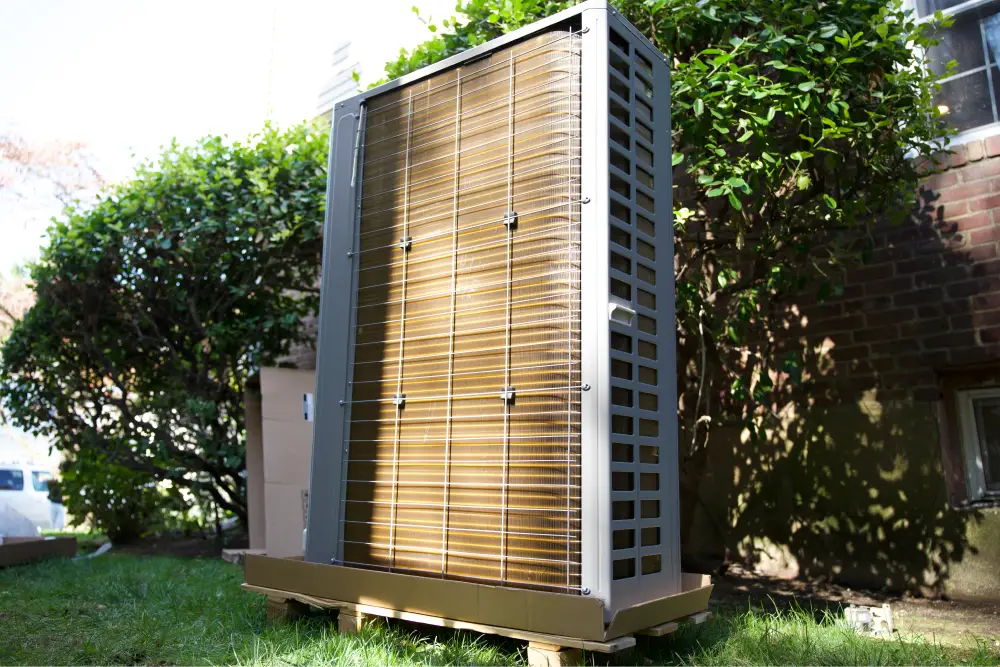
    • An Outdoor Unit: This contains the compressor and condenser coil, which work to release heat from your home.
    • An Indoor Unit: The evaporator coil inside your home absorbs heat and moisture from the air, cooling it down.
    • Ductwork and Vents: These deliver cooled air to every room and return warm air to the system for cooling.

    By maintaining consistent temperatures and improving air circulation, central AC systems provide comfort that window units and portable systems simply can’t match.

    Key Features to Look For in Central AC Systems

    Not all central air conditioners are created equal. To find the best one for your home, pay attention to these key features:

    1. Think Energy Efficiency
      When shopping for an AC system, pay attention to its SEER rating (Seasonal Energy Efficiency Ratio). The higher the SEER number, the more energy-efficient the system. While the minimum SEER rating is 14, opting for a system with a rating of 16 or higher can save you a bundle on your energy bills over time.


    1. Look for Variable Speed Technology
      Today’s top AC systems often include variable-speed compressors, which adjust how hard they work based on your home’s cooling needs. This not only makes the system more efficient but also keeps the temperature steady, so you’re not freezing one minute and sweating the next.


    1. Pay Attention to Noise Levels
      No one wants their AC to sound like a jet engine. Look for systems with a low decibel rating—anything under 70 dB is nice and quiet, meaning you can enjoy cool air without the extra noise.


    1. Go for Smart Features
      Many modern systems come equipped with smart technology, like Wi-Fi-enabled thermostats or app controls. These features let you adjust the temperature from your phone, whether you’re on the couch or out running errands. It’s convenience and efficiency rolled into one.


    1. Check Durability and Warranty
      Choose a system from a trusted brand that backs its products with a solid warranty. Most good systems will cover key components, like the compressor, for 5 to 10 years, giving you peace of mind if something goes wrong.

    Picking the Right Size for Your Home

    When it comes to AC, size is everything. A unit that’s too small will struggle to cool your home, while one that’s too big will keep turning on and off, wasting energy and wearing itself out prematurely.

    Here’s what to consider:

    • Square Footage: Bigger homes naturally need more powerful systems.
    • Climate: If you live in a hot, humid area, you’ll need a system with higher cooling capacity.
    • Insulation: Well-insulated homes hold onto cool air better, so your AC won’t have to work as hard.

    Not sure what size you need? An HVAC professional can perform a load calculation to figure out the perfect size for your home, measured in BTUs (British Thermal Units). It’s worth the time to get it right—you’ll save money and avoid future headaches.


    Maintenance Tips for Longevity

    A central air conditioning system is a significant investment, so it’s essential to take care of it. Follow these tips to keep your system running smoothly:

    • Change Filters Regularly: Replace air filters every 1 to 3 months to maintain airflow and efficiency.
    • Schedule Annual Tune-Ups: Professional maintenance can catch small issues before they become costly problems.
    • Clean the Outdoor Unit: Keep the area around the condenser free of debris like leaves and dirt.
    • Inspect Ductwork: Check for leaks or damage that might be reducing efficiency.
    • Monitor Thermostat Settings: Use a programmable thermostat to optimize energy usage when you’re away from home.

    Common Questions About Central Air Conditioning

    We get it—investing in a new AC system can raise a lot of questions. Here’s what homeowners often ask:

    • How much does central air conditioning cost? Costs vary depending on size, brand, and features but generally range from $3,000 to $7,500, including installation.
    • How long do central AC systems last? With proper maintenance, most systems last 10 to 15 years.
    • Can I replace just the outdoor unit? While it’s possible, it’s not recommended unless the indoor unit is relatively new and compatible.

    Choosing the best central air conditioning system doesn’t have to be intimidating. By understanding your home’s needs, exploring top brands, and relying on a trusted HVAC professional for installation, you can enjoy a cool, comfortable home for years to come.

    At Attyx, we believe in providing homeowners with the knowledge they need to make confident decisions. Whether you’re upgrading your old system or installing one for the first time, a little preparation goes a long way in finding the perfect fit.