LGCY Home Services

Blog

  • How Much Does TXV Valve Replacement Cost?

    How Much Does TXV Valve Replacement Cost?

    The thermal expansion valve (TXV) is a key component in an HVAC system, controlling the flow of refrigerant to ensure efficient cooling. When the TXV valve malfunctions, it can cause poor temperature regulation, increased energy consumption, and potential damage to other parts of the system.

    While TXV valve replacement is sometimes necessary, the cost varies based on several factors, including system type, accessibility, refrigerant requirements, and labor costs. Understanding what impacts the price and when to seek professional service can help homeowners and businesses make informed decisions about their HVAC systems.


    What Does a TXV Valve Do?

    The TXV valve regulates refrigerant flow based on the cooling demand of the system. It ensures that the right amount of refrigerant reaches the evaporator coil, preventing inefficiencies that can lead to poor performance and higher utility bills.

    When a TXV valve functions properly, it:

    • Improves cooling efficiency by adjusting refrigerant flow based on temperature.
    • Reduces energy waste, helping keep electricity costs in check.
    • Prevents frost buildup or overheating in the evaporator coil.

    If the TXV valve fails, refrigerant flow becomes unregulated, leading to inconsistent cooling, excessive strain on the compressor, and potential system breakdowns.


    Signs That a TXV Valve Needs Replacement

    A failing TXV valve can mimic other HVAC issues, so professional diagnosis is essential. Some common warning signs include:

    1. Inconsistent Cooling Performance

    Rooms may feel warmer than usual even when the thermostat is set correctly. The system may struggle to maintain the desired temperature, especially on hotter days.

    2. Higher Energy Bills

    When a TXV valve isn’t working properly, the HVAC system works harder than necessary, consuming more electricity. A sudden increase in energy costs could indicate an issue.

    3. Frost or Ice on the Evaporator Coil

    Restricted refrigerant flow can cause ice buildup on the coil, leading to inefficient cooling and potential damage if left unaddressed.

    4. HVAC System Short Cycling

    A malfunctioning TXV valve can cause the system to turn on and off more frequently, reducing efficiency and increasing wear and tear on components.

    5. Unusual Noises from the System

    Hissing, gurgling, or whistling sounds from the refrigerant lines may suggest an issue with the TXV valve regulating refrigerant pressure.

    If any of these symptoms appear, an HVAC technician should inspect the system to determine whether TXV valve replacement is needed or if another issue is causing the problem.


    Factors That Affect TXV Valve Replacement Costs

    The cost of TXV valve replacement depends on multiple factors. Because every system is different, pricing can vary based on:

    1. Type of HVAC System

    • Residential air conditioners and heat pumps typically have simpler TXV replacement requirements than large commercial units.
    • Some systems use specialty TXV valves, which may be more expensive or require additional labor.

    2. Accessibility of the TXV Valve

    • In some units, the TXV valve is easily accessible, making the replacement straightforward.
    • If the valve is located in a hard-to-reach area, such as inside a sealed unit or near delicate components, more time and labor may be required.

    3. Refrigerant Type and System Charge

    • Some systems require a refrigerant recharge after TXV replacement, which can impact overall cost.
    • Older systems using R-22 refrigerant may face additional expenses due to phase-out regulations, while systems using newer refrigerants like R-410A may have lower associated costs.

    4. Labor and Service Requirements

    • Skilled HVAC technicians ensure proper installation, refrigerant handling, and system recalibration.
    • If additional issues are found during the inspection, repairs may be recommended to prevent further damage.

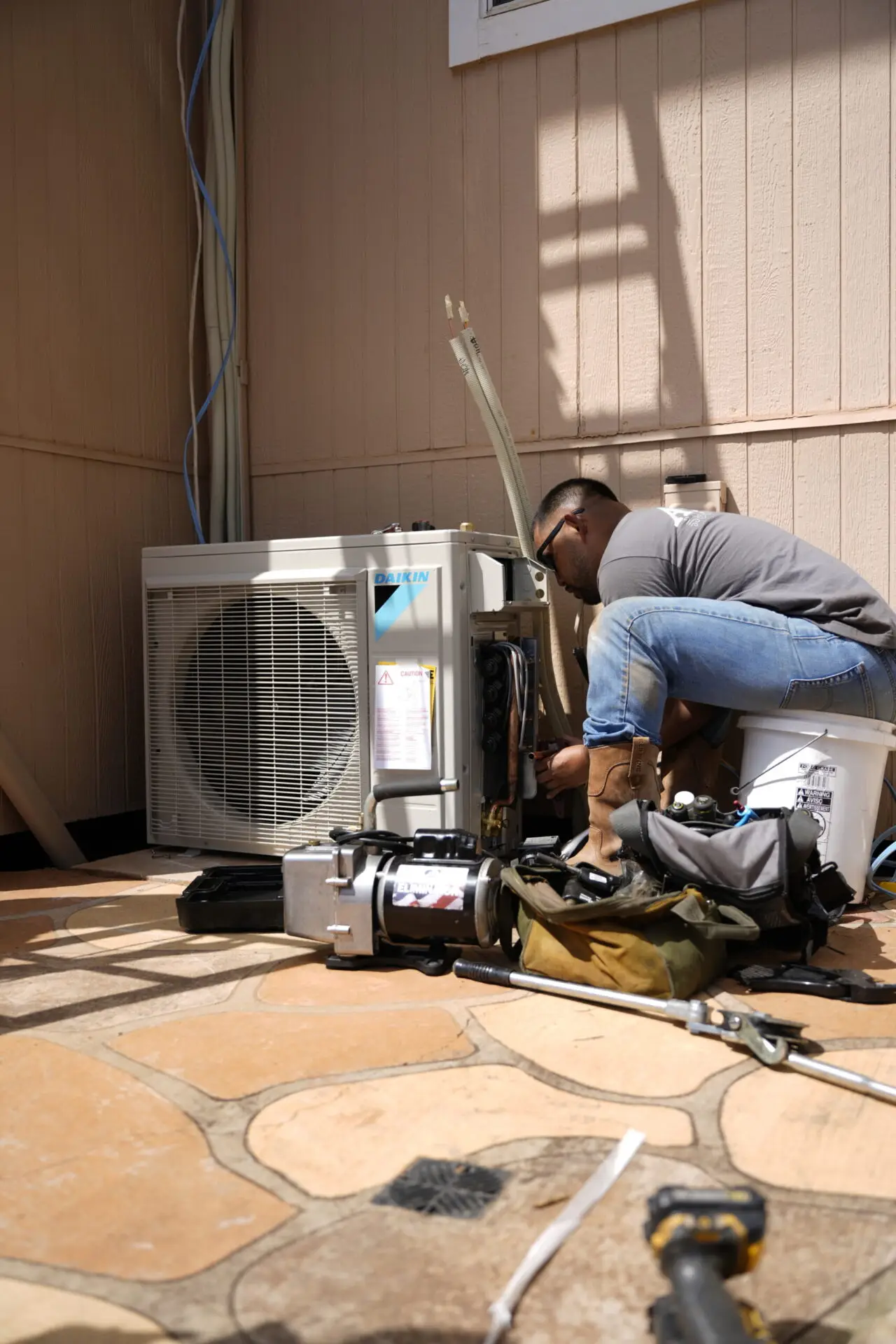
    Because TXV valve replacement involves complex components and refrigerant handling, only a licensed HVAC professional should perform the service.


    The Importance of Professional TXV Valve Replacement

    While some HVAC repairs are minor, TXV valve replacement is not a DIY job. Handling refrigerants requires EPA certification, and improper installation can damage other system components, leading to costly repairs.

    Why professional service matters:
    ✔ Accurate diagnosis – Ensures the TXV valve is the actual issue, preventing unnecessary repairs.
    ✔ Safe refrigerant handling – TXV valve replacement involves refrigerant removal and recharging, which must be done according to industry regulations.
    ✔ System recalibration – After installing a new TXV valve, the HVAC system must be properly adjusted to prevent inefficiencies or future issues.

    Attempting to replace a TXV valve without proper training can lead to refrigerant leaks, incorrect valve selection, and long-term system damage.


    Preventative Maintenance to Avoid Unexpected Repairs

    Regular HVAC maintenance can extend the lifespan of the TXV valve and other system components, reducing the risk of costly repairs.

    1. Schedule Routine HVAC Inspections

    Professional maintenance ensures early detection of TXV issues, preventing unexpected system failures.

    2. Keep Refrigerant Levels Properly Balanced

    Low or overcharged refrigerant can strain the TXV valve, causing premature failure. HVAC professionals can check refrigerant levels and adjust them as needed.

    3. Clean and Maintain the System

    Dirt buildup in coils or air filters can affect overall performance, leading to stress on system components, including the TXV valve.

    4. Address HVAC Issues Promptly

    Ignoring minor cooling issues can lead to bigger, more expensive problems. A professional assessment at the first sign of trouble can help prevent costly breakdowns.


    Choosing the Right HVAC Professional for TXV Valve Service

    Since TXV valve replacement affects the overall efficiency and reliability of an HVAC system, choosing a qualified HVAC service provider is essential. A reliable technician will:

    • Conduct a thorough inspection to confirm that TXV valve replacement is necessary.
    • Ensure proper installation and system recalibration.
    • Use high-quality replacement parts suited to the system.
    • Follow safety and EPA regulations for refrigerant handling.

    At Attyx, HVAC professionals specialize in diagnosing and repairing refrigerant-related issues, ensuring TXV valve replacements are handled efficiently and correctly.


    When to Consider TXV Valve Replacement

    A malfunctioning TXV valve can cause cooling inefficiencies, increased energy costs, and unnecessary strain on an HVAC system. Recognizing the warning signs and scheduling professional service can prevent larger, more expensive repairs down the line.

    Since the cost of replacement varies based on system type, accessibility, and refrigerant requirements, consulting an HVAC professional is the best way to determine the scope of the repair.

    For expert TXV valve inspection, replacement, and HVAC maintenance, contact Attyx to schedule a professional service appointment.

  • How a New Roof Can Increase Your Home’s Value in 2025

    How a New Roof Can Increase Your Home’s Value in 2025


    A new roof installation is one of the most impactful home upgrades you can make, offering a strong return on investment while enhancing both curb appeal and energy efficiency. Whether you’re looking to sell your home or simply improve its long-term value, a roof replacement can provide substantial benefits. With Attyx, upgrading your roof is an investment in your home’s future. Let’s explore how a new roof can increase your home’s value in 2025.

    Boosts Curb Appeal and First Impressions

    Your roof is one of the first things potential buyers notice. A worn-out, damaged, or outdated roof can make even a well-maintained home look neglected. On the other hand, a new, high-quality roof immediately enhances your home’s exterior, making it more attractive to buyers.

    Curb Appeal Benefits:

    • Modern, well-maintained appearance
    • Increases buyer interest
    • Higher perceived value

    Increases Home Resale Value

    A new roof is a valuable selling point in the real estate market. According to industry reports, homeowners can expect to recoup a significant portion of their roofing investment when selling their property. In 2025, with increasing buyer demand for move-in-ready homes, a roof upgrade can give you a competitive edge.

    Return on Investment (ROI) on a New Roof:

    • Potential return of 60-70% on investment
    • Faster home sales due to improved condition
    • Reduced negotiation points for repairs

    Enhances Energy Efficiency

    Energy-efficient roofing materials can lower heating and cooling costs, making your home more attractive to cost-conscious buyers. Roofing technology has advanced, and modern materials offer better insulation, reflectivity, and overall performance.

    Energy-Saving Roofing Options:

    • Cool roofing materials reflect sunlight and reduce heat absorption
    • Improved insulation minimizes energy loss
    • Solar panel integration can further increase efficiency

    With Attyx, you can choose roofing materials that enhance both efficiency and durability, maximizing long-term savings.

    Reduces Maintenance and Repair Costs

    Older roofs often require frequent repairs, leading to ongoing maintenance expenses. A roof upgrade eliminates these concerns, providing long-lasting protection with minimal upkeep. Buyers are more likely to pay a premium for a home with a worry-free, recently installed roof.

    Low-Maintenance Benefits:

    • Modern roofing materials resist weather damage
    • Fewer leaks and structural concerns
    • Warranty coverage for added peace of mind

    Improves Home Safety and Structural Integrity

    An aging roof can pose significant risks, from leaks that cause water damage to weakened structures that compromise safety. A new roof installation ensures your home is well-protected against the elements, increasing overall security and durability.

    Safety Enhancements:

    • Prevents mold and water damage
    • Reduces risk of structural failure
    • Meets updated building codes and regulations

    Increases Home Insurance Benefits

    Many insurance companies offer lower premiums for homes with new roofs, as they pose less risk of damage and claims. Replacing your roof with impact-resistant materials can further enhance savings and protection.

    Insurance Perks:

    • Potential for lower homeowner’s insurance premiums
    • Better protection against storm and weather damage
    • Compliance with modern safety standards

    Why Choose Attyx for Your Roof Upgrade?

    At Attyx, we specialize in high-quality roofing solutions designed to enhance your home’s value and efficiency. Our expert team ensures a seamless installation process, using durable materials that maximize performance and longevity.

    Attyx Roofing Benefits:

    • Top-tier roofing materials for long-lasting results
    • Professional installation by experienced experts
    • Energy-efficient and sustainable options
    • Excellent customer service from consultation to completion

    Final Thoughts: Is a New Roof Worth It?

    Absolutely. Whether you plan to sell or stay in your home for years to come, a new roof offers undeniable value. With increased curb appeal, higher resale potential, energy savings, and improved safety, it’s one of the best investments you can make in 2025.

    Ready to upgrade your roof? Contact Attyx today to explore your options and enhance your home’s value!

  • How to Choose a Roofer in Hawaii

    How to Choose a Roofer in Hawaii

    Finding the right roofer in Hawaii is crucial for ensuring quality work, durability, and long-term protection for your home. With Hawaii’s unique climate, including strong sun exposure, heavy rains, and hurricane threats, choosing the right roofing contractor requires careful consideration. Here’s how you can find a reliable roofer in Hawaii.

    Look for a Licensed and Insured Roofer

    Hawaii has strict contractor licensing laws to protect homeowners. Ensure that any roofer you consider is licensed with the State of Hawaii Contractors License Board. Additionally, the roofer should carry both liability insurance and workers’ compensation to protect you from potential liabilities.

    Why Licensing and Insurance Matter

    • Ensures compliance with Hawaii building codes
    • Protects you from financial responsibility for accidents
    • Guarantees that the contractor meets professional standards

    Choose a Roofer with Local Experience

    Hawaii’s climate presents unique challenges, such as salt air corrosion, high humidity, and hurricane-force winds. A roofer with local experience understands the best materials and installation techniques to withstand these elements.

    Benefits of Hiring a Local Roofing Contractor

    • Familiarity with Hawaii’s weather and building codes
    • Established relationships with local suppliers
    • Faster response times for repairs and maintenance

    Check Reviews and References

    Customer reviews and testimonials provide insight into a roofer’s reputation. Look for consistent positive feedback about quality, timeliness, and customer service.

    Where to Check Reviews

    • Google Reviews
    • Better Business Bureau (BBB)
    • Yelp and other local review platforms

    Additionally, ask the contractor for references from past clients to verify their work quality and reliability.

    Ask About Roofing Material Options

    Different roofing materials perform differently in Hawaii’s environment. A reputable roofer should offer recommendations based on durability, energy efficiency, and aesthetics.

    Best Roofing Materials for Hawaii

    • Metal Roofing: Long-lasting, reflective, and hurricane-resistant
    • Asphalt Shingles: Affordable and available in many styles
    • Tile Roofing: Durable and resistant to salt air corrosion
    • Cool Roofing: Reflects heat, reducing cooling costs

    Get a Detailed Estimate in Writing

    A professional roofer should provide a clear, broken-down estimate covering:

    • Material costs
    • Labor charges
    • Warranty details
    • Project timeline
    • Cleanup and disposal

    Avoid contractors who give vague estimates or ask for large upfront payments without documentation.

    Understand the Warranty Offered

    A solid warranty ensures that you’re covered if any issues arise after installation. Roofing warranties typically include:

    • Manufacturer’s Warranty: Covers defects in roofing materials
    • Workmanship Warranty: Covers installation errors

    Make sure you understand the terms and duration of both warranties before signing a contract.

    Beware of Scams and Storm Chasers

    After major storms, some unlicensed contractors, known as storm chasers, may offer quick, cheap repairs. These contractors often disappear after the job, leaving homeowners with subpar work.

    How to Avoid Roofing Scams

    • Verify the contractor’s license and insurance
    • Avoid deals that seem too good to be true
    • Check for local references and reviews

    Bundle Your New Roof with Solar for More Savings

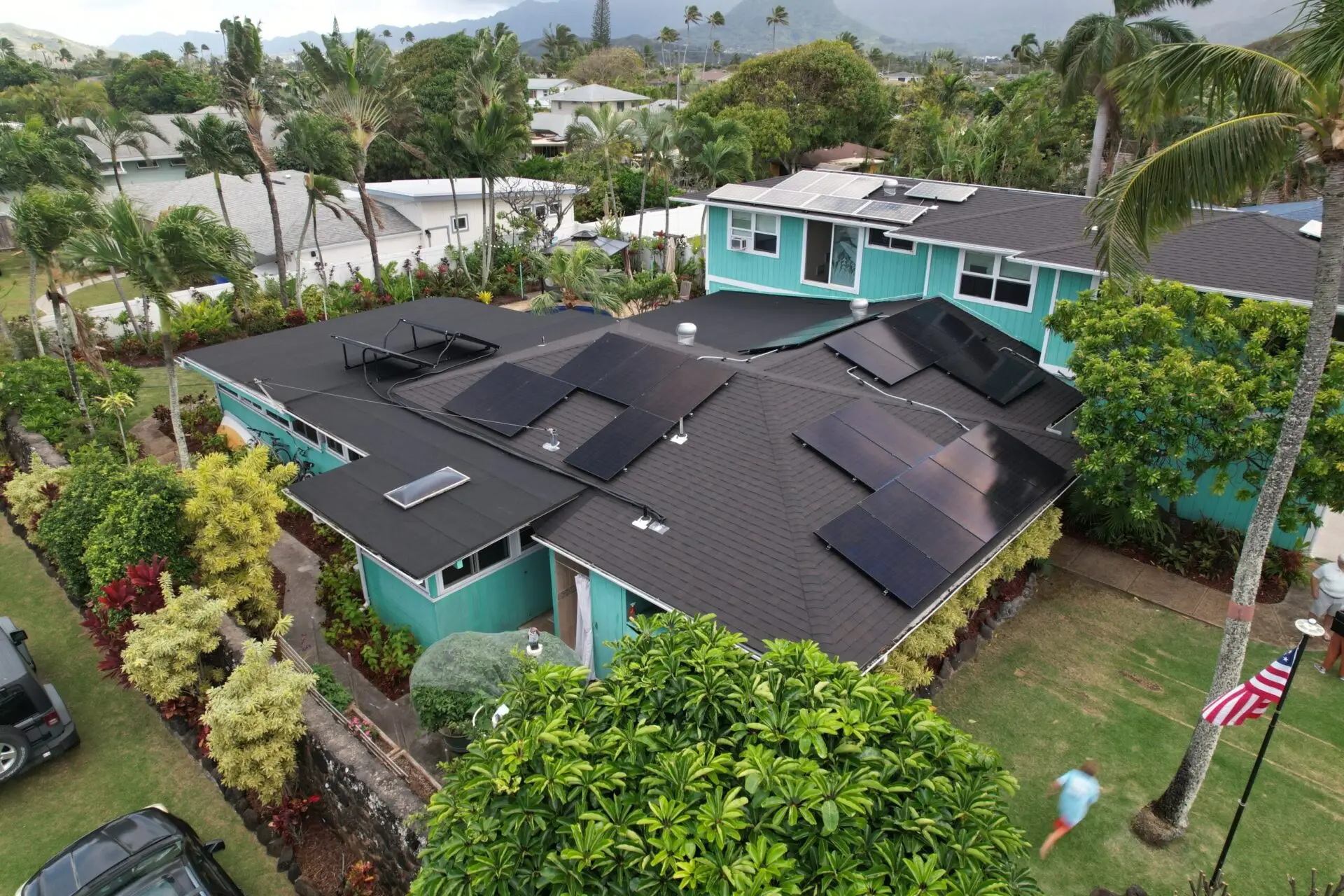
    If you’re replacing your roof, bundling with solar can be a cost-effective way to maximize your home’s energy efficiency while reducing long-term expenses. A new roof provides the perfect foundation for solar panels, ensuring durability and preventing costly reinstallation down the line.

    Benefits of Bundling Your Roof with Solar

    • $0 out-of-pocket financing options
    • Fixed, inflation-free monthly energy costs
    • Federal and state tax incentives reduce overall costs
    • Increased home value with an energy-efficient upgrade
    • Energy independence by generating your own power

    By bundling, homeowners can secure a locked-in monthly rate that is often lower than their current electricity bill. Plus, with federal and state funding covering up to 40% of the total project cost, bundling your roof with solar is a smart financial decision.

    Why Choose Attyx for Your Roofing Needs?

    At Attyx, we specialize in high-quality roofing solutions tailored for Hawaii’s climate. With our licensed, insured, and experienced team, we ensure superior workmanship and durable roofing materials that stand up to Hawaii’s elements.

    What Sets Attyx Apart?

    • Locally trusted and highly rated
    • Expertise in Hawaii-specific roofing solutions
    • Transparent pricing and detailed estimates
    • Excellent customer service and warranty options

    Final Thoughts

    Choosing the right roofer in Hawaii ensures a durable, long-lasting roof that protects your home and withstands the island’s harsh weather conditions. By focusing on licensing, experience, reputation, and warranty coverage, you can confidently select a roofing contractor that meets your needs.

    Want to bundle and save? Contact Attyx today for a consultation and expert roofing and solar solutions in Hawaii.

  • How Attyx Stands Out Among Home Improvement Companies

    How Attyx Stands Out Among Home Improvement Companies

    When it comes to home upgrades, choosing the right company makes all the difference. A home is one of the biggest investments a person can make, and ensuring it remains in top condition requires expert care, high-quality materials, and efficient service. That’s where Attyx excels- delivering exceptional home services tailored to homeowners’ needs. With a reputation for efficiency, quality, and customer satisfaction, they provide top-tier services, whether for roofing, solar installations, HVAC solutions, or general home improvements.

    Unmatched Speed and Efficiency

    One of the standout qualities of Attyx is the speed at which projects are completed. While some companies take weeks or even months, their streamlined process allows for rapid yet precise installations. Homeowners don’t have to endure long waiting times or drawn-out projects. Instead, they can expect timely installations without sacrificing quality. Whether it’s a new roof to protect the home, an energy-efficient HVAC system for year-round comfort, or a solar panel setup designed for maximum energy savings, every project is handled with speed and precision.

    Comprehensive Home Services

    From roofing to HVAC and solar, homeowners benefit from a one-stop solution for their needs. Services include:

    • Attyx Roofing: Durable materials and expert installation ensure a long-lasting, protective roof that enhances both function and curb appeal.
    • Attyx Solar: High-quality solar panels designed to maximize efficiency, lower energy costs, and provide long-term savings.
    • Attyx HVAC: Reliable heating and cooling solutions that enhance indoor comfort while improving energy efficiency.
    • General Home Improvements: A range of enhancements, from insulation to energy-efficient upgrades, designed to increase property value and optimize performance.

    Quality Craftsmanship and Materials

    Every project is completed with superior craftsmanship and top-grade materials. Homeowners can trust that their investment will stand the test of time. Whether it’s a new roof built to withstand harsh weather, a solar panel system designed to maximize energy efficiency, or an HVAC installation that ensures consistent climate control, quality is always the priority.

    Customer-Focused Approach

    Exceptional service goes beyond installation. From the moment a homeowner reaches out for a consultation to the final inspection, the team prioritizes clear communication, transparency, and customer satisfaction. Personalized consultations ensure that each homeowner gets solutions tailored to their specific needs, preferences, and budget. There are no hidden fees or surprises—just honest, expert service from professionals who care.

    Bundling for Maximum Savings

    For those looking to make multiple improvements at once, bundling services, such as combining a new roof with solar installation, can lead to substantial savings. This approach not only reduces labor costs but also ensures seamless integration of home upgrades for long-term benefits. By tackling multiple projects simultaneously, homeowners save time, money, and hassle while increasing the overall efficiency and value of their home.

    A Reliable Choice for Home Upgrades

    With a focus on efficiency, quality, and customer satisfaction, this home improvement provider sets itself apart from the competition. Whether upgrading a roof, switching to solar, or enhancing HVAC systems, homeowners can count on expert service tailored to their needs. The commitment to craftsmanship, speed, and long-term results makes them a trusted choice for home improvement projects of any scale.

    Ready to make a lasting investment in your home? Contact Attyx today to learn more about available services and customized solutions.

  • Attyx vs. Other Home Improvement Companies: What Sets Us Apart

    Attyx vs. Other Home Improvement Companies: What Sets Us Apart

    A Smarter Choice for Home Energy Efficiency and Comfort

    Choosing the right company for solar, HVAC, and home efficiency upgrades is an important decision. Home improvement projects are an investment, and the quality of service, expertise, and long-term value all play a role in ensuring you get the best return. Many companies offer solar panel installations, HVAC services, and energy efficiency upgrades, but not all provide the same level of expertise, transparency, and customer care.

    Attyx takes a comprehensive, customer-first approach to home improvements, offering expert guidance, quality installations, and long-term energy savings. Here’s how Attyx compares to other companies in the industry.

    Expertise and Specialization

    Many home improvement companies focus on a single service, such as solar installation or HVAC upgrades, often requiring homeowners to work with multiple providers for different energy-saving solutions. Attyx offers an integrated approach, specializing in solar, HVAC, and home energy efficiency.

    This means homeowners can bundle services for greater savings, a streamlined installation process, and improved home performance. Rather than piecing together solutions from different providers, Attyx ensures that all systems work together for maximum energy efficiency.

    Quality Workmanship and Industry Experience

    Some home improvement companies rely on subcontractors to handle installations, which can lead to inconsistencies in quality, delays, and miscommunication. Attyx prioritizes in-house expertise and certified technicians, ensuring:

    • Proper installation techniques that maximize energy efficiency
    • Compliance with local building codes and industry standards
    • Work backed by warranties and quality assurance

    Attyx professionals are trained in the latest technologies, from high-efficiency heat pumps to advanced solar energy systems. This level of technical expertise ensures that every system performs optimally for years to come.

    Customer-Centric Approach

    Many homeowners experience frustration with home improvement companies that prioritize sales over service. Common complaints include high-pressure sales tactics, vague pricing, and lack of follow-up after installation. Attyx takes a different approach, focusing on education, transparency, and long-term customer relationships.

    • No high-pressure sales tactics – Homeowners receive detailed information and options to make informed decisions.
    • Clear, upfront pricing – No hidden fees or surprise costs after installation.
    • Post-installation support – Ongoing maintenance and service options ensure long-term performance.

    Customers should feel empowered, not pressured, when making decisions about their home’s energy future.

    Energy Savings and Smart Home Integration

    While many companies install solar panels or HVAC systems, they often overlook how different energy systems work together. Attyx focuses on holistic solutions that integrate:

    • Solar energy systems with smart battery storage
    • High-efficiency HVAC systems for better heating and cooling performance
    • Energy audits and insulation upgrades to lower overall energy consumption

    Rather than just installing new equipment, Attyx ensures that every home upgrade works together for maximum efficiency and cost savings.

    Flexible Financing and Incentive Assistance

    One of the biggest concerns for homeowners investing in solar or HVAC upgrades is cost. Some companies offer financing but may have higher interest rates or hidden fees. Attyx provides flexible financing options tailored to each homeowner’s needs, helping make energy-efficient upgrades more accessible.

    Additionally, many companies do not assist customers in applying for federal, state, and local incentives. Attyx helps homeowners navigate available solar tax credits, utility rebates, and energy efficiency incentives, ensuring they maximize savings.

    Reliable Service and Long-Term Support

    Homeowners often encounter companies that disappear after installation, making it difficult to get follow-up service or repairs. Attyx prioritizes long-term customer support, offering:

    • Routine maintenance plans to extend the lifespan of HVAC and solar systems
    • Dedicated customer support for troubleshooting and service requests
    • Warranty-backed installations to provide peace of mind

    A successful home improvement project isn’t just about installation—it’s about ensuring ongoing performance and reliability.

    Making the Right Choice for Your Home

    When comparing Attyx to other home improvement companies, key differences stand out:

    • Expertise in both solar and HVAC, providing comprehensive energy solutions
    • In-house certified technicians for consistent quality and workmanship
    • Transparent pricing with no hidden fees or high-pressure sales tactics
    • Energy-saving solutions that integrate solar, HVAC, and smart home technologies
    • Ongoing customer support, maintenance, and warranty-backed services

    Choosing Attyx means investing in quality, efficiency, and long-term energy savings. Homeowners looking for a reliable, expert-driven approach to solar, HVAC, and energy efficiency improvements can trust Attyx to deliver exceptional results.

  • Maximizing Tax Credits With Bundled Home Improvements

    Maximizing Tax Credits With Bundled Home Improvements

    How to Take Advantage of Incentives for Energy-Efficient Upgrades

    Investing in energy-efficient home improvements can reduce utility bills, increase home value, and qualify for federal and state tax incentives. Many homeowners don’t realize that bundling multiple upgrades—such as solar panels, HVAC systems, and insulation—can maximize savings through tax credits and rebates.

    With the right strategy, homeowners in New York, Hawaii, North Carolina, and South Carolina can take advantage of federal incentives and state-specific programs to make their homes more efficient while lowering out-of-pocket costs.

    Understanding how these tax credits work, which home improvements qualify, and how to stack incentives can help homeowners maximize their investments.


    How Federal Energy Tax Credits Work

    The Inflation Reduction Act of 2022 (IRA) expanded energy efficiency tax credits, making it easier for homeowners to offset costs on qualifying home improvements.

    Key Federal Programs:

    Energy Efficient Home Improvement Credit (25C)

    • Covers 30% of the cost of eligible upgrades (up to a yearly cap).
    • Applies to HVAC systems, insulation, windows, doors, and home energy audits.

    Residential Clean Energy Credit (25D)

    • Covers 30% of the cost of solar panels, battery storage, and geothermal systems.
    • No annual limit; applies through 2032 before phasing out.

    High-Efficiency Electric Home Rebate Program

    • Provides income-based rebates for homeowners upgrading to heat pumps, electric panels, and insulation.
    • Rebate amounts vary based on household income and state implementation.

    Homeowners can combine multiple credits and rebates for maximum financial benefits by bundling home improvements.


    State Incentives: Maximizing Savings in Key Locations

    Beyond federal tax credits, many states offer additional rebates, incentives, and low-interest financing programs for energy-efficient home upgrades.

    California

    California leads the nation in renewable energy incentives, making it an ideal state for solar and energy-efficient home improvements.

    • Self-Generation Incentive Program (SGIP): Rebates for battery storage systems when paired with solar panels.
    • Tech Clean California: Offers incentives for heat pump water heaters and HVAC systems.
    • Property Assessed Clean Energy (PACE) Financing: Allows homeowners to finance upgrades with low-interest, long-term repayment plans.

    New York

    New York provides generous state tax credits and rebates to encourage energy efficiency.

    • NY-Sun Incentive Program: Reduces upfront costs of solar panel installations.
    • Home Performance with ENERGY STAR®: Rebates and low-interest loans for insulation, heat pumps, and HVAC upgrades.
    • NY State Solar Tax Credit: Offers an additional 25% tax credit (up to $5,000) for solar energy systems.

    Hawaii

    With high energy costs, Hawaii homeowners benefit significantly from solar and energy efficiency incentives.

    • Hawaii Renewable Energy Tax Credit: Covers 35% of the cost of a solar system, in addition to the federal 30% tax credit.
    • Battery Storage Incentives: Programs like the Battery Bonus provide rebates for adding battery storage to solar systems.
    • Hawaiian Electric Rebates: Cash-back offers for energy-efficient appliances and smart thermostats.

    North Carolina

    North Carolina has strong solar incentives and utility rebates that help homeowners lower costs.

    • Duke Energy Solar Rebates: Cash rebates for solar installations on homes and businesses.
    • Energy Conservation Rebates: Covers heat pumps, insulation, and smart thermostats.
    • Property Tax Exemption: Solar energy systems are exempt from property tax assessments.

    South Carolina

    South Carolina homeowners can benefit from both state and federal tax credits for energy-efficient home improvements.

    • South Carolina Solar Tax Credit: Covers 25% of the cost of a solar system, on top of the federal 30% credit.
    • Duke Energy & Santee Cooper Rebates: Offers cash incentives for heat pumps, smart thermostats, and energy audits.
    • Energy Efficient Manufactured Homes Incentive: Provides grants for upgrading insulation and HVAC systems in eligible homes.


    How Bundling Home Improvements Maximizes Tax Savings

    By combining multiple energy-efficient upgrades, homeowners can increase total tax credits and rebates while reducing long-term energy costs.

    Example of a Bundled Home Upgrade:

    A homeowner in California could install:

    • Solar panels (qualifies for 30% federal tax credit & SGIP rebate)
    • Battery storage (eligible for additional SGIP rebate)
    • Heat pump HVAC system (qualifies for Tech Clean CA incentives)
    • Insulation upgrades (eligible for federal Energy Efficient Home Improvement Credit)

    By bundling these improvements, they lower energy bills and maximize available state and federal incentives.


    Steps to Claim Energy Efficiency Tax Credits & Rebates

    1. Determine Eligibility – Check which home improvements qualify under federal and state programs.
    2. Work with Certified Installers – Many incentives require professional installation for eligibility.
    3. Keep Documentation – Save receipts, invoices, and manufacturer certifications for tax filing.
    4. File IRS Tax Forms – Use Form 5695 for federal energy tax credits when filing taxes.
    5. Apply for State & Utility Rebates – Some rebates require pre-approval before installation.

    Consulting an HVAC and solar professional can help homeowners navigate available incentives and ensure all possible savings are applied.


    Why Professional Installation Matters

    Many incentives require products to meet specific energy efficiency standards and be installed by licensed professionals. Working with a trusted HVAC and solar provider ensures:

    • Correct system sizing and installation for optimal energy savings.
    • Compliance with incentive program requirements to secure full benefits.
    • Long-term performance and warranty protection on new equipment.

    At Attyx, we help homeowners identify available tax credits, apply for rebates, and install energy-efficient solutions that maximize savings.


  • How to Choose a Roofer in California

    How to Choose a Roofer in California

    Finding a reliable roofing contractor in California is essential for protecting your home and ensuring a high-quality installation or repair. With so many options available, it’s important to know what to look for in a roofing professional. Whether you need a minor repair or a full roof replacement, here’s how to choose the best roofer for the job.

    Check for Proper Licensing and Insurance

    In California, roofing contractors must have a valid license issued by the California Contractors State License Board (CSLB). Before hiring a roofer, ask for their license number and verify it through the CSLB website. A licensed roofer meets state requirements and follows local building codes, ensuring compliance with safety regulations.

    Equally important is insurance coverage. A reputable roofing company should have:

    • Liability insurance – Protects your home from accidental damage during the project.
    • Workers’ compensation insurance – Covers injuries sustained by workers while on your property.

    Always ask for proof of both before signing a contract.

    Look for Experience and Local Expertise

    California’s diverse climate, from coastal moisture to inland heat, affects roofing materials and installation techniques. Hiring a roofer with experience in your region ensures they understand which materials work best for your area’s weather conditions.

    Additionally, a local roofing contractor will be familiar with building codes and permit requirements, helping you avoid costly delays or compliance issues.

    Read Reviews and Get References

    Customer reviews provide valuable insight into a roofer’s reputation. Check online platforms like Google Reviews, Yelp, and the Better Business Bureau (BBB) for feedback from past clients.

    In addition to reading reviews, ask the contractor for references. A reliable roofer should be able to provide a list of satisfied customers who can vouch for their workmanship and professionalism.

    Request a Detailed Written Estimate

    Before making a decision, obtain estimates from multiple roofing companies. A professional roofer will provide a detailed, written estimate outlining:

    • Material costs
    • Labor charges
    • Project timeline
    • Warranty details
    • Cleanup and disposal fees

    Be cautious of significantly low bids, as they may indicate the use of substandard materials or unqualified labor. A fair and transparent estimate ensures there are no hidden costs or surprises during the project.

    Ask About Warranties

    A quality roofing contractor should stand behind their work. Make sure to ask about:

    • Material warranties – Covers manufacturer defects in roofing materials.
    • Workmanship warranties – Ensures protection against improper installation.

    Warranties provide peace of mind, ensuring your investment is protected for years to come.

    Choose a Roofer with Clear Communication

    Effective communication is key to a smooth roofing project. A trustworthy contractor should be responsive, answer your questions clearly, and keep you informed throughout the whole process. If a roofer is difficult to reach or vague about project details, it may be a red flag.

    Conclusion

    Choosing the right roofer in California ensures your home is protected with a durable, well-installed roof. By verifying licenses, checking reviews, and requesting detailed estimates, you can confidently select a contractor who meets your needs.

    If you’re looking for a trusted roofing professional, Attyx specializes in high-quality residential roofing across California. Contact Attyx today to learn more about how we can help with your next roofing project.

  • How to Choose a Roofer in Virginia

    How to Choose a Roofer in Virginia

    Choosing the right roofer in Virginia is a crucial decision for homeowners. Whether you’re dealing with storm damage, an aging roof, or planning a new installation, finding a reliable contractor ensures quality work and long-term protection for your home. With Virginia roofing needs varying by region and climate, it’s essential to choose a contractor with the right expertise. Here’s what to look for when selecting a roofer in Virginia.

    Verify Licensing and Insurance

    In Virginia, roofing contractors must have a Class A, B, or C contractor’s license from the Virginia Department of Professional and Occupational Regulation (DPOR). Before hiring, ask for their license number and verify it on the DPOR website.

    Additionally, make sure your roofer carries:

    • General liability insurance – Protects against accidental damage to your home.
    • Workers’ compensation insurance – Covers employee injuries, reducing your liability.

    Working with a licensed and insured contractor protects both you and your property.

    Look for Experience with Virginia’s Weather Conditions

    Virginia’s diverse climate, with its hot and humid summers and cold, snowy winters, places unique demands on roofing structures. These roofs need to be resilient enough to endure not only extreme temperature fluctuations but also heavy rainfall and the occasional hurricane.

    Choosing a local roofing contractor familiar with the specific challenges posed by your region’s climate is essential. They can advise you on the most suitable roofing materials for your area, whether it’s asphalt shingles, metal roofing, or slate tiles, each with its own advantages and disadvantages in terms of durability, cost, and aesthetic appeal.

    Additionally, a local roofer will be well-versed in Virginia’s building codes and permit requirements. They can navigate the complexities of the permitting process, ensuring that your roofing project complies with all local regulations and standards, saving you time and potential legal hassles..

    Check Reputation and Reviews

    One of the best ways to gauge a roofer’s reliability is through customer feedback. Check reviews on:

    • Google
    • Yelp
    • Better Business Bureau (BBB)
    • Local Facebook groups

    Look for consistent positive feedback regarding workmanship, professionalism, and communication. Also, ask the roofer for references from past clients who can speak to their experience.

    Compare Estimates and Contracts

    Reputable Virginia roofing contractors will provide a detailed written estimate before starting any work. This should include:

    • A breakdown of material and labor costs
    • Project timeline
    • Payment terms
    • Warranty details
    • Cleanup and debris removal policies

    Avoid any contractor who pressures you into a quick decision or refuses to put details in writing. Transparency is key to avoiding unexpected costs later.

    Ask About Warranties and Workmanship Guarantees

    A reliable roofer will stand by their work. Always ask about:

    • Manufacturer warranties – Covers defects in roofing materials.
    • Workmanship warranties – Protects against installation errors.

    Knowing your roof is backed by strong warranties gives you peace of mind.

    Consider Local Expertise and Community Reputation

    Local Virginia roofing companies often have stronger ties to the community and a reputation to uphold. They are more likely to provide personalized service and be available for future maintenance or repairs.

    Unlike out-of-state contractors who show up after a storm and disappear, a trusted Virginia-based roofer will be there when you need them.

    Conclusion

    Finding the right roofer in Virginia involves research and careful consideration. By verifying licenses, checking reviews, and comparing detailed estimates, you can confidently choose a contractor who will provide high-quality, long-lasting results.

    Don’t trust your roof to just any contractor. Contact Attyx, an experienced and trusted roofing professional, today for a free consultation and discover why we are the preferred choice for residential Virginia roofing. Our team is ready to discuss your roofing needs and provide you with a comprehensive solution that exceeds your expectations.

  • Ultimate Guide to Replacing Your HVAC System in 2025

    Ultimate Guide to Replacing Your HVAC System in 2025

    Replacing your HVAC system is more than an upgrade—it’s an investment in comfort, efficiency, and long-term savings. With evolving technologies and updated environmental standards, 2025 is the perfect year to explore advanced options. At Attyx, we’re here to guide you every step of the way with tailored solutions and expert care.


    Why Replace Your HVAC in 2025?

    The HVAC industry is advancing rapidly, offering systems that outperform older models in energy efficiency, sustainability, and smart features. Here’s why 2025 is the ideal time to upgrade:

    1. Energy Efficiency That Saves You More
      Modern HVAC systems are designed to meet stringent energy standards, reducing your utility bills and your carbon footprint.
    2. Eco-Friendly Innovations
      New refrigerants like R-32 and R-454B minimize environmental impact while complying with global environmental regulations.
    3. Enhanced Comfort Features
      Smart thermostats, zoned climate control, and advanced air filtration are just some of the features improving modern systems.


    Signs It’s Time to Replace Your HVAC

    Not sure if it’s time for a replacement? Look for these common indicators:

    • Age of Your System: Systems over 10–15 years old often cost more in repairs and inefficiency than replacement.
    • Frequent Repairs: Recurring breakdowns are a sign your system is struggling to keep up.
    • Rising Energy Bills: An aging system is less efficient, leading to higher monthly costs.
    • Uneven Heating or Cooling: If your home has inconsistent temperatures, it’s time for a professional assessment.


    Choosing the Right HVAC System

    Selecting the right system is essential to meeting your comfort and efficiency needs.

    Types of Systems

    • Central Air Conditioning: Delivers consistent cooling and heating throughout your home.
    • Ductless Mini-Splits: Perfect for zone-specific comfort without the need for ductwork.
    • Heat Pumps: Provide both heating and cooling, often more energy-efficient than traditional options.
    • Geothermal Systems: Harness the earth’s energy for the highest levels of efficiency and sustainability.

    Key Considerations When Upgrading

    • System Size: Proper sizing ensures efficiency and comfort. Attyx professionals can help you choose the right capacity for your home.
    • Efficiency Ratings: Look for high SEER (cooling) and HSPF (heating) ratings to maximize energy savings.
    • Future-Proof Refrigerants: Opt for systems that use environmentally friendly refrigerants to stay compliant with upcoming standards.


    The HVAC Replacement Process with Attyx

    Upgrading your system doesn’t have to be overwhelming. At Attyx, we make the process seamless:

    1. Initial Assessment
      Our certified experts evaluate your home’s size, energy needs, and existing system to recommend the best options.
    2. Customized System Selection
      Choose from top-tier systems that match your lifestyle, energy goals, and budget.
    3. Professional Installation
      Attyx ensures precision installation to optimize system performance and durability.
    4. Final Testing & Calibration
      We test and fine-tune your new system, ensuring it performs efficiently from day one.


    Cost Factors to Consider

    Several factors impact the cost of your new HVAC system:

    • Type of System: High-efficiency models may have a higher upfront cost but deliver long-term savings.
    • Home Size & Layout: Larger homes require more robust systems for adequate heating and cooling.
    • Ductwork Updates: Repairs or modifications to existing ducts may add to the cost.
    • Available Incentives: Take advantage of 2025 rebates, tax credits, and financing options to offset your investment.


    Maintaining Your New HVAC System

    Once your new system is in place, regular maintenance ensures it operates at peak efficiency:

    • Replace Filters Regularly: Clean filters maintain airflow and indoor air quality.
    • Schedule Annual Tune-Ups: Preventive maintenance by Attyx experts extends the life of your system.
    • Use Smart Technology: Smart thermostats and apps help you monitor performance and optimize energy use.

    Why Choose Attyx for Your HVAC Upgrade?

    Attyx specializes in innovative HVAC solutions tailored to your home and lifestyle. From selecting the perfect system to expert installation and maintenance, we’re committed to making your upgrade seamless and stress-free. Plus, when you bundle your HVAC upgrade with solar, you can lock in lower energy costs and reduce your reliance on utility companies.

    Ready to enhance your home’s comfort and efficiency? Contact Attyx today to explore bundling options and maximize your savings.

  • What It’s Costing You to NOT Replace Your HVAC

    What It’s Costing You to NOT Replace Your HVAC

    Your HVAC system is the unsung hero of your home, working tirelessly to keep you comfortable year-round. But like any major appliance, it doesn’t last forever. If you’ve been postponing replacing your aging HVAC system, you might be paying more than you realize.

    Rising Energy Costs

    An outdated HVAC system is often an inefficient one. As systems age, their ability to regulate temperature and consume energy diminishes. This leads to:

    • Higher Utility Bills: Older units work harder to maintain the same temperature, using more energy in the process.
    • Inconsistent Comfort: Struggling units can leave some rooms too hot or too cold, making your home less enjoyable.

    By upgrading to a modern, energy-efficient system, you can significantly lower your energy consumption and your utility bills.

    Frequent Repairs

    Aging HVAC systems often come with a hidden price tag: repair costs. Here’s why those frequent fixes may not be worth it:

    • Mounting Expenses: Small repairs can quickly add up, sometimes surpassing the cost of a new unit.
    • Uncertainty: Even after a repair, an older system is more likely to break down again, often at the worst possible time.
    • Limited Lifespan: If your system is nearing the end of its typical 10-15 year lifespan, repairs are only a temporary fix.

    Replacing your HVAC eliminates the guesswork and long-term financial drain of constant repairs.

    Poor Indoor Air Quality

    Your HVAC does more than control temperature; it also plays a crucial role in maintaining healthy air quality. Older systems often struggle to effectively filter dust, allergens, and pollutants. This can lead to:

    • Health Issues: Poor air quality can intensify allergies, asthma, and other respiratory problems.
    • Excess Humidity or Dryness: Failing systems may not regulate humidity properly, leading to mold growth or excessively dry air.

    A modern HVAC system can improve your home’s air quality, providing a healthier environment for you and your family.

    Environmental Impact

    Running an outdated, inefficient HVAC system doesn’t just cost you more; it also takes a toll on the environment. Newer systems use less energy and rely on eco-friendly refrigerants, helping to reduce your carbon footprint.

    By replacing your old unit, you’re not only saving money but also contributing to a more sustainable future.

    Decreased Home Value

    An outdated HVAC system can deter potential buyers if you plan to sell your home. Modern, energy-efficient systems are a desirable feature and can:

    • Increase Your Home’s Appeal: Buyers are more likely to choose a home with a reliable HVAC system.
    • Justify Higher Asking Prices: A new HVAC system can be a strong selling point, offsetting replacement costs in the sale price.

    The Bottom Line

    Delaying the replacement of your HVAC system can cost you in more ways than one. From rising energy bills to frequent repairs, poor air quality, and environmental impact, the hidden costs add up quickly. 

    If your HVAC system is showing its age, it might be time to consider an upgrade. A new system can save you money, improve your comfort, and even increase your home’s value. And when you bundle your HVAC upgrade with solar, you can take those savings even further by reducing your reliance on utility companies and locking in lower energy costs.


    Looking for expert guidance? Attyx is here to help. Contact us today to explore energy-efficient options tailored to your needs.