LGCY Home Services

Blog

  • Top Solar Panel Brands

    Top Solar Panel Brands

    As the push for renewable energy continues to grow, more homeowners are considering solar panels for homes and solar installation as a sustainable and cost-effective solution.

    But with so many options available, how do you choose the right brand and determine how many solar panels you need for your home?

    Let’s review and compare leading solar panel brands, highlighting their features, pros, and cons.

    Whether you’re looking for the most efficient, the most durable, or the best solar panels for your money, ATTYX is here to help you make an informed decision.

    Why Invest in Solar Panels for Homes?

    Before diving into the reviews, let’s briefly discuss why solar panels for homes are a smart investment and why solar panel efficiency matters.

    Solar panels from a top solar brand can significantly reduce your electricity bills, increase your home’s value, and contribute to a greener environment by reducing your carbon footprint. Having solar panels installed can maximize these benefits.

    With advancements in solar technology and solar installation, it’s now easier and more affordable than ever to harness the power of the sun with solar panels for homes by working with a professional solar installer.

    Top Solar Brands for Residential Use

    1. SunPower

    Features:

    • Efficiency: SunPower solar panels are known for their high efficiency, with some models exceeding 22% efficiency rates, showcasing exceptional solar panel efficiency.
    • Durability: These solar panels are designed to withstand harsh weather conditions, including high winds and heavy snow loads.
    • Warranty: SunPower offers an industry-leading 25-year warranty on both product and performance.

    Pros:

    • High efficiency means more energy production even in limited space.
    • Excellent durability ensures a longer lifespan.
    • Comprehensive warranty provides peace of mind.

    Cons:

    • Higher cost compared to other brands.
    • Limited availability in some regions.

    2. LG Solar

    Features:

    • Efficiency: LG solar panels offer impressive efficiency rates, typically around 20-21%.
    • Design: Sleek, black solar panels that blend seamlessly with your roof.
    • Warranty: LG provides a 25-year warranty on product and performance.

    Pros:

    • High efficiency and aesthetically pleasing design.
    • Strong warranty coverage.
    • Reliable performance and customer support.

    Cons:

    • Slightly more expensive than average solar panels.
    • Availability can be limited in certain areas.

    3. Panasonic

    Features:

    • Efficiency: Panasonic solar panels are known for their high efficiency, often reaching up to 20%.
    • Temperature Coefficient: Excellent performance in high temperatures, maintaining efficiency better than many competitors.
    • Warranty: Panasonic offers a 25-year warranty on product and performance.

    Pros:

    • High efficiency with excellent temperature performance.
    • Strong warranty and reputation for reliability.
    • Good value for money.

    Cons:

    • Slightly lower efficiency compared to SunPower.
    • Solar panels may be bulkier than some competitors.

    4. Canadian Solar

    Features:

    • Efficiency: Canadian Solar panels offer efficiency rates around 18-20%.
    • Affordability: Known for providing good quality at a lower price point.
    • Warranty: Offers a 25-year performance warranty and a 12-year product warranty.

    Pros:

    • Affordable pricing makes solar accessible to more homeowners.
    • Good efficiency and performance.
    • Reliable and well-established brand.

    Cons:

    • Slightly lower efficiency compared to premium brands.
    • Shorter product warranty compared to some competitors.

    5. Trina Solar

    Features:

    • Efficiency: Trina Solar panels offer efficiency rates around 19-20%.
    • Innovation: Known for continuous innovation and improving solar technology.
    • Warranty: Provides a 25-year performance warranty and a 10-year product warranty.

    Pros:

    • Competitive pricing with good efficiency.
    • Strong track record of innovation and reliability.
    • Good warranty terms.

    Cons:

    • Lower product warranty compared to premium brands.
    • May not be as aesthetically pleasing as some other brands.

    Choosing the Best Solar Panels for Your Home

    When selecting the best solar panel brand for your home, consider the following factors, and ensure you choose from reputable solar panel brands that offer quality solar installation with an experienced solar installer:

    Efficiency

    Higher-efficiency panels produce more energy, which is crucial if you have limited roof space. Understanding solar panel efficiency will help you make the best choice.

    Cost

    While high-efficiency solar panels tend to be more expensive, brands like Canadian Solar and Trina Solar provide a good balance between solar panels cost and performance.

    Warranty

    A longer warranty period can provide peace of mind and assurance of the solar panel’s longevity. SunPower, LG, and Panasonic offer excellent warranty terms.

    Aesthetics

    If the look of your solar panels is important, brands like LG offer sleek designs that can blend seamlessly with your roof.

    Environmental Impact

    Choosing a brand committed to sustainability can further reduce your carbon footprint. Research the environmental practices of each brand to make an informed decision.

    Why Choose ATTYX for Your Solar Panel Installation?

    At ATTYX, we understand the importance of choosing the right solar panels for homes.

    Our team of experts is dedicated to providing personalized recommendations based on your unique needs and preferences. Here’s why ATTYX is your ideal partner to install solar panels and for solar panel installation:

    1. Expertise and Experience

    Our team of seasoned professionals brings a wealth of experience in solar technology and installation. We stay updated with the latest advancements to ensure you receive the best service.

    2. Customer-Centric Approach

    We prioritize your satisfaction from start to finish. From the initial consultation to the final installation, we provide transparent communication and personalized service.

    3. Quality Products

    ATTYX partners with leading solar companies to offer high-quality, reliable systems that meet the highest standards of efficiency and durability.

    4. Comprehensive Services

    Beyond solar panel installation, ATTYX offers a range of home improvement services, including roofing and HVAC upgrades, to enhance your home’s efficiency and comfort.

    5. Satisfaction Guarantee

    Your satisfaction is our priority. We stand behind our work and offer a satisfaction guarantee to ensure you are completely happy with your new solar panel system.

    Ready to Go Solar?

    If you’re ready to invest in solar panels for your home, ATTYX is here to guide you every step of the way. With our expertise, customer-centric approach, and quality products, we make the transition to solar energy smooth and stress-free.

    Contact us today at ATTYX to schedule your consultation and take the first step towards a more efficient, sustainable, and cost-effective home.
     

  • HVAC Maintenance Tips: How to Keep Your System Running Smoothly

    HVAC Maintenance Tips: How to Keep Your System Running Smoothly

    HVAC Maintenance Tips: How to Keep Your System Running Smoothly

    When it comes to home comfort, your HVAC system, including your air conditioner, is the unsung hero. It works tirelessly to keep you warm in winter and provide cool air in summer.

    But, like any hardworking piece of equipment, it needs some TLC. ATTYX is here to help with tips on how to keep your HVAC system running smoothly with proper HVAC maintenance.

    Picture this: It’s the hottest summer day, and your air conditioner suddenly decides to take a break. It’s not a pleasant scenario.

    Regular HVAC upkeep, including your air conditioner, can prevent these inconvenient breakdowns and extend the life of your system. Consistent HVAC maintenance is key to avoiding such issues.

    In this guide, we’ll explore essential tips for maintaining your HVAC and air conditioning system, ensuring it performs at its best when you need it the most.

    Why Regular HVAC System Upkeep is Essential

    Regular HVAC upkeep isn’t just about avoiding surprise repairs—it’s about efficiency, cost savings, and longevity. A well-maintained heating and cooling system, including your HVAC unit, uses less energy, leading to lower utility bills and improved system efficiency.

    Moreover, it ensures your home remains comfortable throughout the year, especially during peak air conditioning months. Let’s look at the key areas you should focus on:

    1. Change Your Air Filter Regularly

    One of the simplest yet most crucial HVAC maintenance tasks is changing your air filters. A dirty air filter can restrict airflow, making your heating and cooling system work harder and less efficiently.

    Aim to change your filters every 1-3 months, depending on your household’s needs. For homes with pets or allergy sufferers, more frequent changes might be necessary.

    2. Keep the Outdoor Unit Clean

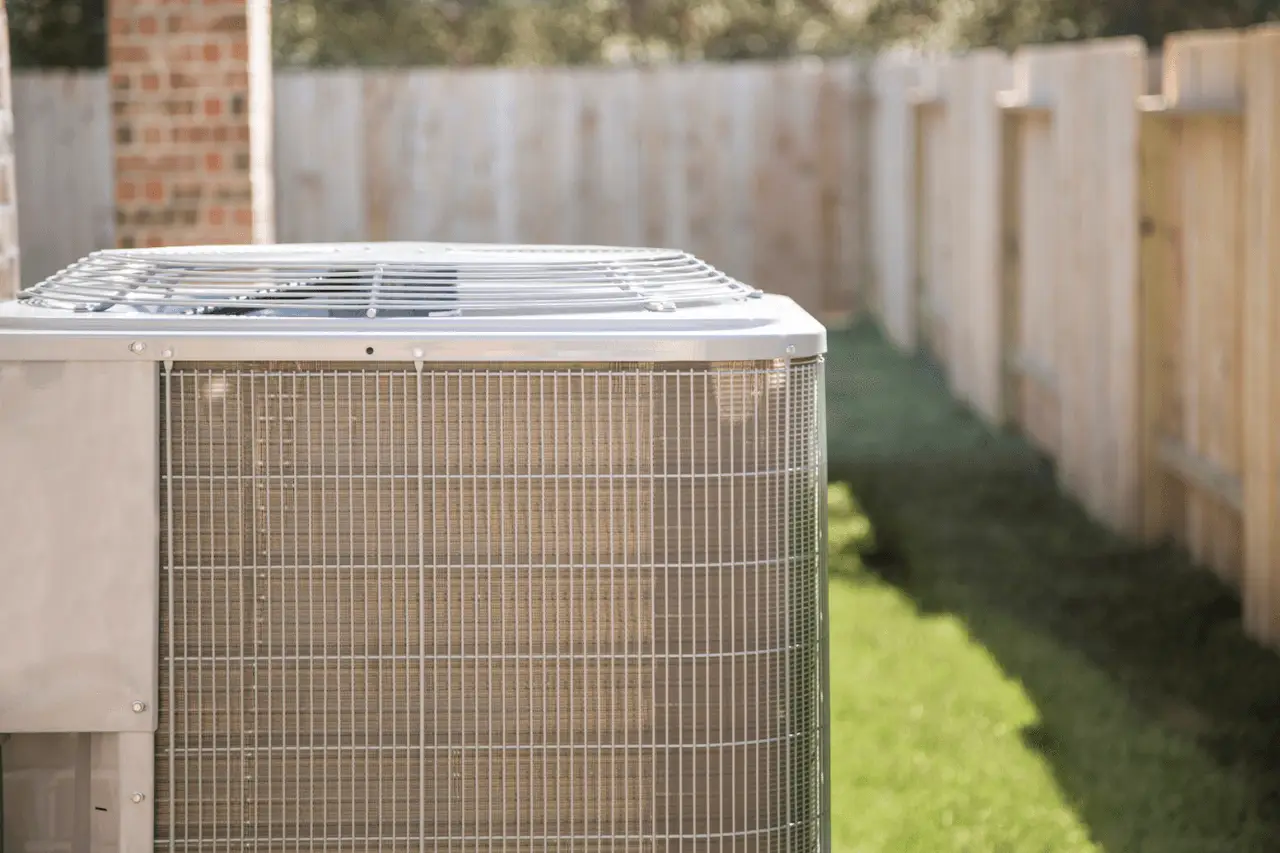
    Your outdoor HVAC unit, also known as the condenser, needs to be free of debris to function properly. Leaves, dirt, and grass clippings can accumulate and obstruct airflow.

    Make it a habit to check your outdoor HVAC unit regularly and clear any debris. Additionally, give it a gentle wash with a garden hose every few months to keep your central air conditioner clean.

    3. Schedule Professional Maintenance

    While DIY maintenance is essential, some tasks require a professional touch. Schedule a professional HVAC inspection and tune-up at least once a year.

    A trained technician can spot potential issues before they become major problems and ensure your HVAC unit is running efficiently.

    4. Check and Clean the Coils

    The coils in your HVAC system, both evaporator and condenser, play a critical role in heat exchange. Over time, these coils can get dirty, reducing their efficiency.

    During your annual professional maintenance, ensure the technician checks and cleans these coils.

    5. Inspect and Clean the Ductwork

    Leaky or dirty ductwork can significantly impact your HVAC system’s performance. Inspect your ductwork for any visible signs of leaks or damage.

    Additionally, consider professional duct cleaning every few years to remove dust and debris buildup that can restrict airflow.

    6. Monitor Thermostat Settings

    Your thermostat settings can impact your HVAC system’s workload. During the summer, keep your thermostat at around 78°F when you’re home and 85°F when you’re away.

    In the winter, aim for 68°F when home and lower when you’re out. Programmable or smart thermostats can help automate these settings, ensuring energy efficiency without manual adjustments to your heating and cooling system.

    Extra Tips for Optimal Heating and Cooling System Performance

    In addition to the basics, here are a few extra tips to keep your HVAC system in top shape. These additional HVAC maintenance practices will ensure your system operates efficiently and lasts longer;

    7. Ensure Proper Insulation

    Good insulation keeps the heat in during winter and out during summer, reducing the burden on your HVAC system. Check your home’s insulation, particularly in the attic and walls, and upgrade if necessary.

    8. Seal Windows and Doors

    Drafty windows and doors can lead to significant energy loss. Inspect and seal any gaps or cracks to keep your home airtight and reduce the load on your HVAC system.

    9. Use Ceiling Fans Wisely

    Ceiling fans can help circulate air and make your home feel more comfortable, reducing the load on your air conditioning system. In the summer, set them to spin counterclockwise to create a cooling breeze. In winter, switch them to clockwise to distribute warm air more evenly.

    10. Be Mindful of Your Vents

    Blocked or closed vents can disrupt airflow and force your HVAC system to work harder. Ensure all vents are open and unobstructed by furniture or curtains.

    Maintaining your HVAC system doesn’t have to be a daunting task. With these practical HVAC maintenance tips, you can keep your system running smoothly, extend its lifespan, and ensure your home remains comfortable year-round.

    Remember, regular HVAC upkeep is an investment in your home’s comfort and energy efficiency. So, take the time to care for your system—your future self will thank you!


  • How Solar Energy Works: A Comprehensive Guide

    How Solar Energy Works: A Comprehensive Guide

    As renewable energy sources gain popularity, solar energy technologies such as photovoltaics are among the most efficient and accessible options. But how exactly does solar energy work? Our comprehensive guide will walk you through the basics, explaining how solar energy systems function by converting energy from the sun into power, the role of photovoltaic cells, and the importance of inverters.

    The Basics of Solar Energy

    At its core, solar energy involves converting sunlight into electrical energy. This process begins when sunlight strikes the earth’s surface and is then captured by solar panels composed of numerous photovoltaic (PV) cells. These cells are the heart of any solar energy system.

    Photovoltaic Cells

    Solar cells, commonly known as photovoltaic (PV) cells, are the building blocks of solar panels. Each solar cell is made from semiconductor materials, typically silicon. Here’s how they work:

    • Sunlight Absorption: When sunlight hits the PV cells, it is absorbed by the semiconductor material.
    • Electron Excitation: The absorbed light energy excites electrons in the semiconductor, causing them to move.
    • Electrical Current Generation: This movement of electrons creates an electrical current, which is then harnessed and directed for use.

    Each PV cell generates a small amount of electricity. When combined in a solar panel, many cells can produce a significant amount of power.

    Solar Panels

    Photovoltaic systems consist of multiple PV cells connected in series and parallel configurations to form a module. These panels are mounted on rooftops, ground mounts, or other structures where they can receive optimal sunlight exposure.

    The Role of Inverters

    The electrical energy generated by PV cells is direct current (DC). However, most household appliances and the electrical grid operate on alternating current (AC). This is where inverters come into play.

    Inverter Functions:

    • DC to AC Conversion: Inverters convert the DC electricity produced by the solar panels into AC electricity, making it usable for home appliances and compatible with the grid.
    • Monitoring and Control: Modern inverters also monitor the solar energy system’s performance, ensuring optimal operation and providing data on energy production.
    • Safety Mechanisms: Inverters include safety features that protect the system from power surges and other electrical issues.

    Types of Solar Energy Systems

    Electricity generation through solar energy systems can be categorized into three main types:

    Concentrating solar-thermal power (CSP) systems use mirrors to concentrate sunlight onto receivers to collect solar energy and convert it to heat, which can then be used to produce electricity or stored for later use, primarily in giant power plants.

    1. Grid-Tied Systems

    These systems are connected to the local electric grid. They allow homeowners to use solar power during the day and draw electricity from the grid when solar energy is insufficient, such as at night or during cloudy days.

    • Advantages: Lower initial costs, ability to sell excess power back to the grid (net metering), reliable backup from the grid.
    • Disadvantages: Dependency on the grid, no power during grid outages unless coupled with battery storage.

    2. Off-Grid Systems

    Off-grid systems are not connected to the utility grid. They rely entirely on solar power and often include battery storage to ensure a continuous power supply.

    • Advantages: Complete energy independence, no utility bills, valid in remote locations.
    • Disadvantages: Higher initial costs due to batteries and a need for careful energy management to avoid power shortages.

    3. Hybrid Systems

    Hybrid systems combine the features of grid-tied and off-grid systems. They are connected to the grid but include battery storage to provide power during outages and store excess energy.

    • Advantages: Flexibility, reliable power supply, reduced reliance on the grid.
    • Disadvantages: Higher initial costs due to the inclusion of batteries.

    Factors Affecting Solar Energy Efficiency

    Solar technologies convert sunlight into electrical energy, and several factors can influence the efficiency and effectiveness of a solar energy system:

    1. Location and Sunlight Exposure: The amount of sunlight that strikes the earth’s surface at your location directly impacts the efficiency of your solar panels. When the sun shines onto the solar panels, it interacts with semiconductor materials to create a flow of electrical energy. Areas with abundant sunshine generate more solar power.
    2. Panel Orientation and Angle: Solar panels should be oriented and angled to maximize exposure to sunlight. In the Northern Hemisphere, panels should generally face south and be tilted at an angle equal to the location’s latitude.
    3. Shade and Obstructions: Shade from trees, buildings, or other structures can significantly reduce the efficiency of solar panels. Ensuring minimal shading throughout the day is crucial for optimal performance.
    4. Panel Maintenance: Keeping solar panels clean and free of debris is essential. Dirt, dust, and leaves can block sunlight and reduce the panels’ efficiency.

    The Importance of Solar Energy

    Solar energy is one of the most abundant and accessible forms of renewable energy. The sunlight striking the earth quickly can fulfill the entire world’s energy consumption for a year. It provides a clean, sustainable way to generate electricity without the harmful emissions of fossil fuels. We can reduce our carbon footprint and contribute to a healthier environment by harnessing solar energy. Adopting solar energy systems also promotes energy independence and can significantly save energy bills over time.

    Exploring Renewable Energy Sources

    While solar energy is a significant player in the renewable energy sector, it is part of a broader spectrum of renewable energy sources. These include wind power, hydropower, geothermal energy, and biomass. Each of these sources has its unique advantages and applications. For instance, wind power harnesses the energy of moving air to generate electricity, while hydropower uses the energy of flowing water. Geothermal energy taps into the heat stored beneath the Earth’s surface, and biomass converts organic materials into energy. These renewable energy sources offer diverse and sustainable solutions to meet the world’s growing energy needs.

    Maximizing the Benefits of Solar Energy

    To get the most out of your solar energy system and generate electricity efficiently, consider the following tips:

    1. Conduct an Energy Audit: Conduct an energy audit before installing a solar system to understand your energy usage patterns. This will help you determine the right system size and capacity.
    2. Invest in High-Quality Panels and Inverters: Quality matters regarding solar components. Investing in high-quality panels and inverters ensures better performance and longevity.
    3. Monitor Your System: Regularly monitor your solar energy system to track its performance. Many modern inverters come with monitoring apps that provide real-time energy production and usage data.
    4. Plan for Future Expansion: If you anticipate increased energy needs in the future, plan your system accordingly. This might involve installing a more extensive system or ensuring your current setup can be easily expanded.

    By learning about photovoltaic cells, inverters, and the different types of solar energy systems, you can make informed decisions and maximize the benefits of solar power. Whether you want to reduce your carbon footprint or energy costs, a well-designed solar energy system can help you achieve your goals.

  • Understanding Solar Panel Efficiency: Measurement, Factors, and Maximization Tips

    Understanding Solar Panel Efficiency: Measurement, Factors, and Maximization Tips

    Solar panels have become a popular choice for eco-conscious homeowners and businesses as the world turns towards renewable energy. Solar power is crucial in household energy consumption, offering a sustainable and efficient alternative to traditional energy sources. But how do you know if your solar energy system performs at its best? Understanding solar panel efficiency is key. Learn more about how solar panel efficiency is measured, the factors that affect it, and provide tips to maximize your panels’ performance.

    How Solar Panel Efficiency is Measured

    Solar panel efficiency refers to the ability of a solar panel to convert sunlight into usable electricity. Not all solar panels are equally efficient in this conversion, so it’s important to consider the overall expected output and efficiency when choosing a model. It’s expressed as a percentage and calculated by comparing the solar panel output to the amount of solar energy it receives. Here’s a basic formula:

    Efficiency (%) = (Electrical output (Watts) / Solar input (Watts)) x 100

    For example, if a solar panel produces 200 watts of electricity from 1000 watts of sunlight, its efficiency is 20%.

    Factors Affecting Solar Panel Efficiency

    Several factors influence the efficiency of solar panels, including the type of solar cell technology used. Advanced solar cell technology, such as monocrystalline or polycrystalline silicon cells, thin-film solar cells, or multi-junction cells, can achieve higher efficiencies than traditional silicon PV cells. Upgrading to an intelligent inverter with advanced features like maximum power point tracking (MPPT) can enhance the overall system performance of individual solar panels by allowing each panel to operate at its highest efficiency.

    1. Type of Solar Cells and Technology

    The type of solar cell used in the panel significantly affects efficiency. There are three main types of solar cells:

    • Monocrystalline: These cells are made from a single crystal structure and typically offer the highest efficiency rates, around 15-20%.
    • Polycrystalline: Made from multiple crystal structures, polycrystalline cells are less efficient than monocrystalline cells, with efficiency rates of 13-16%.
    • Thin-film: These are the least efficient, with rates between 10% and 12%, but they are cheaper and more flexible.

    2. Temperature

    Solar panels are more efficient at lower temperatures. High temperatures can reduce their efficiency, which is why proper ventilation and placement are crucial.

    3. Angle and Orientation

    The angle and orientation of your solar panels relative to the sun play a critical role in their efficiency. Ideally, panels should be oriented to receive maximum sunlight throughout the day.

    4. Shading and Dirt

    Shading from trees, buildings, or other obstructions can significantly reduce solar panels’ electricity. Dirt, dust, and debris on the panels can also block sunlight and decrease performance.

    5. Age of the Panels

    Like most technologies, solar panels degrade over time. The efficiency of solar panels typically decreases by about 0.5-1% per year.

    Tips to Maximize Solar Panel Efficiency

    Maximizing your solar panels’ efficiency involves proper solar installation and ongoing maintenance. Here are some tips:

    1. Choose High-Efficiency Panels: Investing in the most efficient solar panels may have a higher upfront cost, but it can pay off in the long run with greater energy production and savings.
    2. Optimize Panel Placement: Ensure your panels are installed at the optimal angle and orientation for your location. In the Northern Hemisphere, this generally means facing south at an angle equal to your latitude.
    3. Keep Panels Clean: Regularly clean your solar panels to remove dirt, dust, and debris. This ensures they receive maximum sunlight and operate at peak efficiency.
    4. Minimize Shading: Trim trees and remove obstructions that cast shadows on your solar panels. Even partial shading can significantly reduce the output.
    5. Monitor Performance: Use monitoring systems to keep track of your solar panel system’s performance. This can help you identify and address any issues promptly.
    6. Maintain Proper Ventilation: Ensure adequate airflow around your panels to prevent overheating. Installing them on a raised mount can help with this.
    7. Schedule Regular Maintenance: Regular maintenance by a professional can help keep your panels in top condition and extend their lifespan.

    Innovations in Solar Panel Efficiency

    Innovations are continually being developed as technology progresses to improve solar panels’ efficiency. Recent advancements include bifacial solar panels, which can capture sunlight on both sides, significantly increasing efficiency. Another breakthrough is the integration of solar tracking systems, which adjust the position of solar panels to follow the sun’s path throughout the day. This technology ensures that the panels receive maximum sunlight exposure, enhancing efficiency.

    Moreover, research into new materials, such as perovskite solar cells, shows great promise. These materials have the potential to surpass the efficiency of traditional silicon-based solar cells. Additionally, hybrid systems that combine different types of solar cells are being developed to maximize energy capture across various wavelengths of light. These innovations make solar panels’ efficiency a focal point in the quest for more sustainable and cost-effective energy solutions.

    Choosing the Right Solar Panel System

    Selecting the right solar panel system for your needs is crucial to maximizing efficiency and ensuring the long-term performance of your solar system. When considering a solar panel system, it’s important to evaluate factors such as the type of solar cells, the efficiency ratings, and the overall system design. High-efficiency panels, while potentially more expensive up front, can provide greater energy output and savings over time.

    Additionally, the size and capacity of the solar panel system should be considered. An appropriately sized system for your energy needs and geographical location will perform more efficiently. Choosing a reputable installer who can design and position the system to optimize sunlight exposure and minimize shading is also essential. Furthermore, incorporating energy storage solutions, such as batteries, can enhance the effectiveness of your solar panel system by storing excess energy for use during periods of low sunlight.

    By carefully selecting and configuring your solar panel system, you can ensure that it operates at peak efficiency and provides reliable and sustainable energy for years to come.

    The Future of Solar Panel Efficiency

    The solar industry continually evolves, with ongoing research and development to improve efficiency. Advances in materials, such as perovskite solar cells, and innovations in panel design promise to increase efficiency rates and make solar energy even more accessible and cost-effective. Introducing efficient solar panels has revolutionized residential use, with companies producing panels with higher efficiency ratings, leading to significant electricity production and cost savings.

    Understanding and maximizing solar panel efficiency is essential for getting the most out of your solar investment. You can ensure your panels operate at peak efficiency by considering the type of solar cells, managing temperature, optimizing placement, and maintaining cleanliness. Stay informed about the latest advancements in solar technology, and remember that regular maintenance is key to long-term performance.


  • Understanding HVAC Warranties: What Homeowners Need to Know

    Understanding HVAC Warranties: What Homeowners Need to Know

    Investing in a new HVAC system is a significant decision for any homeowner. It’s about more than just ensuring comfort in your home; it’s about peace of mind and protection against unforeseen expenses through comprehensive equipment warranties. HVAC warranties play a crucial role in providing that security. Understanding the different types of HVAC warranties, what they cover, and how to ensure you’re protected can make a difference. Here’s a guide to help you navigate the essentials of HVAC warranties with clarity and confidence.

    HVAC Warranties Explained

    An HVAC warranty is essentially a promise from the manufacturer or installer, with the equipment warranty provided to repair or replace parts of your system if they fail within a certain period. This assurance can save you from costly repairs and gives you confidence in the quality of your investment.

    Types of HVAC Warranties

    Warranties come in different forms, and knowing the differences can help you choose the best coverage for your needs. Let’s break down the common types of HVAC warranties:

    Understanding the specifics of an HVAC manufacturer warranty can help you make an informed decision about your HVAC system.

    Manufacturer’s Warranty

    This is the most common type of warranty, typically covering specific parts of your HVAC system for a certain period, usually 5 to 10 years. A manufacturer’s HVAC warranty often includes specific limitations and exclusions that homeowners should know.

    • Parts Warranty: Covers the replacement of defective parts.
    • Compressor Warranty: This is often extended beyond the standard parts warranty, covering the compressor for up to 10 years or more.
    • Heat Exchanger Warranty: May have an even longer coverage period, sometimes up to 20 years or a lifetime.

    Labor Warranty

    HVAC labor warranties cover the labor cost for repairing or replacing parts under the manufacturer’s warranty. The installer usually provides this warranty that lasts 1 to 5 years.

    • Installation Warranty: Ensures that any issues due to improper installation are covered.
    • Extended Labor Warranty: Provides additional labor coverage beyond the standard period, offering more extended protection against repair costs.

    Extended Warranty

    Extended warranties are optional add-ons that extend coverage beyond the standard manufacturer’s and labor warranties, often up to 10 years. You can purchase an optional extended warranty to provide further coverage for your HVAC system.

    • Comprehensive Coverage: Covers both parts and labor for a longer duration.
    • Customizable Plans: Some providers offer plans to fit your needs and budget.

    What HVAC Warranties Cover

    Knowing what your HVAC warranty covers is essential to ensure you’re fully protected. Here are the standard components and issues typically covered by HVAC warranties:

    Equipment warranties cover malfunctions or failures related to faulty parts, protecting you against unexpected issues.

    Covered Components

    • Compressors: Critical components are often covered for an extended period.
    • Heat Exchangers: Usually have long-term coverage due to their importance and cost.
    • Evaporator and Condenser Coils: These are typically included in the parts warranty.
    • Fans and Motors: Essential parts commonly covered.

    Covered Issues and Repair Costs

    • Manufacturing Defects: Defects in materials and workmanship are usually covered.
    • Premature Failure: Coverage for components that fail before their expected lifespan.
    • Installation Errors: Issues arising from improper installation, if covered by an installation warranty.

    Ensuring You’re Protected

    To get the most out of your HVAC warranty and ensure full protection, follow these crucial steps:

    Registering your system promptly can secure a registered limited warranty, providing extended coverage and additional benefits.

    Register Your Warranty

    Many manufacturers require that you register your HVAC system within a specific period after installation to activate the HVAC manufacturer warranty. Missing this step could reduce or void your coverage.

    • Timely Registration: Register your system promptly to secure full coverage.
    • Required Information: Provide necessary details like model and serial numbers and proof of purchase.

    Schedule Regular Maintenance

    Regular maintenance by a certified technician is often required to keep your warranty valid. Skipping maintenance can void your manufacturer’s warranty and leave you unprotected.

    • Annual Inspections: Schedule yearly maintenance checks to keep your system efficient and maintain warranty coverage.
    • Professional Service: Ensure certified technicians do maintenance to comply with warranty terms.

    Keep Detailed Records

    Maintain records of all maintenance and repair work performed on your HVAC system. These records are crucial if you need to file a warranty claim.

    • Service Receipts: Keep all receipts and invoices for maintenance and repairs.
    • Warranty Documents: Store warranty documents safely for easy reference.

    Understand Warranty Terms

    Read the warranty terms and conditions carefully to know what is covered and what isn’t. This knowledge helps you avoid actions that might void your warranty.

    • Exclusions and Limitations: Be aware of any exclusions or limitations in your warranty coverage.
    • Claim Process: Familiarize yourself with the process for filing a warranty claim.

    Tips for Choosing the Right HVAC Warranty

    When selecting an HVAC system, consider the warranty as part of your decision-making process. Here are some tips for choosing the right warranty:

    • Compare Warranties: Look at coverage offered by different manufacturers and installers.
    • Evaluate Extended Warranties: Determine if an extended warranty is worth the additional cost for added peace of mind.
    • Check Reviews and Reputation: Research the reliability and customer satisfaction of the manufacturer and installer.

    Consider the potential replacement costs for major components when evaluating different warranty options.

    Feeling Secure with Your HVAC Investment

    Having an HVAC system you can rely on is crucial for your home’s comfort and safety. Knowing that a solid warranty protects your investment provides invaluable peace of mind. It’s not just about avoiding unexpected costs; it’s about ensuring that your home remains a comfortable and safe haven for you and your family. Fortunately, truly bad equipment warranties are rare, with most manufacturers offering fairly good terms on new systems.

    It is essential to understand HVAC warranties, from the different types and what they cover to ensuring you meet all requirements. Proper registration, regular maintenance, and detailed records are key to maximizing your warranty. With this knowledge, you can confidently enjoy the comfort of your home, knowing you are well protected against any unexpected HVAC issues.

    When you choose ATTYX for your home upgrades, including your HVAC system, you can trust that our comprehensive warranties and dedicated customer service will keep your home running smoothly. ATTYX ensures that every aspect of your HVAC installation and maintenance is handled with the utmost care and professionalism. Experience the peace of mind that comes with ATTYX’s reliable home improvement solutions and enjoy a hassle-free experience from start to finish. Contact ATTYX today to learn more about our HVAC systems and warranty options.

  • Understanding Solar Panel Efficiency: Measurement, Factors, and Maximization Tips

    Understanding Solar Panel Efficiency: Measurement, Factors, and Maximization Tips

    Solar panels have become popular for eco-conscious homeowners and businesses as the world turns towards renewable energy. Solar power is crucial in household energy consumption, offering a sustainable and efficient alternative to traditional energy sources. But how do you know if your solar energy system performs at its best? Understanding solar panel efficiency is key. Learn more about how solar panel efficiency is measured and the factors that affect it, and provide tips to maximize your panels’ performance.

    How Solar Panel Efficiency is Measured

    Solar panel efficiency refers to the ability of a solar panel to convert sunlight into usable electricity. Not all solar panels are equally efficient in this conversion, so it’s important to consider the overall expected output and efficiency when choosing a model. It’s expressed as a percentage and calculated by comparing the solar panel output to the amount of solar energy it receives. Here’s a basic formula:

    Efficiency (%) = (Electrical output (Watts) / Solar input (Watts)) x 100

    For example, if a solar panel produces 200 watts of electricity from 1000 watts of sunlight, its efficiency is 20%.

    Factors Affecting Solar Panel Efficiency

    Several factors influence the efficiency of solar panels, including the type of solar cell technology used. Advanced solar cell technology, such as monocrystalline or polycrystalline silicon cells, thin-film solar cells, or multi-junction cells, can achieve higher efficiencies than traditional silicon PV cells. Upgrading to an intelligent inverter with advanced features like maximum power point tracking (MPPT) can enhance the overall system performance of individual solar panels by allowing each panel to operate at its highest efficiency.

    1. Type of Solar Cells and Technology

    The type of solar cell used in the panel significantly affects efficiency. There are three main types of solar cells:

    • Monocrystalline: These cells are made from a single crystal structure and typically offer the highest efficiency rates, around 15-20%.
    • Polycrystalline: Made from multiple crystal structures, polycrystalline cells are less efficient than monocrystalline cells, with efficiency rates of 13-16%.
    • Thin-film: These are the least efficient, with rates between 10% and 12%, but they are cheaper and more flexible.

    2. Temperature

    Solar panels are more efficient at lower temperatures. High temperatures can reduce their efficiency, which is why proper ventilation and placement are crucial.

    3. Angle and Orientation

    The angle and orientation of your solar panels relative to the sun play a critical role in their efficiency. Ideally, panels should be oriented to receive maximum sunlight throughout the day.

    4. Shading and Dirt

    Shading from trees, buildings, or other obstructions can significantly reduce solar panels’ electricity. Dirt, dust, and debris on the panels can also block sunlight and decrease performance.

    5. Age of the Panels

    Like most technologies, solar panels degrade over time. The efficiency of solar panels typically decreases by about 0.5-1% per year.

    Tips to Maximize Solar Panel Efficiency

    Maximizing your solar panels’ efficiency involves proper solar installation and ongoing maintenance. Here are some tips:

    1. Choose High-Efficiency Panels: Investing in the most efficient solar panels may have a higher upfront cost, but it can pay off in the long run with greater energy production and savings.
    2. Optimize Panel Placement: Ensure your panels are installed at the optimal angle and orientation for your location. In the Northern Hemisphere, this generally means facing south at an angle equal to your latitude.
    3. Keep Panels Clean: Regularly clean your solar panels to remove dirt, dust, and debris. This ensures they receive maximum sunlight and operate at peak efficiency.
    4. Minimize Shading: Trim trees and remove obstructions that cast shadows on your solar panels. Even partial shading can significantly reduce the output.
    5. Monitor Performance: Use monitoring systems to keep track of your solar panel system’s performance. This can help you identify and address any issues promptly.
    6. Maintain Proper Ventilation: Ensure adequate airflow around your panels to prevent overheating. Installing them on a raised mount can help with this.
    7. Schedule Regular Maintenance: Regular maintenance by a professional can help keep your panels in top condition and extend their lifespan.

    Innovations in Solar Efficiency

    Innovations are continually being developed as technology progresses to improve solar panels’ efficiency. Recent advancements include bifacial solar panels, which can capture sunlight on both sides, significantly increasing efficiency. Another breakthrough is the integration of solar tracking systems, which adjust the position of solar panels to follow the sun’s path throughout the day. This technology ensures that the panels receive maximum sunlight exposure, enhancing efficiency.

    Moreover, research into new materials, such as perovskite solar cells, shows great promise. These materials have the potential to surpass the efficiency of traditional silicon-based solar cells. Additionally, hybrid systems that combine different types of solar cells are being developed to maximize energy capture across various wavelengths of light. These innovations make solar panels’ efficiency a focal point in the quest for more sustainable and cost-effective energy solutions.

    Choosing the Right Solar Panel System

    Selecting the right solar panel system for your needs is crucial to maximizing efficiency and ensuring the long-term performance of your solar system. When considering a solar panel system, it’s important to evaluate factors such as the type of solar cells, the efficiency ratings, and the overall system design. High-efficiency panels, while potentially more expensive up front, can provide greater energy output and savings over time.

    Additionally, the size and capacity of the solar panel system should be considered. An appropriately sized system for your energy needs and geographical location will perform more efficiently. Choosing a reputable installer who can design and position the system to optimize sunlight exposure and minimize shading is also essential. Furthermore, incorporating energy storage solutions, such as batteries, can enhance the effectiveness of your solar panel system by storing excess energy for use during periods of low sunlight.

    By carefully selecting and configuring your solar panel system, you can ensure that it operates at peak efficiency and provides reliable and sustainable energy for years to come.

    The Future of Solar Efficiency

    The solar industry continually evolves, with ongoing research and development to improve efficiency. Advances in materials, such as perovskite solar cells, and innovations in panel design promise to increase efficiency rates and make solar energy even more accessible and cost-effective. Introducing efficient solar panels has revolutionized residential use, with companies producing panels with higher efficiency ratings, leading to significant electricity production and cost savings.

    Understanding and maximizing solar panel efficiency is essential for getting the most out of your solar investment. You can ensure your panels operate at peak efficiency by considering the type of solar cells, managing temperature, optimizing placement, and maintaining cleanliness. Stay informed about the latest advancements in solar technology, and remember that regular maintenance is key to long-term performance.

  • Signs You Need HVAC Maintenance or Replacement

    Signs You Need HVAC Maintenance or Replacement

    There’s nothing more relaxing than snuggling up with a book in your warm home on a winter day or being greeted by a cool house after being outside on a hot summer day. Preparing your air conditioner for winter and maintaining the unit is crucial to ensure it functions properly. Regular air conditioning maintenance and seasonal tune-ups are essential for effective cooling and energy efficiency. When your HVAC system isn’t heating and cooling your home like it should be, it interferes with your quality of life. As a property owner, it’s essential to understand common HVAC maintenance signs to know when to contact HVAC experts for service and when to replace your HVAC. Here are the most critical HVAC repair and replacement signs to know:

    HVAC Maintenance Signs

    Higher Energy Costs

    One of the first signs that your HVAC system needs maintenance is an unexplained increase in your energy bills, especially when your energy usage hasn’t increased. Aging and damaged HVAC systems can lose efficiency, requiring more energy to heat and cool your home. A dirty air filter can also restrict airflow, making the HVAC unit work harder and increasing energy costs. If you notice a significant spike in your energy costs, it’s time to call an HVAC professional.

    Uneven Heating & Cooling

    If some rooms of your home are too hot while others are too cold, that’s a red flag that your HVAC system may need maintenance or replacement. Your HVAC system may struggle to distribute air evenly throughout your home due to leaky ducts, blocked vents, malfunctioning parts, or dirty air filters. Have your HVAC technician look at your heating and cooling system to help you find and address the underlying cause.

    Frequent Cycling

    A healthy HVAC system should cycle on and off at regular intervals to maintain a consistent temperature. If your system is cycling on and off more frequently than it used to, that’s a sign that something might be broken, such as dirty condenser coils reducing airflow. Call your HVAC technician to perform HVAC maintenance and get to the bottom of the issue.

    Odd Noises in the Air Conditioning

    Weird sounds coming from your HVAC system are a clear sign that something is wrong. Your HVAC could suffer from various issues, from loose components and worn-out belts to more serious mechanical problems. Additionally, inspect the outdoor unit for debris, which can cause unusual noises and affect performance. The longer you wait to have a professional check your HVAC system when you hear strange sounds, the worse the issue can become, potentially causing further damage to your system.

    Inconsistent Temperature

    Maintaining a specific temperature is a core functionality for any HVAC system. If your HVAC system struggles to keep the set temperature, it’s a sign that it’s not operating correctly. The cause of this issue can be a variety of things, including a malfunctioning thermostat, low refrigerant levels, old components, or issues with the central air conditioner. HVAC professionals can perform a thorough inspection to get to the root cause of your HVAC problem. Then, they will recommend the best course of action, whether repair or replacement.

    Frequent Repairs & HVAC Maintenance

    If you call your HVAC technician for repairs so often that they might as well be on speed dial, it’s probably time to consider replacing your system. Frequent HVAC problems are a sign that it’s nearing the end of its lifespan. To reduce the need for frequent repairs, change air filters regularly. Maintaining your system becomes less cost-effective at a certain point than replacing it. If you’re wondering if it’s time to throw in the towel and replace your HVAC system, speak with your HVAC team. They will be able to make a recommendation tailored to your situation.

    Aging HVAC System

    Age is one of the most telling signs that your HVAC system needs maintenance or replacement. Most HVAC systems have a lifespan of 10 to 15 years. As your system ages, it will probably require more frequent maintenance, and its efficiency may decline. If your HVAC is approaching the end of its lifespan, begin planning to replace it by setting aside money and exploring your HVAC replacement options.

    Conclusion

    Recognizing the signs that your HVAC system needs maintenance or replacement is essential for maintaining a comfortable and efficient home. Rising energy bills, uneven heating or cooling, frequent cycling, strange noises, poor air quality, frequent repairs, the age of the system, and inconsistent temperatures are all indicators that it’s time to call in a professional.

    Regular maintenance can extend the life of your system, while timely replacement can ensure optimal performance and energy efficiency. Don’t wait until your system breaks down—address these signs early to keep your home comfortable all year round.

    If you notice any of these warning signs, contact the HVAC experts at Attyx. Attyx is committed to providing top-notch HVAC replacement services to ensure your home remains comfortable and energy-efficient. With Attyx, you can trust that your HVAC system will be in good hands. Contact Attyx today to schedule or explore your HVAC replacement options.

  • The Benefits of Solar Energy: Why You Should Make the Switch

    The Benefits of Solar Energy: Why You Should Make the Switch

    As energy prices continue to rise and the environment continues to suffer from climate change, more and more people are choosing to install solar panels. You probably know someone personally who has decided to take the plunge and switch to renewable energy by installing solar panels on their property. Switching to solar power might be the right choice for your home or business. Today, we will explore some of the benefits of solar energy you will enjoy if you decide to adopt solar energy.

    Why You Should Switch to Solar Energy

    Save Money

    If you’ve wondered if solar energy is worth the cost of installing solar panels, the answer is usually yes. When you hire a solar company to install solar panels on your property, you can start generating and using your electricity.


    These panels produce electricity by converting solar energy into heat, which is then used to create power, lowering your electricity bills. Some months, your solar panels might generate enough electricity that you don’t have to pay any electric energy costs. While installing solar panels does involve a higher upfront cost, most people save more than enough money in energy costs in the following months to make up for their initial investment.

    Reduced Taxes

    Financial savings with solar can also come in the form of reduced taxes. Many cities, counties, and states provide tax incentives like credits and rebates for taxpayers installing new solar panels. Nationwide, Americans installing new solar panels are eligible for a federal tax credit equal to 30% of the installation cost.

    Help the Environment with Renewable Solar Energy

    Unlike many of the fossil fuel energy sources we rely on, solar energy is a clean energy source. Solar panels don’t produce harmful emissions that worsen air pollution and climate change. Solar energy is renewable, unlike traditional sources like coal and natural gas. Solar energy harnesses the power of solar radiation from the sun, which is plentiful and free.

    When you choose solar, you support a more sustainable future and a healthier planet. You can take pride knowing you are doing your part to protect the environment.

    Reduce Your Energy Dependence with Solar Energy Systems

    Energy prices can be frustrating, but you can’t do anything about it when you remain entirely dependent on energy companies. Installing solar panels gives you greater control over your energy production and consumption. With solar panels, you can generate electricity by converting sunlight into electrical energy and storing extra energy to use later when the sun is not shining. You can also avoid the consequences of power outages since you often have extra power from your solar panels stored in a battery on your property.

    Increase Your Property Value with Solar Technologies

    Did you know that properties with solar panels often sell faster and at higher prices than properties without solar installations? Solar might still be a smart investment, even if you know you’re not in your forever home. One way or the other, most people who install solar panels on their property see financial benefits down the road, whether through saving on energy costs or selling their property for a higher price. 

    Making the Switch to Solar Energy

    Making the switch to solar is a smart investment choice for most people. Solar energy systems, including photovoltaics (PV) and concentrating solar-thermal power (CSP) systems, offer various benefits, such as reducing electricity costs and environmental impact. When solar panels power your property, you can reduce your dependence on electricity companies and lower your energy bills. Additionally, solar energy allows you to contribute to environmental sustainability by reducing carbon emissions and mitigating climate change.

    If you’re ready to make the switch, turn to the solar experts at Attyx for help installing new solar panels at your home or business. Attyx is dedicated to providing top-quality solar solutions tailored to your specific needs. With Attyx, you can expect a seamless installation process, expert guidance on maximizing energy savings, and access to available tax incentives. Contact Attyx today to start your journey toward a more sustainable, cost-effective energy future.

  • The Ultimate Guide to Choosing the Right HVAC System for Your Home

    The Ultimate Guide to Choosing the Right HVAC System for Your Home

    Choosing the right HVAC system can seem daunting, with so many options available. Understanding the different types of systems and weighing their pros and cons is essential to making an informed decision that suits your home and climate.

    Introduction to HVAC Systems

    Heating, Ventilation, and Air Conditioning (HVAC) systems are crucial for maintaining a comfortable and healthy indoor environment. They regulate temperature, humidity, and air quality in your home. Choosing the right HVAC system involves considering various factors such as your home’s size, local climate, energy efficiency, heating and cooling needs, and budget.

    Imagine coming home to a perfectly cooled or heated house, no matter the season, while staying within your budget. That’s the magic of an efficient HVAC system. “But with so many choices, it’s easy to feel overwhelmed. Don’t worry—we’ve got you covered. Let’s dive into the details so you can make the best decision for your home.

    Types of HVAC Systems

    There are various HVAC systems out there, each with unique features. Here’s a closer look at the most common types:

    Central Air Conditioning Systems

    Central air conditioners are among the most popular choices, especially for larger homes.

    Pros:

    • Effective cooling for the entire home
    • Better air circulation and filtration
    • Compatible with existing ductwork

    Cons:

    • Higher initial installation cost
    • Requires regular maintenance

    Heat Pump Systems

    Heat pumps are versatile, providing both heating and cooling. The air handler in a heat pump system circulates hot or cold air throughout the home, working as an indoor unit that blows air through the duct system.

    Pros:

    • Efficient for both heating and cooling
    • Lower operational costs
    • Environmentally friendly

    Cons:

    • It is less effective in extremely cold climates
    • Higher upfront cost

    Ductless Mini-Split Systems

    Perfect for homes without existing ductwork, ductless mini-split systems offer flexibility. Unlike a traditional air conditioning system, ductless mini-splits can be more energy efficient and easier to install in homes without ducts.

    Pros:

    • Flexible installation options
    • No ductwork required
    • Energy efficient

    Cons:

    • Higher installation costs per unit
    • Maintenance can be more complex

    Furnaces

    Heating systems, such as furnaces, are a staple in colder climates, known for their powerful heating capabilities.

    Pros:

    • Excellent heating capability
    • Long lifespan
    • Cost-effective for colder climates

    Cons:

    • Requires ductwork
    • Higher energy consumption

    Boilers

    Boilers offer a reliable heating option and can double as a hot water source.

    Pros:

    • It provides consistent, comfortable heat
    • It can also supply hot water
    • Quiet operation

    Cons:

    • Higher installation cost
    • Limited cooling capability

    Hybrid Systems

    Combining the benefits of two systems, hybrid systems are perfect for variable climates.

    Pros:

    • Combines the benefits of two systems
    • Increased energy efficiency
    • Versatile climate control

    Cons:

    • More complex system, higher maintenance
    • The initial cost can be higher

    Factors to Consider When Choosing an HVAC System

    When it comes to picking the perfect HVAC system, several factors come into play:

    • Climate: Different systems perform better in different climates. For instance, heat pumps are excellent in mild climates but less effective in severe cold.
    • Home Size and Layout: The size and design of your home will impact the type of system that’s most efficient.
    • Energy Efficiency: Look for systems with high SEER (Seasonal Energy Efficiency Ratio) ratings for cooling and high AFUE (Annual Fuel Utilization Efficiency) ratings for heating.
    • British Thermal Units (BTUs): BTUs are crucial for determining the required size and energy capacity of the HVAC unit based on the square footage of your home. Larger and more powerful units tend to be more expensive, so choosing the right size is important for efficient operation.
    • Budget: Consider both the initial installation cost and the long-term operating costs.
    • Indoor Air Quality: Some systems offer better air filtration and humidity control.

    Tips for Selecting the Best HVAC System for Your Climate

    Choosing an HVAC system that suits your climate can make a huge difference in comfort and efficiency:

    • Mild Climates: Heat pumps and ductless mini-splits are often the most efficient choices. These systems distribute cool air effectively without the need for extensive ductwork.
    • Cold Climates: Furnaces and boilers provide reliable heating.
    • Variable Climates: Hybrid systems offer the flexibility to handle heating and cooling efficiently.

    Finding Your Perfect HVAC System

    Picking the right HVAC system is more than just a financial decision—it’s about comfort, efficiency, and peace of mind. Air conditioners, whether part of central AC systems, portable units, window units, or ductless mini-split systems, offer various benefits in different HVAC setups. By considering the types of systems available and weighing their pros and cons, you can make an informed choice that keeps your home comfortable year-round. Don’t rush the decision; take your time to evaluate your needs, consult with professionals, and invest in a system that’s truly right for your home.

    Conclusion

    Choosing the right HVAC system ensures year-round comfort and energy efficiency in your home. HVAC installation is equally essential for optimal performance, as professional installation can prevent DIY installation’s potential hazards and inefficiencies. By considering factors like your local climate, home size, energy efficiency needs, and budget, you can select a system that fits your requirements perfectly.

    For expert guidance and top-quality HVAC solutions, turn to the professionals at Attyx. Attyx is dedicated to helping you find the ideal HVAC system for your home and ensuring a smooth installation process and optimal performance. Contact Attyx today to start your journey towards a more comfortable and energy-efficient home.

  • Experience Hassle-Free Attyx Home Upgrades

    Experience Hassle-Free Attyx Home Upgrades

    Upgrading your home can be daunting, filled with stress and uncertainty. However, ATTYX, a pioneering home improvement company, transforms home upgrades into a smooth, hassle-free experience by delivering innovative solutions. From the initial consultation to the final installation, we ensure the entire process is seamless and convenient for homeowners. Here’s how ATTYX home upgrades can make your dream renovation a reality without the headache.

    The ATTYX Difference: Seamless Home Upgrades from a Pioneering Home Improvement Company

    At ATTYX, home improvement should be an exciting journey, not a stressful ordeal. Our commitment to excellence and customer satisfaction ensures that every project is handled with care, precision, and attention to detail by maintaining greater control over the entire customer experience and offering bundled services. Here’s a step-by-step look at our hassle-free home improvement process.

    Step 1: Personalized Consultation

    The journey to your dream home begins with a personalized consultation. Our team of expert home contractors takes the time to understand your needs, preferences, and budget. We listen to your vision and offer professional advice to help you make informed decisions. This initial meeting is all about you and your home.

    • Understanding Your Needs: As a full-service company, we start by discussing your goals for the project, whether it’s roofing, solar, or an HVAC system. Your input is invaluable in shaping the outcome.
    • Tailored Recommendations: Based on your needs and budget, we provide tailored recommendations that align with your vision. Our experts guide you through the options, explaining the benefits and costs of each.

    Step 2: Detailed Planning and Design

    Once we understand your goals clearly, we move on to the planning and design phase. This stage involves creating a detailed plan outlining every aspect of the project, ensuring no surprises along the way.

    • Site Assessment: Our team conducts a thorough site assessment to evaluate the existing conditions and identify potential challenges. This helps us prepare for a smooth execution.
    • Design Proposal: We present a comprehensive design proposal that includes detailed plans, timelines, and cost estimates. This will give you a clear picture of what to expect at every step. Our proposal also highlights energy-efficient upgrades and clean energy solutions, such as roofing, HVAC, and solar, to enhance comfort and reduce costs.

    Step 3: Transparent and Accurate Quoting

    Budget is one of the most stressful parts of any home improvement project. At ATTYX, we provide transparent and accurate quotes from the outset, ensuring there are no hidden costs or unexpected expenses.

    • Comprehensive Quotes: Our quotes cover all aspects of the project, from materials and labor to permits and inspections. We provide a detailed breakdown so you know exactly where your money goes.
    • Flexible Financing Options: We offer flexible financing options to make your home upgrade more affordable. Our team can help you find a payment plan that fits your budget, focusing on cost savings and assisting homeowners to lower costs through federal and state home efficiency incentives.

    Step 4: Efficient Project Management

    With ATTYX, you don’t have to worry about managing the project. Our expert home contractors take care of every detail, coordinating all aspects of the work to ensure it runs smoothly and on schedule.

    • Dedicated Project Manager: Every project is assigned a dedicated manager overseeing the entire process. They maintain greater control over the entire customer experience and offer bundled services, resulting in faster and smoother project delivery. They are your main point of contact and ensure everything stays on track.
    • Regular Updates: We provide regular updates on the progress of your project, keeping you informed and involved every step of the way. Communication is key to a successful home upgrade.

    Step 5: Professional Installation Services

    The installation phase is where your vision comes to life. Our skilled technicians handle the installation with precision and care, ensuring high-quality results that meet your expectations.

    • Expert Technicians: Our team of experienced technicians is trained to handle all types of installations, from roofing and HVAC to solar panels. They work efficiently and meticulously, ensuring a flawless finish. We offer comprehensive installation services that help homeowners save energy and lower costs through federal and state home efficiency incentives.
    • Minimal Disruption: We strive to minimize disruption to your daily life. Our team works quickly and efficiently, respecting your home and leaving the site clean and tidy.

    Step 6: Final Inspection and Walkthrough

    Once the installation is complete, we conduct a final inspection and walkthrough with you to ensure everything meets your satisfaction. Your approval is our top priority.

    • Quality Assurance: Our team conducts a thorough inspection to ensure that every aspect of the project meets our high-quality standards. Any issues are addressed promptly.
    • Customer Satisfaction: We walk you through the completed project, explaining the work done and ensuring you are delighted with the results.

    The Benefits of ATTYX Home Upgrades

    Choosing ATTYX for your home upgrades offers numerous benefits beyond the initial installation. As a pioneering company in the home services industry, ATTYX specializes in energy-efficient upgrades and clean energy solutions and is committed to improving the lives of homeowners and families through cost-saving and more efficient energy solutions. Additionally, our strategic partnership marks a significant milestone with the Larry H. Miller Company, driving growth, innovation, and exceptional value to our customers. Here’s why homeowners trust us with their home improvement projects:

    Hassle-Free Experience

    We handle every aspect of the project from start to finish, setting ourselves apart from other home improvement companies by ensuring a smooth and stress-free experience. Our comprehensive approach means you don’t have to worry about a thing.

    High-Quality Results

    Our commitment to quality and efficient energy solutions aligns with our mission to ensure that every project is completed to the highest standards. We use top-quality materials and state-of-the-art technology to deliver lasting results.

    Increased Home Value and Cost Savings

    Investing in home upgrades with ATTYX, one of the leading home improvement companies, can significantly increase the value of your property. Whether it’s a new roof, an efficient HVAC system, or solar panels, our upgrades enhance your home’s appeal and marketability.

    Energy Efficient With Attyx Home Upgrades

    Our solutions, including solar solutions, are designed with energy efficiency in mind. They help you save on utility bills and reduce your carbon footprint. From energy-efficient HVAC systems to solar power solutions, we help you create a greener home.

    At ATTYX, we make home upgrades hassle-free and enjoyable. Our seamless process, from consultation to installation, ensures that your project is completed with ease and convenience. Trust ATTYX for your home improvement needs and experience the difference between working with expert home contractors dedicated to quality and customer satisfaction. Contact us today to start your journey towards a beautifully upgraded home.