LGCY Home Services

Blog

  • How to Handle Emergency Roof Repairs

    How to Handle Emergency Roof Repairs

    Dealing with an unexpected roof issue can be both daunting and stressful. Whether it’s due to a storm, falling debris, or another cause, taking the right steps promptly can mitigate damage and ensure safety. Here’s how to manage emergency roof repairs effectively.

    Assess the Situation Safely

    Safety First: Prioritize the safety of yourself and your family. Before taking any action, ensure the environment around your home is safe. Check for immediate dangers such as downed power lines, significant structural damage, or hazardous conditions. If any of these are present, evacuate and contact emergency services immediately.

    Initial Inspection: If it’s safe, conduct a preliminary inspection from the ground or a stable vantage point. Look for obvious signs of damage such as missing shingles, holes, or fallen branches. Avoid climbing onto the roof in unstable conditions; instead, use binoculars or a camera with a zoom lens to get a closer view of the damage.

    Mitigate Immediate Damage

    Temporary Roof Fixes: To prevent water from entering your home, use a tarp to cover the damaged area. Secure it with nails, roofing tape, or heavy-duty adhesive, ensuring it extends well beyond the damaged spot for adequate protection.

    Buckets and Towels: Inside your home, place buckets under any active leaks to catch water and prevent it from spreading. Use towels and mops to keep the area as dry as possible. This helps minimize water damage to floors and furniture.

    Document the Damage

    Take Photos and Videos: Document the damage thoroughly with photos and videos from various angles. This evidence will be crucial when working with a roofing professional. Be sure to capture both the exterior and any interior damage caused by leaks.

    Keep Detailed Notes: Write down everything you observe about the damage and the circumstances leading to the roof issue. This information will be helpful for your roofing professional when assessing the necessary repairs.

    Temporary Roof Fixes

    Patch Small Leaks: If you feel comfortable and it’s safe to do so, use roofing cement or a patch kit to temporarily seal small leaks. Clean the area around the leak, apply the patch, and cover it with roofing cement to provide a short-term solution.

    Seal Vents and Flashings: Leaks often occur around vents and flashings. Use caulk or roof sealant to temporarily seal these areas, preventing water from entering your home until permanent repairs can be made.

    Seek Professional Help

    Hire a Roofing Contractor: It’s crucial to hire a professional roofing contractor for a thorough inspection and permanent repairs. Look for contractors with good reviews, proper licensing, and insurance. A professional can ensure the job is done safely and correctly.

    Get Estimates: Obtain multiple estimates to compare costs and services. A reputable contractor will provide a detailed estimate outlining the scope of work and materials needed. This helps you make an informed decision and avoid overpaying.

    Navigating Insurance Claims: Most professional roofing contractors are experienced in dealing with insurance claims. They can guide you through the process, helping you document the damage and communicate with your insurance company effectively. This can significantly ease the burden and ensure you receive the coverage you’re entitled to.

    Prevent Future Emergencies

    Regular Inspections: Schedule regular roof inspections, especially after severe weather events. Early detection of potential issues can prevent emergencies and extend the lifespan of your roof.

    Maintenance: Keep your roof well-maintained by cleaning gutters, trimming overhanging branches, and addressing minor repairs promptly. Proper maintenance can prevent small issues from becoming major problems.

    Encouraging Professional Assistance

    While temporary fixes can help mitigate immediate damage, professional assistance is essential for thorough and lasting repair. Roofing contractors have the expertise and equipment to handle complex repairs safely and effectively. Attempting to fix significant damage yourself can be dangerous and may lead to further issues down the line.

    The Emotional and Practical Benefits of Professional Help

    Turning to a professional for emergency roof repairs provides peace of mind. Knowing that an expert is handling the situation reduces stress and ensures the repairs are done correctly. Moreover, professional repairs are likely to be more durable and come with warranties, offering long-term protection for your home.

    Managing urgent roofing issues involves immediate actions to mitigate damage, documenting the issue for insurance purposes, and seeking professional help for permanent repairs. By understanding these steps and the importance of professional assistance, you can handle these stressful situations more effectively and safeguard your home against future emergencies.

    Remember, for reliable and efficient roofing solutions, consider reaching out to ATTYX. They provide professional services that can help ensure your home is well-protected and that you have peace of mind during such stressful times.
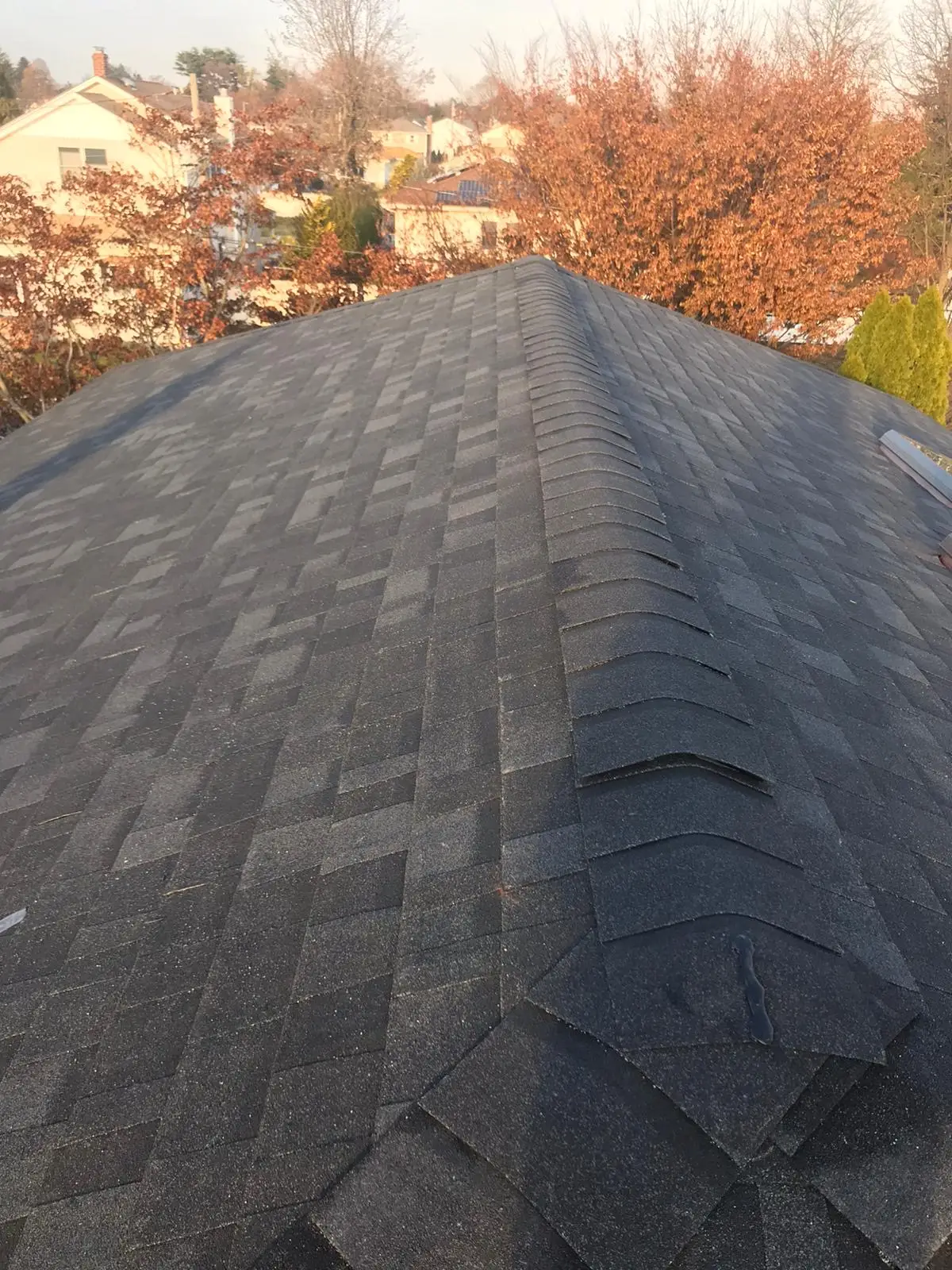
     

  • Roof Replacement Cost: What to Expect

    Roof Replacement Cost: What to Expect

    Roof replacement is a significant endeavor that involves not only substantial financial investment but also emotional and practical considerations. Let’s explore the unique factors influencing roof replacement costs, providing a detailed breakdown to help you navigate this essential home improvement project.

    Factors Influencing Roof Replacement Cost

    1. Roof Size and Pitch
      • Size: The sheer area of your roof is the most straightforward roofing cost factor in determining cost. Larger roofs require more materials and labor. For instance, a 2,000 square foot roof will cost considerably more than a 1,000 square foot roof simply due to the volume of materials needed and the labor hours required.
      • Pitch: The steepness of your roof adds complexity. Steeper roofs are harder to work on, increasing the risk and difficulty for workers, which translates to higher labor costs. For example, a steep roof with a pitch over 6/12 (30 degrees) often requires additional safety equipment and more skilled labor.
    2. Material Type
      • Asphalt Shingles: Popular due to their affordability and ease of installation, asphalt shingles range from $1 to $5 per square foot. However, they have a shorter lifespan compared to other materials.
      • Metal Roofing: Known for durability and energy efficiency, metal roofs cost between $5 and $12 per square foot. They reflect heat, reducing cooling costs in the summer.
      • Tile and Slate: These materials offer superior longevity and aesthetic appeal, with costs ranging from $10 to $25 per square foot. They are fire-resistant and can last over 100 years, justifying their higher price.
    3. Labor Costs
      • Labor rates vary by region and are influenced by the local cost of living. In areas with higher living costs, expect to pay more for skilled labor. For instance, labor costs in metropolitan areas like New York or San Francisco will be higher than in rural areas.
      • The complexity of the job also affects labor costs. Simple gable roofs are easier and cheaper to replace than complex roofs with multiple valleys, dormers, and chimneys.
    4. Roof Removal
      • The removal of old roofing materials is a significant part of the overall cost. This process involves labor for tearing off the existing roof and disposal fees. Multiple layers of old shingles or underlying damage will increase costs due to the extra work required.
      • If the old roof has to be stripped down to the decking, this adds both time and expense. For example, removing multiple layers can add $1,000 to $2,000 to the project.
    5. Geographic Location
      • The cost of roofing materials and labor can vary widely depending on where you live. In coastal areas, where roofs must withstand saltwater corrosion and strong winds, higher-grade materials and more robust construction techniques are often required, increasing costs.
      • Building codes and climate considerations also impact costs. Areas prone to hurricanes or heavy snowfall will have stricter codes, necessitating stronger and more expensive materials.
    6. Permits and Regulations
      • Acquiring the necessary permits is another cost factor. Depending on local regulations, permits can range from a few hundred to several thousand dollars. For example, in some cities, you may need a permit for any roof work that alters the structure of your home.
      • Compliance with local building codes ensures that your new roof meets safety and performance standards, potentially adding to the cost due to inspections and additional materials.
    7. Additional Features
      • Custom features such as skylights, chimneys, and complex ventilation systems add to both the material and labor costs. These features require precise integration and sealing to prevent leaks.
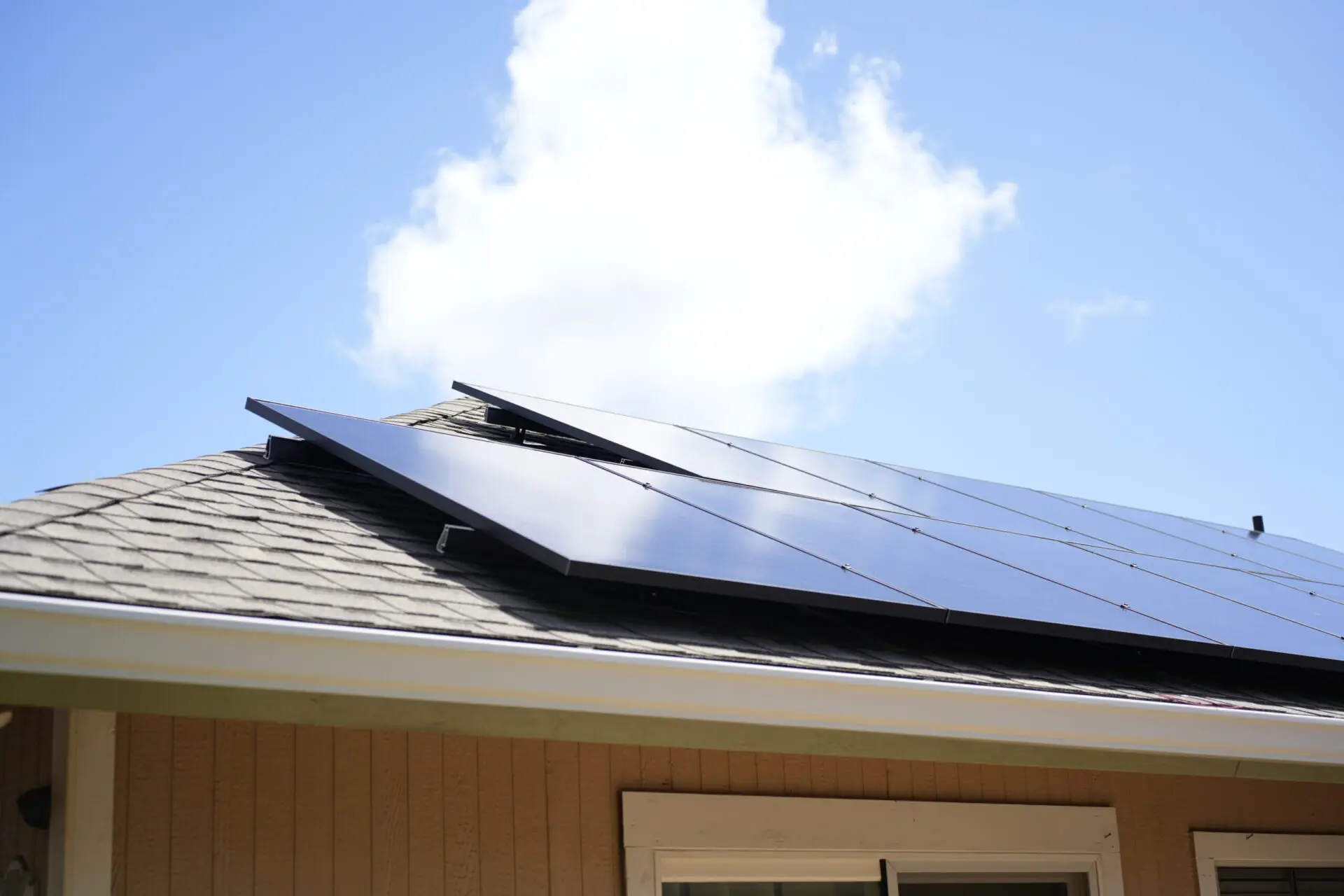
      • Adding energy-efficient upgrades like solar panels can also increase the initial cost but may provide long-term savings on energy bills.

    General Cost Estimate

    To provide a general estimate, let’s consider a standard 2,000 square foot home:

    • Asphalt Shingles: $5,000 to $10,000
    • Metal Roofing: $10,000 to $24,000
    • Tile/Slate Roofing: $20,000 to $50,000

    These estimates include materials, labor, and the removal of the old roof. However, specific costs can vary based on the factors discussed.

    Emotional and Practical Considerations

    Replacing a roof is not just a financial decision but also a deeply emotional one. Your roof is the primary barrier protecting your home from the elements, and investing in quality materials and skilled labor can provide peace of mind. The choice of roofing material also affects the overall aesthetic and value of your home. For example, a new slate roof can enhance curb appeal and increase property value, making it a wise long-term investment.

    Additionally, the process of roof replacement can be disruptive. Understanding the timeline and planning accordingly can help minimize the impact on your daily life. For instance, choosing a reliable contractor who communicates clearly and adheres to deadlines can significantly reduce stress.

    Moreover, the emotional impact of knowing your home is well-protected cannot be understated. Whether you’re dealing with the aftermath of a storm or simply upgrading to improve your home’s energy efficiency, a new roof can offer a sense of security and satisfaction.

    The cost of roof replacement is influenced by various factors, including roof size, material type, labor costs, and geographic location. By understanding these elements and planning accordingly, you can ensure a successful and less stressful roofing project.

  • DIY Roof Repairs and When to Hire a Professional

    DIY Roof Repairs and When to Hire a Professional

    Maintaining the roof over your head is more than just a necessity; it’s an act of love and care for your home and family. There’s a deep satisfaction in knowing that you can fix some of the smaller issues yourself, but it’s equally important to recognize when it’s time to call in a professional. Here’s a heartfelt look at small roof repairs you can handle, with a few practical roof repair tips, and when it’s best to leave it to the experts.

    Trying DIY Roof Repairs

    1. Replacing Missing or Damaged Shingles

    When you notice a shingle missing or damaged after a storm, it’s natural to feel a sense of urgency. Replacing a few shingles yourself can be empowering.

    What You Need:

    • Hammer
    • Roofing nails
    • Pry bar
    • Replacement shingles
    • Roofing cement

    Steps to Take:

    1. Carefully pry up the damaged shingle and remove the nails.
    2. Slide the new shingle into place.
    3. Secure it with nails.
    4. Apply roofing cement to the edges for a watertight seal.

    Taking these steps can prevent further damage and keep your roof looking pristine.

    1. Fixing Minor Leaks

    Discovering a leak can be disheartening, but small leaks can often be managed with some simple tools.

    What You Need:

    • Flashing tape or sealant
    • Caulking gun
    • Putty knife

    Steps to Take:

    1. Locate the source of the leak, often around chimneys, vents, or skylights.
    2. Clean the area around the leak.
    3. Apply flashing tape or roofing sealant.
    4. Smooth the sealant with a putty knife.

    A quick fix for a minor leak can save you from larger issues down the road.

    1. Cleaning Gutters and Downspouts

    Clogged gutters can lead to water damage, and cleaning them is a straightforward task that brings immediate benefits.

    What You Need:

    • Ladder
    • Gloves
    • Scoop or trowel
    • Garden hose

    Steps to Take:

    1. Safely set up your ladder.
    2. Remove debris from the gutters.
    3. Rinse with a garden hose.
    4. Ensure downspouts are clear.

    Regular cleaning keeps water flowing away from your home, protecting your roof and foundation.

    1. Sealing Small Cracks in Flashing

    Small cracks in the flashing can let water in, but sealing them is a simple and effective DIY project.

    What You Need:

    • Roofing sealant
    • Caulking gun
    • Wire brush

    Steps to Take:

    1. Clean the area with a wire brush.
    2. Apply roofing sealant over the crack.
    3. Smooth with a putty knife.

    Sealing these cracks prevents leaks and maintains the integrity of your roof.

    When It’s Best to Call a Professional

    Sometimes, the best way to show care for your home is by recognizing when a job is too big to handle alone. Here are some situations where professional help is essential.

    1. Extensive Damage or Large Leaks

    If your roof has multiple missing shingles, large leaks, or significant water damage, it’s time to call in a professional. They can assess the full extent of the damage and provide comprehensive repairs to prevent further issues.

    1. Structural Issues

    Signs of structural issues, such as sagging roofs, cracked beams, or damaged rafters, should never be ignored. These problems can compromise the safety of your home and require specialized knowledge to repair.

    1. Roof Replacement

    Replacing an entire roof is a complex and labor-intensive task that should be left to professionals. They ensure the new roof is installed correctly and adheres to all safety standards.

    1. Complicated Roofing Systems

    Roofs with complex designs, multiple layers, or special materials (like slate or tile) require professional expertise. These systems need specific techniques and tools that professionals are equipped to handle.

    1. Safety Concerns

    If you’re uncomfortable working at heights or your roof has a steep pitch, it’s safer to hire a professional. Roofing work can be dangerous, and professionals have the necessary safety equipment and experience.

    Benefits of Hiring a Professional

    1. Expertise and Experience

    Professional roofers have the training and experience to identify and fix roofing problems accurately. They can detect issues that might not be apparent and ensure repairs are done correctly.

    1. Quality Materials

    Professionals have access to high-quality roofing materials that may not be available to the general public. Using superior materials ensures that repairs are durable and long-lasting.

    1. Warranty and Insurance

    Reputable roofing contractors offer warranties on their work, giving you peace of mind that the repairs will hold up over time. Additionally, they carry insurance that protects you from liability in case of accidents during the repair process.

    1. Time and Cost Efficiency

    While DIY repairs might seem cost-effective initially, mistakes can lead to more significant problems and higher costs in the long run. Professionals can complete repairs more quickly and efficiently, saving you time and potential future expenses.

    1. Comprehensive Solutions

    Professional roofers provide comprehensive solutions, addressing not just the visible damage but also underlying issues that might cause future problems. This holistic approach ensures your roof remains in good condition for longer.

    Taking care of your roof is a blend of DIY efforts and knowing when to call in the professionals. When considering what roof repairs you can do yourself, small tasks like replacing shingles, fixing minor leaks, cleaning gutters, and sealing cracks are manageable with the right tools and a bit of courage.

    However, for extensive damage, structural issues, roof replacements, complicated systems, or safety concerns, hiring a professional is the best way to protect your home. Professionals bring expertise, quality materials, warranties, and comprehensive solutions that ensure your roof remains in top condition. Prioritizing professional work for significant repairs protects your home and provides peace of mind.

  • HVAC Maintenance Tips: How to Keep Your System Running Smoothly

    HVAC Maintenance Tips: How to Keep Your System Running Smoothly

    When it comes to home comfort, your HVAC system, including your air conditioner, is the unsung hero. It works tirelessly to keep you warm in winter and provide cool air in summer.

    But, like any hardworking piece of equipment, it needs some TLC. Attyx is here to help with tips on how to keep your HVAC system running smoothly with proper HVAC maintenance.

    Picture this: It’s the hottest summer day, and your air conditioner suddenly decides to take a break. It’s not a pleasant scenario.

    Regular HVAC upkeep, including your air conditioner, can prevent these inconvenient breakdowns and extend the life of your system. Consistent HVAC maintenance is key to avoiding such issues.

    In this guide, we’ll explore essential tips for maintaining your HVAC and air conditioning system, ensuring it performs at its best when you need it the most.

    Why Regular HVAC System Upkeep is Essential

    Regular HVAC upkeep isn’t just about avoiding surprise repairs—it’s about efficiency, cost savings, and longevity. A well-maintained heating and cooling system, including your HVAC unit, uses less energy, leading to lower utility bills and improved system efficiency.

    Moreover, it ensures your home remains comfortable throughout the year, especially during peak air conditioning months. Let’s look at the key areas you should focus on:

    1. Change Your Air Filter Regularly

    One of the simplest yet most crucial HVAC maintenance tasks is changing your air filters. A dirty air filter can restrict airflow, making your heating and cooling system work harder and less efficiently.

    Aim to change your filters every 1-3 months, depending on your household’s needs. For homes with pets or allergy sufferers, more frequent changes might be necessary.

    2. Keep the Outdoor Unit Clean

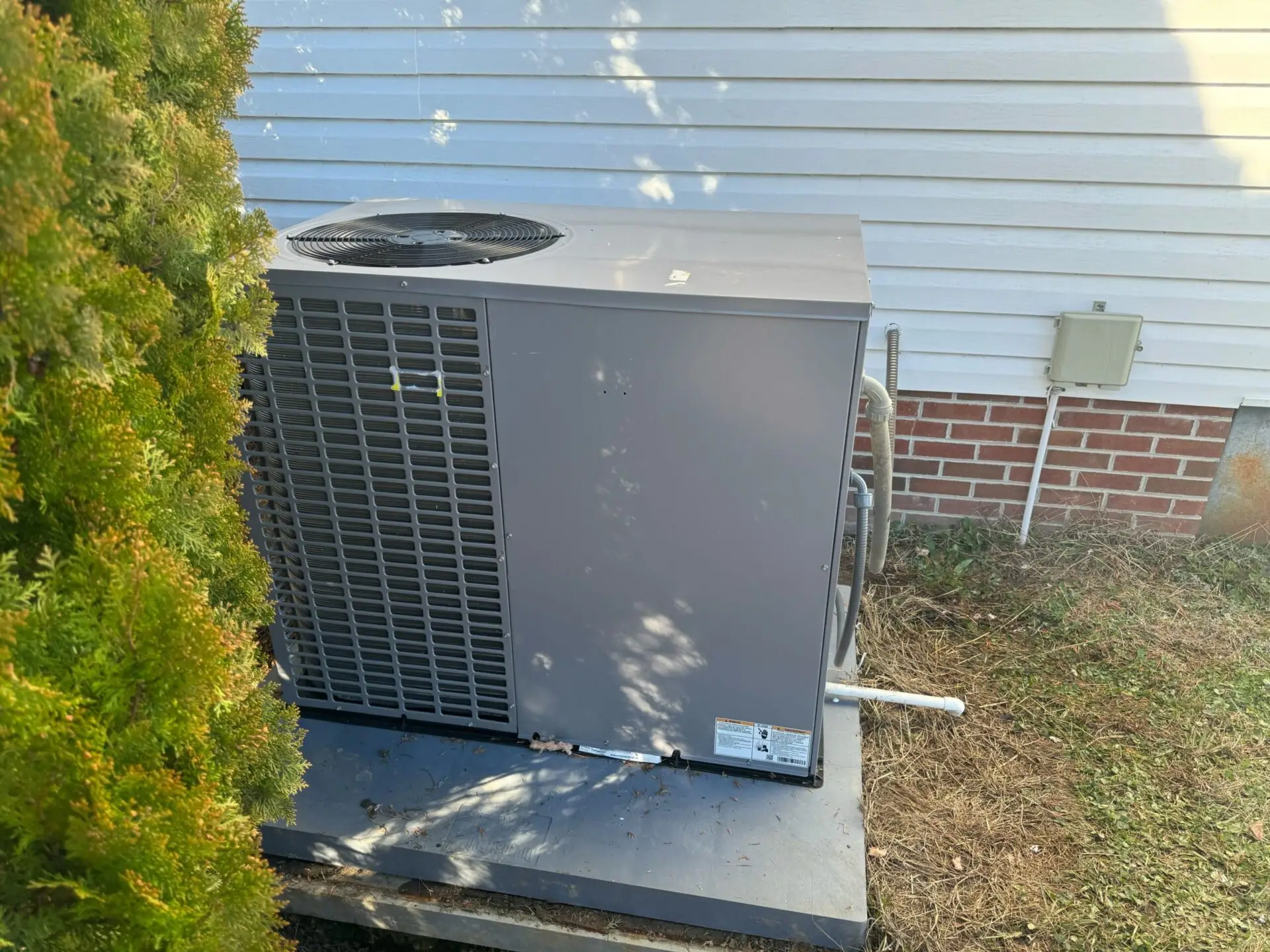
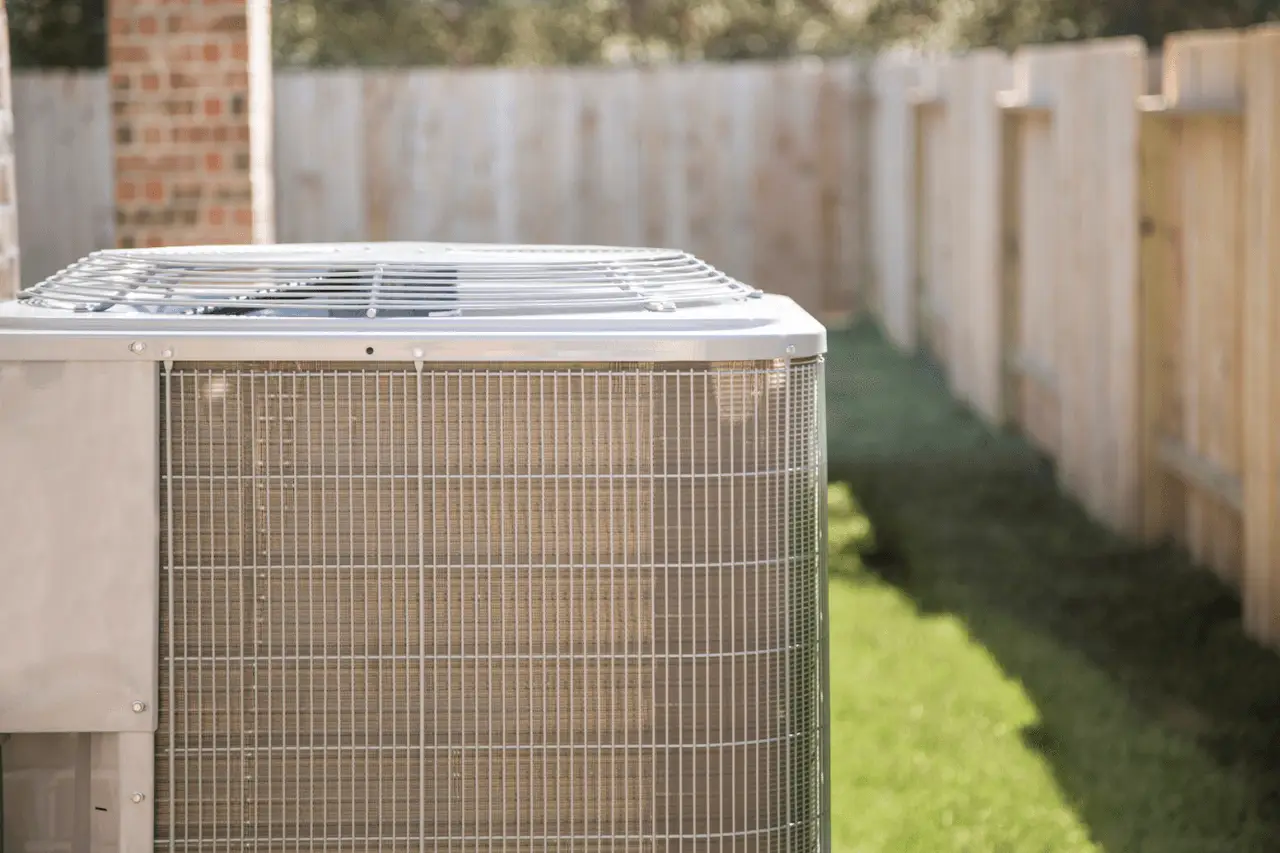
    Your outdoor HVAC unit, also known as the condenser, needs to be free of debris to function properly. Leaves, dirt, and grass clippings can accumulate and obstruct airflow.

    Make it a habit to check your outdoor HVAC unit regularly and clear any debris. Additionally, give it a gentle wash with a garden hose every few months to keep your central air conditioner clean.

    3. Schedule Professional Maintenance

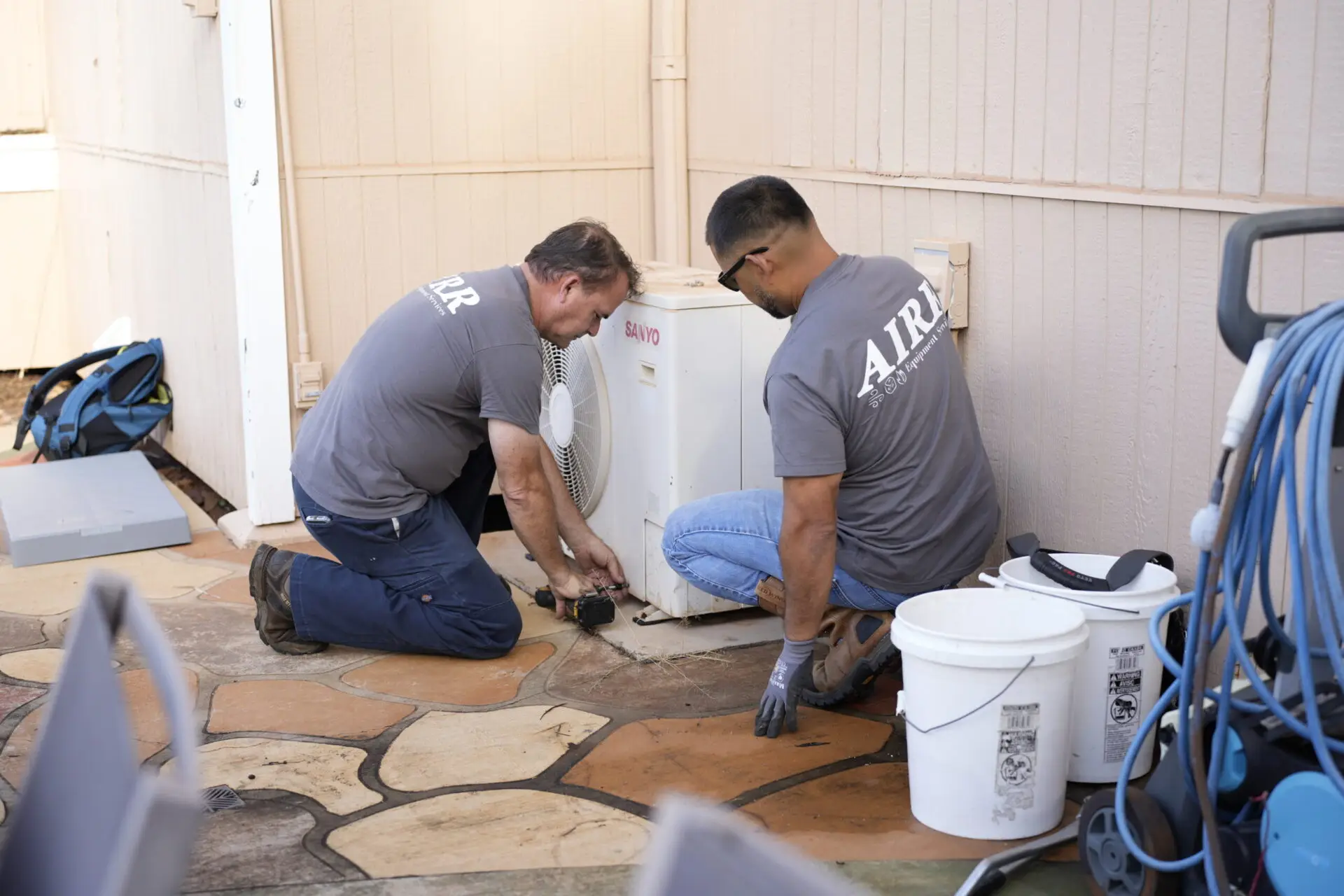
    While DIY maintenance is essential, some tasks require a professional touch. Schedule a professional HVAC inspection and tune-up at least once a year.

    A trained technician can spot potential issues before they become major problems and ensure your HVAC unit is running efficiently.

    4. Check and Clean the Coils

    The coils in your HVAC system, both evaporator and condenser, play a critical role in heat exchange. Over time, these coils can get dirty, reducing their efficiency.

    During your annual professional maintenance, ensure the technician checks and cleans these coils.

    5. Inspect and Clean the Ductwork

    Leaky or dirty ductwork can significantly impact your HVAC system’s performance. Inspect your ductwork for any visible signs of leaks or damage.

    Additionally, consider professional duct cleaning every few years to remove dust and debris buildup that can restrict airflow.

    6. Monitor Thermostat Settings

    Your thermostat settings can impact your HVAC system’s workload. During the summer, keep your thermostat at around 78°F when you’re home and 85°F when you’re away.

    In the winter, aim for 68°F when home and lower when you’re out. Programmable or smart thermostats can help automate these settings, ensuring energy efficiency without manual adjustments to your heating and cooling system.

    Extra Tips for Optimal Heating and Cooling System Performance

    In addition to the basics, here are a few extra tips to keep your HVAC system in top shape. These additional HVAC maintenance practices will ensure your system operates efficiently and lasts longer;

    7. Ensure Proper Insulation

    Good insulation keeps the heat in during winter and out during summer, reducing the burden on your HVAC system. Check your home’s insulation, particularly in the attic and walls, and upgrade if necessary.

    8. Seal Windows and Doors

    Drafty windows and doors can lead to significant energy loss. Inspect and seal any gaps or cracks to keep your home airtight and reduce the load on your HVAC system.

    9. Use Ceiling Fans Wisely

    Ceiling fans can help circulate air and make your home feel more comfortable, reducing the load on your air conditioning system. In the summer, set them to spin counterclockwise to create a cooling breeze. In winter, switch them to clockwise to distribute warm air more evenly.

    10. Be Mindful of Your Vents

    Blocked or closed vents can disrupt airflow and force your HVAC system to work harder. Ensure all vents are open and unobstructed by furniture or curtains.

    Maintaining your HVAC system doesn’t have to be a daunting task. With these practical HVAC maintenance tips, you can keep your system running smoothly, extend its lifespan, and ensure your home remains comfortable year-round.

    Remember, regular HVAC upkeep is an investment in your home’s comfort and energy efficiency. So, take the time to care for your system—your future self will thank you!

  • Tips and Best Practices To Clean and Maintain Your Solar Panels for Optimal Performance

    Tips and Best Practices To Clean and Maintain Your Solar Panels for Optimal Performance

    Solar panels represent a significant investment in energy efficiency and sustainability. To ensure they perform at their best, regular maintenance and cleaning are essential. Proper care can enhance the efficiency and longevity of your solar panels. Here are some tips and best practices for maintaining and cleaning solar panels to ensure they operate at maximum efficiency.

    Understanding the Importance of Solar Panel Maintenance

    Regular maintenance is crucial for solar panels to function efficiently. Dust, dirt, bird droppings, and other debris can accumulate on the panels, blocking sunlight and reducing their energy output. Proper maintenance ensures that your panels are clean and free from obstructions, allowing them to absorb the maximum amount of sunlight.

    Best Practices for Solar Panel Maintenance

    Regular Inspections: Conducting regular inspections is the first step in maintaining your solar panels. Check for any visible damage, such as cracks or chips, and ensure that the panels are securely mounted. Inspections should be carried out at least twice a year, or more frequently if you live in an area with high pollution or frequent dust storms.

    Monitoring System Performance: Keep an eye on your solar system’s performance through monitoring software or apps provided by your solar panel manufacturer. Monitoring systems can alert you to any drop in performance, indicating that it might be time for a cleaning or inspection.

    Trim Surrounding Trees: Ensure that nearby trees or plants do not cast shadows on your solar panels. Overgrown branches can block sunlight and reduce the efficiency of your system. Regularly trim any foliage that might obstruct the panels.

    Check for Obstructions: Besides dirt and debris, check for other obstructions like leaves, snow, or bird nests. These can significantly hinder the performance of your panels. Remove any obstructions promptly to ensure optimal performance.

    Tips for Cleaning Solar Panels

    Safety First: Before you begin cleaning your solar panels, ensure your safety. If your panels are located on the roof, use appropriate safety gear, such as harnesses and non-slip footwear. If you are uncomfortable with heights, consider hiring a professional cleaning service.

    Cleaning Frequency: The frequency of cleaning depends on your location. In areas with high pollution, dust, or pollen, you might need to clean your panels more frequently. Generally, cleaning them once or twice a year is sufficient for most locations.

    Best Time to Clean: Clean your solar panels early in the morning or late in the evening when they are cool. Cleaning them during the midday heat can cause the water to evaporate quickly, leaving streaks and spots on the panels.

    Use the Right Tools: Use a soft brush or sponge and a bucket of soapy water to clean your panels. Avoid using abrasive materials or high-pressure washers, as they can damage the surface of the panels. A garden hose with a gentle spray can be used to rinse off the panels.

    Avoid Harsh Chemicals: Use mild, biodegradable soap for cleaning. Harsh chemicals can damage the panels and reduce their efficiency. Always follow the manufacturer’s recommendations for cleaning products.

    Cleaning Process: Start by rinsing the panels with water to remove loose dirt and debris. Next, gently scrub the panels with a soapy sponge or brush. Rinse the panels again with clean water to remove any soap residue. Ensure that no water spots or streaks are left on the panels, as these can reduce efficiency.

    Solar Panel Maintenance Tips

    Professional Cleaning Services: For optimal results, consider hiring a professional cleaning service. Professionals have the right tools and expertise to clean your panels thoroughly and safely. They can also perform inspections and minor repairs if needed.

    Install a Monitoring System: Advanced monitoring systems can track the performance of individual panels and alert you to any issues. This allows for timely maintenance and repairs, ensuring your system operates at peak efficiency.

    Water Quality: If you live in an area with hard water, consider using distilled or deionized water for cleaning. Hard water can leave mineral deposits on the panels, reducing their effectiveness.

    Snow Removal: In snowy regions, it’s essential to remove snow from your panels promptly. Use a soft brush or a roof rake designed for solar panels to clear the snow without damaging the panels. Avoid using metal tools that can scratch the surface.

    Bird Deterrents: Birds can cause significant issues by nesting under or near solar panels. Installing bird deterrents like spikes or nets can prevent them from nesting and reduce the amount of droppings on the panels.

    The Benefits of Proper Solar Panel Maintenance

    Maintaining and cleaning your solar panels offer several benefits, including:

    Increased Efficiency: Clean panels can capture more sunlight, leading to higher energy production and increased efficiency.

    Extended Lifespan: Regular maintenance can prevent damage and wear, extending the lifespan of your solar panels.

    Cost Savings: Higher efficiency and longer lifespan mean more significant cost savings over time. You’ll get the most out of your investment in solar energy.

    Optimal Performance: Well-maintained panels operate at their peak performance, ensuring you get the maximum return on your investment.

    Proper maintenance and cleaning of solar panels are essential to ensure they operate efficiently and effectively. By following these tips and best practices, you can maintain your solar panels in optimal condition, enhancing their performance and longevity. Regular inspections, safe cleaning practices, and the right tools can make a significant difference in the efficiency of your solar energy system. Whether you choose to clean the panels yourself or hire a professional service, keeping your solar panels clean and well-maintained will ensure you reap the full benefits of your investment.


  • Solar Energy Storage: Choosing the Right Battery for Your System

    Solar Energy Storage: Choosing the Right Battery for Your System

    Selecting the right solar battery is a critical step in optimizing your solar energy system. With the right battery, you can store excess energy generated during the day for use during the night or cloudy periods, ensuring a reliable power supply. Let’s explore the different types of solar batteries, their capacities, and how to select the best one for your needs.

    Solar Energy Storage Solutions: Types of Solar Batteries

    Solar batteries come in various types, each with its own set of advantages and disadvantages. Understanding these differences can help you choose the most suitable battery for your solar energy system.

    1. Lead-Acid Batteries

    Lead-acid batteries are the oldest and most commonly used type of solar battery. They are known for their reliability and cost-effectiveness.

    • Flooded Lead-Acid (FLA) Batteries: These batteries require regular maintenance, including water refilling and equalization. They are robust and can handle significant power demands but are bulky and require proper ventilation.
    • Sealed Lead-Acid (SLA) Batteries: Also known as Valve-Regulated Lead-Acid (VRLA) batteries, these are maintenance-free and include Gel and Absorbed Glass Mat (AGM) types. They are safer and more convenient but tend to have a shorter lifespan compared to flooded types.

    2. Lithium-Ion Batteries

    Lithium-ion batteries are becoming increasingly popular due to their high efficiency, longer lifespan, and minimal maintenance requirements.

    • Lithium Iron Phosphate (LiFePO4) Batteries: These are the most common lithium-ion batteries for solar applications. They offer high energy density, safety, and a long cycle life, making them an excellent choice for residential solar systems.

    3. Nickel-Based Batteries

    Nickel-based batteries, such as Nickel-Cadmium (NiCd) and Nickel-Metal Hydride (NiMH), are less common but offer some unique advantages.

    • Nickel-Cadmium (NiCd) Batteries: Known for their durability and ability to perform well in extreme temperatures, these batteries require regular maintenance and have environmental concerns due to cadmium content.
    • Nickel-Metal Hydride (NiMH) Batteries: These batteries are environmentally friendlier than NiCd but have a lower energy density and are more expensive.

    4. Flow Batteries

    Flow batteries, including Vanadium Redox Flow Batteries (VRFB) and Zinc-Bromine Flow Batteries, are emerging technologies with high potential for large-scale energy storage.

    • Vanadium Redox Flow Batteries (VRFB): These batteries offer excellent scalability and long cycle life, making them suitable for large solar installations. However, they are currently more expensive and less common in residential applications.

    Understanding Battery Capacities

    The capacity of a solar battery is a crucial factor that determines how much energy it can store and deliver. Here are some key concepts to understand:

    1. Capacity (kWh)

    Capacity, measured in kilowatt-hours (kWh), indicates the total amount of energy a battery can store. For example, a 10 kWh battery can store 10 kilowatt-hours of electricity.

    2. Depth of Discharge (DoD)

    Depth of Discharge refers to the percentage of a battery’s capacity that can be used without damaging the battery. For instance, a battery with a DoD of 80% means you can use 80% of its stored energy before recharging.

    3. Cycle Life

    Cycle life represents the number of complete charge and discharge cycles a battery can undergo before its capacity significantly diminishes. Batteries with higher cycle life are more durable and offer better long-term value.

    4. Efficiency

    Efficiency measures the amount of energy a battery can store and release compared to the energy used to charge it. Higher efficiency batteries lose less energy during the storage and release process, making them more effective.

    How to Choose the Best Solar Battery

    Selecting the right solar battery involves considering various factors based on your specific needs and circumstances. Here are some tips to guide your decision:

    1. Assess Your Energy Needs

    Start by evaluating your daily energy consumption and peak power requirements. Determine how much energy you need to store and for how long. This will help you choose a battery with the appropriate capacity and performance characteristics.

    2. Consider Your Budget

    While lithium-ion batteries tend to be more expensive upfront than lead-acid batteries, their longer lifespan and higher efficiency can make them more cost-effective in the long run. Balance your budget with the total cost of ownership to make an informed decision.

    3. Evaluate Space and Installation Requirements

    Consider the space available for battery installation and any specific requirements, such as ventilation for lead-acid batteries or climate control for optimal performance. Make sure the chosen battery fits your installation environment.

    4. Look for Reliability and Warranty

    Choose a battery from a reputable manufacturer known for quality and reliability. Check the warranty terms, as a longer warranty period often indicates confidence in the battery’s longevity and performance.

    5. Plan for Future Needs

    If you anticipate increasing your energy consumption in the future, choose a battery system that is scalable. This way, you can add more storage capacity as needed without replacing the entire system.

    Selecting the right solar battery is a crucial step in maximizing the benefits of your solar energy system. By understanding the different types of batteries, their capacities, and the factors to consider when choosing one, you can make an informed decision that meets your energy needs and budget.

    From the cost-effective and reliable lead-acid batteries to the efficient and long-lasting lithium-ion options, each type of battery has its own set of advantages and challenges. With careful planning and consideration, you can find the best solar battery to ensure a reliable and sustainable energy future for your home or business.

    Remember, working with experienced solar professionals like those at ATTYX can provide valuable guidance and support throughout the selection and installation process. Embrace the power of solar energy storage and take a significant step towards energy independence and sustainability.


  • How Weather Impacts Your HVAC System: Preparing for Seasonal Changes

    How Weather Impacts Your HVAC System: Preparing for Seasonal Changes

    With the changing of seasons comes new challenges for your home or business’s heating, ventilation, and air conditioning (HVAC) system. Understanding how different weather conditions impact your HVAC system can help you keep your HVAC system energy-efficient and performing at its best year-round. Today, we’re going to go over some seasonal HVAC preparation best practices to help you weatherproof your HVAC system during every season.

    Summer HVAC System Preparation

    Prepare for Increased HVAC Cooling Demand

    During those hot summer days, your HVAC system has to work harder to keep your home cool. When your HVAC has to work harder, energy consumption along with wear and tear to your cooling system increases. You can’t control the hot summer weather, but you can stay on top of HVAC maintenance to ensure your system doesn’t have to work any harder than it has to. Keeping up with regular maintenance like cleaning, replacing air filters, and checking refrigerant levels. This will help lengthen your HVAC system lifespan while also making your home more energy-efficient. 

    Reduce HVAC Overheating Risks

    With hot summer temperatures comes the risk of your HVAC overheating while it’s working hard to cool your home. Overheating can lead to system-wide failure and expensive repairs. Plus, you’ll probably have to brave the summer heat without any cooling while HVAC repairs are still underway. To avoid this, keep your outdoor unit free of debris, make sure your unit has proper ventilation, and schedule regular professional inspections. This will help reduce negative weather impacts on your HVAC.

    Winter HVAC System Preparation

    Prepare for Increased Heat Demand

    Winter weather places a different kind of demand on your HVAC system. Cold temperatures require your system to work harder to heat your home, which can increase energy consumption. Similar to summertime, making sure your system is clean and well-maintained can help reduce the toll on your HVAC system, allowing it to heat your home without using unnecessary energy. Ensuring your home is properly insulated can also go a long way to improving heating efficiency and reducing your energy costs.

    Avoid Frozen HVAC Components

    Freezing temperatures can cause components of your HVAC system to freeze, especially in areas prone to extreme cold. Frozen HVAC components like pipes or coils can lead to HVAC damage and malfunction. To prevent this, insulate any exposed pipes. Also, consider using a programmable thermostat to maintain a consistent indoor temperature.

    Spring and Fall HVAC System Preparation

    Prepare for Fluctuating Temperatures

    As transitional seasons, spring and fall both bring fluctuating temperatures, making it harder to maintain a comfortable indoor environment. During these seasons, it’s essential to check your HVAC system for any issues that may have developed over the winter or summer months. This includes steps like inspecting ductwork, testing the thermostat, and making sure all components are in good working order.

    Regular Maintenance

    Regular maintenance is the most important thing you can do to keep your HVAC system running efficiently and lasting as long as possible. Schedule professional inspections and tune-ups at least twice a year during spring and fall to address any potential issues before they become major problems.

    Weatherproofing

    Weatherproofing your HVAC system can help protect it from the elements and improve its performance. During your regular maintenance during the fall and spring, take steps to weatherproof your HVAC system. This includes sealing any gaps or leaks in your home’s insulation, covering your outdoor unit during extreme weather conditions, and ensuring proper drainage to prevent water damage.

    Promoting Good Air Quality

    Spring and fall can also bring more allergens and air quality changes. Regularly replacing air filters and ensuring your HVAC system is clean can help maintain good indoor air quality and reduce the spread of allergens.

    The HVAC Professionals at Attyx

    When you stay on top of weatherproofing your HVAC, you’ll be prepared to deal with any weather impacts on your HVAC. Seasonal HVAC preparation also helps you avoid unexpected HVAC breakdowns, repair costs, and unnecessary energy consumption.

    No matter how much maintenance you do, your HVAC will eventually reach the end of its lifespan and you’ll need to have it replaced. When the time comes to replace your HVAC system, our HVAC installation professionals at Attyx are here to help. Give us a call.

  • The Importance of Proper HVAC Sizing for Optimal Performance

    The Importance of Proper HVAC Sizing for Optimal Performance

    Struggling with inconsistent temperatures and high energy bills? Your HVAC system’s size might be the culprit. Choosing the correct HVAC size isn’t just about fitting a unit into your space—it’s about ensuring your system operates efficiently and effectively. An oversized or undersized HVAC system can lead to a myriad of problems, from skyrocketing energy bills to uncomfortable indoor climates.

    The Dangers of an Oversized HVAC System

    An oversized HVAC system might seem like a good idea—after all, more power means better performance, right? Not quite. Here’s why:

    1. Short Cycling: Oversized units cool or heat the space too quickly, leading to frequent on-and-off cycles. This short cycling wears out the system faster and fails to dehumidify the air properly.
    2. Increased Wear and Tear: Constant cycling strains the system, reducing its lifespan and increasing the need for repairs.
    3. Higher Energy Bills: Frequent starts and stops use more energy, leading to higher utility costs.

    The Issues with an Undersized HVAC System

    On the flip side, an undersized HVAC system struggles to meet your home’s temperature demands:

    1. Constant Operation: An undersized unit runs almost continuously to reach the desired temperature, resulting in higher energy consumption.
    2. Uneven Temperatures: These systems often fail to heat or cool the entire space evenly, leaving some areas uncomfortable.
    3. Reduced Comfort: An overworked system can’t maintain consistent humidity levels, affecting overall comfort.

    Understanding HVAC Size Calculation

    Determining the right HVAC size for your home involves a detailed calculation process. Here’s how professionals approach it:

    Manual J Load Calculation

    The industry standard for HVAC size calculation is the Manual J load calculation. This method considers various factors to determine the correct HVAC size:

    • Home Size: The total square footage of your home is a primary factor.
    • Insulation: Quality and amount of insulation affect heat retention and loss.
    • Windows and Doors: The number, size, and type of windows and doors impact heating and cooling needs.
    • Climate Zone: Local climate conditions influence HVAC requirements.
    • Occupancy: The number of occupants and their typical activities contribute to heat generation.
    • Air Leakage: The tightness of your home’s envelope (how well it seals against air leaks) also plays a role.

    BTUs: The Measure of HVAC Capacity

    HVAC capacity is measured in British Thermal Units (BTUs). The appropriate number of BTUs needed for your home depends on the Manual J load calculation results. Here’s a rough estimate for different home sizes:

    • 600-1,000 sq. ft.: 18,000 BTUs
    • 1,000-1,500 sq. ft.: 24,000 BTUs
    • 1,500-2,000 sq. ft.: 30,000 BTUs
    • 2,000-2,500 sq. ft.: 36,000 BTUs

    Remember, these are general estimates. The actual BTU requirement will vary based on the specific factors listed above.

    How to Determine the Right HVAC Size for Your Home

    So, how do you ensure you’re getting the right HVAC size? Here are some steps to follow:

    Hire a Professional

    The most reliable way to determine the correct HVAC size is to hire a professional. They’ll perform a comprehensive Manual J load calculation and recommend the right system for your needs.

    DIY Calculation Tools

    Several online tools can help you estimate your HVAC size requirements. While not as precise as a professional assessment, these tools can give you a ballpark figure:

    Consider Your Home’s Specifics

    Be sure to take into account unique aspects of your home, such as high ceilings, large windows, or additional heat-generating appliances, as these can impact the overall HVAC needs.

    Benefits of Proper HVAC Sizing

    Investing in the right HVAC size offers several benefits:

    Enhanced Comfort

    A correctly sized HVAC system provides consistent temperatures and proper humidity levels throughout your home, ensuring a comfortable living environment.

    Improved Efficiency

    Proper sizing means your system doesn’t have to work overtime, leading to better energy efficiency and lower utility bills.

    Longer System Lifespan

    By avoiding the wear and tear associated with improper sizing, you can extend the lifespan of your HVAC system and reduce the frequency of repairs.

    Environmental Impact

    An efficiently running HVAC system consumes less energy, contributing to a smaller carbon footprint and supporting environmental sustainability.


    At ATTYX, we understand the critical importance of proper HVAC sizing for optimal performance. Whether you’re a homeowner seeking comfort or a business aiming for efficiency, getting the size right is key to achieving your goals. For more expert advice and top-of-the-line HVAC solutions, stay connected with ATTYX. Let us help you enhance your living and working environments with the perfect HVAC system tailored to your needs.

  • Eco-Friendly HVAC Solutions: Sustainable Choices for Your Home

    Eco-Friendly HVAC Solutions: Sustainable Choices for Your Home

    In today’s world, making environmentally conscious choices is more important than ever. One significant way to contribute to a greener planet is by upgrading your home’s heating, ventilation, and air conditioning (HVAC) system. Eco-friendly HVAC solutions not only help reduce carbon emissions but also save you money on energy bills. Here at ATTYX, we’re committed to helping you make the best sustainable choices for your home.

    What Are Eco-Friendly HVAC Solutions?

    Eco-friendly HVAC systems are systems and practices designed to reduce energy consumption and minimize environmental impact. These solutions include advanced technologies, efficient systems, and sustainable practices that collectively contribute to a healthier planet.

    Geothermal Heat Pumps

    One of the most efficient eco-friendly HVAC options is the geothermal system. Unlike traditional systems that use air to transfer heat, geothermal systems utilize the constant temperature of the earth. Here’s how it works:

    • Heat Exchange: A geothermal heat pump transfers heat between your home and the ground through a series of pipes buried underground.
    • Efficiency: These systems are incredibly efficient, providing up to four times the amount of energy they consume.
    • Longevity: Geothermal systems can last up to 25 years for the indoor components and over 50 years for the ground loop.

    Benefits of Geothermal Systems:

    • Lower Operating Costs: Significant reduction in energy bills.
    • Renewable Energy Source: Utilizes the earth’s natural heat.
    • Environmentally Friendly: Reduces greenhouse gas emissions.

    Smart Thermostats

    Energy-efficient smart thermostats are another excellent sustainable HVAC option. These devices optimize the heating and cooling of your home by learning your schedule and preferences.

    Key Features of Smart Thermostats:

    • Remote Control: Manage your HVAC system from your smartphone.
    • Learning Capability: Adapts to your routine and adjusts temperatures accordingly.
    • Energy Reports: Provides insights into your energy usage and tips for improvement.

    Benefits of Smart Thermostats:

    • Energy Savings: Can reduce heating and cooling costs by up to 15%.
    • Convenience: Adjust settings remotely and receive maintenance reminders.
    • Eco-Friendly: Lower energy consumption reduces your carbon footprint.

    Energy Efficient HVAC Systems

    Investing in high-efficiency HVAC systems is another way to make your home more sustainable. Look for systems with high SEER (Seasonal Energy Efficiency Ratio) ratings.

    What to Look For:

    • Energy Star Certification: Indicates the system meets or exceeds energy efficiency guidelines.
    • High SEER Rating: The higher the SEER rating, the more efficient the system, which can significantly reduce energy costs.

    Benefits of High-Efficiency Systems:

    • Reduced Energy Bills: More efficient systems consume less energy.
    • Enhanced Comfort: Better temperature control and air quality.
    • Environmental Impact: Lower energy consumption means fewer greenhouse gases.

    Solar-Powered HVAC Systems

    Sustainable HVAC systems harness the sun’s energy to heat and cool your home. By integrating solar panels with your HVAC system, you can significantly reduce your reliance on traditional energy sources.

    Advantages of Solar-Powered Systems:

    • Renewable Energy: Uses clean, renewable solar energy.
    • Cost Savings: Potential to drastically cut down on energy bills.
    • Incentives: Many regions offer tax credits and rebates for solar installations.

    Regular Maintenance and Upgrades

    Even the most advanced HVAC systems require regular maintenance to maintain your home’s energy efficiency. Simple practices can make a big difference:

    • Routine Inspections: Schedule annual check-ups to ensure your system is running smoothly.
    • Filter Replacement: Change filters regularly to maintain air quality and system efficiency.
    • Duct Sealing: Ensure ducts are properly sealed to prevent energy loss.

    Eco-Friendly Practices to Reduce Carbon Footprint

    In addition to upgrading your HVAC system, adopting eco-friendly practices can enhance your home’s sustainability.

    Simple Practices to Implement:

    • Use Ceiling Fans: Help distribute air more evenly, reducing the load on your HVAC system.
    • Insulate Your Home: Proper insulation keeps your home warm in winter and cool in summer.
    • Programmable Thermostats: Set schedules to avoid heating or cooling an empty home.

    Upgrading to sustainable cooling systems, such as solar-powered HVAC, geothermal heat pumps, and green air conditioning technology, can significantly enhance energy efficiency, eco-friendliness, and cost-effectiveness compared to traditional HVAC systems.

    Eco-friendly HVAC solutions offer numerous benefits, from reducing energy bills to minimizing your carbon footprint. By investing in technologies like geothermal heat pumps, smart thermostats, and solar-powered systems, you can contribute to a more sustainable future while enjoying a more comfortable home. At ATTYX, we’re here to guide you through the process of upgrading to these efficient and environmentally friendly systems. Make the switch today and experience the difference it makes for your home and the planet.


  • The Pros and Cons of Ductless HVAC Systems

    The Pros and Cons of Ductless HVAC Systems

    Are you contemplating switching to a ductless mini-split system but unsure if it’s the right move? Ductless HVAC systems, also known as mini-split systems, are becoming increasingly popular for both residential and commercial spaces. But like any major investment, it’s crucial to weigh the pros and cons before making a decision. In this guide, ATTYX breaks down the key advantages and disadvantages of ductless HVAC systems, helping you determine if they’re the right fit for your needs.

    What is a Ductless Mini Split System?

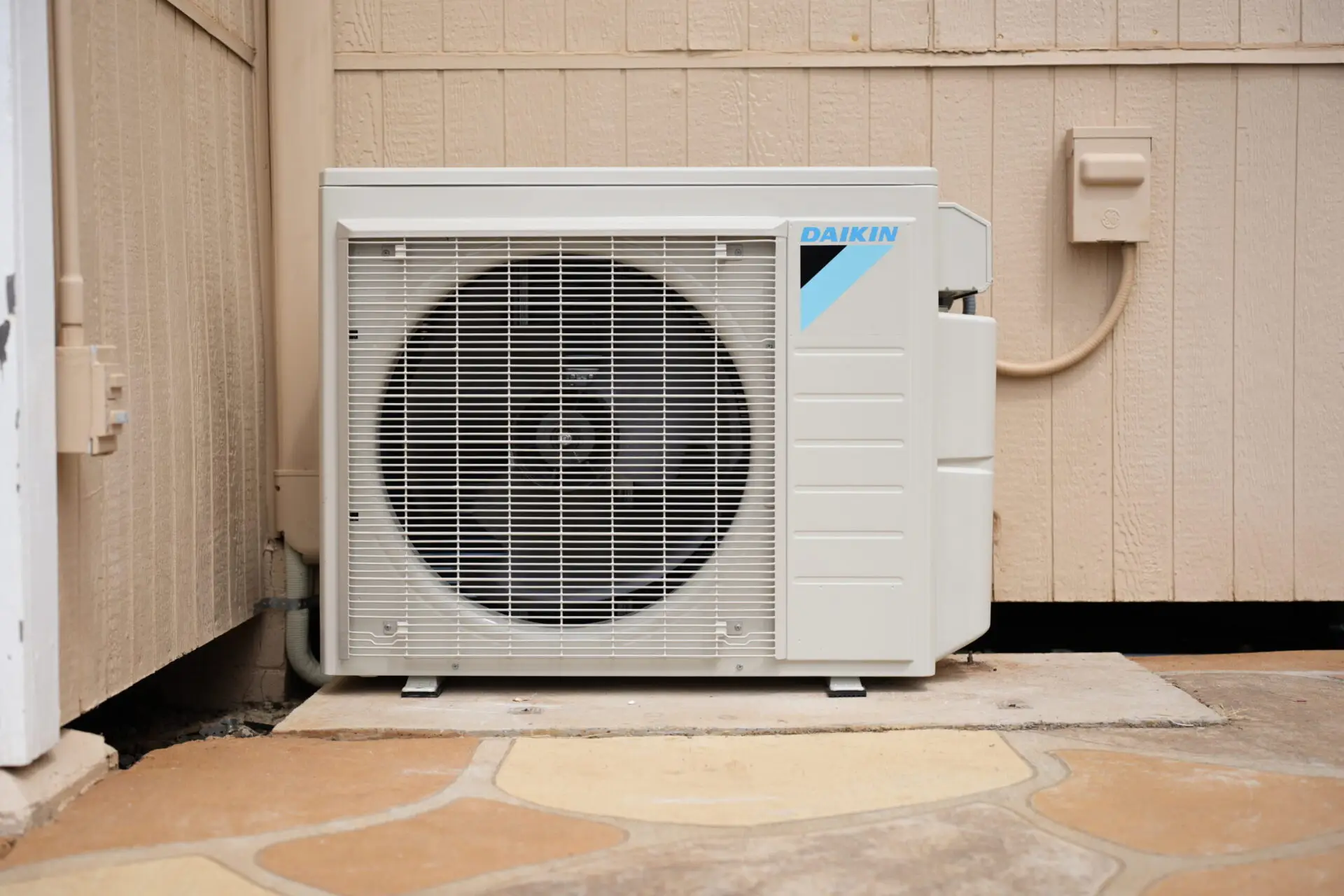
    Before diving into the pros and cons, let’s briefly cover what a ductless HVAC system is. Unlike traditional HVAC systems that rely on a network of ducts to distribute air, ductless systems, also known as ductless air conditioners, consist of an outdoor unit connected to one or more indoor units via refrigerant lines. These indoor units are typically mounted on walls and can independently control the temperature of individual rooms or zones.

    Pros of Ductless HVAC Systems

    1. Flexibility and Zoning

    One of the biggest advantages of ductless mini-split HVAC systems is their flexibility. Each indoor unit operates independently, allowing you to set different temperatures for different rooms or zones. This is particularly beneficial for homes with varying heating and cooling needs across different areas.

    2. Energy Efficiency

    Ductless systems are known for their energy efficiency. Without ducts, there’s no loss of energy due to leaks or poor insulation. Moreover, the ability to cool or heat only the rooms in use can lead to significant energy savings. Mini split systems heat and cool individual rooms or zones efficiently, making them a superior option compared to space heaters and traditional HVAC systems.

    3. Easy Installation

    Compared to traditional HVAC systems, ductless mini split AC systems are relatively easy and quick to install. Since there’s no need for extensive ductwork, the process is less invasive and can often be completed in just one day.

    4. Improved Indoor Air Quality with Indoor Air Handlers

    Traditional ducted systems can accumulate dust, allergens, and other pollutants over time. Ductless systems, on the other hand, have multi-stage filtration that can significantly reduce dust, bacteria, pollen, and other particulates in the air. Regular maintenance, including cleaning or replacing air filters, is essential to ensure optimal system function and indoor air quality.

    5. Quiet Operation

    Ductless systems are generally quieter than traditional HVAC systems. The noisy compressor and condenser units are located outside, while the indoor units are designed to operate quietly, ensuring minimal disruption inside your home. Indoor air handlers in these systems are known for their low noise levels and offer flexible design options for mounting, making them suitable for different room sizes and zones within a home.

    Cons of Ductless HVAC Systems

    1. Higher Upfront Costs

    One of the main drawbacks of mini splits and other ductless HVAC systems is the higher initial cost. The units themselves can be more expensive than traditional systems, and while installation is simpler, the cost of multiple indoor units can add up.

    2. Aesthetic Impact

    While indoor units can be strategically placed, they are still visible and might not blend seamlessly with all interior designs. Some homeowners may find the look of wall-mounted units less appealing compared to hidden ductwork.

    3. Maintenance Requirements

    Ductless mini split systems require regular maintenance to ensure optimal performance. The filters need to be cleaned or replaced periodically, and the outdoor unit should be kept free of debris.

    4. Capacity Limitations

    Mini split systems are ideal for small to medium-sized spaces, but they might not be sufficient for larger homes or buildings without additional units. This can further increase the cost if multiple systems are needed to cover a large area.

    5. Potential for Improper Installation of Outdoor Unit

    While easier to install than traditional systems, ductless HVAC systems still require professional installation to ensure they function correctly. Improper installation can lead to inefficiencies and potential system failures. It is crucial to have air conditioning systems installed by professionals to avoid these issues.

    Ductless HVAC systems offer numerous benefits, including flexibility, energy efficiency, and easy installation. However, they also come with higher upfront costs and specific maintenance needs. By carefully weighing these pros and cons, you can make an informed decision about whether a ductless HVAC system is the right choice for your home or office. At ATTYX, we’re here to provide you with the insights and expertise needed to make the best choice for your HVAC needs.