LGCY Home Services

Blog

  • How to Choose the Right Thermostat for Your HVAC System

    How to Choose the Right Thermostat for Your HVAC System

    Choosing the right thermostat for your HVAC system isn’t just about picking the most advanced model. It’s about finding the best fit for your home’s specific needs and your lifestyle. Here at Attyx, we’re committed to helping you make the best choices for your home’s comfort and efficiency.

    Before diving into thermostat features, it’s crucial to understand your HVAC system, including whether it is a central heating and cooling system or a combination of different components. Do you have a heat pump, furnace, or a combination? Knowing the specifics of your system will narrow down your options and ensure compatibility.

    Types of Thermostats

    1. Non-Programmable Thermostats:
    • Description: Basic thermostats that allow you to set a single temperature.
    • Best For: Homes with a consistent schedule.
    1. Programmable Thermostats:
    • Description: Let you set different temperatures for different times of the day.
    • Best For: Households with predictable routines.
    1. Smart Thermostats:
    • Description: Offer advanced features like remote control, learning your schedule, and energy usage reports.
    • Best For: Tech-savvy users and those looking to maximize energy efficiency.

    However, not all smart thermostats offer the same features; some are designed for basic systems while others support complex multi-stage systems and offer additional functionalities like voice control and air quality monitoring.

    Key Features to Consider

    When choosing a thermostat, consider the following features to find the best match for your needs:

    1. Compatibility:
    • Ensure the thermostat is compatible with your HVAC system, including both heating and cooling systems. Check the voltage, wiring, and whether it supports systems like heat pumps or multi-stage units.
    1. Ease of Use:
    • Look for a user-friendly interface. Some thermostats have touch screens, while others rely on traditional buttons. Many smart thermostats also come with detailed installation instructions and user-friendly interfaces to make the setup process easier.
    1. Energy Savings:
    • Smart thermostats can help reduce energy bills by learning your schedule and adjusting temperatures accordingly.
    • Heating and Cooling Schedule: Smart thermostats can create a seven-day heating and cooling schedule based on your home presence, optimizing energy usage and reducing costs.
    1. Remote Access:
    • Smart thermostats often come with apps that allow you to control the temperature from anywhere using your smartphone.
    1. Integration with Smart Home Devices:
    • If you have other smart home devices, choose a thermostat that integrates seamlessly with them. This can include voice control via assistants like Alexa or Google Assistant.

    Benefits of Smart Thermostats for Energy Savings

    Smart thermostats are becoming increasingly popular due to their convenience and energy-saving potential. Here are some key benefits:

    1. Learning Capabilities:
    • They learn your schedule and preferences, adjusting the temperature automatically to ensure comfort when you’re home and savings when you’re away. Smart thermostats work by storing information about your schedule and preferences to optimize temperature settings automatically.
    1. Remote Control:
    • Manage your home’s temperature from your phone, tablet, or computer, no matter where you are.
    1. Energy Usage Reports:
    • Get insights into your energy usage for both heating and cooling systems, helping you understand how to save more on your utility bills.
    1. Integration with Other Smart Devices:
    • Sync your thermostat with other smart devices for a fully automated home experience.

    Top Picks for the Best Thermostats

    Here are some of the best thermostats available today, ranging from basic to advanced smart options:

    1. Nest Thermostat:
    • Features: Learns your schedule, remote control, and energy reports.
    • Best For: Tech enthusiasts and those focused on energy efficiency.
    1. Ecobee Smart Thermostat Premium:
    • Features: Voice control, room sensors, built-in smart assistants, air quality monitor, AI capabilities.
    • Best For: Comprehensive smart home integration and energy efficiency.
    • It also includes a built-in smart speaker that allows voice control for tasks such as playing music and getting news updates.
    1. Honeywell Home T9:
    • Features: Room sensors, smart alerts, customizable comfort settings.
    • Best For: Homes with varying temperature needs in different rooms.
    1. Emerson Sensi Touch Wi-Fi Thermostat:
    • Features: Touch screen, smart alerts, easy installation.
    • Best For: Those looking for a straightforward, user-friendly smart thermostat.
    1. Amazon Smart Thermostat:
    • Features: Affordability, ease of installation, compatibility with Alexa.
    • Best For: Budget-conscious users looking for basic smart thermostat features.

    Installation Tips for Your HVAC System

    Installing a new thermostat can be a DIY project, but here are a few tips to ensure a smooth process:

    1. Turn Off Power:
      • Always turn off the power to your HVAC system before starting the installation.
    2. Follow Manufacturer Instructions:
      • Each thermostat model is different, so carefully follow the instructions provided.
    3. Label Wires:
      • Label the wires as you disconnect them from your old thermostat to avoid confusion during installation.
    4. Use Online Resources:
      • Many manufacturers provide detailed videos and customer support to help with installation.

    Choosing the right thermostat can greatly enhance your home’s comfort and efficiency. Whether you opt for a basic model or a high-tech smart thermostat, the key is to find one that fits your HVAC system and lifestyle. Consider the features, benefits, and installation tips provided in this guide to make an informed decision and enjoy a more comfortable, energy-efficient home. At Attyx, we’re here to help you navigate these choices for a better living experience.
  • Heat Pumps: A Versatile HVAC Solution

    Heat Pumps: A Versatile HVAC Solution

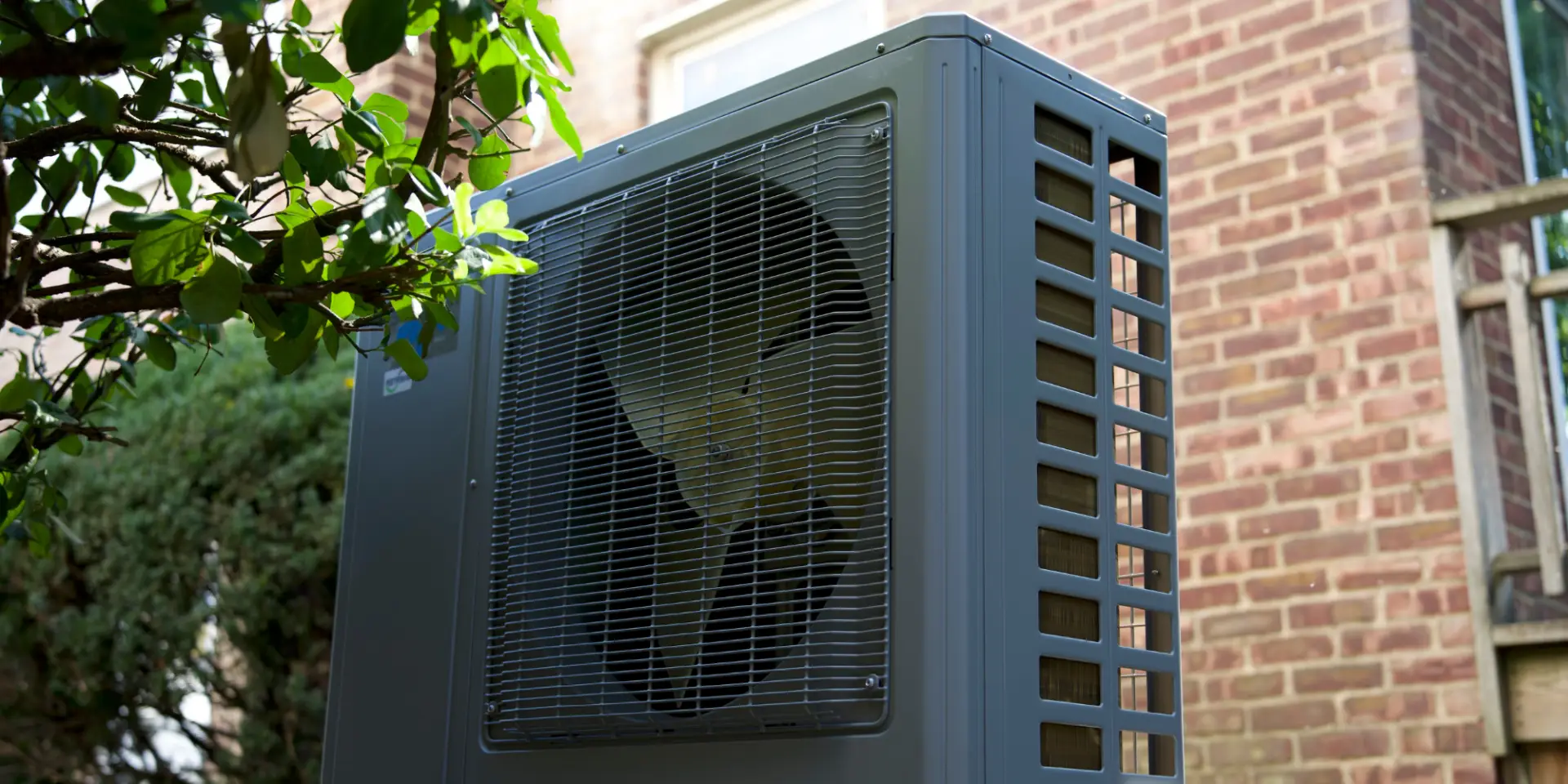
    Energy-efficient HVAC systems, such as heat pumps, are becoming an increasingly popular choice for homeowners seeking efficient HVAC solutions. At Attyx, we believe in the potential of heat pumps to revolutionize your home’s comfort and energy efficiency.

    What Are Heat Pumps?

    A heat pump is a device that transfers heat from one place to another, using a small amount of energy. An air source heat pump is a specific type of heat pump that extracts heat from the outside air. It can both heat and cool spaces, making it an incredibly versatile solution for your home’s HVAC needs. Unlike traditional heating and cooling systems that generate heat, heat pumps move heat around. During the winter, they extract heat from the outside air and bring it indoors. In the summer, they do the opposite, expelling heat from your home to the outside.

    Benefits of Heat Pumps

    1. Energy Efficiency in Energy Efficient HVAC Systems

    One of the most significant benefits of heat pumps is their energy efficiency. The Seasonal Energy Efficiency Ratio (SEER) measures the efficiency of HVAC systems over a cooling season, with higher SEER ratings indicating increased efficiency, similar to a car’s miles per gallon (mpg). They can deliver up to three times more heating energy than the electrical energy they consume. This high efficiency translates to lower energy bills and a smaller carbon footprint. By choosing an efficient HVAC solution like a heat pump, you’re not only saving money but also contributing to a greener planet.

    2. Versatility

    Heat pump systems are incredibly versatile. They provide both heating and cooling from a single unit, functioning as an efficient cooling system in the summer and a reliable heating system in the winter, eliminating the need for separate systems for different seasons. This versatility simplifies your home’s HVAC system, making maintenance easier and potentially reducing upfront installation costs.

    3. Cost-Effectiveness

    While the initial cost of installing a heat pump can be higher than traditional systems, the long-term savings are substantial. Compared to electric resistance heating, heat pumps offer significant cost savings due to their higher energy efficiency. Lower energy consumption means lower utility bills. Additionally, many regions offer tax incentives and rebates for installing energy-efficient systems like heat pumps, further offsetting the initial investment.

    4. Consistent Comfort

    Heat pumps provide consistent and even heating and air conditioning. Unlike traditional systems that can create hot or cold spots, heat pumps distribute air evenly throughout your home, maintaining a comfortable indoor environment year-round.

    5. Low Maintenance

    Heat pumps are known for their durability and low maintenance requirements. Compared to an air conditioner, heat pumps generally require less frequent servicing and are easier to maintain. With regular servicing, a heat pump system can last upwards of 15 years. Basic maintenance involves tasks such as cleaning or replacing filters and ensuring the outdoor unit is free of debris.

    Considerations When Installing Heat Pumps

    1. Climate Suitability for Geothermal Heat Pumps

    Heat pumps are most efficient in moderate climates. Geothermal heat pumps, also known as ground-source heat pumps, are particularly efficient as they transfer heat between the air inside a home and the ground outside, making them suitable for a wider range of climates. In extremely cold temperatures, their efficiency can decrease, as there’s less ambient heat to extract from the outside air. However, modern advancements have led to cold-climate heat pumps that can operate efficiently even in lower temperatures. It’s important to consult with an HVAC professional to determine if a heat pump is suitable for your region.

    2. Initial Cost

    As mentioned, the upfront cost of a heat pump system can be higher than traditional HVAC systems. It’s essential to consider the long-term savings on energy bills and potential incentives available when choosing an energy efficient HVAC system. Many homeowners find that the investment pays off over time through reduced energy costs.

    3. Installation

    Proper installation is crucial for the optimal performance of a heat pump. This is especially true for ground source heat pumps, which require professional installation to ensure efficiency and functionality. It’s recommended to have a professional HVAC technician handle the installation to ensure it’s done correctly. Poor installation can lead to inefficiency and increased maintenance issues down the line.

    4. Backup Heating

    In very cold climates, having a backup heating source can be beneficial. Some homeowners opt for a hybrid system that combines a heat pump with a traditional furnace to ensure reliable heating during extreme cold spells.

    Heat pumps offer a compelling solution for homeowners looking to improve their home’s heating and cooling efficiency. Their versatility, energy efficiency, and potential for cost savings make them a smart choice for modern HVAC needs. While the initial investment may be higher, the long-term benefits often outweigh the costs, providing consistent comfort and lower energy bills.

    Investing in a heat pump system is not only a step towards a more efficient home but also a commitment to a more sustainable future. At Attyx, we encourage you to consult with an HVAC professional to see if a heat pump system is the right fit for your home and enjoy the myriad benefits they bring.

  • Solar Energy Myths Debunked: Separating Fact from Fiction

    Solar Energy Myths Debunked: Separating Fact from Fiction

    In recent years, solar energy has become an increasingly popular energy solution for many home and business owners. After all, solar energy is a great energy source. It’s renewable, environmentally friendly, and easier to harness than many other energy sources. However, there are still many solar energy myths that stop people from making the switch and installing solar panels. Today, our solar experts here at Attyx are going to be debunking solar energy myths and providing you with solar energy facts so that you have all the information you need to make an informed decision about solar energy and solar panels.

    Common Misconceptions About Solar Energy

    Myth 1: Solar Panels Don’t Work in Cloudy or Cold Weather

    One of the most common solar energy myths is that solar panels only work in sunny, warm climates. In reality, solar panels can generate electricity in various weather conditions, including cloudy and cold weather. 

    Myth 2: Solar Energy Is Too Expensive

    One of the other solar energy myths that many people believe is that installing solar panels is very expensive. While installing solar panels does have a higher upfront cost, the long-term savings on energy bills outweigh the upfront investment. Plus, there are many incentives and rebates available that can significantly reduce the cost of solar panel installation. Over the long run, solar energy typically ends up saving you money.

    Myth 3: Solar Panels Require a Lot of Maintenance

    Another common solar myth is that solar panels require constant maintenance and upkeep. In truth, solar panels are pretty durable and require very little maintenance. Most solar panels come with a warranty of 20-25 years and only need occasional cleaning to remove dirt and debris. Regular inspections by a professional can help ensure the system continues to operate efficiently, but overall, maintenance requirements are low.

    Myth 4: Solar Panels Will Damage My Roof

    Some worry that installing solar panels will damage their roofs, but this is a myth. When installed correctly by a professional, solar panels will not cause any harm to your roof. In fact, solar panels can even protect the portion of the roof they cover from weather-related wear and tear. It’s important to work with a knowledgeable, experienced solar panel installation team who can ensure that the panels are securely mounted without compromising the integrity of your roof.

    Myth 5: Solar Energy Isn’t Reliable

    There’s a misconception that solar energy isn’t reliable because it depends on sunlight. However, advancements in solar technology and energy storage solutions have made solar power a reliable energy source. Battery storage systems can store excess energy generated during sunny periods for use at night or on days when the panels generate less power. This system helps you have a continuous energy source. On top of the solar panel energy storage, many solar systems are connected to the grid, providing backup power when needed.

    Myth 6: Solar Panels Are Bad for the Environment

    Some people believe that the production and disposal of solar panels are harmful to the environment. While it’s true that manufacturing solar panels requires energy and resources, the overall environmental impact is significantly lower compared to traditional energy sources. Solar panels produce clean, renewable energy that reduces greenhouse gas emissions and reliance on fossil fuels. Many components of solar panels can be recycled at the end of their lifespan.

    Installing Solar Panels

    Having correct solar energy facts prepares you to make informed decisions about solar panels. If you’re considering installing solar panels on your property, seek out your local solar energy installation experts. If you live in New York, North Carolina, South Carolina, Virginia, California, or Hawaii, reach out to our solar team at Attyx. Our solar panel installation experts are here to discuss your options, debunk any solar myths, and help you make the right decision.

  • The Role of Insulation in HVAC

    The Role of Insulation in HVAC

    Insulating your home isn’t just about keeping warm in the winter and cool in the summer—it’s a key factor in optimizing your HVAC system’s efficiency and improving energy efficiency. At Attyx, we believe that understanding how insulation works and its impact on energy use can help you make informed decisions that enhance your home’s comfort and save you money. Additionally, investing in an efficient HVAC system can provide long-term cost savings, reduce environmental impact, and improve overall operational performance.

    Understanding HVAC Systems’ Energy Efficiency

    HVAC (Heating, Ventilation, and Air Conditioning) systems are designed to maintain comfortable indoor temperatures. However, without adequate insulation, these systems have to work harder, leading to higher energy consumption and increased utility bills. Essentially, insulation acts as a barrier that slows down the transfer of heat, keeping warm air inside during winter and cool air inside during summer. This means your HVAC system doesn’t have to run as frequently or as long to maintain the desired temperature, thereby improving its efficiency rating.

    Additionally, enhancing your HVAC system’s energy efficiency can significantly reduce energy costs and lower your carbon footprint.

    The Impact of Insulation on HVAC Systems

    Maintaining Indoor Temperature

    Proper insulation helps maintain a consistent indoor temperature, reducing the load on your HVAC system. Air source heat pumps (ASHP) are an effective solution for maintaining indoor temperature, especially in cold climates. When your home is well-insulated, heat loss in winter and heat gain in summer are minimized, allowing your HVAC system to operate more efficiently. This stability not only enhances comfort but also ensures that your HVAC system works at optimal performance levels. Insulation acts as a protective barrier, preventing external temperature fluctuations from affecting the indoor environment. This results in a steady and comfortable temperature throughout the house, regardless of the weather outside.

    Energy Savings

    Insulating your home can significantly lower your energy bills. Introducing the concept of Seasonal Energy Efficiency Ratio (SEER), which measures the efficiency of HVAC systems over a cooling season, can help you understand how to maximize these savings. According to the U.S. Department of Energy, you can save up to 15% on heating and cooling costs by properly insulating your home. This reduction in energy consumption not only saves money but also reduces your carbon footprint. When insulation is effectively installed, it minimizes the need for constant HVAC operation, leading to reduced energy use. The savings can be substantial, particularly in extreme climates where heating and cooling demands are high. Over time, these savings can add up, making insulation a wise long-term investment.

    Extended HVAC Lifespan

    When your HVAC system doesn’t have to work as hard to maintain indoor temperatures, it experiences less wear and tear. The heating seasonal performance factor (HSPF) measures the efficiency of heat pumps across an entire season, indicating how many BTU’s the heat pump will put out for every kWh used. This can extend the lifespan of the system, reducing the frequency and cost of repairs and replacements. A less strained system means fewer breakdowns and maintenance issues. By reducing the load on your HVAC system, insulation helps ensure that it operates smoothly and efficiently for years to come. This longevity not only saves money on potential repairs and replacements but also enhances the overall reliability and performance of your HVAC system.

    Enhanced Indoor Air Quality

    Proper insulation can also contribute to better indoor air quality. Using a heat pump can further enhance this by providing both heating and cooling which maintains efficient operation during the heating season. By sealing gaps and cracks where outdoor pollutants can enter, insulation helps keep your indoor air cleaner and healthier. This is particularly important for those with allergies or respiratory issues, as it reduces the presence of dust, pollen, and other allergens inside your home. Additionally, maintaining a stable indoor temperature through effective insulation can prevent the growth of mold and mildew, which thrive in environments with high humidity and temperature fluctuations.

    Noise Reduction

    Insulation isn’t just about temperature control; it also provides soundproofing benefits. Properly insulated homes are quieter because insulation materials can dampen outside noises. This is especially beneficial if you live in a noisy area or near busy streets. The added peace and quiet can significantly enhance the comfort and tranquility of your living space.

    Best Practices for Insulating Your Home

    To maximize the efficiency of your HVAC system, it’s important to focus on key areas of your home that can benefit most from insulation: High efficiency and ENERGY STAR certified heating and cooling equipment can significantly enhance energy savings and provide environmental benefits.

    Attic Insulation

    Heat rises, making the attic a critical area for insulation. Properly insulating your attic can prevent heat from escaping in the winter and entering in the summer.

    Wall Insulation

    Insulating exterior walls can significantly reduce heat transfer. In older homes, it might be necessary to add insulation to walls that were not originally insulated.

    Floor Insulation

    Insulating floors, especially those above unheated spaces like basements or garages, can prevent heat loss.

    Windows and Doors

    While not insulation per se, ensuring that windows and doors are properly sealed can prevent drafts and improve overall insulation.

    Types of Insulation

    Fiberglass

    A common and cost-effective insulation material, fiberglass is available in batts, rolls, and loose-fill. It’s easy to install and offers good thermal performance.

    Spray Foam

    Spray foam insulation provides excellent thermal resistance and can seal gaps and leaks effectively. It’s ideal for hard-to-reach areas and provides an airtight seal.

    Rigid Foam

    Rigid foam panels offer high insulation value and are typically used in walls, roofs, and foundations. They provide excellent thermal resistance and moisture control.

    Reflective Insulation

    Reflective insulation is designed to reflect heat, making it ideal for attics. It’s especially effective in hot climates where it can reduce cooling costs.

    Proper insulation is a game-changer for HVAC efficiency. By investing in high-quality insulation and ensuring key areas of your home are well-insulated, you can significantly reduce energy consumption, lower utility bills, and extend the life of your HVAC system. Remember, a well-insulated home not only boosts comfort but also contributes to a more sustainable and energy-efficient future. At Attyx, we’re here to help you achieve the best in home comfort and efficiency.

  • Slate Roof Benefits: A Timeless and Durable Option

    Slate Roof Benefits: A Timeless and Durable Option

    Considering a new roof? Slate roofs offer an unmatched combination of durability and timeless elegance. Our team of roofing experts digs into the benefits of installing a slate roof and see why it’s a top choice for many homeowners.

    Introduction

    When it comes to roofing, homeowners are always on the lookout for materials that combine durability, aesthetics, and longevity. Enter slate roofs—a choice that has stood the test of time. Known for their classic appearance and remarkable resilience, slate roofs are more than just a roofing option; they’re a statement of style and quality.

    The Benefits of Installing a Slate Roof

    1. Unmatched Longevity

    One of the most compelling reasons to choose a slate roof is its longevity. While asphalt shingles might last 20-30 years, slate roofs can endure for over a century with proper maintenance. Some historic buildings still boast their original slate roofs, showcasing their incredible durability.

    2. Timeless Aesthetic Appeal

    Slate roofs exude a classic, timeless beauty that enhances the architectural style of any home. Available in various shades, including green, gray, black, and red, slate tiles add an elegant and sophisticated look that’s hard to match with other roofing materials.

    3. Superior Durability

    Slate is a naturally occurring stone, making it incredibly durable and resistant to harsh weather conditions. Whether it’s heavy snowfall, strong winds, or intense heat, slate roofs can withstand it all. This resilience reduces the need for frequent repairs and replacements, offering peace of mind to homeowners.

    4. Eco-Friendly Option

    For those looking to reduce their environmental footprint, slate roofs are an excellent choice. The production of slate tiles has a lower environmental impact compared to other roofing materials, and their long lifespan means less waste in landfills. Additionally, slate is a natural, recyclable material.

    5. Fire Resistance

    Slate roofs are highly fire-resistant, providing an added layer of protection for your home. Unlike wooden or asphalt shingles, slate tiles won’t ignite, which can be a significant advantage in areas prone to wildfires.

    Considerations Before Installing a Slate Roof

    1. Initial Cost

    While slate roofs offer numerous benefits, they do come with a higher upfront cost compared to other roofing materials. The investment, however, can be justified by the roof’s longevity and the minimal maintenance costs over its lifetime.

    2. Weight

    Slate is a heavy material, which means your home needs to be structurally capable of supporting the weight. This might require additional structural work or reinforcements, especially in older homes not originally designed for such loads.

    3. Installation Expertise

    Not all roofing contractors have experience with slate roofs. It’s crucial to find a skilled and experienced professional to ensure proper installation. Poor installation can negate many of the benefits of slate roofing, leading to potential issues down the line.

    Comparing Slate to Other Classic Roofing Materials

    1. Clay Tiles

    Like slate, clay tiles offer a long lifespan and aesthetic appeal. However, they can be fragile and prone to cracking under heavy impact. They’re also slightly less durable than slate in extreme weather conditions.

    2. Wood Shingles

    Wood shingles provide a rustic charm and are often chosen for their natural look. However, they require more maintenance and are less durable than slate. Wood is also susceptible to fire and rot, making it a less favorable option in certain climates.

    3. Metal Roofing

    Metal roofs are known for their durability and fire resistance. They’re lightweight compared to slate and can last a long time. However, they don’t offer the same timeless aesthetic and can be noisier during rainstorms.

    Choosing the right roofing material is a significant decision for any homeowner. Slate roofs offer unparalleled longevity, classic beauty, and exceptional durability, making them an excellent choice for those looking to invest in their home’s future. While the initial cost and weight considerations might be challenging, the benefits of a slate roof can far outweigh these drawbacks.

    If you’re considering a new roof and want something that combines elegance with resilience, a slate roof might just be the perfect fit. Always consult with a professional, like Attyx, to assess your home’s structural capacity and to ensure a quality installation.

  • The Role of Roof Insulation in Energy Efficiency

    The Role of Roof Insulation in Energy Efficiency

    Understanding the importance of roof insulation goes beyond just maintaining a comfortable indoor temperature. It plays a crucial role in a home’s overall energy efficiency, contributing to significant cost savings and environmental benefits. Here’s a deep dive into why roof insulation is vital and how it enhances energy efficiency.

    The Role of Roof Insulation in Energy Efficiency

    Temperature Regulation: Roof insulation acts as a barrier, reducing the amount of heat that escapes in the winter and enters in the summer. This regulation of temperature ensures a more stable indoor environment, which is essential for comfort and energy efficiency.

    Reducing Energy Consumption: When a home is well-insulated, heating and cooling systems do not have to work as hard to maintain a comfortable temperature. This reduced workload translates into lower energy consumption, which can significantly cut down utility bills. For instance, the U.S. Department of Energy estimates that homeowners can save an average of 15% on heating and cooling costs by insulating their roofs and attics.

    Environmental Impact: Lower energy consumption means less reliance on fossil fuels and a reduction in greenhouse gas emissions. By improving roof insulation, homeowners can contribute to environmental sustainability. A well-insulated roof can be a powerful tool in the fight against climate change by minimizing a home’s carbon footprint.

    Types of Roof Insulation

    Fiberglass Insulation: One of the most common types, fiberglass insulation, is made from fine strands of glass. It is known for its durability and effectiveness in reducing heat transfer. Fiberglass is often used in batts or loose-fill forms, providing flexibility in application.

    Spray Foam Insulation: This type of insulation expands upon application, filling gaps and creating an air-tight seal. Spray foam insulation is excellent for roofs with irregular shapes and hard-to-reach areas. It provides superior thermal resistance and also acts as a barrier to moisture.

    Reflective or Radiant Barrier Insulation: This type of insulation reflects heat away from the home, making it particularly effective in warmer climates. Radiant barriers are usually installed in the attic under the roof to reduce cooling costs.

    Rigid Foam Insulation: Made from materials like polystyrene, polyisocyanurate, or polyurethane, rigid foam boards offer high insulating values with relatively thin layers. They are ideal for adding insulation to the exterior of a roof before installing a new roof covering.

    Benefits of Roof Insulation

    Enhanced Comfort: Proper roof insulation maintains a consistent indoor temperature, eliminating cold drafts in the winter and excessive heat in the summer. This stability creates a more comfortable living environment.

    Cost Savings: The initial investment in roof insulation can be substantial, but the long-term savings on energy bills make it worthwhile. Over time, the reduced energy costs can pay back the insulation investment and continue to save money.

    Increased Property Value: Homes with effective insulation are more attractive to potential buyers. Energy-efficient homes often sell at a premium, and the presence of proper insulation can be a key selling point.

    Noise Reduction: Insulation also provides soundproofing benefits. It can reduce the amount of noise entering the home from outside, such as traffic, neighborhood activities, or rain and hail hitting the roof.

    Protecting the Roof: Insulation helps prevent ice dams in the winter, which occur when heat escapes through the roof, melting snow that then refreezes at the roof’s edge. This can lead to water damage and increased wear on the roofing materials.

    Emotional and Practical Considerations

    Peace of Mind: Knowing that your home is energy-efficient and environmentally friendly brings peace of mind. It’s comforting to know that you are doing your part in reducing energy consumption and greenhouse gas emissions.

    Comfortable Living Space: A well-insulated roof ensures a consistently comfortable indoor environment, reducing the stress and discomfort caused by temperature fluctuations.

    Long-term Investment: While the upfront cost of insulation can be significant, the long-term benefits far outweigh the initial expense. Homeowners can rest easy knowing they’ve made a smart investment in their property’s future.

    Implementing Roof Insulation

    Professional Assessment: Before installing insulation, it’s wise to get a professional assessment of your roof’s current state. Professionals can identify areas where insulation is lacking and recommend the best type of insulation for your home.

    DIY vs. Professional Installation: While some types of insulation can be installed by homeowners, professional installation ensures that the job is done correctly and safely. Professionals have the necessary tools and expertise to handle insulation materials and install them effectively.

    Maintenance and Upkeep: Insulation does not usually require much maintenance, but it’s good practice to check it periodically for signs of damage or wear. Replacing or adding insulation as needed keeps your home energy-efficient and comfortable.

    Roof insulation is an essential component of an energy-efficient home. It offers numerous benefits, from reducing energy consumption and utility bills to enhancing comfort and contributing to environmental sustainability. By investing in proper roof insulation, homeowners can enjoy a more stable indoor environment, increased property value, and the satisfaction of making an eco-friendly choice.

    For those looking to enhance their home’s energy efficiency through roof insulation, Attyx provides expert services to ensure the job is done right. Their professional approach can help you achieve the best results, making your home more comfortable and energy-efficient.

  • DIY Solar Panel Installation: What You Need to Know

    DIY Solar Panel Installation: What You Need to Know

    Installing solar panels yourself can be a cost-effective way to harness renewable energy and reduce your carbon footprint. This DIY solar guide will provide you with a step-by-step approach to help you install solar panels yourself.

    Planning and Preparation for DIY Solar Panel Installation

    Assess Your Energy Needs

    Before starting the installation, you need to assess your energy needs. Figure out how much energy your household uses and then calculate the number of solar panels required to meet that demand. This information will help you decide on the size and type of solar panel system you need.

    Choose the Right Location to Install Solar Panels

    Selecting the best location for your solar panels helps increase their energy efficiency. In the Northern Hemisphere, most panels should face south and be tilted at an angle that matches your latitude. Ensure there are no trees or buildings that could block sunlight.

    Gather Tools and Materials

    You’ll need several tools and materials for the installation:

    • Solar panels
    • Mounting hardware
    • Inverter
    • Batteries (Optional)
    • Charge controller (If using batteries)
    • Drill and drill bits
    • Wrenches and screwdrivers
    • Wire cutters and strippers
    • Multimeter
    • Electrical wiring
    • Safety gear
    • Ladder

    How to Install Solar Panels Yourself: Step-by-Step Installation Guide

    Step 1: Install the Mounting System

    The first step in DIY solar panel installation is setting up the mounting system to secure the solar panels to your roof.

    1. Locate the Roof Studs: Use a stud finder to locate the studs in your roof where the mounting brackets will be attached.
    2. Attach Mounting Brackets: Secure the mounting brackets to the roof studs using lag bolts. Ensure they are level and evenly spaced.
    3. Install Rails: Attach rails to the mounting brackets following the manufacturer’s instructions.

    Step 2: Set Up the Solar Panels

    1. Attach Panels to Rails: Lift each solar panel onto the rails and secure them with the included clamps or brackets. Make sure they are aligned and tightly fastened.
    2. Connect Panels Together: Connect the solar panels in series or parallel, depending on your system design. Use the connectors and wiring as specified by the manufacturer.

    Step 3: Wiring the System

    1. Install the Inverter: Mount the inverter close to your main electrical panel.
    2. Connect Solar Panels to Inverter: Run electrical wiring from the solar panels to the inverter. Use a conduit to protect the wiring. Be careful to follow local electrical codes.
    3. Ground the System: Connect the grounding wire from the solar panels and inverter to a grounding rod or your home’s electrical grounding system.

    Step 4: Connecting to Your Electrical System

    1. Install a Disconnect Switch: Mount the disconnect switch near your main electrical panel.
    2. Connect to Main Electrical Panel: Run wiring from the inverter to the disconnect switch and then to your main electrical panel. You may need a licensed electrician to make the final connection to ensure compliance with local codes and regulations.

    Step 5: Testing and Activation

    1. Check All Connections: Double-check all electrical connections to ensure they are secure and properly insulated.
    2. Test the System: Use a multimeter to test the voltage and current output of the solar panels and the inverter. 
    3. Activate the System: Turn on the inverter and the disconnect switch to begin generating solar power.

    Turn to Solar Panel Installation Experts

    While DIY solar panel installation can help you avoid the cost of installation, it can also be quite dangerous and risky. If you don’t have a background in electrical work, it is usually best to reach out to a local team of solar panel experts for installation. At Attyx, our solar team is trained in proper installation processes and safety procedures that help ensure successful solar panel installation. We provide affordable options and low-interest financing plans. Just give us a call.

  • Temporary HVAC Fixes: How to Handle Emergencies

    Temporary HVAC Fixes: How to Handle Emergencies

    When your HVAC system suddenly malfunctions, it’s easy to panic. Whether it’s the height of summer or the dead of winter, an HVAC emergency can disrupt your comfort and safety. HVAC companies offer 24/7 emergency services to address HVAC emergencies promptly and provide professional expertise for regular maintenance and repairs. But don’t worry—there are steps you can take to manage the situation effectively. At Attyx, we’ve got your back with a comprehensive guide to navigating HVAC emergencies.

    1. Identifying Common HVAC Emergencies

    System Not Turning On

    One of the most alarming HVAC emergencies is when the system doesn’t turn on at all. This could be due to a power issue, thermostat problem, or a more severe mechanical failure.

    Strange Noises

    Unusual sounds such as banging, clanking, or squealing can indicate serious issues within your HVAC system. These noises often suggest problems with the motor, blower, or other internal components.

    Inadequate Heating or Cooling

    If your HVAC system is running but not providing adequate heating or cooling, it could be due to common air conditioning issues such as a refrigerant leak, blocked vents, or a failing compressor. A frozen coil in an air conditioner is a common reason for it not blowing cold air. If the AC unit is blowing hot air instead of cool air, it may indicate a need for professional repair or maintenance.

    Water Leaks and Refrigerant Leak

    Water pooling around your HVAC unit can indicate a clogged condensate drain, frozen evaporator coils, or other moisture-related issues. A clogged drain line can lead to potential water backups and damage to the system and building.

    2. Performing Temporary HVAC Fixes

    Check the Thermostat

    Sometimes, the issue is as simple as a misconfigured thermostat. Ensure it’s set to the correct mode (heat or cool) and temperature. Replace batteries if necessary.

    Reset the System

    For systems that aren’t turning on, try resetting the unit. Turn off the HVAC system, wait for about 5 minutes, and then turn it back on. This can sometimes clear minor faults.

    Inspect Air Filters

    Dirty or clogged air filters can cause a range of HVAC issues. Clean air filters are essential for maintaining good indoor air quality by keeping the air free from dust and allergens. Check your filters and replace them if they’re dirty. This can improve airflow and system performance.

    Clear Debris from Outdoor Unit and Clogged Drain Line

    If you have an outdoor unit, ensure it’s free from debris like leaves, dirt, and grass. Blockages can cause the system to overheat and malfunction.

    Thaw Frozen Coils

    If you notice ice buildup on the evaporator coils, turn off the system to allow the ice to melt. You can use a hairdryer on a low setting to speed up the thawing process. Once melted, check for potential causes like blocked vents or low refrigerant levels. Refrigerant leaks should be addressed promptly due to their potential harm to the environment and health, as well as the impact on the efficiency of HVAC systems.

    3. Knowing When to Call a Professional

    Electrical Issues

    If you suspect an electrical problem, such as a tripped breaker or burnt wires, it’s best to contact a professional. Electrical issues can be dangerous to handle without proper training.

    Persistent Problems

    If the same issue keeps occurring despite your efforts, it indicates a deeper problem that needs expert attention. Continuous problems can lead to more significant damage if not addressed promptly.

    Unusual Smells and Carbon Monoxide Leak

    Foul odors like burning or gas smells should never be ignored. These can signal serious hazards such as electrical faults or gas leaks, requiring immediate professional intervention.

    Water Damage

    Significant water leaks or signs of water damage around your HVAC unit should be handled by a professional. Water damage can lead to mold growth and structural issues.

    4. Preventive Measures to Avoid Future Emergencies

    Regular Maintenance

    Schedule regular HVAC maintenance to keep your system running efficiently. Professional technicians can spot potential issues before they become emergencies.

    Replace Old Systems

    If your HVAC system is over 10-15 years old, consider replacing it. Newer systems are more efficient and less prone to breakdowns.

    Install Surge Protectors

    Protect your HVAC system from electrical surges by installing surge protectors. This can prevent damage from lightning strikes and power outages.

    Keep Vents Clear

    Ensure that all vents and registers are unobstructed. Blocked vents can cause your system to work harder and increase the risk of failure.

    Handling HVAC emergencies can be daunting, but with the right knowledge and quick action, you can manage most urgent HVAC issues effectively. Remember, temporary fixes are just that—temporary. For long-term reliability and safety, always consult with a professional. By taking preventive measures and staying vigilant, you can minimize the chances of future HVAC emergencies. At Attyx, we’re here to help you maintain comfort and efficiency in your home.

  • The Cost of HVAC Replacement: What to Expect

    The Cost of HVAC Replacement: What to Expect

    Replacing your HVAC system with a new HVAC system is a significant investment, and it’s essential to understand what you’re getting into. Several factors influence the cost, and being aware of these can help you make informed decisions. Let’s dive into the details with Attyx.

    Key Factors Influencing HVAC Replacement Cost

    1. System Size
    • The size of the HVAC system you need depends on the square footage of your home. Larger homes require more powerful systems, which typically cost more. It is crucial to size the air conditioner unit properly to ensure optimal performance and energy efficiency. The relationship between tonnage and British Thermal Units (BTUs) is essential in determining the right unit size for your home.
    1. Efficiency Rating
    • HVAC systems come with varying efficiency ratings, usually indicated by SEER (Seasonal Energy Efficiency Ratio). Higher SEER ratings mean better energy efficiency but come with a higher price tag. An efficient HVAC system can increase the value of a home, making it a worthwhile investment for homeowners.
    1. Brand and Model
    • The brand and model of the HVAC system you choose can significantly impact the cost. Premium brands with advanced features are generally more expensive.
    1. Installation Complexity
    • The complexity of the installation process can affect the overall cost. If your home requires extensive ductwork modifications or if there are accessibility issues, labor costs will increase.
    1. Additional Features
    • Modern HVAC systems often come with additional features like smart thermostats, variable speed fans, and zoning systems. While these can enhance comfort and efficiency, they also add to the cost.

    General HVAC Installation Costs Estimate

    To give you a rough idea, here are some general estimates for HVAC replacement costs:

    • Basic System (1.5 to 2.0 Tons): $3,500 – $4,500
    • Mid-Range System (2.5 to 3.5 Tons): $4,500 – $6,000
    • High-End System (4.0 to 5.0 Tons): $6,000 – $10,000

    Installing a central air conditioner typically costs between $3,000 and $7,000, depending on the size and complexity of the system.

    Opting for an energy-efficient system can lead to significant long-term savings on energy bills and may qualify for tax credits and rebates.

    These estimates include both the unit and installation costs. However, keep in mind that prices can vary based on the factors mentioned above.

    Breakdown of Costs

    Here’s a detailed look at what contributes to the overall cost:

    • Unit Price: This is the cost of the HVAC system itself. Higher efficiency units with advanced features will cost more.
    • Labor: Professional installation is crucial for optimal performance and longevity of the system. Labor costs can vary based on the complexity of the installation. Factors influencing HVAC installation costs include the unit size, installation location, and additional repairs or replacements needed.
    • Ductwork: If your existing ductwork is old or damaged, you may need to replace it, which can add to the cost.
    • Permits and Inspections: Depending on your location, you might need permits and inspections, which can incur additional fees.
    • Miscellaneous: This includes costs for removing the old system, electrical work, and any necessary modifications to your home’s structure. The overall HVAC installation process can also involve additional features and considerations for both professional and DIY methods.

    Hidden Costs to Consider

    Beyond the obvious costs of the HVAC unit and installation, there are several hidden costs that you might not immediately consider:

    1. Energy Usage: While a more efficient system might cost more upfront, it can save you money on energy bills over time. Upgrading from an existing HVAC system to a more energy-efficient model can also make you eligible for tax credits and rebates.
    2. Maintenance: Regular maintenance is essential for keeping your HVAC system running efficiently. Maintaining an energy-efficient system is particularly important to ensure it continues to provide cost-saving benefits. Plan for annual check-ups and potential repairs.
    3. Warranty Coverage: Some systems come with extensive warranties, which can be a great investment, but sometimes these warranties have conditions that might require additional costs.
    4. Thermostat Upgrade: If your new system requires a compatible thermostat, you might need to upgrade, adding to the overall cost.

    Choosing the Right HVAC System

    Selecting the right HVAC system is crucial for your comfort and budget. Here are some tips to help you choose the best system for your needs:

    • Assess Your Home’s Needs: Consider the size of your home, your climate, and your family’s comfort preferences. You might also consider a geothermal heat pump for its energy savings and efficiency.
    • Energy Efficiency: Look for systems with high SEER ratings. While they cost more initially, the savings on energy bills can be substantial. A system that provides both heating and cooling can offer additional benefits in terms of convenience and cost-effectiveness.
    • Research Brands: Some brands are known for their reliability and customer service. Reading reviews and asking for recommendations can guide you.
    • Consider Future Needs: If you plan to expand your home or make significant changes, factor that into your decision.

    DIY vs. Professional Installation

    While the idea of saving money by installing your HVAC system yourself might be tempting, it’s generally not advisable. Proper air conditioning installation is crucial for ensuring the system operates efficiently and safely. Here are some reasons why professional installation is worth the investment:

    1. Safety: HVAC systems involve complex electrical and refrigerant components that can be hazardous if not handled properly.
    2. Efficiency: Professionals ensure that your system is installed correctly for optimal performance and provides adequate cool air.
    3. Warranty: Many manufacturers require professional installation to honor warranties.
    4. Peace of Mind: Hiring a professional means you can rely on their expertise and experience, reducing the risk of costly mistakes.

    Replacing your HVAC system is a significant decision that requires careful consideration of various factors. By understanding the costs involved and what influences them, you can make a more informed choice that fits your budget and needs. Remember, investing in a high-quality, efficient system can save you money in the long run through reduced energy bills and fewer repairs. At Attyx, we’re here to help you make the best decision for your home’s comfort and efficiency.

  • DIY HVAC Maintenance: What You Can Do Yourself and When to Call a Pro

    DIY HVAC Maintenance: What You Can Do Yourself and When to Call a Pro

    Why DIY HVAC Maintenance Matters

    Keeping your HVAC system in good shape isn’t just about comfort; it’s about efficiency and cost savings too. Regular maintenance can prolong the life of your unit, reduce energy bills, and prevent unexpected breakdowns. But not all tasks require a professional’s touch. Here’s a look at what you can handle on your own and when it’s best to call in an expert.

    DIY HVAC Maintenance Tasks You Can Handle

    1. Changing Air Filters

    One of the simplest yet most crucial tasks is changing the air filters. Dirty filters can impede airflow, making your system work harder and less efficiently. Aim to change them every 1-3 months, depending on your usage and the type of filter you have.

    2. Cleaning the Outdoor Unit

    Over time, debris like leaves, dirt, and grass can accumulate around your outdoor unit, reducing its efficiency. Every few months, take a garden hose and gently wash away the debris. Ensure the unit is off before you start cleaning.

    3. Inspecting and Cleaning Ductwork

    Check your ductwork for visible signs of dust and debris. You can clean reachable areas with a vacuum. Additionally, ensure that all registers and vents are free of obstructions like furniture or drapes.

    4. Checking the Thermostat

    Ensure your thermostat is working correctly and has fresh batteries if it’s a battery-powered unit. Consider upgrading to a programmable thermostat for better energy management.

    5. Clearing Drain Lines

    HVAC systems often have drain lines that can become clogged with algae or debris. Periodically, flush the drain lines with a solution of bleach and water to prevent blockages and backups.

    When to Call a Professional

    While DIY maintenance is great for routine care, some tasks require a professional’s expertise, like ATTYX. Here are situations where you should definitely call in a pro:

    1. Strange Noises or Odors

    If you notice unusual noises (like grinding or squealing) or strange odors coming from your HVAC system, it’s time to call a professional. These can indicate serious issues that require specialized tools and knowledge to diagnose and fix.

    2. Frequent Cycling

    If your system frequently turns on and off, it may be an indicator of a bigger problem. A professional can determine if it’s an issue with the thermostat, wiring, or another component.

    3. Inconsistent Temperatures

    If some rooms are significantly warmer or cooler than others, it could be due to ductwork issues or an improperly sized system. A professional can assess and address these problems.

    4. High Energy Bills

    A sudden spike in your energy bills could signal that your HVAC system is running inefficiently. A pro can perform a thorough inspection and tune-up to get things back on track.

    5. Regular Professional Inspections

    Even if everything seems fine, it’s wise to schedule a professional inspection at least once a year. A professional can catch potential problems early and ensure your system is running optimally.

    Professional HVAC Repair and Maintenance Tips

    When you do need to call in the pros, here are a few tips to ensure you’re getting the best service:

    • Check Credentials: Ensure the technician is licensed and insured.
    • Read Reviews: Look up reviews and ask for references to ensure quality service.
    • Get Multiple Quotes: Don’t hesitate to get a few quotes to ensure you’re getting a fair price.
    • Ask About Maintenance Plans: Many HVAC companies offer maintenance plans that can save you money in the long run.

    Maintaining your HVAC system doesn’t have to be overwhelming. By taking care of simple tasks like changing filters and cleaning the unit, you can keep your system running efficiently. However, knowing when to call a professional is equally important. Strange noises, high energy bills, and inconsistent temperatures are all signs that it’s time to bring in an expert.

    Regular maintenance, both DIY and professional, will not only extend the life of your HVAC system but also ensure your home stays comfortable year-round. So, roll up your sleeves for the simple tasks, and don’t hesitate to call a pro when needed. Your HVAC system—and your wallet—will thank you.