LGCY Home Services

Blog

  • Comparing Solar Energy to Other Renewable Sources: Which is Best?

    Comparing Solar Energy to Other Renewable Sources: Which is Best?

    As the world moves towards more sustainable energy solutions, you may find yourself wondering which renewable energy source is best. Solar energy, wind energy, and hydroelectric power each have their advantages and disadvantages. Here’s everything you need to understand solar energy versus other renewables.

    Solar Energy

    Pros of Solar Energy

    Abundant Renewable Energy Source

    Solar energy is both abundant and renewable, unlike many traditional energy sources like gasoline and fossil fuel. The sun provides an almost limitless supply of energy, and harnessing it doesn’t deplete any natural resources.

    Low Operating Costs

    Once installed, solar panels have low operating costs. Their maintenance needs are minimal compared to some other renewable energy resources, making them more affordable to operate in the long run.

    Versatile Locations

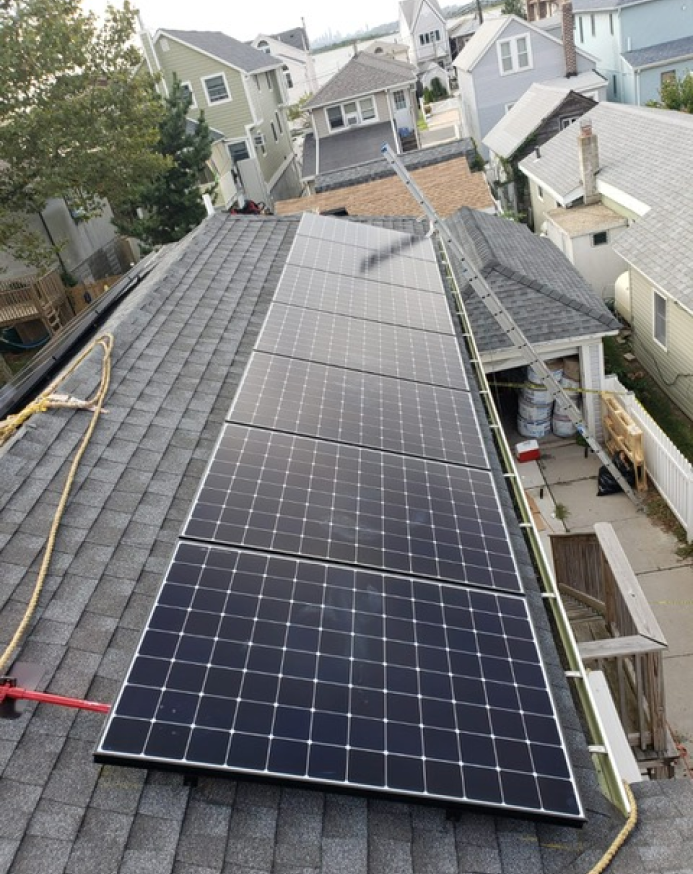
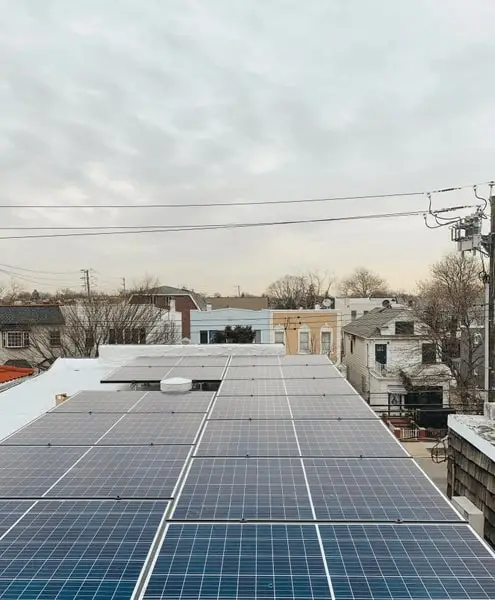
    One of the major advantages of solar energy versus other renewables is that solar panels can be installed in a wide range of locations, from rooftops to fields to water surfaces. This versatility makes it easy to integrate solar power into different environments.

    Cons of Solar Energy

    Intermittent Energy Source

    Solar energy production depends on sunlight. While solar panels do still generate energy on cloudy days, energy production is slower. In general, solar panels are installed with energy storage solutions to save energy for nighttime and lower energy production days.

    Upfront Costs

    Purchasing and installing solar panels can have a high upfront cost. However, the costs have been decreasing, and there are various incentives and rebates available to offset this expense. Over time, the money saved on energy expenses almost always makes up for the initial cost.

    Wind Energy

    Pros of Wind Energy

    High Energy Output in the Right Areas

    Wind turbines can generate a lot of electricity when they’re in areas with strong and consistent winds. They are particularly effective in large-scale energy production.

    Low Operating Costs

    Similar to solar panels, wind turbines have low operational costs once installed. They also require minimal maintenance and have no fuel costs.

    Efficiency Land Use

    Wind turbines can be installed on land that can still be used for other purposes, such as agriculture. This double-use capability maximizes efficient land use.

    Cons of Wind Energy

    Variable Wind Speeds

    Wind energy production tends to vary more than solar energy. Production levels depend on wind speeds, which can be variable and unpredictable. This variability can make wind power less reliable than solar energy in many situations.

    Noise and Visual Impact

    Some people are bothered by seeing wind turbines interrupt nature. Wind turbines can also be noisy. 

    Wildlife Impact

    Wind turbines can be dangerous for birds and other flying creatures.

    Upfront Costs

    Wind turbines involve high upfront costs, similar to solar energy.

    Hydroelectric Power

    Pros of Hydroelectric Power

    Reliable and Consistent

    Hydroelectric power is generally considered to be a more reliable and consistent renewable energy source than solar and wind power. Dams can provide a steady supply of electricity and can quickly adjust to changes in demand.

    Water Management Benefits

    Hydroelectric dams can provide additional benefits, such as water supply, irrigation, and flood control, contributing to overall resource management.

    Cons of Hydroelectric Power

    Environmental Impact

    Building dams can have significant environmental impacts, including altering water ecosystems, affecting fish populations and migrations, and displacing local communities.

    High Initial Costs

    Of all the renewable energy sources, hydroelectricity involves the highest initial cost and level of long-term planning. Because of this, hydro energy generally isn’t worth it on a small scale. 

    Limited Locations

    Not all locations are good locations for hydroelectric power generation. It requires specific geographical conditions: a river with a steady flow and the right elevation changes.

    Which Renewable Energy Source Is Best?

    So what renewable energy source is the best? The answer is, it depends. Often, solar energy is the most accessible, readily available, and versatile renewable energy source, making it the best energy source in most situations.

    Installing Solar Panels to Harness Solar Energy

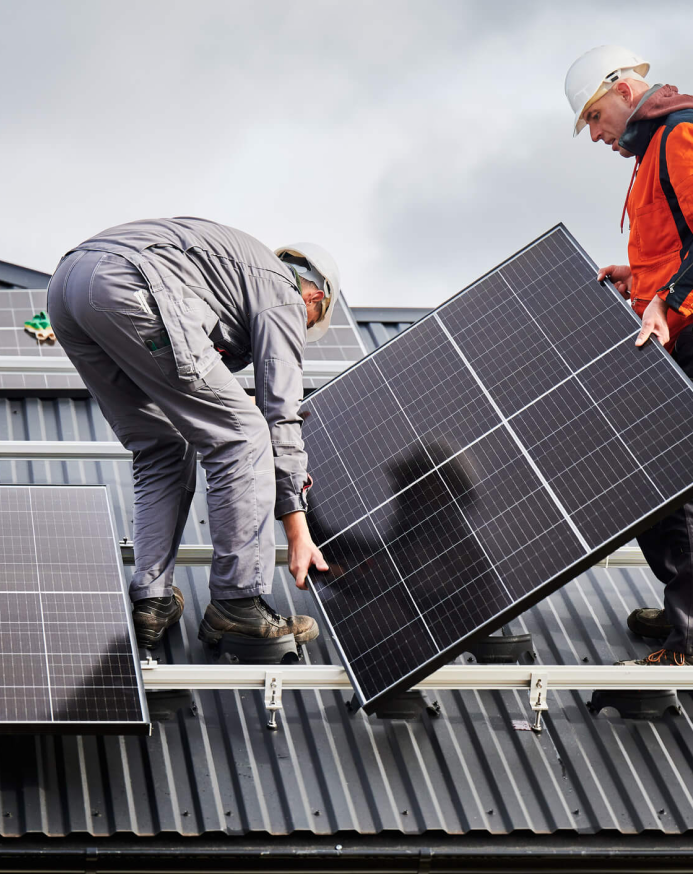
    If you’re eager to be a part of making our planet healthier, installing solar panels on your property could be a good choice for you. If you’re a residential property owner in New York, North Carolina, South Carolina, Virginia, California, or Hawaii, the solar power experts at Attyx are here to answer your questions about solar energy. Our solar panel installation team can help you install solar panels on your property, allowing you to take part in climate action and reduce energy expenses at the same time.
  • Understanding SEER Ratings: What They Mean for Your HVAC System

    Understanding SEER Ratings: What They Mean for Your HVAC System

    When it comes to your HVAC system, SEER ratings play a crucial role in determining efficiency and cost-effectiveness. But what exactly are SEER ratings, how are they measured, and why should you care? At Attyx, we’re here to break it all down for you.

    Understanding SEER Ratings: What Are They?

    SEER stands for Seasonal Energy Efficiency Ratio, a metric used to evaluate the cooling efficiency of air conditioners and heat pumps. Essentially, a higher SEER rating indicates a more efficient HVAC system.

    How Are Seasonal Energy Efficiency Ratio (SEER) Ratings Measured?

    SEER ratings are calculated by dividing the cooling output (measured in BTUs) by the total electric energy input (in watt-hours) over a typical cooling season. This calculation helps homeowners understand how efficiently their HVAC system converts energy into cooling power.

    Why SEER Ratings Matter

    1. HVAC Efficiency Ratings

    • Energy Savings: Higher SEER ratings mean less energy consumption for the same amount of cooling, translating to lower energy bills for your air conditioning unit. With a more efficient system, you can enjoy a comfortable indoor climate without worrying about skyrocketing energy costs. For instance, upgrading from a SEER 10 to a SEER 15 unit can reduce your energy consumption by approximately 33%, resulting in substantial savings over the lifespan of the system.
    • Environmental Impact: Efficient systems reduce the overall carbon footprint by consuming less energy. A higher SEER rating means your HVAC system uses less electricity, which in turn reduces the demand on power plants and decreases the emission of greenhouse gasses. By choosing a high-SEER system, you’re not just saving money—you’re also contributing to a healthier planet. According to the U.S. Department of Energy, using high-efficiency HVAC systems can prevent millions of metric tons of carbon dioxide emissions annually.

    2. Cost Savings

    • Lower Utility Bills: Investing in a high SEER rating HVAC system can significantly reduce your monthly utility costs. For example, if your current system has a SEER rating of 10 and you upgrade to a system with a SEER rating of 20, you could potentially cut your cooling costs in half. This can lead to hundreds of dollars in savings each year, making the initial investment in a high-SEER system well worth it.
    • Long-Term Savings: Though high-SEER systems might be more expensive initially, the long-term savings can outweigh the initial cost. High-efficiency systems often come with advanced features such as variable-speed motors, which can enhance comfort and further reduce energy consumption. Additionally, many high-SEER units are designed with better materials and construction, which can lead to fewer repairs and a longer lifespan. Over a 10-15 year period, the energy savings from a high-SEER system can exceed the higher upfront cost, providing a return on investment that benefits your wallet and your home’s value. When purchasing a new HVAC system, considering a high-SEER rating can lead to substantial long-term savings and improved efficiency.

    SEER Rating Importance

    Understanding SEER ratings is essential for making informed decisions about your HVAC system. Here are a few key reasons why SEER ratings are important:

    • Efficiency Insight: They provide a clear picture of how efficiently an HVAC system will perform.
    • Regulatory Standards: SEER ratings help ensure compliance with energy efficiency standards set by the government.
      • Minimum SEER rating: Ensures that HVAC systems meet the lowest acceptable efficiency standards, which can impact eligibility for tax credits and compliance with regional requirements.
    • Consumer Confidence: Higher SEER ratings often come with better warranties and longer lifespans, providing peace of mind for consumers.

    How to Choose the Right SEER Rating for Air Conditioners

    When selecting an HVAC system, consider the following tips:

    • Climate Considerations: In hotter climates, a higher SEER rating is more beneficial for your cooling system.
    • Budget: Balance the initial cost with potential long-term savings, especially when comparing different air conditioning units.
    • Usage: Think about how often you’ll be using the system. For frequent use, a higher SEER rating might be worth the investment.
    • System Type: Consider whether you need a heating and cooling system, as SEER ratings impact both types of systems.

    Understanding SEER ratings is pivotal for optimizing your HVAC system’s performance and saving on energy costs. By choosing a system with a higher SEER rating, you not only enhance your comfort but also contribute to a more sustainable environment. At Attyx, we’re dedicated to helping you make the best choices for your home and the planet.

  • 2024 HVAC Tax Incentives: What Homeowners Need to Know

    2024 HVAC Tax Incentives: What Homeowners Need to Know

    If your HVAC system is on its last legs, the cost of HVAC replacement is probably on your mind. Luckily, if you pick energy-efficient HVAC options when the time for replacement comes, there are several 2024 HVAC Tax Incentives available to you to help you make the financial investment easier. By maximizing your savings through HVAC tax incentives, you will save on both installation and long-term energy costs by using less energy. We’re here to tell you what you need to know about the available federal tax incentives for HVAC systems. 

    The Inflation Reduction Act (IRA) Federal HVAC Tax Incentives

    About the Inflation Reduction Act

    Many of the federal tax incentives for HVAC in 2024 are available through the Inflation Reduction Act (IRA). The IRA was passed by congress in 2022 to address climate change, lower costs, and promote clean energy. As a part of its efforts to promote clean energy, the IRA provides homeowners nationwide with HVAC tax incentives for clean energy upgrades. Two 2024 HVAC tax incentives, the Energy Efficient Home Improvement Credit and the Residential Clean Energy Credit, are available through the Inflation Reduction Act. 

    Energy Efficient Home Improvement Credit

    The Energy Efficient Home Improvement Credit is the first federal tax incentive for HVAC available through the IRA. It provides homeowners with the opportunity to save money while upgrading their HVAC systems to be more energy-efficient. This credit allows you to claim up to 30% of the costs associated with eligible HVAC and other energy-efficient home improvements. The maximum credit varies based on what energy-efficiency home upgrade you are making. You can receive up to $600 for installing high-efficiency air conditioners or furnaces and up to $2,000 for energy-efficient heat pumps. By taking advantage of this federal tax incentive for HVAC, homeowners can alleviate the financial burden of replacing or upgrading their HVAC systems, all while enhancing your home’s energy efficiency and reducing monthly energy costs.

    Residential Clean Energy Credit

    The Residential Clean Energy Credit is a part of the Inflation Reduction Act that focuses on installation of renewable energy technologies, including HVAC solutions like geothermal heat pumps. Under this credit, homeowners can claim 30% of the installation costs for qualifying renewable energy systems, such as geothermal heating and cooling systems. Unlike the Energy Efficient Home Improvement Credit, there is no cap on the Residential Clean Energy HVAC credit amount. If you’re considering investing in high-efficiency HVAC options, you can take advantage of this HVAC federal tax incentive to make the investment easier. With your energy-efficiency HVAC upgrades, you’ll be able to enjoy lower energy bills while also having the chance to reduce your carbon footprint and know you’re making a better impact on the environment. 

    Upgrade Your HVAC with Attyx

    If you’re looking to upgrade your HVAC system, Attyx is ready to assist you. Our skilled professionals understand the latest technologies and can recommend the best energy-efficient solutions for your home. Not only can a new system enhance your comfort, but it can also significantly lower your energy bills and benefit the environment. Our knowledgeable team is here to help provide you with the support you need while you navigate HVAC tax incentives and installation. Let us help you make a smart investment in your home’s comfort and efficiency.

  • Roofing Trends for 2024

    Roofing Trends for 2024

    As 2024 unfolds, the world of roofing is brimming with innovation and style. Homeowners are not just looking for roofs that protect their homes; they want roofs that reflect their personality, embrace sustainability, and incorporate the latest technology. Let’s dive into the top roofing trends for 2024, highlighting the latest materials, colors, and technologies that are reshaping the industry.

    1. Sustainable and Eco-Friendly Materials

    Environmental consciousness continues to be a driving force in home improvement, and roofing is no exception. The latest roofing trends emphasize sustainable materials that minimize environmental impact while offering durability and aesthetic appeal.

    Recycled and Reclaimed Materials

    One of the standout trends is the use of recycled and reclaimed materials. Roofing shingles made from recycled plastics, rubber, and even old tires are gaining popularity. These materials not only reduce landfill waste but also provide excellent insulation and weather resistance.

    Cool Roofs

    Cool roofs, designed to reflect more sunlight and absorb less heat, are another eco-friendly option. These roofs help in reducing the urban heat island effect and lowering energy bills. Materials like reflective coatings and cool-colored tiles are becoming more common in homes.

    2. Bold and Vibrant Colors

    Gone are the days when roofs were limited to shades of gray and brown. The roofing trends for 2024 embrace a vibrant palette that adds character and curb appeal to homes.

    Terracotta and Earthy Tones

    Terracotta roofs are making a strong comeback, with their rich, earthy hues adding warmth and elegance to homes. These tones blend seamlessly with natural surroundings and complement various architectural styles.

    Bold Blues and Greens

    For those looking to make a statement, bold blues and greens are in vogue. These colors can transform a roof into a focal point, adding a touch of modernity and sophistication. They work particularly well with contemporary and coastal homes, providing a refreshing contrast to traditional color schemes.

    3. Innovative Roofing Technologies

    The roofing industry is not just about materials and aesthetics; it’s also about incorporating technology to enhance functionality and convenience. The latest roofing trends feature cutting-edge technologies that are setting new standards.

    Solar Roof Tiles

    Solar energy integration is at the forefront of roofing innovation. Solar roof tiles are a game-changer, seamlessly blending into the roof’s design while generating clean energy. Companies like Tesla and others are leading the charge, offering aesthetically pleasing solutions that reduce reliance on traditional energy sources.

    Smart Roofs

    Smart roofs equipped with sensors and automation systems are another exciting development. These roofs can monitor weather conditions, detect leaks, and adjust insulation levels to maintain optimal temperature inside the home. The integration of smart technology is making roofs more efficient and responsive to environmental changes.

    4. Metal Roofing Renaissance

    Metal roofing is experiencing a renaissance, driven by its durability, versatility, and modern aesthetic. This trend is gaining traction among homeowners who value long-lasting and low-maintenance roofing solutions.

    Standing Seam Metal Roofs

    Standing seam metal roofs are particularly popular, offering sleek lines and a contemporary look. Available in various colors and finishes, these roofs are resistant to extreme weather conditions and can last for decades with minimal upkeep.

    Metal Shingles

    Metal shingles are an excellent choice for those who prefer a more traditional look with the benefits of metal. They mimic the appearance of classic shingle styles while providing superior strength and longevity.

    5. Green Roofs and Rooftop Gardens

    Urbanization and limited green spaces are prompting homeowners to turn their roofs into green sanctuaries. Green roofs and rooftop gardens are not only visually stunning but also offer numerous environmental benefits.

    Extensive Green Roofs

    Extensive green roofs, with their shallow soil layers and low-maintenance plants, are ideal for residential buildings. They provide insulation, reduce stormwater runoff, and create a habitat for local wildlife.

    Intensive Green Roofs

    Intensive green roofs, which support a wider variety of plants and even small trees, are becoming popular in urban areas. These roofs can serve as outdoor living spaces, enhancing the quality of life in densely populated cities.

    6. Enhanced Roof Insulation and Ventilation

    Proper insulation and ventilation are critical for a roof’s performance and longevity. The latest trends focus on improving these aspects to create more energy-efficient and comfortable homes.

    Reflective Insulation

    Reflective insulation materials, such as radiant barriers, are gaining traction. They reflect radiant heat away from the roof, keeping homes cooler in the summer and reducing the need for air conditioning.

    Smart Ventilation Systems

    Smart ventilation systems that adapt to temperature and humidity levels are becoming a standard feature in modern roofing. These systems help prevent moisture buildup and mold growth, ensuring a healthier living environment.

    The roofing trends for 2024 are all about blending functionality with aesthetics, sustainability, and technology. From eco-friendly materials and bold colors to smart roofs and green spaces, there’s a trend to suit every taste and need. Embracing these trends not only enhances the beauty and value of your home but also contributes to a more sustainable and innovative future.

    If you’re planning a roofing project, consider these trends to ensure your roof is stylish, efficient, and forward-thinking. After all, a roof is more than just a protective covering; it’s a reflection of your home’s personality and your commitment to innovation.

  • Sharing Testimonials and Success Stories from Satisfied ATTYX Customers

    Sharing Testimonials and Success Stories from Satisfied ATTYX Customers

    The true measure of a company’s success often lies in the satisfaction of its customers. ATTYX, a leader in home improvement services, has garnered numerous positive reviews and testimonials from homeowners who have experienced remarkable transformations in their homes. These success stories highlight the quality of work, customer satisfaction, and the positive outcomes achieved through ATTYX’s services.

    Customer Testimonials and Success Stories

    1. Jane and Mike’s Energy-Efficient Transformation

    Jane and Mike, homeowners from California, were looking to upgrade their home to be more energy-efficient. They chose ATTYX for their roofing, HVAC, and solar services. Here’s what they had to say:

    “We couldn’t be happier with our decision to go with ATTYX. From the initial consultation to the final installation, everything was seamless. Our new roof not only looks great but also provides better insulation. The HVAC system keeps our home at a comfortable temperature year-round, and the solar panels have drastically reduced our energy bills. We highly recommend ATTYX for anyone looking to improve their home’s energy efficiency.”

    1. Grant’s Comprehensive Home Upgrade

    Grant, a homeowner from New York, needed extensive home improvements, including a new roof, updated HVAC system, and solar panel installation. He shared his positive experience:

    “ATTYX made the entire process so easy and stress-free. The team was professional, punctual, and incredibly knowledgeable. They explained every step and made sure I was comfortable with all the decisions. The final results were amazing – my home is now more comfortable, my energy bills have decreased, and I feel good knowing I’m contributing to a greener planet. ATTYX exceeded all my expectations!”

    1. The Thompson Family’s Enhanced Home Comfort

    The Thompson family from Virginia wanted to enhance their home comfort and efficiency. They chose ATTYX for a complete home improvement package. Their testimonial reflects their satisfaction:

    “We were blown away by the level of service and quality provided by ATTYX. The new roof has made a noticeable difference in our home’s temperature regulation, and the HVAC system is incredibly efficient. The solar panels are a fantastic addition, and we’ve already seen a reduction in our electricity bills. The team was friendly, professional, and always willing to answer our questions. We highly recommend ATTYX for any home improvement needs.”

    1. The Martinsen’s Solar Success Story

    The Martinsens, residents of North Carolina, decided to invest in solar energy to reduce their carbon footprint and save on energy costs. They chose ATTYX for the job and were thrilled with the results:

    “Switching to solar with ATTYX was one of the best decisions we’ve ever made. The installation process was quick and hassle-free, and the team handled everything with professionalism and expertise. Our energy bills have dropped significantly, and we feel great knowing we’re using clean energy. ATTYX provided excellent service, and we would recommend them to anyone considering solar energy.”

    1. Emily’s Sustainable Home Improvement

    Emily, a homeowner in South Carolina, wanted to make her home more sustainable. She turned to ATTYX for help with roofing, HVAC, and solar services. Here’s her story:

    “ATTYX helped me achieve my goal of a more sustainable home. The new roof is not only beautiful but also energy-efficient. The HVAC system has made my home much more comfortable, and the solar panels are a fantastic addition. The entire process was smooth, and the team was wonderful to work with. I’m so happy with the results and would highly recommend ATTYX to anyone looking to improve their home.”

    The ATTYX Difference

    The testimonials from satisfied customers underscore several key aspects of ATTYX’s services that contribute to their positive experiences and outcomes:

    1. Professionalism and Expertise: Customers consistently praise the professionalism and expertise of the ATTYX team. From the initial consultation to the final installation, ATTYX ensures that every step of the process is handled with care and precision.
    2. Quality of Work: The high-quality work provided by ATTYX is a common theme in customer reviews. Homeowners appreciate the durability and efficiency of the new roofing, HVAC systems, and solar panels installed by ATTYX.
    3. Customer-Centric Approach: ATTYX prioritizes customer satisfaction by providing clear communication, detailed explanations, and personalized solutions. This customer-centric approach ensures that homeowners feel confident and satisfied with their home improvement projects.
    4. Energy Efficiency and Savings: Many customers highlight the significant energy savings they have experienced since completing their home improvement projects with ATTYX. The integration of energy-efficient systems and solar panels results in lower energy bills and a reduced carbon footprint.
    5. Long-Term Benefits: The long-term benefits of choosing ATTYX for home improvement projects are evident in the testimonials. Enhanced home comfort, increased property value, and sustainable living are some of the lasting impacts enjoyed by ATTYX customers.


    The success stories and testimonials from ATTYX customers illustrate the company’s commitment to excellence in home improvement services. By providing high-quality, energy-efficient solutions and prioritizing customer satisfaction, ATTYX has earned the trust and praise of homeowners across the country. If you’re considering upgrading your home, ATTYX offers a comprehensive range of services to meet your needs and exceed your expectations.

  • The Benefits of Asphalt Shingle Roofing

    The Benefits of Asphalt Shingle Roofing

    Asphalt shingles are a popular choice for a reason. They offer a range of benefits that make them an excellent option for a variety of home types in a variety of climates. Today, in this blog, the asphalt roof pros at Attyx are sharing some asphalt shingle benefits to help you have the knowledge you need to choose the right roofing material for your next roofing project.

    Why Choose Asphalt Shingle Roofing?

    Asphalt Shingles are Affordable Roofing Options

    One of the main benefits of asphalt shingle benefits is its affordability. Installing a new roof can be a big financial investment in your home. The truth is, most of us aren’t made of money. Compared to other roofing materials like metal and tile, asphalt shingles are significantly less expensive. Asphalt shingles provide affordable roofing options for anyone on a budget.

    In addition to being affordable roofing materials, asphalt shingles also have lower installation costs. Since they are light and easy to work with, installation time and labor hours are lower compared to many other roofing options. This can lead to significant savings.

    Versatility of Asphalt Shingles

    Asphalt shingles come in a wide range of styles and colors, making it easy to find a style that’s right for your home. Whether you prefer a more classic look or a more modern look, you can find asphalt shingles that match your roofing vision. 

    Quick and Simple Asphalt Shingle Installation Process

    Another one of the asphalt shingle benefits is the ease of installation. Since the installation process for asphalt shingles is relatively straightforward, roof installation typically goes more quickly compared to other roofing materials. This means less disruption to your daily life and a faster turnaround time for your roofing project.

    Availability of Materials

    Since asphalt shingles are so popular, they’re widely available, making sourcing the materials for your roofing project easy and convenient. This availability means that you can quickly get the roofing material without long wait times that delay your roofing project. Instead, your roof installation can move forward smoothly and be finished more quickly.

    Durability of Asphalt Shingles

    Asphalt shingles also offer long-lasting protection for your home or business. They are designed to be durable and withstand everyday wear and tear. Asphalt shingles typically last 20-30 years or more when you stay on top of maintenance. This longevity makes them an even more cost-effective investment in the long run, allowing you to put off replacement.

    Asphalt Shingles Improve Your Home’s Energy Efficiency

    Energy costs are rising, and many of us are growing more environmentally conscious. Asphalt shingles can help improve your home’s energy efficiency. Many asphalt shingles are designed with reflective properties that help reduce heat absorption. This keeps your home cooler during hot summer days, reducing your energy usage and costs. By choosing energy-efficient asphalt shingles, you can create a more comfortable living environment while also saving on utility bills.

    Turn to Attyx’s Asphalt Roof Pros

    Considering the wide range of asphalt shingle benefits, it’s no surprise that they’re a popular roofing choice for many homeowners. Whether you’re building a new home or replacing an old roof, many asphalt shingles are affordable roofing options, perfect for complementing your home’s aesthetic and beauty. At Attyx, we help homeowners in New York, North Carolina, South Carolina, Hawaii, Virginia, and California install asphalt roofs. Become one of the many homeowners enjoying asphalt shingle benefits by giving our expert roofing team a call.

  • How to Choose the Right Roof Color for Your Home

    How to Choose the Right Roof Color for Your Home

    With all the different roof color options available, it can be challenging to make the right choice. The roof color you choose is something that you’ll have to live with for years, so it’s especially important to choose a roof color that improves your home’s curb appeal and appearance. In this blog, Attyx’s roofing pros will share some insider tips to help you choose a roof color you’ll love for years to come.

    How to Pick the Right Roof Color For Your Home

    Matching Your Roof with Your Home

    Depending on the architectural style of your home, some roof colors will look better than others. For instance, traditional homes often look great with classic shades like black, gray, or brown. On the other hand, modern homes can look great with more contemporary colors like metallic hues and white. When you take the time to match your roof to your home, your home will look more cohesive, improving its curb appeal and beauty.

    Complement Your Home’s Exterior Colors with Your Roof Color

    When you’re choosing your roof color, you should take into account the overall color palette of your home’s exterior. Think about the color of your home’s exterior walls, trim, windows, shutters, and other features. Then, select a complementary color for your roof. For example, if your home has a warm color palette with yellow siding and cream features, a warm roof color like brown or terra cotta can be a good match to tie your home together. A well-coordinated color scheme will boost your home’s curb appeal and overall look. 

    Consider Your Environment

    Blend with the Natural Environment

    Your surroundings should influence the color you choose for your roof. If you live in an area with a lot of trees and natural elements, your home might look best with an earth-toned roof that blends in with the landscape. On the other hand, homes in city and urban settings can often get away with bolder, statement colors more easily.

    Consider Your Area’s Climate

    Since light colors reflect light and dark colors absorb it, your roof color can impact your home’s energy efficiency and costs. Light colors tend to be the best roof colors in warm climates, while darker colors tend to be the best roof colors in cold climates.

    Evaluate the Roofing Material

    Color Availability in Different Roofing Materials

    The roofing material you select can impact the availability of roofing colors. Asphalt shingles, metal roofing, tiles, and slate all come in a range of colors, but not every material offers every color option. Check the color options available for your roofing material to ensure you can find the look you want.

    Color Fading

    It’s important to remember that some roofing materials may fade over time from exposure to the elements. If you want your roof color to stay the same for years to come, choose materials known for their long-term color stability like metal roofs and high-quality asphalt.

    Consider Resale Value

    Bold or unconventional roof colors can limit your home’s marketability. If you plan to sell your home in the future, opt for neutral roof colors that tend to be more universally liked to attract a wider range of potential buyers. A well-chosen roof color can enhance your home’s curb appeal, making it more attractive to potential buyers. 

    Test Roof Samples

    Roof colors look different in sunlight and in the shadows. Before making a final roof color decision, get samples of your preferred roof colors and observe them in different lighting conditions. Place the samples next to your home’s exterior to see how they look throughout the day.

    Installing Your Roof

    Once you’ve settled on a roof color, you need a team of roofing professionals to help you install it. Whether you’re installing a roof on a new building or replacing an old roof, our Attyx team is here to help. If you live in New York, North Carolina, South Carolina, Hawaii, Virginia, or California, reach out today.

  • How to Take Advantage of New York State Solar Incentives in 2024

    How to Take Advantage of New York State Solar Incentives in 2024

    As the demand for clean energy continues to rise, New York is making significant strides in promoting solar energy adoption among homeowners. There are a lot of different New York State solar incentives available for homeowners to take advantage of in 2024. If you’re one of the many considering the switch to solar energy, you should know about all the solar panel rebates and incentives available to you. Today, we’re going to dive into New York State solar incentives for homeowners so that you have all the information you need to make a smart, financially-informed decision about your home’s energy.

    New York State Solar Incentives

    NYSERDA Solar Incentive Program

    The NYSERDA Solar Incentive Program is a key component of New York’s efforts to promote solar energy adoption among homeowners. This program offers cash rebates to residents who install solar panel systems, making solar more affordable and accessible. The amount of the rebate depends on the size of the solar system installed, with larger systems typically qualifying for higher rebates. Homeowners can apply for these incentives through the New York State Energy Research and Development Authority (NYSERDA) once their solar system is installed. In 2024, the program continues to emphasize sustainability, encouraging homeowners to contribute to New York’s clean energy goals. By taking advantage of the NYSERDA Solar Incentive Program, homeowners can significantly reduce their upfront costs and enjoy the long-term benefits of solar energy.

    EmPower+

    EmPower+ is a New York State solar incentive that makes solar energy more affordable for low- and middle-income households. Along with other energy-efficiency home upgrades, EmPower+ provides solar energy upgrade rebates at a lower cost. The solar panel rebate is income based. 

    • Low-Income Households: Capped at $10K per project.
    • Moderate-Income Households: Capped at $5K per project.

    This solar incentive helps make the financial investment in solar panels easier for low and middle income New York households interested in solar energy.

    Federal Solar Incentives Available in New York State

    Residential Clean Energy Credit

    The Residential Clean Energy Credit is a federal solar panel rebate available to New York State homeowners. This credit is a part of the Inflation Reduction Act of 2022 aimed at increasing green energy and reducing costs. Through this credit, homeowners can deduct 30% of their total solar installation costs from their federal taxes, including both the equipment and installation expenses. The best part about this credit? There’s no maximum limit on the claim amount. That means you can enjoy a bigger solar panel rebate when you install a bigger solar energy system. This solar incentive isn’t just limited to solar panels. It also covers solar energy storage solutions like batteries, further reducing costs for homeowners installing new solar energy systems. Claiming the Residential Clean Energy Credit is a simple process that can be done when filing federal income taxes. By using this credit, homeowners can make the upfront cost of solar panels more manageable.

    Local Solar Incentives & Rebates

    The New York State solar incentives aren’t just limited to state-wide rebates. There is also a variety of local solar panel rebates homeowners can take advantage of through their utility companies and local governments. These programs vary based on where in New York State you live. Some local solar incentives include upfront cash rebates for solar panel installation. Some utility companies also provide incentives based on how much energy is generated by your solar panels. Regardless of where you live in New York State, make sure to look into your local government and utility providers’ solar panel rebates and incentives to maximize your solar cost savings. 

    Attyx’s Solar Panel Installation Services in New York State

    Switching to solar energy is easier when you have the right team by your side. At Attyx, our solar energy experts will help design and install a solar energy system for your New York home. We’ll also make sure you’re aware of all of the New York State solar incentives available to you to make the financial investment easier. Reach out to us today to get started.

  • 2024 Homeowner’s Guide to Solar Incentives & Tax Credits

    2024 Homeowner’s Guide to Solar Incentives & Tax Credits

    With the rising costs of energy and growing concerns about climate change, more homeowners are turning to solar energy as a smart and sustainable solution. There are many 2024 solar incentives and tax credits that make solar panel installation not only environmentally friendly but also financially friendly. When you take advantage of incentives for solar panels, you can significantly cut down on your upfront costs. You’ll also enjoy the energy savings of solar energy over time. This guide will walk you through the solar panel rebates and incentives available so that you’re ready to make an informed decision about your solar energy investment.

    Federal Solar Rebates & Incentives

    Residential Clean Energy Credit

    The Residential Clean Energy Credit is a federal solar rebate for homeowners interested in exploring solar energy and incentives. This federal tax credit allows you to deduct 30% of the installation costs for solar panels and related equipment directly from your federal taxes. One of the best parts of this credit is that there is no limit on how much you can claim. That means larger solar installations can lead to larger solar panel rebates. The credit covers not only the cost of the solar panels themselves but also expenses for necessary components like inverters and battery storage systems. Homeowners that use the Residential Clean Energy Credit can significantly offset the initial investment required for solar energy systems, making it a financially smart choice for those looking to adopt clean energy solutions. This solar incentive not only helps lower your overall costs but also helps you lower your carbon footprint.

    Modified Accelerated Cost Recovery System (MACRS)

    The Modified Accelerated Cost Recovery System (MACRS) offers another federal solar rebate for homeowners investing in solar panels. The program uses a depreciation method that allows you to recover the costs associated with your solar energy system over a five-year period. While MACRS is typically utilized by businesses, homeowners can also benefit if they are using part of their home for business purposes (like a home office) or renting out a portion of their property. By applying MACRS to their solar panel investment, homeowners can deduct a portion of the solar system’s cost from their taxable income each year, allowing them to save money. This solar incentive can make solar energy not only a green choice but also a smart financial investment. Together with other incentives, MACRS helps homeowners maximize the return on their solar investments, enabling a smoother transition to renewable energy.

    State Solar Incentives & Rebates

    Many states offer solar incentives that can help homeowners save money on their solar panel installations. For example, some states provide state tax credits, which allow homeowners to deduct a percentage of their solar installation costs from their state taxes, similar to the federal solar rebate through the Residential Clean Energy Credit. Cash rebates are available in states like California and New York. These solar rebates give homeowners upfront payments based on the size of their solar systems, lowering their installation costs. Performance-Based Incentives (PBIs), like those in Massachusetts, reward homeowners for the actual energy their solar panels produce, offering payments per kilowatt-hour generated. Other states have net metering programs, allowing homeowners to earn credits on their electricity bills for excess energy sent back to the grid. Take some time to research your state’s incentives for solar panels to learn what financial rebates and incentives are available to you. 

    Local Solar Incentives & Rebates

    Many local governments and utility companies also offer solar incentives that further lower the cost of solar panel installations. Some incentives come in the form of cash rebates that provide immediate payment based on the size of the system. Some utility companies also provide performance incentives, rewarding homeowners for the energy generated by their solar panels over time. In some areas, property tax exemptions allow homeowners to increase property value with solar installations without facing higher taxes. Exploring your local solar incentives can help you maximize savings and make solar energy more affordable.

    Solar Panel Installation with Attyx

    Navigating solar panel rebates and incentives can be overwhelming, but understanding what financial incentives are available can help you make the most of your investment in solar energy. At Attyx, our solar experts help homeowners install solar panel systems and take advantage of incentives for solar panels. We will guide you through the entire process, making the switch to solar pain-free. Reach out to us today to explore your options and take the first step toward living in a solar-powered home.

  • The Benefits of Regular HVAC Tune-Ups

    The Benefits of Regular HVAC Tune-Ups

    Maintaining a comfortable home environment goes hand in hand with ensuring your HVAC system is running smoothly. Scheduling regular HVAC tune-ups can offer numerous advantages that not only enhance comfort but also save you money in the long run. This includes maintaining and upgrading components like your air conditioner and air conditioning unit to ensure they are operating efficiently. At Attyx, we believe in the power of proactive maintenance to keep your home cozy and efficient.

    Improved Energy Efficiency

    One of the most compelling reasons to schedule regular HVAC tune-ups is the improvement in energy efficiency. When your HVAC system is clean and all parts are functioning correctly, it doesn’t have to work as hard to heat or cool your home. This leads to lower energy consumption and, consequently, reduced energy bills. Here’s how:

    • Clean Filters and Ducts: Regular maintenance includes cleaning or replacing filters and ducts, ensuring that air can flow freely without obstructions.
    • Optimized Components: Technicians check and calibrate components such as thermostats, refrigerant levels, and electrical connections, ensuring each part is working at peak performance.
    • Preventive Measures: Early detection and correction of potential issues prevent the system from straining to perform its duties, thereby maintaining optimal efficiency.

    Reduced Need for Repairs

    Regular HVAC tune-ups can drastically reduce the likelihood of unexpected breakdowns and costly repairs. It is also important to regularly change air filters to ensure healthy air quality, prevent HVAC system strain, and avoid costly repairs. During a tune-up, technicians inspect the system for any signs of wear and tear or potential issues that could lead to bigger problems down the line. The benefits include:

    • Early Problem Detection: By catching issues early, you can address minor problems before they escalate into major repairs.
    • System Lubrication: Parts that need lubrication can be maintained to reduce friction and wear, prolonging their lifespan.
    • Component Checks: Routine checks on components like belts, motors, and electrical systems ensure everything is in working order, minimizing the risk of sudden failures.

    Hiring an HVAC technician for regular maintenance and tune-ups is crucial to ensure the optimal performance of your HVAC system.

    Extended HVAC System Longevity

    An HVAC system is a significant investment, and you want it to last as long as possible. The average HVAC system lifespan can be significantly reduced by factors like insufficient insulation, unsealed air leaks, and lack of proper maintenance. Regular maintenance is key to extending the life of your system. Here’s why regular tune-ups are essential for HVAC system longevity:

    • Consistent Performance: A well-maintained system performs consistently over time, reducing the strain on components and extending the system’s lifespan.
    • Fewer Breakdowns: Regular maintenance minimizes the chances of breakdowns, ensuring your system can last beyond its expected life cycle.
    • Investment Protection: Protect your investment by maintaining its value and functionality over the years through proper maintenance.

    Enhanced Air Quality

    A clean heating and cooling system contributes to better indoor air quality. Regular tune-ups help in removing dust, dirt, and other pollutants that can accumulate in your system and get circulated throughout your home. Benefits include:

    • Healthier Living Environment: Reduced dust and allergens in the air mean fewer respiratory issues and allergies.
    • Improved Comfort: A well-maintained system ensures consistent airflow and temperature control, enhancing overall comfort.

    Environmental Benefits

    Regular HVAC maintenance isn’t just good for your wallet and comfort; it’s also better for the environment. Maintaining the cooling system is crucial for saving on energy bills, prolonging its working life, and maintaining higher efficiency. An efficient system uses less energy, which means:

    • Lower Carbon Footprint: Reduced energy consumption translates to fewer greenhouse gas emissions.
    • Sustainable Home Practices: Keeping your HVAC system in top shape contributes to a more sustainable lifestyle by conserving energy. Upgrading to a heat pump can further enhance energy efficiency and provide environmental benefits.

    How Often Should You Schedule HVAC Tune-Ups?

    For most systems, it’s recommended to have a professional tune-up at least once a year. Maintaining HVAC equipment is crucial for ensuring indoor air quality, comfort, and energy efficiency in homes. However, depending on your usage and the age of your system, you might benefit from more frequent check-ups. Here’s a quick guide:

    • Annual Tune-Ups: Ideal for newer systems or homes in mild climates.
    • Bi-Annual Tune-Ups: Beneficial for older systems or homes in extreme climates where the HVAC system is used heavily.

    DIY HVAC Maintenance Tips Between Professional Tune-Ups

    While professional tune-ups are essential, there are a few things you can do between visits to keep your system running smoothly:

    • Regular Filter Changes: Check and replace your HVAC filters every 1-3 months. Keeping the HVAC unit clean is crucial for maintaining air quality and system efficiency.
    • Keep the Area Clean: Ensure the area around your HVAC system is free of debris and dust. Maintaining the heating or cooling system helps in reducing reliance on traditional heating fuel sources and improves overall efficiency.
    • Monitor Performance: Keep an eye on your system’s performance and report any irregularities to your technician.

    Regular HVAC tune-ups offer a multitude of benefits, from improved efficiency and reduced repair costs to extended system longevity and better air quality. By investing in regular maintenance, you’re not only ensuring a comfortable living environment but also protecting your HVAC investment and contributing to a more sustainable future. At Attyx, we’re dedicated to helping you maintain the comfort and efficiency of your home. Schedule your HVAC tune-up today and experience the difference it makes!