LGCY Home Services

Category: Roofing

  • The Benefits of Asphalt Shingle Roofing

    The Benefits of Asphalt Shingle Roofing

    Asphalt shingles are a popular choice for a reason. They offer a range of benefits that make them an excellent option for a variety of home types in a variety of climates. Today, in this blog, the asphalt roof pros at Attyx are sharing some asphalt shingle benefits to help you have the knowledge you need to choose the right roofing material for your next roofing project.

    Why Choose Asphalt Shingle Roofing?

    Asphalt Shingles are Affordable Roofing Options

    One of the main benefits of asphalt shingle benefits is its affordability. Installing a new roof can be a big financial investment in your home. The truth is, most of us aren’t made of money. Compared to other roofing materials like metal and tile, asphalt shingles are significantly less expensive. Asphalt shingles provide affordable roofing options for anyone on a budget.

    In addition to being affordable roofing materials, asphalt shingles also have lower installation costs. Since they are light and easy to work with, installation time and labor hours are lower compared to many other roofing options. This can lead to significant savings.

    Versatility of Asphalt Shingles

    Asphalt shingles come in a wide range of styles and colors, making it easy to find a style that’s right for your home. Whether you prefer a more classic look or a more modern look, you can find asphalt shingles that match your roofing vision. 

    Quick and Simple Asphalt Shingle Installation Process

    Another one of the asphalt shingle benefits is the ease of installation. Since the installation process for asphalt shingles is relatively straightforward, roof installation typically goes more quickly compared to other roofing materials. This means less disruption to your daily life and a faster turnaround time for your roofing project.

    Availability of Materials

    Since asphalt shingles are so popular, they’re widely available, making sourcing the materials for your roofing project easy and convenient. This availability means that you can quickly get the roofing material without long wait times that delay your roofing project. Instead, your roof installation can move forward smoothly and be finished more quickly.

    Durability of Asphalt Shingles

    Asphalt shingles also offer long-lasting protection for your home or business. They are designed to be durable and withstand everyday wear and tear. Asphalt shingles typically last 20-30 years or more when you stay on top of maintenance. This longevity makes them an even more cost-effective investment in the long run, allowing you to put off replacement.

    Asphalt Shingles Improve Your Home’s Energy Efficiency

    Energy costs are rising, and many of us are growing more environmentally conscious. Asphalt shingles can help improve your home’s energy efficiency. Many asphalt shingles are designed with reflective properties that help reduce heat absorption. This keeps your home cooler during hot summer days, reducing your energy usage and costs. By choosing energy-efficient asphalt shingles, you can create a more comfortable living environment while also saving on utility bills.

    Turn to Attyx’s Asphalt Roof Pros

    Considering the wide range of asphalt shingle benefits, it’s no surprise that they’re a popular roofing choice for many homeowners. Whether you’re building a new home or replacing an old roof, many asphalt shingles are affordable roofing options, perfect for complementing your home’s aesthetic and beauty. At Attyx, we help homeowners in New York, North Carolina, South Carolina, Hawaii, Virginia, and California install asphalt roofs. Become one of the many homeowners enjoying asphalt shingle benefits by giving our expert roofing team a call.
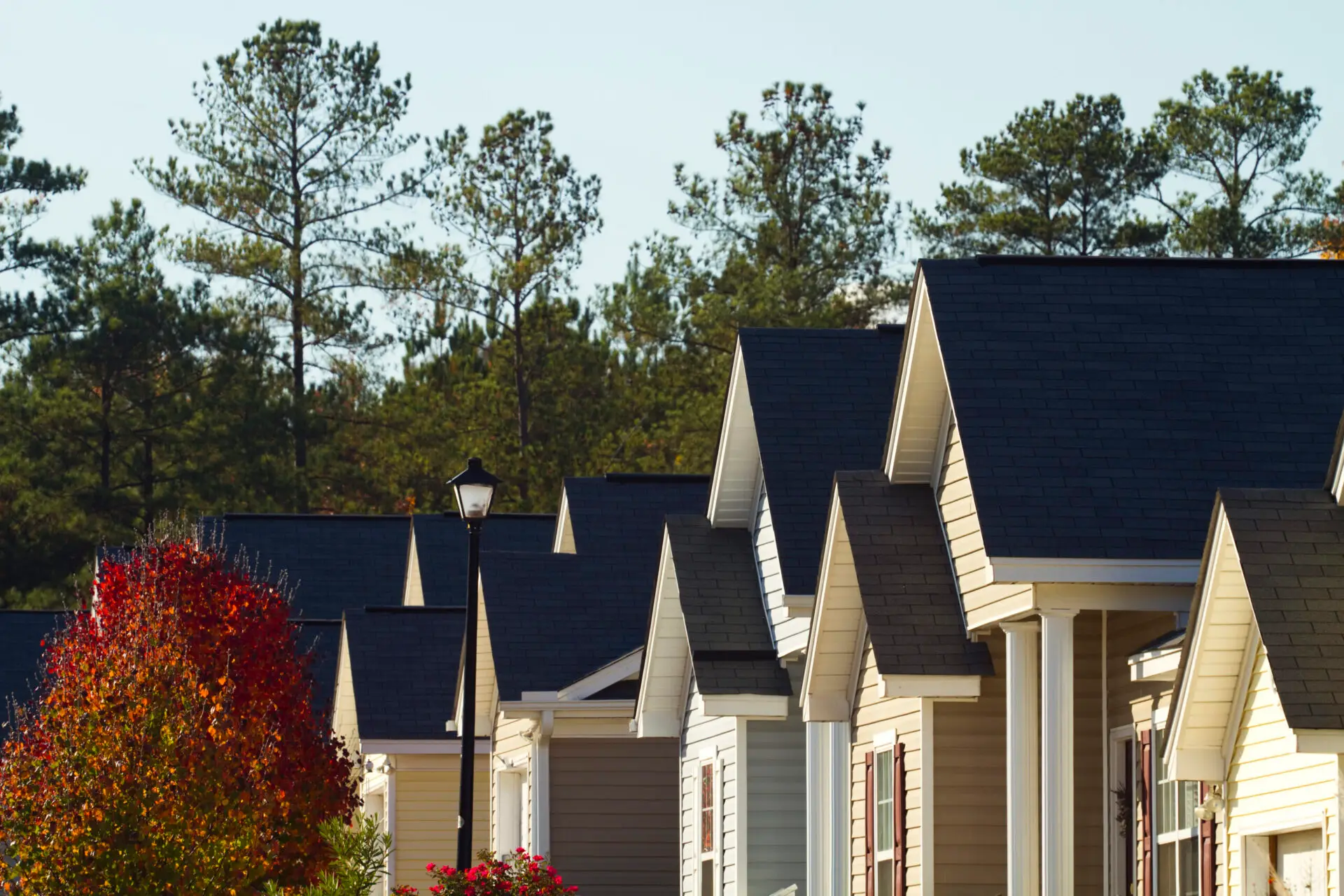
  • How to Choose the Right Roof Color for Your Home

    How to Choose the Right Roof Color for Your Home

    With all the different roof color options available, it can be challenging to make the right choice. The roof color you choose is something that you’ll have to live with for years, so it’s especially important to choose a roof color that improves your home’s curb appeal and appearance. In this blog, Attyx’s roofing pros will share some insider tips to help you choose a roof color you’ll love for years to come.

    How to Pick the Right Roof Color For Your Home

    Matching Your Roof with Your Home

    Depending on the architectural style of your home, some roof colors will look better than others. For instance, traditional homes often look great with classic shades like black, gray, or brown. On the other hand, modern homes can look great with more contemporary colors like metallic hues and white. When you take the time to match your roof to your home, your home will look more cohesive, improving its curb appeal and beauty.

    Complement Your Home’s Exterior Colors with Your Roof Color

    When you’re choosing your roof color, you should take into account the overall color palette of your home’s exterior. Think about the color of your home’s exterior walls, trim, windows, shutters, and other features. Then, select a complementary color for your roof. For example, if your home has a warm color palette with yellow siding and cream features, a warm roof color like brown or terra cotta can be a good match to tie your home together. A well-coordinated color scheme will boost your home’s curb appeal and overall look. 

    Consider Your Environment

    Blend with the Natural Environment

    Your surroundings should influence the color you choose for your roof. If you live in an area with a lot of trees and natural elements, your home might look best with an earth-toned roof that blends in with the landscape. On the other hand, homes in city and urban settings can often get away with bolder, statement colors more easily.

    Consider Your Area’s Climate

    Since light colors reflect light and dark colors absorb it, your roof color can impact your home’s energy efficiency and costs. Light colors tend to be the best roof colors in warm climates, while darker colors tend to be the best roof colors in cold climates.

    Evaluate the Roofing Material

    Color Availability in Different Roofing Materials

    The roofing material you select can impact the availability of roofing colors. Asphalt shingles, metal roofing, tiles, and slate all come in a range of colors, but not every material offers every color option. Check the color options available for your roofing material to ensure you can find the look you want.

    Color Fading

    It’s important to remember that some roofing materials may fade over time from exposure to the elements. If you want your roof color to stay the same for years to come, choose materials known for their long-term color stability like metal roofs and high-quality asphalt.

    Consider Resale Value

    Bold or unconventional roof colors can limit your home’s marketability. If you plan to sell your home in the future, opt for neutral roof colors that tend to be more universally liked to attract a wider range of potential buyers. A well-chosen roof color can enhance your home’s curb appeal, making it more attractive to potential buyers. 

    Test Roof Samples

    Roof colors look different in sunlight and in the shadows. Before making a final roof color decision, get samples of your preferred roof colors and observe them in different lighting conditions. Place the samples next to your home’s exterior to see how they look throughout the day.

    Installing Your Roof

    Once you’ve settled on a roof color, you need a team of roofing professionals to help you install it. Whether you’re installing a roof on a new building or replacing an old roof, our Attyx team is here to help. If you live in New York, North Carolina, South Carolina, Hawaii, Virginia, or California, reach out today.

  • Slate Roof Benefits: A Timeless and Durable Option

    Slate Roof Benefits: A Timeless and Durable Option

    Considering a new roof? Slate roofs offer an unmatched combination of durability and timeless elegance. Our team of roofing experts digs into the benefits of installing a slate roof and see why it’s a top choice for many homeowners.

    Introduction

    When it comes to roofing, homeowners are always on the lookout for materials that combine durability, aesthetics, and longevity. Enter slate roofs—a choice that has stood the test of time. Known for their classic appearance and remarkable resilience, slate roofs are more than just a roofing option; they’re a statement of style and quality.

    The Benefits of Installing a Slate Roof

    1. Unmatched Longevity

    One of the most compelling reasons to choose a slate roof is its longevity. While asphalt shingles might last 20-30 years, slate roofs can endure for over a century with proper maintenance. Some historic buildings still boast their original slate roofs, showcasing their incredible durability.

    2. Timeless Aesthetic Appeal

    Slate roofs exude a classic, timeless beauty that enhances the architectural style of any home. Available in various shades, including green, gray, black, and red, slate tiles add an elegant and sophisticated look that’s hard to match with other roofing materials.

    3. Superior Durability

    Slate is a naturally occurring stone, making it incredibly durable and resistant to harsh weather conditions. Whether it’s heavy snowfall, strong winds, or intense heat, slate roofs can withstand it all. This resilience reduces the need for frequent repairs and replacements, offering peace of mind to homeowners.

    4. Eco-Friendly Option

    For those looking to reduce their environmental footprint, slate roofs are an excellent choice. The production of slate tiles has a lower environmental impact compared to other roofing materials, and their long lifespan means less waste in landfills. Additionally, slate is a natural, recyclable material.

    5. Fire Resistance

    Slate roofs are highly fire-resistant, providing an added layer of protection for your home. Unlike wooden or asphalt shingles, slate tiles won’t ignite, which can be a significant advantage in areas prone to wildfires.

    Considerations Before Installing a Slate Roof

    1. Initial Cost

    While slate roofs offer numerous benefits, they do come with a higher upfront cost compared to other roofing materials. The investment, however, can be justified by the roof’s longevity and the minimal maintenance costs over its lifetime.

    2. Weight

    Slate is a heavy material, which means your home needs to be structurally capable of supporting the weight. This might require additional structural work or reinforcements, especially in older homes not originally designed for such loads.

    3. Installation Expertise

    Not all roofing contractors have experience with slate roofs. It’s crucial to find a skilled and experienced professional to ensure proper installation. Poor installation can negate many of the benefits of slate roofing, leading to potential issues down the line.

    Comparing Slate to Other Classic Roofing Materials

    1. Clay Tiles

    Like slate, clay tiles offer a long lifespan and aesthetic appeal. However, they can be fragile and prone to cracking under heavy impact. They’re also slightly less durable than slate in extreme weather conditions.

    2. Wood Shingles

    Wood shingles provide a rustic charm and are often chosen for their natural look. However, they require more maintenance and are less durable than slate. Wood is also susceptible to fire and rot, making it a less favorable option in certain climates.

    3. Metal Roofing

    Metal roofs are known for their durability and fire resistance. They’re lightweight compared to slate and can last a long time. However, they don’t offer the same timeless aesthetic and can be noisier during rainstorms.

    Choosing the right roofing material is a significant decision for any homeowner. Slate roofs offer unparalleled longevity, classic beauty, and exceptional durability, making them an excellent choice for those looking to invest in their home’s future. While the initial cost and weight considerations might be challenging, the benefits of a slate roof can far outweigh these drawbacks.

    If you’re considering a new roof and want something that combines elegance with resilience, a slate roof might just be the perfect fit. Always consult with a professional, like Attyx, to assess your home’s structural capacity and to ensure a quality installation.

  • The Role of Roof Insulation in Energy Efficiency

    The Role of Roof Insulation in Energy Efficiency

    Understanding the importance of roof insulation goes beyond just maintaining a comfortable indoor temperature. It plays a crucial role in a home’s overall energy efficiency, contributing to significant cost savings and environmental benefits. Here’s a deep dive into why roof insulation is vital and how it enhances energy efficiency.

    The Role of Roof Insulation in Energy Efficiency

    Temperature Regulation: Roof insulation acts as a barrier, reducing the amount of heat that escapes in the winter and enters in the summer. This regulation of temperature ensures a more stable indoor environment, which is essential for comfort and energy efficiency.

    Reducing Energy Consumption: When a home is well-insulated, heating and cooling systems do not have to work as hard to maintain a comfortable temperature. This reduced workload translates into lower energy consumption, which can significantly cut down utility bills. For instance, the U.S. Department of Energy estimates that homeowners can save an average of 15% on heating and cooling costs by insulating their roofs and attics.

    Environmental Impact: Lower energy consumption means less reliance on fossil fuels and a reduction in greenhouse gas emissions. By improving roof insulation, homeowners can contribute to environmental sustainability. A well-insulated roof can be a powerful tool in the fight against climate change by minimizing a home’s carbon footprint.

    Types of Roof Insulation

    Fiberglass Insulation: One of the most common types, fiberglass insulation, is made from fine strands of glass. It is known for its durability and effectiveness in reducing heat transfer. Fiberglass is often used in batts or loose-fill forms, providing flexibility in application.

    Spray Foam Insulation: This type of insulation expands upon application, filling gaps and creating an air-tight seal. Spray foam insulation is excellent for roofs with irregular shapes and hard-to-reach areas. It provides superior thermal resistance and also acts as a barrier to moisture.

    Reflective or Radiant Barrier Insulation: This type of insulation reflects heat away from the home, making it particularly effective in warmer climates. Radiant barriers are usually installed in the attic under the roof to reduce cooling costs.

    Rigid Foam Insulation: Made from materials like polystyrene, polyisocyanurate, or polyurethane, rigid foam boards offer high insulating values with relatively thin layers. They are ideal for adding insulation to the exterior of a roof before installing a new roof covering.

    Benefits of Roof Insulation

    Enhanced Comfort: Proper roof insulation maintains a consistent indoor temperature, eliminating cold drafts in the winter and excessive heat in the summer. This stability creates a more comfortable living environment.

    Cost Savings: The initial investment in roof insulation can be substantial, but the long-term savings on energy bills make it worthwhile. Over time, the reduced energy costs can pay back the insulation investment and continue to save money.

    Increased Property Value: Homes with effective insulation are more attractive to potential buyers. Energy-efficient homes often sell at a premium, and the presence of proper insulation can be a key selling point.

    Noise Reduction: Insulation also provides soundproofing benefits. It can reduce the amount of noise entering the home from outside, such as traffic, neighborhood activities, or rain and hail hitting the roof.

    Protecting the Roof: Insulation helps prevent ice dams in the winter, which occur when heat escapes through the roof, melting snow that then refreezes at the roof’s edge. This can lead to water damage and increased wear on the roofing materials.

    Emotional and Practical Considerations

    Peace of Mind: Knowing that your home is energy-efficient and environmentally friendly brings peace of mind. It’s comforting to know that you are doing your part in reducing energy consumption and greenhouse gas emissions.

    Comfortable Living Space: A well-insulated roof ensures a consistently comfortable indoor environment, reducing the stress and discomfort caused by temperature fluctuations.

    Long-term Investment: While the upfront cost of insulation can be significant, the long-term benefits far outweigh the initial expense. Homeowners can rest easy knowing they’ve made a smart investment in their property’s future.

    Implementing Roof Insulation

    Professional Assessment: Before installing insulation, it’s wise to get a professional assessment of your roof’s current state. Professionals can identify areas where insulation is lacking and recommend the best type of insulation for your home.

    DIY vs. Professional Installation: While some types of insulation can be installed by homeowners, professional installation ensures that the job is done correctly and safely. Professionals have the necessary tools and expertise to handle insulation materials and install them effectively.

    Maintenance and Upkeep: Insulation does not usually require much maintenance, but it’s good practice to check it periodically for signs of damage or wear. Replacing or adding insulation as needed keeps your home energy-efficient and comfortable.

    Roof insulation is an essential component of an energy-efficient home. It offers numerous benefits, from reducing energy consumption and utility bills to enhancing comfort and contributing to environmental sustainability. By investing in proper roof insulation, homeowners can enjoy a more stable indoor environment, increased property value, and the satisfaction of making an eco-friendly choice.

    For those looking to enhance their home’s energy efficiency through roof insulation, Attyx provides expert services to ensure the job is done right. Their professional approach can help you achieve the best results, making your home more comfortable and energy-efficient.

  • How to Handle Emergency Roof Repairs

    How to Handle Emergency Roof Repairs

    Dealing with an unexpected roof issue can be both daunting and stressful. Whether it’s due to a storm, falling debris, or another cause, taking the right steps promptly can mitigate damage and ensure safety. Here’s how to manage emergency roof repairs effectively.

    Assess the Situation Safely

    Safety First: Prioritize the safety of yourself and your family. Before taking any action, ensure the environment around your home is safe. Check for immediate dangers such as downed power lines, significant structural damage, or hazardous conditions. If any of these are present, evacuate and contact emergency services immediately.

    Initial Inspection: If it’s safe, conduct a preliminary inspection from the ground or a stable vantage point. Look for obvious signs of damage such as missing shingles, holes, or fallen branches. Avoid climbing onto the roof in unstable conditions; instead, use binoculars or a camera with a zoom lens to get a closer view of the damage.

    Mitigate Immediate Damage

    Temporary Roof Fixes: To prevent water from entering your home, use a tarp to cover the damaged area. Secure it with nails, roofing tape, or heavy-duty adhesive, ensuring it extends well beyond the damaged spot for adequate protection.

    Buckets and Towels: Inside your home, place buckets under any active leaks to catch water and prevent it from spreading. Use towels and mops to keep the area as dry as possible. This helps minimize water damage to floors and furniture.

    Document the Damage

    Take Photos and Videos: Document the damage thoroughly with photos and videos from various angles. This evidence will be crucial when working with a roofing professional. Be sure to capture both the exterior and any interior damage caused by leaks.

    Keep Detailed Notes: Write down everything you observe about the damage and the circumstances leading to the roof issue. This information will be helpful for your roofing professional when assessing the necessary repairs.

    Temporary Roof Fixes

    Patch Small Leaks: If you feel comfortable and it’s safe to do so, use roofing cement or a patch kit to temporarily seal small leaks. Clean the area around the leak, apply the patch, and cover it with roofing cement to provide a short-term solution.

    Seal Vents and Flashings: Leaks often occur around vents and flashings. Use caulk or roof sealant to temporarily seal these areas, preventing water from entering your home until permanent repairs can be made.

    Seek Professional Help

    Hire a Roofing Contractor: It’s crucial to hire a professional roofing contractor for a thorough inspection and permanent repairs. Look for contractors with good reviews, proper licensing, and insurance. A professional can ensure the job is done safely and correctly.

    Get Estimates: Obtain multiple estimates to compare costs and services. A reputable contractor will provide a detailed estimate outlining the scope of work and materials needed. This helps you make an informed decision and avoid overpaying.

    Navigating Insurance Claims: Most professional roofing contractors are experienced in dealing with insurance claims. They can guide you through the process, helping you document the damage and communicate with your insurance company effectively. This can significantly ease the burden and ensure you receive the coverage you’re entitled to.

    Prevent Future Emergencies

    Regular Inspections: Schedule regular roof inspections, especially after severe weather events. Early detection of potential issues can prevent emergencies and extend the lifespan of your roof.

    Maintenance: Keep your roof well-maintained by cleaning gutters, trimming overhanging branches, and addressing minor repairs promptly. Proper maintenance can prevent small issues from becoming major problems.

    Encouraging Professional Assistance

    While temporary fixes can help mitigate immediate damage, professional assistance is essential for thorough and lasting repair. Roofing contractors have the expertise and equipment to handle complex repairs safely and effectively. Attempting to fix significant damage yourself can be dangerous and may lead to further issues down the line.

    The Emotional and Practical Benefits of Professional Help

    Turning to a professional for emergency roof repairs provides peace of mind. Knowing that an expert is handling the situation reduces stress and ensures the repairs are done correctly. Moreover, professional repairs are likely to be more durable and come with warranties, offering long-term protection for your home.

    Managing urgent roofing issues involves immediate actions to mitigate damage, documenting the issue for insurance purposes, and seeking professional help for permanent repairs. By understanding these steps and the importance of professional assistance, you can handle these stressful situations more effectively and safeguard your home against future emergencies.

    Remember, for reliable and efficient roofing solutions, consider reaching out to ATTYX. They provide professional services that can help ensure your home is well-protected and that you have peace of mind during such stressful times.


  • Roof Replacement Cost: What to Expect

    Roof Replacement Cost: What to Expect

    Roof replacement is a significant endeavor that involves not only substantial financial investment but also emotional and practical considerations. Let’s explore the unique factors influencing roof replacement costs, providing a detailed breakdown to help you navigate this essential home improvement project.

    Factors Influencing Roof Replacement Cost

    1. Roof Size and Pitch
      • Size: The sheer area of your roof is the most straightforward roofing cost factor in determining cost. Larger roofs require more materials and labor. For instance, a 2,000 square foot roof will cost considerably more than a 1,000 square foot roof simply due to the volume of materials needed and the labor hours required.
      • Pitch: The steepness of your roof adds complexity. Steeper roofs are harder to work on, increasing the risk and difficulty for workers, which translates to higher labor costs. For example, a steep roof with a pitch over 6/12 (30 degrees) often requires additional safety equipment and more skilled labor.
    2. Material Type
      • Asphalt Shingles: Popular due to their affordability and ease of installation, asphalt shingles range from $1 to $5 per square foot. However, they have a shorter lifespan compared to other materials.
      • Metal Roofing: Known for durability and energy efficiency, metal roofs cost between $5 and $12 per square foot. They reflect heat, reducing cooling costs in the summer.
      • Tile and Slate: These materials offer superior longevity and aesthetic appeal, with costs ranging from $10 to $25 per square foot. They are fire-resistant and can last over 100 years, justifying their higher price.
    3. Labor Costs
      • Labor rates vary by region and are influenced by the local cost of living. In areas with higher living costs, expect to pay more for skilled labor. For instance, labor costs in metropolitan areas like New York or San Francisco will be higher than in rural areas.
      • The complexity of the job also affects labor costs. Simple gable roofs are easier and cheaper to replace than complex roofs with multiple valleys, dormers, and chimneys.
    4. Roof Removal
      • The removal of old roofing materials is a significant part of the overall cost. This process involves labor for tearing off the existing roof and disposal fees. Multiple layers of old shingles or underlying damage will increase costs due to the extra work required.
      • If the old roof has to be stripped down to the decking, this adds both time and expense. For example, removing multiple layers can add $1,000 to $2,000 to the project.
    5. Geographic Location
      • The cost of roofing materials and labor can vary widely depending on where you live. In coastal areas, where roofs must withstand saltwater corrosion and strong winds, higher-grade materials and more robust construction techniques are often required, increasing costs.
      • Building codes and climate considerations also impact costs. Areas prone to hurricanes or heavy snowfall will have stricter codes, necessitating stronger and more expensive materials.
    6. Permits and Regulations
      • Acquiring the necessary permits is another cost factor. Depending on local regulations, permits can range from a few hundred to several thousand dollars. For example, in some cities, you may need a permit for any roof work that alters the structure of your home.
      • Compliance with local building codes ensures that your new roof meets safety and performance standards, potentially adding to the cost due to inspections and additional materials.
    7. Additional Features
      • Custom features such as skylights, chimneys, and complex ventilation systems add to both the material and labor costs. These features require precise integration and sealing to prevent leaks.
      • Adding energy-efficient upgrades like solar panels can also increase the initial cost but may provide long-term savings on energy bills.

    General Cost Estimate

    To provide a general estimate, let’s consider a standard 2,000 square foot home:

    • Asphalt Shingles: $5,000 to $10,000
    • Metal Roofing: $10,000 to $24,000
    • Tile/Slate Roofing: $20,000 to $50,000

    These estimates include materials, labor, and the removal of the old roof. However, specific costs can vary based on the factors discussed.

    Emotional and Practical Considerations

    Replacing a roof is not just a financial decision but also a deeply emotional one. Your roof is the primary barrier protecting your home from the elements, and investing in quality materials and skilled labor can provide peace of mind. The choice of roofing material also affects the overall aesthetic and value of your home. For example, a new slate roof can enhance curb appeal and increase property value, making it a wise long-term investment.

    Additionally, the process of roof replacement can be disruptive. Understanding the timeline and planning accordingly can help minimize the impact on your daily life. For instance, choosing a reliable contractor who communicates clearly and adheres to deadlines can significantly reduce stress.

    Moreover, the emotional impact of knowing your home is well-protected cannot be understated. Whether you’re dealing with the aftermath of a storm or simply upgrading to improve your home’s energy efficiency, a new roof can offer a sense of security and satisfaction.

    The cost of roof replacement is influenced by various factors, including roof size, material type, labor costs, and geographic location. By understanding these elements and planning accordingly, you can ensure a successful and less stressful roofing project.

  • DIY Roof Repairs and When to Hire a Professional

    DIY Roof Repairs and When to Hire a Professional

    Maintaining the roof over your head is more than just a necessity; it’s an act of love and care for your home and family. There’s a deep satisfaction in knowing that you can fix some of the smaller issues yourself, but it’s equally important to recognize when it’s time to call in a professional. Here’s a heartfelt look at small roof repairs you can handle, with a few practical roof repair tips, and when it’s best to leave it to the experts.

    Trying DIY Roof Repairs

    1. Replacing Missing or Damaged Shingles

    When you notice a shingle missing or damaged after a storm, it’s natural to feel a sense of urgency. Replacing a few shingles yourself can be empowering.

    What You Need:

    • Hammer
    • Roofing nails
    • Pry bar
    • Replacement shingles
    • Roofing cement

    Steps to Take:

    1. Carefully pry up the damaged shingle and remove the nails.
    2. Slide the new shingle into place.
    3. Secure it with nails.
    4. Apply roofing cement to the edges for a watertight seal.

    Taking these steps can prevent further damage and keep your roof looking pristine.

    1. Fixing Minor Leaks

    Discovering a leak can be disheartening, but small leaks can often be managed with some simple tools.

    What You Need:

    • Flashing tape or sealant
    • Caulking gun
    • Putty knife

    Steps to Take:

    1. Locate the source of the leak, often around chimneys, vents, or skylights.
    2. Clean the area around the leak.
    3. Apply flashing tape or roofing sealant.
    4. Smooth the sealant with a putty knife.

    A quick fix for a minor leak can save you from larger issues down the road.

    1. Cleaning Gutters and Downspouts

    Clogged gutters can lead to water damage, and cleaning them is a straightforward task that brings immediate benefits.

    What You Need:

    • Ladder
    • Gloves
    • Scoop or trowel
    • Garden hose

    Steps to Take:

    1. Safely set up your ladder.
    2. Remove debris from the gutters.
    3. Rinse with a garden hose.
    4. Ensure downspouts are clear.

    Regular cleaning keeps water flowing away from your home, protecting your roof and foundation.

    1. Sealing Small Cracks in Flashing

    Small cracks in the flashing can let water in, but sealing them is a simple and effective DIY project.

    What You Need:

    • Roofing sealant
    • Caulking gun
    • Wire brush

    Steps to Take:

    1. Clean the area with a wire brush.
    2. Apply roofing sealant over the crack.
    3. Smooth with a putty knife.

    Sealing these cracks prevents leaks and maintains the integrity of your roof.

    When It’s Best to Call a Professional

    Sometimes, the best way to show care for your home is by recognizing when a job is too big to handle alone. Here are some situations where professional help is essential.

    1. Extensive Damage or Large Leaks

    If your roof has multiple missing shingles, large leaks, or significant water damage, it’s time to call in a professional. They can assess the full extent of the damage and provide comprehensive repairs to prevent further issues.

    1. Structural Issues

    Signs of structural issues, such as sagging roofs, cracked beams, or damaged rafters, should never be ignored. These problems can compromise the safety of your home and require specialized knowledge to repair.

    1. Roof Replacement

    Replacing an entire roof is a complex and labor-intensive task that should be left to professionals. They ensure the new roof is installed correctly and adheres to all safety standards.

    1. Complicated Roofing Systems

    Roofs with complex designs, multiple layers, or special materials (like slate or tile) require professional expertise. These systems need specific techniques and tools that professionals are equipped to handle.

    1. Safety Concerns

    If you’re uncomfortable working at heights or your roof has a steep pitch, it’s safer to hire a professional. Roofing work can be dangerous, and professionals have the necessary safety equipment and experience.

    Benefits of Hiring a Professional

    1. Expertise and Experience

    Professional roofers have the training and experience to identify and fix roofing problems accurately. They can detect issues that might not be apparent and ensure repairs are done correctly.

    1. Quality Materials

    Professionals have access to high-quality roofing materials that may not be available to the general public. Using superior materials ensures that repairs are durable and long-lasting.

    1. Warranty and Insurance

    Reputable roofing contractors offer warranties on their work, giving you peace of mind that the repairs will hold up over time. Additionally, they carry insurance that protects you from liability in case of accidents during the repair process.

    1. Time and Cost Efficiency

    While DIY repairs might seem cost-effective initially, mistakes can lead to more significant problems and higher costs in the long run. Professionals can complete repairs more quickly and efficiently, saving you time and potential future expenses.

    1. Comprehensive Solutions

    Professional roofers provide comprehensive solutions, addressing not just the visible damage but also underlying issues that might cause future problems. This holistic approach ensures your roof remains in good condition for longer.

    Taking care of your roof is a blend of DIY efforts and knowing when to call in the professionals. When considering what roof repairs you can do yourself, small tasks like replacing shingles, fixing minor leaks, cleaning gutters, and sealing cracks are manageable with the right tools and a bit of courage.

    However, for extensive damage, structural issues, roof replacements, complicated systems, or safety concerns, hiring a professional is the best way to protect your home. Professionals bring expertise, quality materials, warranties, and comprehensive solutions that ensure your roof remains in top condition. Prioritizing professional work for significant repairs protects your home and provides peace of mind.

  • Weather Impacts On Roofing and Seasonal Preparation Tips

    Weather Impacts On Roofing and Seasonal Preparation Tips

    Roofing systems are subjected to a variety of weather conditions throughout the year, each of which can significantly impact their durability and performance. Understanding these impacts and preparing your roof accordingly can help maintain its integrity and prolong its lifespan. Here, we discuss how different weather conditions affect roofing and offer practical tips for seasonal roof preparation.

    Winter: Cold, Snow, and Ice

    Impact of Winter Weather:

    Winter brings cold temperatures, snow, and ice, which can be particularly harsh on roofing systems. Snow accumulation adds extra weight, potentially leading to structural damage. Ice dams, which form when melting snow refreezes at the roof’s edge, can cause water to seep under shingles, leading to leaks and water damage.

    Preparation Tips:

    1. Insulation and Ventilation: Proper insulation and ventilation in the attic can prevent ice dams by maintaining a consistent roof temperature. Ensure your attic is well-insulated and ventilated to reduce heat loss.
    2. Snow Removal: Regularly remove snow from your roof using a roof rake. This prevents excessive weight accumulation and reduces the risk of ice dams.
    3.  Inspect and Repair: Before winter sets in, inspect your roof for any damaged or missing shingles and repair them promptly. Consider upgrading to weatherproof roofing materials to enhance protection against snow and ice, preventing water from seeping in and causing damage.

    Spring: Rain and Hail

    Impact of Spring Weather:

    Spring is characterized by increased rainfall and the occasional hailstorm. Rain can expose any weaknesses in your roof, leading to leaks and water damage. Hail can cause significant damage to shingles, making them more susceptible to future weather events.

    Preparation Tips:

    1. Clean Gutters: Ensure your gutters and downspouts are clean and free of debris. This facilitates proper water drainage, preventing water from backing up and damaging your roof.
    2. Inspect for Damage: After any hailstorm, inspect your roof for damage. Look for dents in shingles or granules collecting in gutters, which indicate potential hail damage.
    3. Roof Coatings: Consider applying a roof coating to provide an extra layer of protection against water infiltration. This can also help reflect sunlight, reducing heat buildup.

    Summer: Heat and UV Radiation

    Impact of Summer Weather:

    High temperatures and prolonged exposure to UV radiation can accelerate the aging of roofing materials. Asphalt shingles, for example, can become brittle and crack, while wooden shingles can dry out and split.

    Preparation Tips:

    1. Reflective Coatings: Apply reflective coatings or cool roof coatings to reduce heat absorption. These coatings can lower roof temperatures and extend the life of your roofing materials.
    2. Regular Inspections: Conduct regular roof inspections to identify and address any signs of wear and tear caused by the summer heat. Look for cracked or curled shingles and replace them as needed.
    3. Trim Trees: Trim any overhanging branches to prevent them from rubbing against the roof and causing damage. This also reduces the amount of debris that can accumulate on the roof.

    Fall: Leaves and Debris

    Impact of Fall Weather:

    Fall brings an abundance of leaves and other debris, which can clog gutters and downspouts. This can lead to water backup and potential roof damage. Additionally, fluctuating temperatures can cause roofing materials to expand and contract, leading to wear and tear.

    Preparation Tips:

    1. Gutter Maintenance: Clean your gutters and downspouts regularly to ensure proper water drainage. Consider installing gutter guards to prevent leaves and debris from accumulating.
    2. Roof Cleaning: Remove any debris from your roof to prevent it from trapping moisture and causing damage. Use a leaf blower or a soft broom to clean the roof without damaging the shingles.
    3. Sealant Check: Check the sealant around flashing, vents, and other roof penetrations. Reapply sealant if it shows signs of cracking or deterioration to maintain a watertight seal.

    General Maintenance Tips

    Routine Inspections: Regardless of the season, regular roof inspections are crucial for identifying potential issues before they become major problems. Schedule professional inspections at least twice a year and after any major weather events.

    Address Minor Issues Promptly: Small issues, such as a missing shingle or a minor leak, can quickly escalate if not addressed. Repair minor damage promptly to prevent it from worsening and causing more significant damage.

    Professional Maintenance: Consider hiring a professional roofing contractor for regular maintenance and repairs. Professionals have the expertise and tools to identify and fix issues that may not be apparent to the untrained eye.

    Weather conditions can have a significant impact on the integrity and performance of your roofing system. By understanding these impacts and taking proactive steps to prepare your roof for each season, you can ensure its longevity and protect your home from weather-related damage. Regular maintenance, timely repairs, and professional inspections are key to keeping your roof in top condition throughout the year.


  • The Importance of Proper Roof Ventilation

    The Importance of Proper Roof Ventilation

    Maintaining a healthy and durable roof requires more than just quality materials and skilled installation. One often overlooked but essential factor is proper roof ventilation. Without adequate ventilation, your roof and home can suffer from a range of issues, from moisture buildup and mold growth to increased energy costs and reduced lifespan of roofing materials. Let’s jump into why roof ventilation is crucial for your home, highlighting its importance, benefits, and best practices. With ATTYX as your trusted partner, you can ensure your roof remains in optimal condition for years to come.

    The Importance of Roof Ventilation

    Roof ventilation involves the flow of air into and out of the attic space. This airflow helps regulate temperature and moisture levels, protecting the roof structure and improving overall home comfort. Proper ventilation includes a balanced system of intake vents (usually located along the eaves) and exhaust vents (typically at or near the roof ridge). Here’s why this balance is vital:

    1. Preventing Moisture Buildup

    Moisture buildup is one of the biggest threats to a roof’s integrity. Without proper ventilation, warm, moist air can become trapped in the attic, leading to condensation. Over time, this moisture can cause a host of problems:

    • Mold and Mildew Growth: Excess moisture provides the perfect environment for mold and mildew to thrive, posing health risks and damaging roofing materials.
    • Wood Rot: Persistent dampness can cause wooden structures, such as rafters and decking, to rot, compromising the roof’s stability.
    • Insulation Damage: Moisture can degrade insulation, reducing its effectiveness and leading to higher energy bills.

    2. Regulating Temperature

    Proper roof ventilation helps regulate attic temperatures, which can become extremely high in the summer and very low in the winter. This temperature regulation is crucial for several reasons:

    • Reducing Cooling Costs: In the summer, a well-ventilated attic prevents excessive heat buildup, reducing the strain on your air conditioning system and lowering cooling costs.
    • Preventing Ice Dams: In the winter, ventilation helps maintain a cold roof temperature, preventing the formation of ice dams. Ice dams occur when warm air from the attic melts snow on the roof, which then refreezes at the eaves, causing water to back up under the shingles and potentially leak into the home.

    3. Extending Roof Lifespan

    Heat and moisture are two of the primary factors that can shorten the lifespan of roofing materials. Proper ventilation mitigates these factors by:

    • Minimizing Heat Damage: Excessive heat can cause roofing materials to deteriorate prematurely, leading to costly repairs or replacements.
    • Preventing Moisture-Related Issues: As mentioned, moisture can lead to mold, rot, and other problems that compromise the roof’s integrity.

    4. Improving Indoor Comfort

    A well-ventilated roof contributes to better indoor comfort by maintaining a more consistent temperature throughout the home. This balance helps:

    • Enhance HVAC Efficiency: Proper airflow reduces the workload on your heating and cooling systems, improving their efficiency and longevity.
    • Provide Consistent Comfort: By preventing hot and cold spots, ventilation ensures a more comfortable living environment.

    Best Practices for Proper Roof Ventilation

    To achieve the benefits of proper roof ventilation, it’s essential to follow best practices in design and installation. Here are some key considerations:

    1. Balanced Ventilation

    Ensure a balanced system of intake and exhaust vents. Intake vents allow fresh air to enter the attic, while exhaust vents expel hot, moist air. A common ratio is one square foot of ventilation for every 300 square feet of attic space, divided equally between intake and exhaust vents.

    2. Quality Ventilation Products

    Invest in high-quality ventilation products to ensure effective airflow. Options include ridge vents, soffit vents, gable vents, and turbine vents. Each type has its advantages, so consult with a roofing professional to determine the best solution for your home.

    3. Regular Inspections

    Schedule regular roof inspections to ensure vents are functioning correctly and not blocked by debris, insulation, or other obstructions. Inspections can identify potential issues early, allowing for timely maintenance and repairs.

    4. Professional Installation

    Proper installation is critical for effective roof ventilation. Hire experienced professionals who understand the intricacies of ventilation systems and can ensure optimal performance.

    Why Choose ATTYX for Your Roofing Needs?

    At ATTYX, we understand the critical role that proper roof ventilation plays in maintaining a healthy and durable roof. Here’s why we are your ideal partner for all your roofing needs:

    1. Expertise and Experience

    Our team of seasoned professionals has extensive experience in roofing and ventilation systems. We provide expert guidance and solutions tailored to your specific needs, ensuring your roof remains in optimal condition.

    2. Customer-Centric Approach

    We prioritize your satisfaction from start to finish. Our personalized service includes detailed consultations, transparent pricing, and ongoing support to ensure you get the most out of your roofing investment.

    3. Quality Products

    ATTYX partners with leading manufacturers to offer high-quality, reliable roofing and ventilation products that meet the highest standards of performance and durability.

    4. Comprehensive Services

    Beyond ventilation, ATTYX offers a range of home improvement services, including roofing, solar panel installation, and HVAC upgrades, to enhance your home’s efficiency and comfort.

    5. Commitment to Excellence

    Your satisfaction is our priority. We stand behind our work and offer a satisfaction guarantee to ensure you are completely happy with your new roofing system.


  • How to Choose a Reliable Roofing Contractor

    How to Choose a Reliable Roofing Contractor

    It can be frustrating to put your trust in a roofer only to be disappointed by their subpar roofing results and customer service. Choosing the right roofing contractor can make or break your roofing project. Fortunately, there are positive traits and red flags that you can look for to help you choose reliable roofers. Here is advice from our roofing experts at Attyx about how to find a trustworthy roofing contractor

    Important Traits to Look for When Choosing A Roofing Contractor

    Happy to Answer Your Roofing Questions

    When you’re choosing a roofing contractor, don’t be afraid to ask questions. Reliable roofers will be happy to answer your roofing questions. But what questions should you ask when you’re choosing a roofing contractor? The right questions will vary based on whether you’re seeking roof maintenance services, roof installation services, or emergency roof repair services. Here are some of the questions we suggest asking the roofers you are considering hiring:

    Suggested Questions to Ask When Choosing a Roofing Contractor

    • What warranties are provided on materials and workmanship?
    • Can you provide me with a price estimate for my roofing project?
    • What would the estimated timeline be for my roofing project?
    • What experience do you have?

    Overwhelmingly Positive Reviews

    When you’re hiring a roofer, reading online reviews can give you insight into the customer experience of working with a roofing contractor. When you’re considering different roofing contractors in your area, take a look at their reviews on Google and social media sites. A trustworthy roofing contractor will have overwhelmingly positive reviews. Reading reviews for a reliable roofer should leave you feeling more confident in choosing them as your roofing contractor. If reading the reviews of a company leaves you with more doubts and questions than before, that’s a sign to explore other options. 

    Experienced Roofing Contractor

    When you’re hiring a roofer, look for roofers with experience. Experienced roofers are more likely to have the expertise and knowledge needed to ensure the best roofing results for your property. Many roofing companies share information about their experience and years in the roofing industry online. If you can’t find what you’re looking for online, ask the contractors directly about their experience.

    Red Flags in Roofing Contractors

    Poor Communication During Initial Stages

    One of the biggest red flags in roofing contractors is poor communication. The way a roofing contractor communicates with you while you’re getting a price estimate and asking questions is the way the roofing contractor will communicate with you throughout the project. If they take days to return your calls, answer your questions vaguely, or use jargon-heavy language that is hard to understand, consider looking at other roofing companies.

    “Too Good to Be True” Roofing Contractors

    We all like to hear good news. But be wary of a roofing contractor saying things that sound “too good to be true.” For example, if you get estimates from several different roofing contractors and one quotes a price that is significantly lower than all the other estimates, be careful. Often, unexpectedly short timelines or unusually low prices are a sign that the roofing contractor cuts corners on quality. Trustworthy roofing contractors will be transparent, honest, and straightforward with you, even when the truth is “bad” news. 

    No Online Presence

    Having no online presence is another red flag to watch out for with roofing contractors. Having a website or social media might not seem like it’s directly connected to their roofing capabilities. But, in the year 2024, if you find little to no trace of the company when you search for it online, it’s cause for concern. Having no online presence sometimes means that a company is operating without proper certification, is not well established, or is a scam. A trustworthy, experienced, reliable roofer in today’s day and age will have a website. Hiring a roofer that you can find information about online is safer than gambling on an unknown company. 

    Find a Trustworthy Roofing Contractor with Attyx

    If you’re located in New York, North Carolina, South Carolina, Hawaii, Virginia, or California and are looking for a reliable roofing contractor for your roofing project, turn to Attyx. Our experienced team of roofing professionals is happy to answer your questions. We’re committed to delivering excellent results. Reach out to us today to get a roofing quote.