LGCY Home Services

Category: Roofing

  • Maximize Home Value With Summer Roofing Maintenance Tips

    Maximize Home Value With Summer Roofing Maintenance Tips

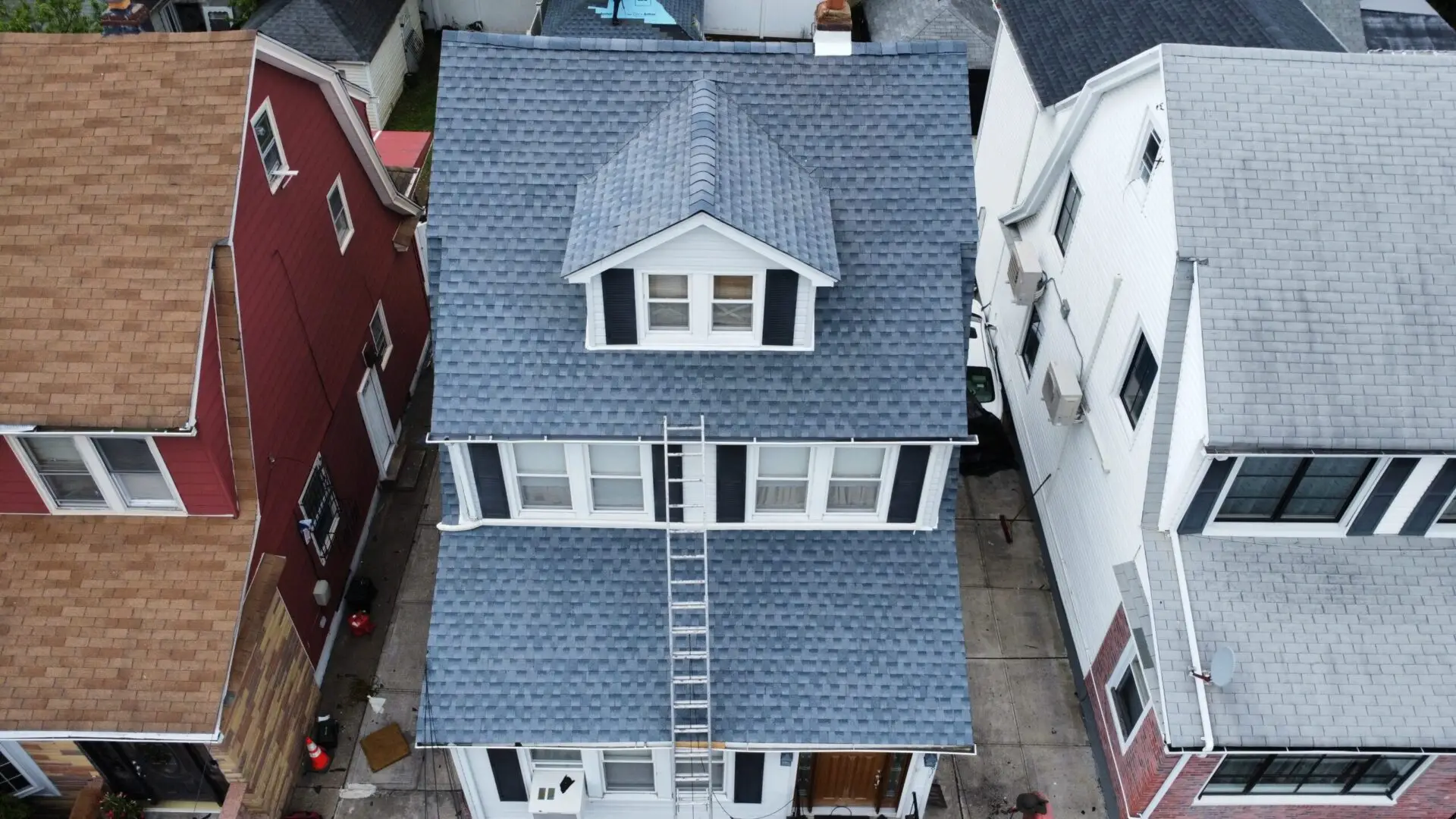
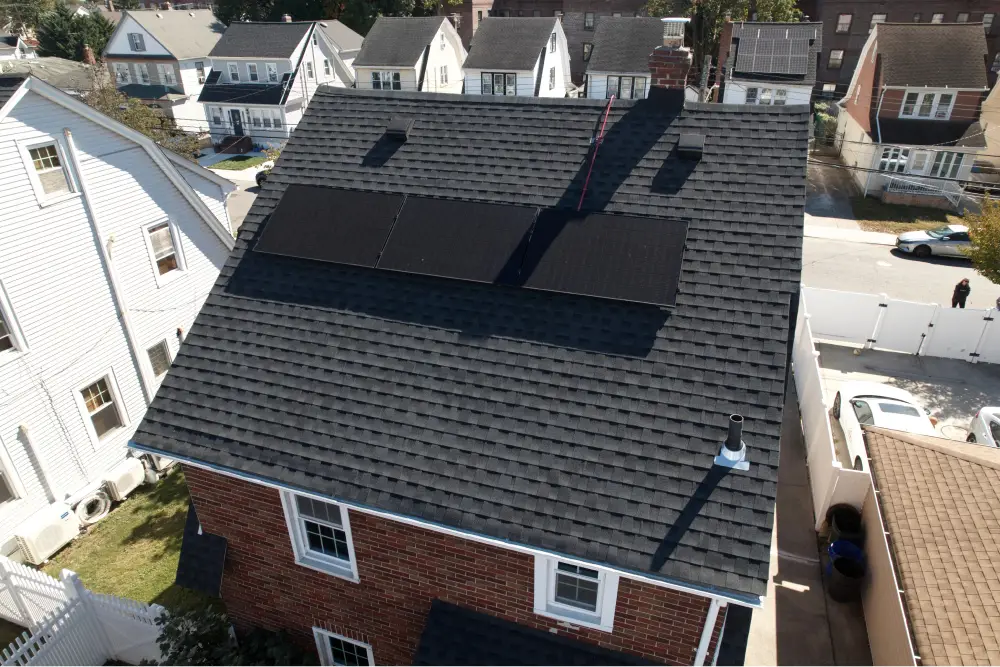
    When summer rolls around, many homeowners focus on curb appeal, backyard upgrades, and interior projects—but one of the most valuable investments you can make this season is in your roof. After all, your roof is your home’s first line of defense against the elements, and regular summer maintenance is key to avoiding costly issues down the road.

    Whether you’re thinking about listing your home in the near future or simply want to protect your investment, a little roofing TLC in the summer can go a long way. Below, we’ll walk through the most effective summer roofing maintenance tips to help you get the most out of your roof repair, extend your roof’s lifespan, and boost your property value.

    Why Summer Is the Perfect Time for Roof Maintenance

    The warmer months offer ideal conditions for roofing inspections and repairs. Dry weather allows roofers to work safely and efficiently, and any issues that developed over the winter or spring can now be clearly seen and addressed.

    More importantly, taking care of roof repair during the summer means you’re prepping your home for the harsh conditions of fall and winter. This forward-thinking approach not only helps you avoid emergency calls during storm season, but it also gives your home a leg up in resale value if you’re planning to sell.

    Start with a Visual Inspection

    The first step to maximizing home value with summer roofing care is a simple visual inspection. You don’t have to climb onto your roof—just grab a pair of binoculars or use your smartphone’s zoom feature from the ground. Look for:

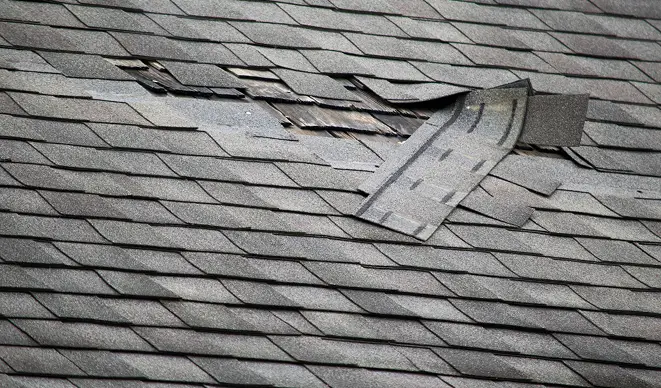
    • Missing, curled, or cracked shingles
    • Damaged or sagging gutters
    • Dark spots or signs of water pooling
    • Loose flashing around vents or chimneys

    Spotting these red flags early means you can get ahead of problems before they escalate. And if you’re seeing multiple signs of wear, it may be time to start Googling “roof repair near me” to find a qualified local expert.

    Clean Your Gutters and Downspouts

    Summer storms often bring wind-blown debris, which can clog gutters and downspouts. When gutters back up, water can pool at the base of your roof, leading to leaks, mold, and wood rot.

    Make it a point to clean your gutters at least twice during the summer months. Not only will this protect your roof, but it also helps to prevent foundation damage, siding deterioration, and landscaping erosion—issues that can reduce your home’s value significantly.

    Check for Signs of Roof Leaks Indoors

    Your ceiling and attic can also provide clues about the health of your roof. Take a few minutes to inspect:

    • Ceiling stains or bubbling paint
    • Musty odors in the attic
    • Visible mold or mildew

    It’s likely that your roof has a leak if you notice any of these symptoms. Prompt roof repair can minimize interior damage and keep your home’s structural integrity intact.

    Trim Overhanging Branches

    Trees offer shade and beauty, but overhanging limbs can be a real threat to your roof—especially during summer thunderstorms or high winds. Branches can scrape shingles, break off and fall, or provide an easy bridge for critters to access your roof.

    Take time this summer to trim back any trees that are too close to your home. Keeping foliage at least 10 feet from the roof is a good rule of thumb.

    Schedule a Professional Roof Inspection

    Even if everything looks fine from the ground, a professional roof inspection is always a smart move during the summer. Roofing contractors are trained to spot early signs of trouble that the average homeowner might miss.

    Many companies, like Attyx, offer comprehensive roof assessments that come with detailed reports and maintenance recommendations. An annual inspection is a low-cost investment that can add years to your roof’s lifespan and save you thousands on major repairs.

    Invest in a Roofing Maintenance Plan

    Want to take the guesswork out of summer roofing upkeep? A roof maintenance plan is your answer. These plans typically include scheduled inspections, minor repairs, debris removal, and priority service when you need it most.

    Partnering with a provider like Attyx ensures your roof gets consistent attention and care, season after season. Maintenance plans can also be a major selling point for potential buyers who want the assurance of a well-maintained home.

    Address Minor Repairs Promptly

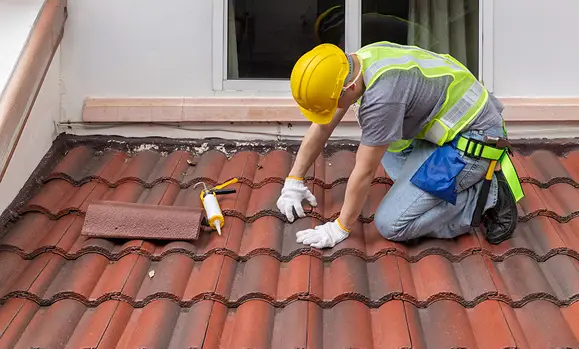
    If a summer inspection uncovers cracked shingles, loose flashing, or nail pops, don’t delay getting them fixed. Small issues can quickly become major problems when left unattended.

    A quick online search for “roof repair near me” will help you connect with local experts who can address minor concerns before they snowball into full-blown emergencies. In many cases, a one-hour repair job can prevent thousands of dollars in water damage later on.

    Upgrade or Replace When Needed

    Sometimes, maintenance just isn’t enough—especially if your roof is approaching the end of its life (20–30 years for asphalt shingles). If that’s the case, summer is the perfect time to consider a full roof replacement.

    While it’s a bigger investment, a new roof can increase your home’s value by up to $12,000 on average, according to national real estate data. It also makes your home more attractive to buyers, improves energy efficiency, and gives you peace of mind for years to come.

    Companies like Attyx specialize in full-service roof replacements using high-quality materials designed to stand up to summer heat and year-round elements. If you’re ready for a serious boost in home value, it’s worth exploring your options.

    Final Thoughts: Summer Roofing for Long-Term Value

    When it comes to home improvement projects that offer a high return on investment, roof repair and maintenance should be at the top of your list. Taking advantage of summer’s clear skies to inspect, clean, and maintain your roof is a smart way to protect your property and increase resale value.

    Whether it’s clearing gutters, addressing minor leaks, or enrolling in a professional maintenance plan, every bit of care counts. And when you’re ready to take things a step further, the team at Attyx is here to provide expert help for repairs, replacements, and inspections you can count on.

    Ready to protect your roof and boost your home’s value? Don’t wait for problems to show up—schedule your summer roofing maintenance today with a trusted local expert. A well-maintained roof is more than just protection—it’s peace of mind and long-term value.
  • Hidden Costs of Roof Neglect: Protecting Your Home

    Hidden Costs of Roof Neglect: Protecting Your Home

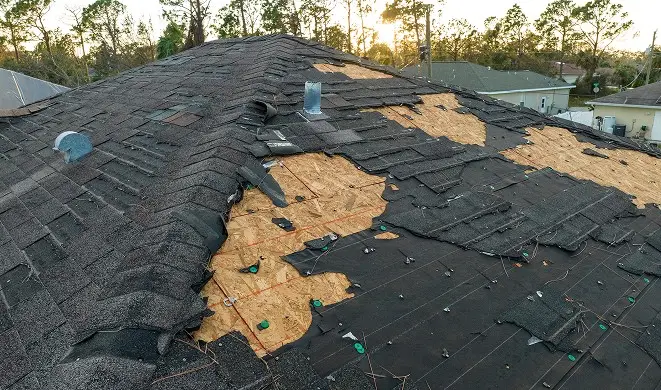
    If you’re like most homeowners, your roof probably isn’t something you think about every day. It’s easy to ignore—until there’s a leak over your bed during a rainstorm or shingles scattered across your lawn after a windy night. But here’s the truth: neglecting your roof doesn’t just lead to inconvenience. It can quietly rack up thousands of dollars in hidden costs. And when the damage finally makes itself known, you could be looking at a hefty new roof cost that could have been minimized—or even avoided—with timely attention.

    At Attyx, we believe a little roof care goes a long way toward protecting your biggest investment—your home.

    The Real Price of “Out of Sight, Out of Mind”

    Let’s start with the most common myth: “If it’s not leaking, it’s fine.”

    Unfortunately, roof damage often begins long before you notice the signs. Small issues like cracked shingles, worn flashing, or moss growth might not seem like emergencies, but they can allow moisture to seep into your home. Over time, that moisture can damage insulation, rot wood framing, and even affect your electrical systems.

    The longer these problems go undetected, the more extensive—and expensive—the repairs become.

    While the roof repair cost for minor issues might be relatively affordable, neglect can push you toward a full replacement. And a new roof cost is a significant investment.

    What Goes Into the Cost of a New Roof?

    Homeowners often ask, “How much does a new roof cost?” And while we’d love to give a simple answer, the truth is that it depends on several key factors:

    • Roof size and pitch
      The larger and steeper the roof, the more labor and materials required.
    • Material type
      Asphalt shingles, metal roofing, tile, and synthetic options all come at different price points and lifespans.
    • Existing roof condition
      If your current roof has significant damage, there may be costs associated with removing old materials, repairing the decking, or upgrading structural elements.
    • Location and local codes
      Permitting fees, disposal costs, and regional weather considerations can all affect pricing.

    Because of these variables, we don’t offer one-size-fits-all pricing, but we can guide you through your options so you can make informed decisions that align with your home, budget, and long-term plans.

    The Cost of Roof Repairs—And Why Timing Matters

    Not all roofing problems require a complete replacement. In many cases, roof repair can extend the life of your roof by several years. Missing shingles, minor leaks, or flashing issues are common problems that can often be fixed quickly.

    But here’s the catch: the longer you wait, the more expensive repairs become.

    For example, a small leak that could be patched for a modest cost today might lead to mold remediation, drywall replacement, and flooring repairs down the road—each of which adds to your total out-of-pocket expense. Suddenly, that “quick fix” turns into a full-blown renovation.

    And while roof repair cost is typically much lower than the cost of a full replacement, it pays to act fast.

    Hidden Costs That Come From Roof Neglect

    If you’re still not convinced, here are some of the less obvious costs that creep in when a roof is left unchecked:

    • Increased energy bills
      Damaged roofing or poor insulation allows hot or cold air to escape, forcing your HVAC system to work harder—and raising your monthly bills.
    • Interior damage
      Ceiling stains and warped drywall are just the beginning. Over time, moisture can destroy the integrity of your walls and flooring.
    • Decreased home value
      A visibly worn roof is a red flag to potential buyers. Even if your home is beautiful inside, a deteriorating roof can significantly lower resale value.
    • Pest infestations
      Holes and gaps in your roof can provide easy entry for rodents, birds, and insects, leading to costly extermination and cleanup.
    • Insurance issues
      Some insurance providers may deny coverage for damage resulting from lack of maintenance. That means you could be footing the entire bill yourself.


    Routine Maintenance: The Affordable Solution

    The good news? Regular roof inspections and maintenance are far more affordable than emergency repairs or total roof replacement.

    At Attyx, we recommend a roof inspection at least once a year and after major storms. During an inspection, our roofing experts check for early signs of wear, assess the integrity of shingles and flashing, and look for potential leak points.

    Catching these problems early can help you:

    • Avoid major disruptions to your daily life
    • Lower your total repair or replacement costs
    • Increase the lifespan of your roof
    • Preserve your home’s value

    We’ll never upsell you on services you don’t need. Our goal is simple: to help you make smart, cost-effective decisions that protect your home and your wallet.

    Planning for the Future

    Whether you’re looking to prolong the life of your current roof or considering a full replacement, planning ahead is key. A professional inspection will give you a clear picture of your roof’s condition and help you anticipate future expenses.

    Even if your roof is approaching the end of its expected lifespan, addressing repairs now can give you time to budget and prepare—rather than being forced into an emergency replacement when you least expect it.

    Final Thoughts

    Your roof is one of the hardest-working parts of your home, shielding you from wind, rain, snow, and sun every single day. And yet, it’s often the most overlooked.

    Don’t let neglect turn into an expensive mistake. By investing in regular inspections and timely repairs, you can avoid the hidden costs of roof damage and make the most of your roof’s lifespan.

    At Attyx, we’re here to help you every step of the way—from routine maintenance to expert guidance on choosing materials, timing repairs, and understanding your options when the time comes for a new roof.

    Ready to take a proactive approach to roof care?
    Contact us today to schedule a roof inspection or talk with one of our experts about your long-term roofing plan.

  • Metal Roofing: When You Should Choose A Metal Roof

    Metal Roofing: When You Should Choose A Metal Roof

    When it comes to protecting your home, few investments are as important—or as long-lasting—as your roof. While traditional asphalt shingles have long been the go-to option for many homeowners, metal roofing is quickly gaining ground as a stylish, durable, and energy-efficient alternative.

    If you’re considering a new roof, it’s worth taking a closer look at metal roof installation and the growing appeal behind it. In this post, we’ll walk you through the advantages and disadvantages of metal roofing and help you determine when it’s the right choice for your home. We’ll also share how bundling services with Attyx can save you time and money.

    Why Metal Roofing?

    Once seen mostly on barns and industrial buildings, metal roofing has made its way into modern residential construction—and it’s not hard to see why. Today’s metal roofs come in a wide range of styles, colors, and finishes, allowing homeowners to combine functionality with great curb appeal.

    But beyond looks, metal roofs are built to perform. Let’s start by reviewing the key benefits of choosing metal.

    The Pros of Metal Roofing

    • Long Lifespan
      Metal roofs can last anywhere from 40 to 70 years, depending on the material and installation. That’s more than double (and sometimes triple) the lifespan of a typical asphalt shingle roof, which usually needs replacing every 15 to 20 years.


    • Excellent Weather Resistance
      Metal roofing stands up well against extreme conditions, including heavy snow, hail, rain, and high winds. Some systems are rated for wind gusts up to 140 mph, making them ideal for storm-prone regions.


    • Energy Efficiency
      Metal reflects solar heat, which helps reduce cooling costs in the summer. Some systems also have special coatings that further improve thermal performance, potentially lowering energy bills year-round.


    • Low Maintenance
      Compared to shingles, metal roofs require less upkeep. They’re less susceptible to issues like mold, rot, or insect damage. Regular inspections and basic maintenance go a long way in preserving their performance.


    • Environmentally Friendly
      Most metal roofing is made from recycled content and is 100% recyclable at the end of its life. If sustainability is a priority for your household, metal is a strong contender.


    • Boosted Home Value
      A well-installed metal roof not only improves your home’s appearance but also its resale value. Buyers often view a metal roof as a long-term benefit, especially in areas where durability is a must.

    The Cons of Metal Roofing

    No roofing material is without its trade-offs. While metal roofing offers plenty of benefits, here are a few considerations to keep in mind:

    • Higher Initial Cost
      The upfront investment is often the biggest hurdle. Metal roofing can cost two to three times more than traditional shingles. However, the long lifespan and reduced maintenance often balance this out over time.


    • Potential for Noise
      Rain or hail on a metal roof can be louder than on a shingle roof. That said, modern installation practices—such as insulation and underlayment—can drastically reduce noise to comfortable levels.


    • Dents and Damage
      Although metal is strong, certain types—especially softer metals like aluminum—can dent under heavy impact. If you live in an area with frequent hailstorms or falling debris, this is something to factor in when choosing materials.

    When Should You Choose a Metal Roof?

    So, is a metal roof installation the right choice for your home? Here are a few scenarios where going metal is a smart move:

    You live in an area with extreme weather
    If your region experiences high winds, heavy snowfall, or frequent storms, the resilience of a metal roof offers peace of mind and fewer repair concerns.

    You’re building your forever home
    If you plan to stay in your home for the long haul, the longevity of a metal roof makes the investment worthwhile. It eliminates the need for replacement down the road and reduces maintenance costs over time.

    You’re looking for energy savings
    Homes with metal roofs often see a noticeable drop in summer cooling costs. Over time, these savings can help offset the upfront expense.

    You want a modern or upgraded aesthetic
    With a variety of finishes and styles available, a metal roof can enhance your home’s curb appeal and give it a more refined, customized look.

    You prioritize sustainability
    For environmentally conscious homeowners, metal roofing checks all the boxes: recycled content, energy efficiency, and full recyclability at the end of its lifespan.

    Why Bundling with Attyx Makes Sense

    At Attyx, we don’t just install metal roofs—we deliver full-service exterior solutions. When considering a metal roof, it’s the perfect time to look at your home’s overall envelope. Bundling services like gutters, siding, or insulation with your roof project can help:

    • Ensure all exterior components work together for maximum efficiency
    • Avoid the hassle of coordinating multiple contractors
    • Save time and money by consolidating labor and materials
    • Create a cohesive look that boosts your home’s value and protection

    Our team is happy to build a custom package that meets your needs, fits your budget, and provides long-term value—whether you’re updating your home or building new.

    Metal Roof Installation

    Choosing a roof is one of the most important decisions you’ll make as a homeowner. If you value durability, efficiency, and long-term performance, a metal roof installation could be the right move.

    Still weighing the pros and cons of metal roofing? Let’s talk. At Attyx, we believe in giving homeowners honest guidance, expert craftsmanship, and bundled services that make home improvements easier and more affordable.

    Contact us today for a free consultation—and find out how metal roofing (and more) can elevate your home.


  • Preparing Your Roof For Hurricane Season In North Carolina

    Preparing Your Roof For Hurricane Season In North Carolina

    Hurricane season in North Carolina kicks off in June and can last all the way through November. That’s months of potentially strong winds, heavy rain, and the risk of serious damage to your home. While you can’t control the weather, you can take steps to protect your property—starting with your roof. The right hurricane roof preparation can mean the difference between minor fixes and costly, extensive repairs.

    Not sure where to start when it comes to preparing your roof for hurricanes? No worries—we are breaking it down step by step so you can get your roof hurricane-ready before the next big storm rolls in.

    Why Preparing Your Roof for Hurricanes is So Important

    Your roof is your home’s first line of defense during a hurricane. It takes the brunt of the wind, rain, and flying debris, so if it’s already in rough shape, a storm can turn minor issues into major problems. Loose shingles can fly off, flashing can tear away, and water can seep into weak spots, leading to leaks, structural damage, or even total roof failure.

    The good news? Taking the time to check and strengthen your roof before hurricane season gets serious can save you from expensive repairs and unnecessary stress. Here’s where to begin:

    Step 1: Get a Professional Roof Inspection

    One of the smartest things you can do before hurricane season is to schedule a professional roof inspection. A roofing expert will spot potential problem areas, including:

    • Loose or missing shingles
    • Worn-out or damaged flashing
    • Weak or deteriorated sealants
    • Structural weaknesses in the roof decking

    Catching these issues early means you can fix them before a storm turns them into a costly headache.

    Step 2: Secure Loose Shingles and Roofing Materials

    Loose or damaged shingles are like an open invitation for hurricane winds to damage your home. If an inspection shows any compromised shingles, don’t wait—get them repaired or replaced right away. Reinforcing your shingles with hurricane-rated roofing nails and adhesives can also help them withstand high winds.

    If your roof is getting up there in age and the shingles are curling or lifting, it might be time for a complete roof replacement with impact-resistant materials built to handle severe storms.

    Step 3: Reinforce Roof Flashing and Sealants

    Flashing—the metal strips around chimneys, vents, and skylights—helps keep water out of your home. But if it’s loose or corroded, it can fail when heavy rains hit. To make sure your roof stays watertight, check the flashing for gaps and weak spots. Adding fresh sealant to these areas can make a big difference in preventing leaks during a storm.

    Step 4: Trim Trees and Clear Out Debris

    Overhanging branches are a major hazard during hurricanes. Strong winds can snap limbs, sending them straight onto your roof. To reduce the risk of damage from tree branches:

    • Trim back any tree limbs that hang over or near your roof.
    • Remove dead or weak trees that could come down in a storm.
    • Clear leaves, twigs, and other debris from your gutters and roof to prevent blockages and water buildup.

    Step 5: Clean and Secure Your Gutters

    Your gutters play a huge role in directing water away from your roof and home. If they are clogged or loose, they won’t do their job properly, which can lead to roof leaks and even foundation water damage. Before hurricane season, make sure your gutters and downspouts are:

    • Free of debris and blockages
    • Securely attached to your home
    • Channeling water away from your foundation

    Installing gutter guards can also help prevent clogs and make maintenance easier throughout the season.

    Step 6: Consider Installing Hurricane Straps or Clips

    Hurricane straps or clips are metal fasteners that reinforce the connection between your roof and the rest of your home. These add-ons help prevent high winds from lifting your roof off of your home. If you are building a new home or replacing your current roof, installing these reinforcements is a smart investment for long-term protection.

    Step 7: Have a Plan for Emergency Repairs

    Even with the best hurricane roof preparation, severe storms can still cause damage. Having an emergency plan in place can help you act quickly to minimize further problems. Your plan should include:

    • A trusted roofing contractor you can call for immediate repairs
    • A supply of tarps and waterproof materials to cover damaged areas temporarily
    • An understanding of what your homeowner’s insurance covers for hurricane damage

    Work with a Pro to Get Your Roof Hurricane-Ready

    Preparing your roof for hurricane season isn’t just about reacting when a storm is on the way—it’s about making sure your home is protected before disaster strikes. At Attyx, we specialize in helping North Carolina homeowners reinforce their roofs and keep them in top shape year-round. Whether you need an inspection, repairs, or a full roof upgrade, we’ve got you covered.

    Don’t wait until the last minute—schedule your roof inspection with Attyx today and take the first step toward a safer, stronger home this hurricane season. 

  • Solar vs. HVAC vs. Roofing: Which Upgrade Should You Start With?

    Solar vs. HVAC vs. Roofing: Which Upgrade Should You Start With?

    Upgrading your home’s roofing, HVAC system, or solar panels can significantly improve energy efficiency, lower utility bills, and increase property value. However, knowing which upgrade to prioritize can be challenging. Understanding how each system contributes to energy conservation—and how they work together—can help you make an informed decision.

    Why Upgrade Your Roof, HVAC, or Solar System?

    • Energy Efficiency: Each system plays a crucial role in reducing energy consumption.
    • Cost Savings: Investing in the right upgrade can lower utility bills and long-term maintenance costs.
    • Home Value: A well-maintained and energy-efficient home is more attractive to potential buyers.
    • Sustainability: Upgrading to eco-friendly systems can reduce your carbon footprint and contribute to a greener environment.

    The Role of Roofing in Energy Efficiency

    A new roof installation does more than protect your home—it directly impacts your heating and cooling efficiency. Here’s how:

    • Improved Insulation: Modern roofing materials, such as reflective shingles and cool roofs, help regulate indoor temperatures.
    • Better Ventilation: A properly ventilated attic reduces heat buildup, lowering strain on your HVAC system.
    • Support for Solar Panels: A strong, durable roof is essential for supporting a new solar system, ensuring long-term stability and performance.
    • Weather Resistance: Newer roofing materials offer enhanced durability against harsh weather conditions, further improving efficiency and longevity.

    Choosing the Right Roofing Material

    If you’re replacing your roof, there are some important energy-efficient options you should be aware of:

    • Cool Roofs: Designed to reflect more sunlight and absorb less heat, reducing cooling costs.
    • Metal Roofing: Durable, recyclable, and energy-efficient with reflective coatings.
    • Solar Shingles: Combine the benefits of a roof and a new solar system in one.

    How an HVAC System Upgrade Boosts Efficiency

    Your HVAC system upgrade is a key component in home energy efficiency. It impacts the following: 

    • Lower Energy Use: Newer HVAC systems use advanced technology to optimize performance and reduce waste.
    • Better Air Quality: Improved air circulation and filtration enhance indoor air quality.
    • Enhanced Comfort: A properly functioning HVAC system maintains consistent indoor temperatures, reducing hot and cold spots.
    • Smart Controls: Modern HVAC systems come with smart thermostats that allow for precise temperature control and scheduling.
    • Eco-Friendly Options: Energy-efficient heat pumps and geothermal systems offer greener alternatives to traditional HVAC units.

    If your HVAC system is over 10–15 years old or is struggling to maintain efficiency, upgrading could be a beneficial option for your home. 

    The Benefits of a New Solar System

    A new solar system helps homeowners reduce dependence on traditional energy sources while also lowering electricity bills. Some benefits include:

    • Long-Term Savings: Solar panels provide substantial energy savings over time.
    • Eco-Friendly Energy: Solar power reduces reliance on fossil fuels, lowering your carbon footprint.
    • Incentives and Rebates: Many states offer tax credits and incentives for homeowners investing in solar energy.
    • Energy Independence: Generating your own power can reduce reliance on the grid and protect against rising energy costs.
    • Battery Storage: Pairing solar with battery storage allows homeowners to store excess energy for use during peak hours or power outages.

    Why Roofing Should Come First

    If you’re considering multiple upgrades, starting with a new roof installation is often the best strategy. Here’s why:

    1. Structural Integrity: Solar panels last 25–30 years, so your roof must be strong enough to support them for that duration.
    2. Energy Efficiency Optimization: A new roof with reflective materials reduces heat absorption, improving HVAC and solar efficiency.
    3. Bundling Cost Savings: Some contractors offer discounts when installing a new roof and solar system together, reducing labor costs.
    4. Longevity Considerations: If your roof is nearing the end of its lifespan, installing solar panels beforehand may require premature removal and reinstallation.

    When to Prioritize an HVAC System Upgrade

    In some cases, upgrading your HVAC system first makes the most sense. For instance:

    • If your current system is outdated and causing high energy bills.
    • If your home has inconsistent indoor temperatures.
    • If you’re not ready for a new roof installation or solar system but still want energy savings.
    • If your HVAC system frequently requires repairs or struggles to maintain comfort levels.
    • If your home has poor indoor air quality due to an aging ventilation system.

    Bundling Upgrades for Maximum Savings

    Combining a new roof installation, new solar system, and HVAC system upgrade can offer several benefits, some of the most influential being: 

    • Lower Installation Costs: Reducing labor and project timelines saves money.
    • Simplified Permitting: Completing all upgrades together streamlines the approval process.
    • Optimized Energy Performance: These systems work best when upgraded in tandem.
    • Higher Property Value: Homes with updated roofing, solar, and HVAC systems are more appealing to buyers and command higher resale values.
    • Enhanced Financing Options: Some programs offer better financing terms when bundling energy-efficient home upgrades.

    Additional Factors to Consider

    Before deciding which upgrade to tackle first, consider the following:

    • Local Climate: Homes in hotter climates benefit from cool roofs and solar panels, while colder regions may prioritize HVAC efficiency.
    • Budget & Financing: Evaluate available rebates, tax credits, and financing programs to make upgrades more affordable.
    • Long-Term Goals: If you plan to stay in your home for decades, investing in high-efficiency systems now can yield greater returns over time.
    • Professional Assessments: Consulting with roofing, HVAC, and solar professionals can provide valuable insight into the best strategy for your specific home.

    Final Thoughts: Where to Start

    Your upgrade path depends on your home’s current condition, budget, and energy goals. Here are some considerations to keep in mind: 

    • If your roof is aging, prioritize a new roof installation before adding solar panels.
    • If your HVAC system is outdated, an HVAC system upgrade provides immediate energy savings.
    • If you want long-term energy efficiency, investing in a new solar system is an excellent option.
    • If possible, bundling upgrades can maximize cost savings and energy efficiency.

    By carefully planning your upgrades, you can create a more energy-efficient and comfortable home while maximizing cost savings.

    Need professional guidance on where to start? Contact Attyx today to assess your home’s needs and develop the best upgrade strategy.

  • What It’s Costing You To NOT Replace Your Roof

    What It’s Costing You To NOT Replace Your Roof


    Most homeowners put off replacing their roof for as long as possible, often due to concerns about roof replacement cost. But what if delaying a new roof is actually costing you more in the long run? While it might seem like a good idea to stretch your current roof’s lifespan, waiting too long to replace your roof can lead to expensive repairs, decreased home value, and even safety risks.

    So, if you have been wondering how much it is to replace your roof and whether it’s really worth it, let’s break down the hidden costs of waiting too long.

    The Cost of Roof Repairs vs. Full Replacement

    Many homeowners assume that patching up a few problem areas is the more affordable route. And in some cases, that might be true if the issue is minor and caught early. However, ongoing repairs add up quickly. Here’s why:

    • Frequent Repairs: If you are calling a roofer every year (or more), those costs can exceed the price of a full roof replacement over time.
    • Hidden Structural Damage: Water leaks don’t just damage your roof—they impact insulation, ceilings, walls, and even your home’s foundation. The longer you wait, the more extensive (and expensive) the damage becomes.
    • Rising Costs of Materials and Labor: Roof replacement costs tend to increase over time. Waiting too long could mean paying significantly more down the line.

    Increased Energy Bills From Poor Insulation

    An aging roof is at a higher risk of leaks, not to mention it is also less energy efficient. Shingles lose their insulating properties, ventilation can become compromised, and heat or cool air escapes more easily. As a result:

    • Your HVAC system has to work harder to regulate indoor temperatures.
    • Energy bills increase, especially during extreme summer and winter months.
    • You lose out on the benefits of modern, energy-efficient roofing materials designed to reflect heat and improve insulation.

    Insurance May Not Cover Major Damage

    If your roof suffers storm damage and your insurance company determines that it was due to neglect or old age, they may not cover the repairs. Insurance providers expect homeowners to maintain their roofs, and failure to do so can leave you paying out of pocket for expensive fixes.

    By proactively replacing your roof before it becomes a liability, you increase your chances of insurance coverage for future storm-related damage.

    Home Value and Curb Appeal Decline

    Thinking about selling your home in the next few years? A worn-out roof is a red flag for potential buyers. Many will negotiate a lower price or request that you replace the roof before closing. A new roof, on the other hand:

    • Increases your home’s resale value.
    • Enhances curb appeal, making your home look well-maintained and modern.
    • Helps your home sell faster, as buyers won’t have to factor in the cost of immediate roof repairs.

    Health Hazards From Mold and Mildew

    A leaking roof not only causes damage to your home, it can also impact your family’s health. Moisture trapped in walls and ceilings creates the perfect breeding ground for mold and mildew. Exposure to mold can cause respiratory issues, allergies, and other health problems. The longer leaks persist, the harder (and more expensive) it is to eliminate mold growth.

    What Factors Determine How Much It will Cost to Replace Your Roof?

    If you are holding off on a new roof because of cost concerns, it helps to understand what factors influence pricing. Roof replacement cost varies based on:

    • Roof Size: The larger your roof, the more materials and labor required.
    • Material Choice: Asphalt shingles are more affordable, while metal, tile, or slate roofing comes with a higher price tag.
    • Roof Complexity: Steeper or multi-level roofs take more time and effort to replace, increasing labor costs.
    • Removal of Old Roof: If multiple layers of old roofing materials need to be removed, this adds to the overall expense.
    • Location: Prices vary based on regional labor rates and material availability.

    While it’s hard to pinpoint an exact number without an inspection, national averages show that investing in a roof replacement often costs less over time than continuously patching up an aging roof.

    The Bottom Line: Don’t Wait Until It’s Too Late

    Delaying a necessary roof replacement might feel like you are saving money, but in reality, it often leads to higher costs down the road. Between rising energy bills, expensive repairs, insurance risks, and declining home value, waiting too long can be a costly mistake.

    If you are unsure about the condition of your roof, the best thing you can do is schedule an inspection with our professionals at Attyx who can provide an honest assessment. Don’t wait until damage becomes severe—reach out today to discuss your options and get an estimate tailored to your home’s needs.

    Your roof is your home’s first line of defense—make sure it’s up to the job with our help. 

  • How a New Roof Can Increase Your Home’s Value in 2025

    How a New Roof Can Increase Your Home’s Value in 2025


    A new roof installation is one of the most impactful home upgrades you can make, offering a strong return on investment while enhancing both curb appeal and energy efficiency. Whether you’re looking to sell your home or simply improve its long-term value, a roof replacement can provide substantial benefits. With Attyx, upgrading your roof is an investment in your home’s future. Let’s explore how a new roof can increase your home’s value in 2025.

    Boosts Curb Appeal and First Impressions

    Your roof is one of the first things potential buyers notice. A worn-out, damaged, or outdated roof can make even a well-maintained home look neglected. On the other hand, a new, high-quality roof immediately enhances your home’s exterior, making it more attractive to buyers.

    Curb Appeal Benefits:

    • Modern, well-maintained appearance
    • Increases buyer interest
    • Higher perceived value

    Increases Home Resale Value

    A new roof is a valuable selling point in the real estate market. According to industry reports, homeowners can expect to recoup a significant portion of their roofing investment when selling their property. In 2025, with increasing buyer demand for move-in-ready homes, a roof upgrade can give you a competitive edge.

    Return on Investment (ROI) on a New Roof:

    • Potential return of 60-70% on investment
    • Faster home sales due to improved condition
    • Reduced negotiation points for repairs

    Enhances Energy Efficiency

    Energy-efficient roofing materials can lower heating and cooling costs, making your home more attractive to cost-conscious buyers. Roofing technology has advanced, and modern materials offer better insulation, reflectivity, and overall performance.

    Energy-Saving Roofing Options:

    • Cool roofing materials reflect sunlight and reduce heat absorption
    • Improved insulation minimizes energy loss
    • Solar panel integration can further increase efficiency

    With Attyx, you can choose roofing materials that enhance both efficiency and durability, maximizing long-term savings.

    Reduces Maintenance and Repair Costs

    Older roofs often require frequent repairs, leading to ongoing maintenance expenses. A roof upgrade eliminates these concerns, providing long-lasting protection with minimal upkeep. Buyers are more likely to pay a premium for a home with a worry-free, recently installed roof.

    Low-Maintenance Benefits:

    • Modern roofing materials resist weather damage
    • Fewer leaks and structural concerns
    • Warranty coverage for added peace of mind

    Improves Home Safety and Structural Integrity

    An aging roof can pose significant risks, from leaks that cause water damage to weakened structures that compromise safety. A new roof installation ensures your home is well-protected against the elements, increasing overall security and durability.

    Safety Enhancements:

    • Prevents mold and water damage
    • Reduces risk of structural failure
    • Meets updated building codes and regulations

    Increases Home Insurance Benefits

    Many insurance companies offer lower premiums for homes with new roofs, as they pose less risk of damage and claims. Replacing your roof with impact-resistant materials can further enhance savings and protection.

    Insurance Perks:

    • Potential for lower homeowner’s insurance premiums
    • Better protection against storm and weather damage
    • Compliance with modern safety standards

    Why Choose Attyx for Your Roof Upgrade?

    At Attyx, we specialize in high-quality roofing solutions designed to enhance your home’s value and efficiency. Our expert team ensures a seamless installation process, using durable materials that maximize performance and longevity.

    Attyx Roofing Benefits:

    • Top-tier roofing materials for long-lasting results
    • Professional installation by experienced experts
    • Energy-efficient and sustainable options
    • Excellent customer service from consultation to completion

    Final Thoughts: Is a New Roof Worth It?

    Absolutely. Whether you plan to sell or stay in your home for years to come, a new roof offers undeniable value. With increased curb appeal, higher resale potential, energy savings, and improved safety, it’s one of the best investments you can make in 2025.

    Ready to upgrade your roof? Contact Attyx today to explore your options and enhance your home’s value!

  • How to Choose a Roofer in Hawaii

    How to Choose a Roofer in Hawaii

    Finding the right roofer in Hawaii is crucial for ensuring quality work, durability, and long-term protection for your home. With Hawaii’s unique climate, including strong sun exposure, heavy rains, and hurricane threats, choosing the right roofing contractor requires careful consideration. Here’s how you can find a reliable roofer in Hawaii.

    Look for a Licensed and Insured Roofer

    Hawaii has strict contractor licensing laws to protect homeowners. Ensure that any roofer you consider is licensed with the State of Hawaii Contractors License Board. Additionally, the roofer should carry both liability insurance and workers’ compensation to protect you from potential liabilities.

    Why Licensing and Insurance Matter

    • Ensures compliance with Hawaii building codes
    • Protects you from financial responsibility for accidents
    • Guarantees that the contractor meets professional standards

    Choose a Roofer with Local Experience

    Hawaii’s climate presents unique challenges, such as salt air corrosion, high humidity, and hurricane-force winds. A roofer with local experience understands the best materials and installation techniques to withstand these elements.

    Benefits of Hiring a Local Roofing Contractor

    • Familiarity with Hawaii’s weather and building codes
    • Established relationships with local suppliers
    • Faster response times for repairs and maintenance

    Check Reviews and References

    Customer reviews and testimonials provide insight into a roofer’s reputation. Look for consistent positive feedback about quality, timeliness, and customer service.

    Where to Check Reviews

    • Google Reviews
    • Better Business Bureau (BBB)
    • Yelp and other local review platforms

    Additionally, ask the contractor for references from past clients to verify their work quality and reliability.

    Ask About Roofing Material Options

    Different roofing materials perform differently in Hawaii’s environment. A reputable roofer should offer recommendations based on durability, energy efficiency, and aesthetics.

    Best Roofing Materials for Hawaii

    • Metal Roofing: Long-lasting, reflective, and hurricane-resistant
    • Asphalt Shingles: Affordable and available in many styles
    • Tile Roofing: Durable and resistant to salt air corrosion
    • Cool Roofing: Reflects heat, reducing cooling costs

    Get a Detailed Estimate in Writing

    A professional roofer should provide a clear, broken-down estimate covering:

    • Material costs
    • Labor charges
    • Warranty details
    • Project timeline
    • Cleanup and disposal

    Avoid contractors who give vague estimates or ask for large upfront payments without documentation.

    Understand the Warranty Offered

    A solid warranty ensures that you’re covered if any issues arise after installation. Roofing warranties typically include:

    • Manufacturer’s Warranty: Covers defects in roofing materials
    • Workmanship Warranty: Covers installation errors

    Make sure you understand the terms and duration of both warranties before signing a contract.

    Beware of Scams and Storm Chasers

    After major storms, some unlicensed contractors, known as storm chasers, may offer quick, cheap repairs. These contractors often disappear after the job, leaving homeowners with subpar work.

    How to Avoid Roofing Scams

    • Verify the contractor’s license and insurance
    • Avoid deals that seem too good to be true
    • Check for local references and reviews

    Bundle Your New Roof with Solar for More Savings

    If you’re replacing your roof, bundling with solar can be a cost-effective way to maximize your home’s energy efficiency while reducing long-term expenses. A new roof provides the perfect foundation for solar panels, ensuring durability and preventing costly reinstallation down the line.

    Benefits of Bundling Your Roof with Solar

    • $0 out-of-pocket financing options
    • Fixed, inflation-free monthly energy costs
    • Federal and state tax incentives reduce overall costs
    • Increased home value with an energy-efficient upgrade
    • Energy independence by generating your own power

    By bundling, homeowners can secure a locked-in monthly rate that is often lower than their current electricity bill. Plus, with federal and state funding covering up to 40% of the total project cost, bundling your roof with solar is a smart financial decision.

    Why Choose Attyx for Your Roofing Needs?

    At Attyx, we specialize in high-quality roofing solutions tailored for Hawaii’s climate. With our licensed, insured, and experienced team, we ensure superior workmanship and durable roofing materials that stand up to Hawaii’s elements.

    What Sets Attyx Apart?

    • Locally trusted and highly rated
    • Expertise in Hawaii-specific roofing solutions
    • Transparent pricing and detailed estimates
    • Excellent customer service and warranty options

    Final Thoughts

    Choosing the right roofer in Hawaii ensures a durable, long-lasting roof that protects your home and withstands the island’s harsh weather conditions. By focusing on licensing, experience, reputation, and warranty coverage, you can confidently select a roofing contractor that meets your needs.

    Want to bundle and save? Contact Attyx today for a consultation and expert roofing and solar solutions in Hawaii.

  • How to Choose a Roofer in California

    How to Choose a Roofer in California

    Finding a reliable roofing contractor in California is essential for protecting your home and ensuring a high-quality installation or repair. With so many options available, it’s important to know what to look for in a roofing professional. Whether you need a minor repair or a full roof replacement, here’s how to choose the best roofer for the job.

    Check for Proper Licensing and Insurance

    In California, roofing contractors must have a valid license issued by the California Contractors State License Board (CSLB). Before hiring a roofer, ask for their license number and verify it through the CSLB website. A licensed roofer meets state requirements and follows local building codes, ensuring compliance with safety regulations.

    Equally important is insurance coverage. A reputable roofing company should have:

    • Liability insurance – Protects your home from accidental damage during the project.
    • Workers’ compensation insurance – Covers injuries sustained by workers while on your property.

    Always ask for proof of both before signing a contract.

    Look for Experience and Local Expertise

    California’s diverse climate, from coastal moisture to inland heat, affects roofing materials and installation techniques. Hiring a roofer with experience in your region ensures they understand which materials work best for your area’s weather conditions.

    Additionally, a local roofing contractor will be familiar with building codes and permit requirements, helping you avoid costly delays or compliance issues.

    Read Reviews and Get References

    Customer reviews provide valuable insight into a roofer’s reputation. Check online platforms like Google Reviews, Yelp, and the Better Business Bureau (BBB) for feedback from past clients.

    In addition to reading reviews, ask the contractor for references. A reliable roofer should be able to provide a list of satisfied customers who can vouch for their workmanship and professionalism.

    Request a Detailed Written Estimate

    Before making a decision, obtain estimates from multiple roofing companies. A professional roofer will provide a detailed, written estimate outlining:

    • Material costs
    • Labor charges
    • Project timeline
    • Warranty details
    • Cleanup and disposal fees

    Be cautious of significantly low bids, as they may indicate the use of substandard materials or unqualified labor. A fair and transparent estimate ensures there are no hidden costs or surprises during the project.

    Ask About Warranties

    A quality roofing contractor should stand behind their work. Make sure to ask about:

    • Material warranties – Covers manufacturer defects in roofing materials.
    • Workmanship warranties – Ensures protection against improper installation.

    Warranties provide peace of mind, ensuring your investment is protected for years to come.

    Choose a Roofer with Clear Communication

    Effective communication is key to a smooth roofing project. A trustworthy contractor should be responsive, answer your questions clearly, and keep you informed throughout the whole process. If a roofer is difficult to reach or vague about project details, it may be a red flag.

    Conclusion

    Choosing the right roofer in California ensures your home is protected with a durable, well-installed roof. By verifying licenses, checking reviews, and requesting detailed estimates, you can confidently select a contractor who meets your needs.

    If you’re looking for a trusted roofing professional, Attyx specializes in high-quality residential roofing across California. Contact Attyx today to learn more about how we can help with your next roofing project.

  • How to Choose a Roofer in Virginia

    How to Choose a Roofer in Virginia

    Choosing the right roofer in Virginia is a crucial decision for homeowners. Whether you’re dealing with storm damage, an aging roof, or planning a new installation, finding a reliable contractor ensures quality work and long-term protection for your home. With Virginia roofing needs varying by region and climate, it’s essential to choose a contractor with the right expertise. Here’s what to look for when selecting a roofer in Virginia.

    Verify Licensing and Insurance

    In Virginia, roofing contractors must have a Class A, B, or C contractor’s license from the Virginia Department of Professional and Occupational Regulation (DPOR). Before hiring, ask for their license number and verify it on the DPOR website.

    Additionally, make sure your roofer carries:

    • General liability insurance – Protects against accidental damage to your home.
    • Workers’ compensation insurance – Covers employee injuries, reducing your liability.

    Working with a licensed and insured contractor protects both you and your property.

    Look for Experience with Virginia’s Weather Conditions

    Virginia’s diverse climate, with its hot and humid summers and cold, snowy winters, places unique demands on roofing structures. These roofs need to be resilient enough to endure not only extreme temperature fluctuations but also heavy rainfall and the occasional hurricane.

    Choosing a local roofing contractor familiar with the specific challenges posed by your region’s climate is essential. They can advise you on the most suitable roofing materials for your area, whether it’s asphalt shingles, metal roofing, or slate tiles, each with its own advantages and disadvantages in terms of durability, cost, and aesthetic appeal.

    Additionally, a local roofer will be well-versed in Virginia’s building codes and permit requirements. They can navigate the complexities of the permitting process, ensuring that your roofing project complies with all local regulations and standards, saving you time and potential legal hassles..

    Check Reputation and Reviews

    One of the best ways to gauge a roofer’s reliability is through customer feedback. Check reviews on:

    • Google
    • Yelp
    • Better Business Bureau (BBB)
    • Local Facebook groups

    Look for consistent positive feedback regarding workmanship, professionalism, and communication. Also, ask the roofer for references from past clients who can speak to their experience.

    Compare Estimates and Contracts

    Reputable Virginia roofing contractors will provide a detailed written estimate before starting any work. This should include:

    • A breakdown of material and labor costs
    • Project timeline
    • Payment terms
    • Warranty details
    • Cleanup and debris removal policies

    Avoid any contractor who pressures you into a quick decision or refuses to put details in writing. Transparency is key to avoiding unexpected costs later.

    Ask About Warranties and Workmanship Guarantees

    A reliable roofer will stand by their work. Always ask about:

    • Manufacturer warranties – Covers defects in roofing materials.
    • Workmanship warranties – Protects against installation errors.

    Knowing your roof is backed by strong warranties gives you peace of mind.

    Consider Local Expertise and Community Reputation

    Local Virginia roofing companies often have stronger ties to the community and a reputation to uphold. They are more likely to provide personalized service and be available for future maintenance or repairs.

    Unlike out-of-state contractors who show up after a storm and disappear, a trusted Virginia-based roofer will be there when you need them.

    Conclusion

    Finding the right roofer in Virginia involves research and careful consideration. By verifying licenses, checking reviews, and comparing detailed estimates, you can confidently choose a contractor who will provide high-quality, long-lasting results.

    Don’t trust your roof to just any contractor. Contact Attyx, an experienced and trusted roofing professional, today for a free consultation and discover why we are the preferred choice for residential Virginia roofing. Our team is ready to discuss your roofing needs and provide you with a comprehensive solution that exceeds your expectations.