LGCY Home Services

Category: HVAC

  • Maximizing HVAC Savings in New York: Federal, State, and Local Tax Incentives

    Maximizing HVAC Savings in New York: Federal, State, and Local Tax Incentives

    As the cost of heating and cooling your home rises, you might be looking for ways to save money on your HVAC expenses. Fortunately, there’s a way to do that while also making a positive impact on the environment. When you make energy-efficient upgrades to your HVAC system, you get access to a wide range of federal, state, and local HVAC tax incentives to help you cover the expenses. Today, the HVAC experts at Attyx are reviewing some of the clean HVAC tax incentives and rebates for New York State homeowners so that you can save money and feel good about your environmental impact in the process..

    Federal Tax Incentives for HVAC

    Inflation Reduction Act (IRA)

    The Inflation Reduction Act (IRA) of 2022 is the main source of federal tax incentives for HVAC energy improvements. The IRA invests in energy and climate improvements nationwide, including energy-efficient HVAC upgrades. IRA federal tax incentives for HVAC began rolling out in 2023. More IRA HVAC tax incentives are expected to be available late 2024. 

    Energy Efficient Home Improvement Credit

    The Energy Efficient Home Improvement Credit is a credit available through the IRA. It encourages homeowners to make environmentally-friendly HVAC and other home improvement upgrades. As a part of the credit, you can claim up to 30% of the cost of replacing your HVAC system with a more energy-efficient option. The credit’s cap depends on which energy home improvement you are making. This credit can help you afford HVAC improvements while making an environmentally-friendly choice.

    Residential Clean Energy

    One of the other federal HVAC tax incentives available through the IRA is the Residential Clean Energy credit. Through 2032, the Residential Clean Energy program provides up to a 30 percent income tax credit for homeowners making energy efficiency improvements to their homes, with a maximum of $3,200 offered annually to each household. The tax incentive decreases to 22 percent in 2033 and 2034. This HVAC tax incentive helps homeowners nationwide make HVAC improvements more affordable.

    New York State Tax Incentives for HVAC

    NYS Clean Heat Rebate

    Heat pumps are a more efficient way to keep your home’s temperature comfortable year-round without relying on fossil fuels. The NYS Clean Heat program offers a rebate for New York State property owners who install heat pumps. The best part? Your Clean Heat contractor is the one that submits the rebate for you.

    EmPower+

    Eligible New York homeowners can take advantage of funding offered through EmPower+ Program. The rebate amount available for no-cost HVAC and other home energy efficiency improvements is income-based. 

    • Low-Income Households: Rebate capped at $10,000 per project.
    • Moderate-Income Households: Rebate capped at $5,000 per project.

    This tax incentive for HVAC is a great way for New York State homeowners to maximize HVAC savings while making home energy upgrades.

    Flexible Technical Assistance (FlexTech) Program

    New York State commercial organizations and multifamily facilities that pay into the electric System Benefits Charge are eligible for the Flexible Technical Assistance (FlexTech) Program in New York State. This program encourages property owners to work with a consultant to complete an energy study of their facilities to determine any opportunities for lowering energy usage and prioritizing clean energy throughout their property, including their HVAC system. Through the program, the state shares the cost of the energy study. 

    Local Incentives Offered By Utility Providers

    Your local utility provider is often your best bet for local HVAC incentives. Here are some of the HVAC savings available through New York utility companies:

    Central Hudson

    If you are a Central Hudson customer, you can receive a rebate of up to $1,800 for making energy-efficient natural gas heating equipment upgrades in your home using one of their Trade Ally contractors. The HVAC rebate amount varies based on the type of equipment installed and its energy efficiency.

    Con Edison

    Con Edison also provides rebates for customers upgrading their heating and cooling to use energy-efficient air-source heat pumps with one of Con Edison’s approved HVAC contractors. 

    PSEG Long Island

    When you install a heat pump using one of PSEG Long Island’s participating contractors, you’re eligible for a rebate of $500-4,000, depending on the Total Heating Tons of your project and your income. 

    RG&E

    RG&E offers a rebate of $150 for customers installing new high-efficiency furnace equipment. They also provide a $75 rebate for furnace tune-ups.

    HVAC Installation with Attyx

    If you’re a New York State homeowner preparing to replace your home’s HVAC system, Attyx can help. Our HVAC experts know the ins and outs of the different HVAC options on the market. We can help you optimize your HVAC system’s energy efficiency so that you can save money and make a better environmental impact. If you have any questions about the federal, state, and local tax incentives and rebates available to you when you upgrade your HVAC system, we’re here to help.
  • How Often to Replace HVAC Filter: Best Practices for Energy Efficiency

    How Often to Replace HVAC Filter: Best Practices for Energy Efficiency

    The type of HVAC system you use is far from the only factor that influences your HVAC system’s energy efficiency. Regularly replacing your HVAC filter also plays a big role in creating an energy efficient home and a comfortable environment. When your filter is clean, your system can run smoothly, using less energy and saving you money. 

    But how often should you replace your HVAC filter to keep your system functioning in top condition? Generally, you should replace your HVAC filter every 30 to 90 days, but recommended frequency varies based on a variety of factors that we will discuss today.

    What Influences How Often I Should Replace My HVAC Filter?

    Filter Type

    The type of HVAC filter you use can significantly impact how often it needs to be replaced.

    • Fiberglass Filters: These are affordable, but they have lower filtration capabilities. They should be replaced every 30 days.
    • Pleated Filters: The grooves in pleated filters do better at trapping small particles. They should be replaced every 60-90 days.
    • High-Efficiency Filters: High-efficiency filters can last up to 6 months, but check it monthly to make sure it’s still working properly.

    Household & Lifestyle

    There’s all kinds of houses and families. Household factors do impact what the best practices are for your HVAC filter. 

    • Smoking: Households with smokers should replace the filter every 30 days.
    • Pets: You need to replace your filter more often if you have pets, especially if your pet sheds a lot. Pet hair and dander can clog filters.
    • Allergies & Respiratory Issues: If anyone in your family has allergies or respiratory problems, you should replace your filters more often to maintain good indoor air quality and prevent worsening symptoms.

    System Usage

    The more you use your HVAC system, the quicker your filter wears out. If you’re living in an area with extreme weather and heavily relying on your HVAC system, you should plan to replace your filter more frequently to keep your system functioning efficiently. 

    Air Quality

    Poor air quality outdoors can translate into poor air quality indoors, putting a strain on your filter. If you’re living in a city with high air pollution levels, near a forest fire, or by a construction site, you should increase how often you replace your HVAC filter.

    Replacing Your HVAC Filter is Key to Energy Efficiency

    Don’t make the mistake of overlooking replacing your HVAC filter. When your filter is dirty, your system’s energy efficiency suffers. Here is how a clean filter can improve your system’s performance:

    Better Airflow

    Dirty, clogged filters restrict airflow. This forces your HVAC to work harder, increasing the energy required to heat or cool your home. Clean air filters let air flow freely, allowing your system to operate efficiently and consume less energy.

    Avoid Overworking Your HVAC

    When an HVAC filter is dirty, the system has to work overtime to keep your indoor environment at a comfortable temperature. This added strain accelerates wear and tear to your whole HVAC system. With time, this can lead to the need for expensive repairs or early system replacement. Keeping your air filter clean extends the lifespan of your HVAC.

    Reduces Energy Bills

    When the system struggles to push air through a clogged filter, it has to use more energy. More energy used means higher energy bills. Replacing your filter regularly leads to more affordable energy bills.

    Better Indoor Air Quality

    Clean filters can capture more dust, dirt, and other airborne particles, taking them out of the air. This leads to better indoor air quality. 

    Signs That It’s Time to Replace Your HVAC Filter

    In addition to the age of your air filter, here are some other signs that tell you it might be time to replace your filter:

    • Excessive dust in your home
    • Reduced airflow
    • Higher energy bills
    • Increased allergy symptoms

    Attyx’s HVAC Installation Services

    Even when you’re staying on top of important HVAC maintenance like replacing your filter, your HVAC will wear down and need to be replaced eventually. When that time comes, turn to the HVAC installation professionals at Attyx.

  • Top HVAC Brands Recommended by Attyx for Optimal Home Efficiency

    Top HVAC Brands Recommended by Attyx for Optimal Home Efficiency

    Choosing the right HVAC system is about more than just comfort—it’s about investing in energy efficiency, reliability, and long-term savings. At Attyx, we take the guesswork out of the process by providing access to top-quality brands that deliver exceptional performance for your home’s unique needs.

    We understand that every home and market is different, which is why we carefully select brands that align with our high standards and availability in your area. Whether you need a high-efficiency mini split, a robust central air system, or a cutting-edge heat pump, we work with you to find the best solution for your space.

    The Trusted HVAC Brands We Offer

    At Attyx, we partner with industry-leading HVAC brands that provide superior comfort and efficiency. Our selection varies by region to ensure we offer the most effective systems for your climate and home size. Here’s a look at some of the brands we work with across different markets:

    1. Gree: Mini Splits for Energy Efficiency

    Available in New York

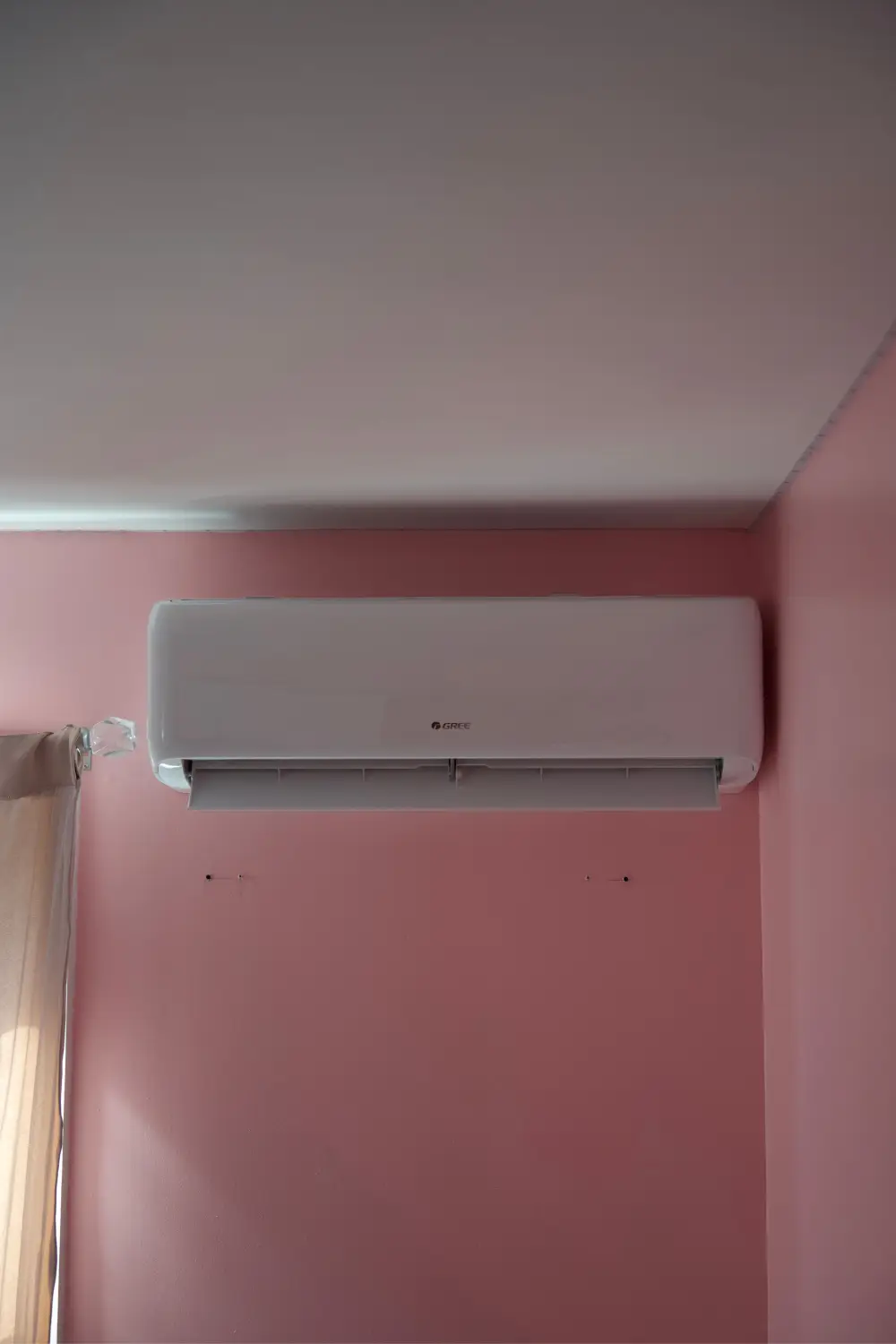
    Gree mini splits are perfect for homeowners looking for cost-effective, energy-efficient heating and cooling solutions. These systems offer zone-specific temperature control, making them ideal for homes without ductwork or for supplementing existing systems.

    Why Gree?

    • High SEER ratings for excellent energy savings
    • Whisper-quiet operation for ultimate comfort
    • Smart technology for remote system control

    Ideal For: Homeowners in New York who need a flexible, energy-efficient mini split system.

    2. Comfortmaker: Reliable Performance at an Affordable Price

    Available in the Carolinas

    Comfortmaker systems provide dependable heating and cooling at a great value. With advanced technology and energy-efficient designs, these systems are an excellent choice for homeowners looking for reliability without breaking the bank.

    Why Comfortmaker?

    • Efficient cooling and heating with high SEER ratings
    • Durable construction for long-lasting performance
    • Smart thermostats for precise temperature control

    Ideal For: Homeowners in the Carolinas looking for a budget-friendly yet powerful HVAC system.

    3. Trane: Built for Extreme Durability

    Available in the Carolinas

    Trane is a household name in the HVAC industry, known for its rugged, long-lasting systems that perform in all weather conditions. If you’re looking for a system that’s built to last, Trane is a trusted choice.

    Why Trane?

    • High-efficiency systems with SEER ratings up to 22
    • ComfortLink™ II technology for precise climate control
    • Built to withstand extreme temperatures and heavy use

    Ideal For: Homeowners in the Carolinas who want a durable, high-performance system that stands the test of time.

    4. Bosch: Advanced Technology for Superior Comfort

    Available in Hawaii

    Bosch HVAC systems bring German engineering excellence to your home, offering top-tier efficiency and cutting-edge features. Whether you’re looking for a high-efficiency heat pump or a smart, eco-friendly system, Bosch delivers.

    Why Bosch?

    • Energy-efficient models with high SEER ratings
    • Quiet operation for a comfortable home environment
    • Smart system integration for effortless temperature control

    Ideal For: Homeowners in Hawaii who want a premium, energy-efficient system that operates seamlessly in warm climates.

    Why Choose Attyx for Your HVAC Installation?

    At Attyx, we take pride in offering top-tier HVAC solutions tailored to your home’s needs. Instead of presenting an overwhelming number of options, we simplify the process by working with trusted brands available in your market, ensuring the best fit for your comfort and budget.

    What Sets Us Apart?
    Expert Recommendations: We’ll assess your home and provide the best HVAC options based on your space and climate.
    Seamless Installation: Our professional technicians handle every detail to ensure proper system setup for peak performance.
    Long-Term Reliability: Enjoy peace of mind with manufacturer-backed warranties and ongoing support.

    Let’s Upgrade Your Home Together

    Choosing a new HVAC system doesn’t have to be complicated. At Attyx, we streamline the process by offering only high-quality brands that meet your home’s specific requirements. Whether you need a mini split, a central air system, or an energy-efficient heat pump, we’re here to help.

    Contact us today for a free consultation and let’s find the perfect HVAC solution for your home’s comfort and efficiency.

  • Top HVAC Brands Recommended by Attyx for Optimal Home Efficiency

    Top HVAC Brands Recommended by Attyx for Optimal Home Efficiency

    Choosing the right HVAC system is about more than just comfort—it’s about investing in energy efficiency, reliability, and long-term savings. At Attyx, we take the guesswork out of the process by providing access to top-quality brands that deliver exceptional performance for your home’s unique needs.

    We understand that every home and market is different, which is why we carefully select brands that align with our high standards and availability in your area. Whether you need a high-efficiency mini split, a robust central air system, or a cutting-edge heat pump, we work with you to find the best solution for your space.

    The Trusted HVAC Brands We Offer

    At Attyx, we partner with industry-leading HVAC brands that provide superior comfort and efficiency. Our selection varies by region to ensure we offer the most effective systems for your climate and home size. Here’s a look at some of the brands we work with across different markets:

    1. Gree: Mini Splits for Energy Efficiency

    Available in New York

    Gree mini splits are perfect for homeowners looking for cost-effective, energy-efficient heating and cooling solutions. These systems offer zone-specific temperature control, making them ideal for homes without ductwork or for supplementing existing systems.

    Why Gree?

    • High SEER ratings for excellent energy savings
    • Whisper-quiet operation for ultimate comfort
    • Smart technology for remote system control

    Ideal For: Homeowners in New York who need a flexible, energy-efficient mini split system.

    2. Comfortmaker: Reliable Performance at an Affordable Price

    Available in the Carolinas

    Comfortmaker systems provide dependable heating and cooling at a great value. With advanced technology and energy-efficient designs, these systems are an excellent choice for homeowners looking for reliability without breaking the bank.

    Why Comfortmaker?

    • Efficient cooling and heating with high SEER ratings
    • Durable construction for long-lasting performance
    • Smart thermostats for precise temperature control

    Ideal For: Homeowners in the Carolinas looking for a budget-friendly yet powerful HVAC system.

    3. Trane: Built for Extreme Durability

    Available in the Carolinas

    Trane is a household name in the HVAC industry, known for its rugged, long-lasting systems that perform in all weather conditions. If you’re looking for a system that’s built to last, Trane is a trusted choice.

    Why Trane?

    • High-efficiency systems with SEER ratings up to 22
    • ComfortLink™ II technology for precise climate control
    • Built to withstand extreme temperatures and heavy use

    Ideal For: Homeowners in the Carolinas who want a durable, high-performance system that stands the test of time.

    4. Bosch: Advanced Technology for Superior Comfort

    Available in Hawaii

    Bosch HVAC systems bring German engineering excellence to your home, offering top-tier efficiency and cutting-edge features. Whether you’re looking for a high-efficiency heat pump or a smart, eco-friendly system, Bosch delivers.

    Why Bosch?

    • Energy-efficient models with high SEER ratings
    • Quiet operation for a comfortable home environment
    • Smart system integration for effortless temperature control

    Ideal For: Homeowners in Hawaii who want a premium, energy-efficient system that operates seamlessly in warm climates.

    Why Choose Attyx for Your HVAC Installation?

    At Attyx, we take pride in offering top-tier HVAC solutions tailored to your home’s needs. Instead of presenting an overwhelming number of options, we simplify the process by working with trusted brands available in your market, ensuring the best fit for your comfort and budget.

    What Sets Us Apart?
    Expert Recommendations: We’ll assess your home and provide the best HVAC options based on your space and climate.
    Seamless Installation: Our professional technicians handle every detail to ensure proper system setup for peak performance.
    Long-Term Reliability: Enjoy peace of mind with manufacturer-backed warranties and ongoing support.

    Let’s Upgrade Your Home Together

    Choosing a new HVAC system doesn’t have to be complicated. At Attyx, we streamline the process by offering only high-quality brands that meet your home’s specific requirements. Whether you need a mini split, a central air system, or an energy-efficient heat pump, we’re here to help.

    Contact us today for a free consultation and let’s find the perfect HVAC solution for your home’s comfort and efficiency.

  • Best Central Air Conditioning: A Comprehensive Guide

    Best Central Air Conditioning: A Comprehensive Guide

    There’s nothing like coming home to a cool, comfortable space on a hot summer day. But finding the best central air conditioning system for your home? That can feel overwhelming. With so many options, features, and technical details, it’s easy to feel lost.

    At Attyx, we understand that homeowners want efficiency, reliability, and value. That’s why we’ve put together this guide to break down everything you need to know about choosing the perfect central air conditioning system.

    What Is Central Air Conditioning and How Does It Work?

    Let’s start with the basics. Central air conditioning is a cooling system that uses ductwork to distribute cool air throughout your home. It typically includes:

    • An Outdoor Unit: This contains the compressor and condenser coil, which work to release heat from your home.
    • An Indoor Unit: The evaporator coil inside your home absorbs heat and moisture from the air, cooling it down.
    • Ductwork and Vents: These deliver cooled air to every room and return warm air to the system for cooling.

    By maintaining consistent temperatures and improving air circulation, central AC systems provide comfort that window units and portable systems simply can’t match.

    Key Features to Look For in Central AC Systems

    Not all central air conditioners are created equal. To find the best one for your home, pay attention to these key features:

    1. Think Energy Efficiency
      When shopping for an AC system, pay attention to its SEER rating (Seasonal Energy Efficiency Ratio). The higher the SEER number, the more energy-efficient the system. While the minimum SEER rating is 14, opting for a system with a rating of 16 or higher can save you a bundle on your energy bills over time.


    1. Look for Variable Speed Technology
      Today’s top AC systems often include variable-speed compressors, which adjust how hard they work based on your home’s cooling needs. This not only makes the system more efficient but also keeps the temperature steady, so you’re not freezing one minute and sweating the next.


    1. Pay Attention to Noise Levels
      No one wants their AC to sound like a jet engine. Look for systems with a low decibel rating—anything under 70 dB is nice and quiet, meaning you can enjoy cool air without the extra noise.


    1. Go for Smart Features
      Many modern systems come equipped with smart technology, like Wi-Fi-enabled thermostats or app controls. These features let you adjust the temperature from your phone, whether you’re on the couch or out running errands. It’s convenience and efficiency rolled into one.


    1. Check Durability and Warranty
      Choose a system from a trusted brand that backs its products with a solid warranty. Most good systems will cover key components, like the compressor, for 5 to 10 years, giving you peace of mind if something goes wrong.

    Picking the Right Size for Your Home

    When it comes to AC, size is everything. A unit that’s too small will struggle to cool your home, while one that’s too big will keep turning on and off, wasting energy and wearing itself out prematurely.

    Here’s what to consider:

    • Square Footage: Bigger homes naturally need more powerful systems.
    • Climate: If you live in a hot, humid area, you’ll need a system with higher cooling capacity.
    • Insulation: Well-insulated homes hold onto cool air better, so your AC won’t have to work as hard.

    Not sure what size you need? An HVAC professional can perform a load calculation to figure out the perfect size for your home, measured in BTUs (British Thermal Units). It’s worth the time to get it right—you’ll save money and avoid future headaches.


    Maintenance Tips for Longevity

    A central air conditioning system is a significant investment, so it’s essential to take care of it. Follow these tips to keep your system running smoothly:

    • Change Filters Regularly: Replace air filters every 1 to 3 months to maintain airflow and efficiency.
    • Schedule Annual Tune-Ups: Professional maintenance can catch small issues before they become costly problems.
    • Clean the Outdoor Unit: Keep the area around the condenser free of debris like leaves and dirt.
    • Inspect Ductwork: Check for leaks or damage that might be reducing efficiency.
    • Monitor Thermostat Settings: Use a programmable thermostat to optimize energy usage when you’re away from home.

    Common Questions About Central Air Conditioning

    We get it—investing in a new AC system can raise a lot of questions. Here’s what homeowners often ask:

    • How much does central air conditioning cost? Costs vary depending on size, brand, and features but generally range from $3,000 to $7,500, including installation.
    • How long do central AC systems last? With proper maintenance, most systems last 10 to 15 years.
    • Can I replace just the outdoor unit? While it’s possible, it’s not recommended unless the indoor unit is relatively new and compatible.

    Choosing the best central air conditioning system doesn’t have to be intimidating. By understanding your home’s needs, exploring top brands, and relying on a trusted HVAC professional for installation, you can enjoy a cool, comfortable home for years to come.

    At Attyx, we believe in providing homeowners with the knowledge they need to make confident decisions. Whether you’re upgrading your old system or installing one for the first time, a little preparation goes a long way in finding the perfect fit.

  • 5 Pros and Cons of Ductless Mini Split Systems

    5 Pros and Cons of Ductless Mini Split Systems

    Ductless mini-split systems have become a go-to choice for many homeowners looking for an energy-efficient and versatile cooling and heating solution. But like any system, they have their advantages and disadvantages.

    At Attyx, we believe in helping homeowners make informed decisions by understanding all sides of the equation. Below, we’ll break down the top 5 pros and cons of ductless mini-split systems so you can weigh the benefits against the potential challenges.

    5 Pros of Ductless Mini-Split Systems

    Let’s start with the good news—ductless mini-splits have some impressive benefits that make them an attractive option for many homes.

    1. Energy Efficiency

    One of the biggest perks of ductless systems is their energy efficiency. Traditional HVAC systems can lose up to 30% of energy through ductwork. Since ductless systems don’t use ducts, they deliver conditioned air directly to your rooms, minimizing energy loss.

    Why It Matters: Lower energy usage translates to lower utility bills, making mini-splits an eco-friendly and cost-effective choice.

    2. Flexibility and Zoning

    Ductless systems let you create customized temperature zones in your home. Each indoor unit operates independently, so you can set different temperatures in different rooms.

    Why It Matters: This is especially useful for families with varying temperature preferences or homes with rooms that are rarely used.

    3. Easy Installation

    Compared to traditional HVAC systems, ductless mini-splits are much easier to install. They don’t require extensive ductwork, which can be time-consuming and expensive to add to older homes or room additions.

    Why It Matters: A simpler installation means less hassle and lower upfront costs for labor.

    4. Quiet Operation

    Mini-splits are known for being whisper-quiet. Unlike traditional systems, where the loud compressor is located outdoors and ductwork can carry noise, mini-split indoor units operate at low decibel levels.

    Why It Matters: If you’re sensitive to noise, ductless systems provide a peaceful cooling and heating experience.

    5. Improved Indoor Air Quality

    With no ducts to collect dust, mold, or allergens, ductless systems can improve your home’s air quality. Many systems also come with multi-stage filtration to reduce pollutants.

    Why It Matters: If anyone in your household has allergies or asthma, a ductless system could help create a healthier environment.

    5 Cons of Ductless Mini-Split Systems

    While ductless systems have many benefits, they’re not without their drawbacks. Here are a few potential downsides to consider:

    1. Higher Upfront Cost

    Ductless mini-splits tend to cost more upfront compared to traditional HVAC systems. The price can really add up if you need multiple units to cover your entire home. While they’re great at saving money on energy bills in the long run, that initial price tag can be a bit intimidating.

    Think About This: The energy savings over time can help balance out the upfront cost, but if you’re on a tight budget, it might be a tough pill to swallow at first.

    2. Aesthetic Concerns

    Let’s be honest—ductless systems aren’t completely invisible. The indoor units are mounted on your walls or ceilings, and while they’re designed to look modern and sleek, some homeowners just prefer the hidden ductwork of a traditional HVAC system.

    Think About This: If you’re someone who prioritizes a seamless, clean look in your home, you’ll want to make sure you’re okay with having visible wall-mounted units before going this route.

    3. Regular Maintenance

    Unlike traditional systems, you won’t have to worry about duct cleaning with a mini-split. But these systems do require regular attention, like cleaning the filters and occasionally servicing the units. Skipping this maintenance can hurt their efficiency and shorten their lifespan.

    Think About This: If you’re not up for a little hands-on upkeep—like regularly cleaning filters—a ductless system might not be the best choice for you. But if you can stick to a simple maintenance routine, you’ll get the most out of it.

    4. Limited Cooling for Large Homes

    Ductless systems are best suited for smaller spaces, individual rooms, or zoned areas. Cooling or heating an entire large home with mini-splits can become expensive since you’ll need multiple units.

    What to Consider: For large homes, a traditional central HVAC system might be more practical and cost-effective.

    5. Professional Installation Required

    While mini-splits are easier to install than ducted systems, they still require professional installation to ensure proper placement, refrigerant charging, and performance.

    What to Consider: DIY isn’t an option here—you’ll need to budget for professional installation costs.

    Is a Ductless Mini-Split System Right for You?

    Ductless mini-split systems are a fantastic option for certain homes, particularly if:

    • You’re adding a new room or renovating a space without existing ductwork.
    • You want to create customized temperature zones in different parts of your home.
    • Energy efficiency and air quality are top priorities for you.

    However, they might not be the best fit if you’re looking for a cost-effective solution for a large home or if you’re concerned about wall-mounted units affecting your décor.

    Ductless mini-split systems offer a unique combination of energy efficiency, flexibility, and modern convenience, but they’re not without their challenges. By weighing the pros and cons, you can decide whether this innovative HVAC solution is the right choice for your home.

    At Attyx, we’re here to help you understand your options and find the system that works best for your needs. Whether you’re considering a ductless system or a traditional HVAC setup, don’t hesitate to reach out for expert advice.

  • How to Reset Your Air Conditioning Unit

    How to Reset Your Air Conditioning Unit

    Every air conditioning system has its quirks, but when your AC suddenly stops cooling or doesn’t respond to your thermostat, a quick reset might be all it needs. While it’s not a magic fix for every problem, resetting your unit can clear minor errors caused by power surges, faulty settings, or an overloaded system.

    At Attyx, we understand how frustrating it is when your home isn’t as cool and comfortable as it should be. The good news? In many cases, you can handle a reset yourself without calling in a professional. Let’s explore some simple steps to get your AC back on track.

    Why You Might Need to Reset Your AC

    Before jumping in, it’s important to know when a reset might be the right solution. A reset could help if:

    • Your air conditioner isn’t cooling, even though it’s on.
    • You recently experienced a power outage or surge.
    • The thermostat is working, but the AC isn’t responding to your settings.
    • The system is cycling on and off unusually or running inconsistently.

    If any of these issues sound familiar, it’s worth trying a reset before calling a technician.

    Steps to Reset Your Air Conditioner

    Here’s what you can do to safely reset your air conditioning unit and get it running again:

    1. Turn Off Your Thermostat

    Start by switching off your thermostat to stop the AC from running during the reset process. Set it to “Off” and wait a couple of minutes.

    This ensures the system powers down properly and avoids any confusion when you restart it.

    2. Cut Power to the Unit

    Next, locate your home’s electrical panel (also called the breaker box) and find the circuit breaker labeled for your air conditioner. Flip the breaker to the “Off” position to completely shut off power to the unit.

    Leave the breaker off for at least one minute to ensure the system fully resets.

    3. Restore Power to the Unit

    After waiting for about a minute, flip the breaker back to the “On” position to restore power to your AC.

    If the breaker trips again immediately, it could signal a larger electrical issue, and you’ll need to call a professional.

    4. Turn Your Thermostat Back On

    Go back to your thermostat and set it to “Cool” mode. Adjust the temperature to your desired setting, making sure it’s lower than the current room temperature. This signals the system to turn back on.

    Give it a few minutes to start up—it may not blow cool air immediately.

    5. Check Your System’s Performance

    Once everything is back on, check the vents in your home to make sure cool air is flowing. If your system is working properly, you’re all set!

    What If It Still Doesn’t Work?

    Sometimes, a reset isn’t enough to fix the problem. If your air conditioner still isn’t cooling or running as expected, here are a few other things to check:

    • Air Filters: A clogged filter can restrict airflow and affect performance. Replace it if it’s dirty or hasn’t been changed recently.
    • Outdoor Unit: Inspect the condenser outside your home for dirt, debris, or obstructions that might be blocking airflow.
    • Thermostat Settings: Double-check that your thermostat is set correctly and has fresh batteries if it’s battery-operated.

    If none of these steps solve the problem, it’s time to call a licensed HVAC technician to diagnose and repair the issue.

    How to Avoid Needing Frequent Resets

    While resetting your AC is a quick fix, you don’t want to rely on it too often. Regular maintenance and a few proactive steps can keep your system running smoothly and reduce the need for resets:

    • Keep the Outdoor Unit Clear: Trim back bushes and remove leaves or debris around your condenser to ensure proper airflow.
    • Schedule Annual Tune-Ups: Professional maintenance can catch issues early and keep your system in top condition.
    • Replace Filters Regularly: Clean filters improve airflow and efficiency. Aim to replace them every 1-3 months.
    • Use a Surge Protector: Power surges can cause your AC to shut down. Installing a surge protector can protect your system from electrical damage.

    While every AC system is unique, resetting your air conditioning unit is often a quick and easy way to resolve minor problems. By following these steps, you can save time and money while keeping your home cool and comfortable.

    At Attyx, we’re here to help homeowners feel confident about maintaining their HVAC systems. If resetting your unit doesn’t solve the issue, don’t hesitate to contact a professional for help.

  • Why Annual Air Conditioner Servicing Matters

    Why Annual Air Conditioner Servicing Matters

    Keep Your Cool with a Simple Annual Check-Up

    Your air conditioner is the hero you rarely think about—until it breaks down. On those scorching summer days, it’s your ticket to comfort, but like any hardworking machine, it needs a little love to perform its best. Annual servicing isn’t just about avoiding surprise breakdowns; it’s about saving money, breathing cleaner air, and extending the life of a system you rely on every day. At Attyx, we believe that taking a proactive approach to maintenance is the key to enjoying a stress-free cooling season.

    The Real Benefits of Annual AC Servicing

    Save Money by Staying Efficient
    Over time, dust and dirt collect in your AC system, making it work harder to cool your home. This doesn’t just crank up your energy bills—it can also wear down the system faster. A yearly tune-up keeps your air conditioner running smoothly, cutting energy waste and keeping more money in your pocket.

    Make Your AC Last Longer
    Replacing an air conditioner is no small expense. Routine maintenance catches small issues before they turn into costly repairs or a complete system failure. By investing a little now, you’re protecting your AC’s lifespan and avoiding those big, unexpected bills later.

    Breathe Healthier Air
    Your air conditioner doesn’t just cool the air; it also filters it. Over time, dirty filters and components can push allergens and dust into your home. Annual servicing ensures everything is clean and running smoothly, so the air you breathe stays fresh and healthy.

    What Happens During a Service Visit?

    When you schedule an annual AC service, a lot more happens than just a quick glance at your unit. Here’s what to expect:

    • Detailed Inspection: A technician will check all the important components—coils, refrigerant levels, and electrical systems—to make sure your AC is in good shape.
    • Thorough Cleaning: Dust and debris are cleared from filters, vents, and coils, improving airflow and efficiency.
    • Performance Testing: Efficiency tests help catch any inefficiencies so your AC cools as it should.
    • Preventative Care: Moving parts are lubricated, connections are tightened, and any potential issues are addressed before they cause a breakdown.

    This isn’t just about avoiding problems—it’s about giving you peace of mind that your AC will keep you cool when it matters most.

    The Risks of Skipping Maintenance

    Skipping that annual check-up might save you a little time now, but it could cost you big in the long run. Here’s what can happen:

    • Higher Energy Bills: Dusty or clogged systems need more energy to do the same job.
    • More Breakdowns: Small, preventable issues often snowball into bigger problems if left unchecked.
    • Uncomfortable Summers: A poorly maintained unit might not keep your home as cool as you need.
    • Unhealthy Air: Dirty filters can spread allergens and mold, which isn’t great for anyone’s health.

    How to Make Maintenance a Habit

    Staying on top of your AC servicing doesn’t have to be hard. Here are a few tips to keep you on track:

    • Set a Reminder: Add your annual service to your calendar so you don’t forget.
    • Consider a Maintenance Plan: Many companies offer plans that include yearly check-ups, so it’s one less thing to worry about.
    • Book Early: Scheduling in spring or fall can help you avoid the rush and get faster service.

    Conclusion: Comfort Starts with Care

    Keeping your air conditioner in top shape doesn’t have to be complicated or time-consuming. With just one service appointment each year, you can enjoy lower bills, cleaner air, and the peace of mind that comes with knowing your system is ready for whatever summer throws at it. At Attyx, we’re here to make sure your AC stays reliable, efficient, and stress-free. Don’t wait for a breakdown to remind you how important it is—schedule your annual air conditioner servicing today and keep your cool all season long.

    At Attyx, we’re committed to keeping your home comfortable and your AC running at its best. Ready to take the next step? Get a free estimate from our team of experts and experience the Attyx difference today.

  • How Often to Replace HVAC Filter: Best Practices for Energy Efficiency

    How Often to Replace HVAC Filter: Best Practices for Energy Efficiency

    The type of HVAC system you use is far from the only factor that influences your HVAC system’s energy efficiency. Regularly replacing your HVAC filter also plays a big role in creating an energy efficient home and a comfortable environment. When your filter is clean, your system can run smoothly, using less energy and saving you money. 

    But how often should you replace your HVAC filter to keep your system functioning in top condition? Generally, you should replace your HVAC filter every 30 to 90 days, but recommended frequency varies based on a variety of factors that we will discuss today.

    What Influences How Often I Should Replace My HVAC Filter?

    Filter Type

    The type of HVAC filter you use can significantly impact how often it needs to be replaced.

    • Fiberglass Filters: These are affordable, but they have lower filtration capabilities. They should be replaced every 30 days.
    • Pleated Filters: The grooves in pleated filters do better at trapping small particles. They should be replaced every 60-90 days.
    • High-Efficiency Filters: High-efficiency filters can last up to 6 months, but check it monthly to make sure it’s still working properly.

    Household & Lifestyle

    There’s all kinds of houses and families. Household factors do impact what the best practices are for your HVAC filter. 

    • Smoking: Households with smokers should replace the filter every 30 days.
    • Pets: You need to replace your filter more often if you have pets, especially if your pet sheds a lot. Pet hair and dander can clog filters.
    • Allergies & Respiratory Issues: If anyone in your family has allergies or respiratory problems, you should replace your filters more often to maintain good indoor air quality and prevent worsening symptoms.

    System Usage

    The more you use your HVAC system, the quicker your filter wears out. If you’re living in an area with extreme weather and heavily relying on your HVAC system, you should plan to replace your filter more frequently to keep your system functioning efficiently. 

    Air Quality

    Poor air quality outdoors can translate into poor air quality indoors, putting a strain on your filter. If you’re living in a city with high air pollution levels, near a forest fire, or by a construction site, you should increase how often you replace your HVAC filter.

    Replacing Your HVAC Filter is Key to Energy Efficiency

    Don’t make the mistake of overlooking replacing your HVAC filter. When your filter is dirty, your system’s energy efficiency suffers. Here is how a clean filter can improve your system’s performance:

    Better Airflow

    Dirty, clogged filters restrict airflow. This forces your HVAC to work harder, increasing the energy required to heat or cool your home. Clean air filters let air flow freely, allowing your system to operate efficiently and consume less energy.

    Avoid Overworking Your HVAC

    When an HVAC filter is dirty, the system has to work overtime to keep your indoor environment at a comfortable temperature. This added strain accelerates wear and tear to your whole HVAC system. With time, this can lead to the need for expensive repairs or early system replacement. Keeping your air filter clean extends the lifespan of your HVAC.

    Reduces Energy Bills

    When the system struggles to push air through a clogged filter, it has to use more energy. More energy used means higher energy bills. Replacing your filter regularly leads to more affordable energy bills.

    Better Indoor Air Quality

    Clean filters can capture more dust, dirt, and other airborne particles, taking them out of the air. This leads to better indoor air quality. 

    Signs That It’s Time to Replace Your HVAC Filter

    In addition to the age of your air filter, here are some other signs that tell you it might be time to replace your filter:

    • Excessive dust in your home
    • Reduced airflow
    • Higher energy bills
    • Increased allergy symptoms

    Attyx’s HVAC Installation Services

    Even when you’re staying on top of important HVAC maintenance like replacing your filter, your HVAC will wear down and need to be replaced eventually. When that time comes, turn to the HVAC installation professionals at Attyx.

  • How Much Does It Cost to Replace an HVAC System? A Breakdown by System Type

    How Much Does It Cost to Replace an HVAC System? A Breakdown by System Type

    Your HVAC system is a significant investment in your home. So it’s no surprise that homeowners often want to know how much it costs to replace an HVAC system before getting started. There’s no quick and easy answer to this question since your region, HVAC system type, and installation difficulty all play a role in the overall cost for replacement. But today, Attyx’s HVAC experts are going to go over some of the factors that influence the cost of HVAC replacement so that you can get a good general idea.

    What Influences HVAC Replacement Costs?

    Here are some of the factors that can influence HVAC replacement cost:

    • System Type: Different HVAC systems come with different price tags.
    • Size: Larger homes with larger HVAC systems cost more.
    • Complexity: More complicated installation processes take longer, increasing the labor cost.
    • Efficiency: Although high-efficiency HVAC systems can save you money in the long run, they often have a higher upfront cost.
    • Local Market: Each region’s local market influences the total cost of replacement. 

    Average Cost of Different Types of HVAC Systems

    Central Air Conditioning System

    Central air conditioning is a common HVAC system for many homeowners. Replacing a central AC system can cost between $3,500 to $7,500, including both the unit and installation fees. Higher-efficiency central air conditioning units cost more, but they often lead to cost savings overtime.

    Ductless Mini-Split System

    Ductless mini-split systems are a great option for homes without existing ductwork. Since each unit can be controlled independently, they provide a lot of flexibility to your home. On average, replacing a ductless mini-split system can cost between $2,000 to $8,000. Ductless systems do cost more than window units, but they come with the advantage of better efficiency and zoned control.

    Heat Pump System

    Heat pumps are another type of HVAC system that provide both heating and cooling. The cost of replacing a heat pump is typically between $4,000 to $8,000. Heat pumps are a good energy-efficient option for people living in moderate climates. They eliminate the need for separate heating and cooling systems.

    Furnace Replacement

    Furnaces can be a great way to heat your home during cold days. Replacing a furnace can cost between $2,500 and $7,500. Fuel type and system size influence the price of replacement.

    Boiler System

    Boilers are a more common HVAC system in older homes. The cost to replace a boiler system ranges from $3,500 to $10,000. Whether your boiler uses electricity, gas, or oil can influence price. If new piping is needed, that will also raise the price of replacement.

    Ask Your HVAC Contractor for an HVAC System Replacement Quote

    Ultimately, the best way to get an accurate idea of how much it costs to replace your HVAC system is to reach out to local HVAC professionals. Any reputable HVAC Contractor will be happy to answer your questions and provide you a price quote. Quotes are great for getting a more specific estimate since they take into account your type of HVAC system, your property, local labor costs, and the type of installation difficulty required. 

    HVAC Replacement with Attyx

    If it’s time to replace your HVAC system, Attyx is here to help. Our HVAC experts will work with you to understand your heating and cooling needs and help you understand your HVAC options. We understand that the cost of HVAC system replacement is on the mind of nearly all homeowners getting ready to replace their system. We provide you with a price quote before beginning so you know what to expect. We also have financing options available. Reach out to get started today.