LGCY Home Services

Category: Featured

  • The True Cost Of Ignoring HVAC Maintenance: A 2025 Breakdown

    The True Cost Of Ignoring HVAC Maintenance: A 2025 Breakdown

    Your HVAC system is like the unsung hero of your home—keeping you warm in the winter, cool in the summer, and comfortable all year round. But to call it as we see it, most of us don’t think about it until something goes wrong. The problem there? Ignoring regular HVAC maintenance can lead to expensive repairs, sky-high energy bills, and even health issues. And in 2025, with energy costs climbing and home efficiency becoming more important than ever, keeping your HVAC system in good shape is no longer optional—it’s a necessity.

    Why Skipping HVAC Maintenance Will Cost You Big Time

    Let’s talk money. HVAC repairs are not cheap, and they are only getting more expensive. According to industry data, repair costs have jumped by 10-15% in the past year alone thanks to inflation, labor shortages, and supply chain issues. Some of the priciest repairs include:

    • Compressor Replacement
    • Refrigerant Leak Repair
    • Blower Motor Repair/Replacement
    • Thermostat Replacement

    These are expenses no homeowner wants to deal with, especially when they can be avoided. Regular maintenance—like changing filters, checking refrigerant levels, and scheduling professional tune-ups—can prevent small issues from turning into costly disasters.

    Higher Energy Bills? Blame Your HVAC System

    If your energy bills have been creeping up, your HVAC system might be the culprit. A neglected system has to work harder to heat and cool your home, using way more energy than necessary. According to the U.S. Department of Energy, a poorly maintained HVAC system can hike up your energy bill by 20-30%.

    A dirty air filter alone can cause a 15% increase in energy use. And if your ductwork has leaks, you could be losing 30% of your heated or cooled air before it even reaches your rooms. That’s like throwing money straight out the window! The solution? Routine maintenance, duct inspections, and keeping filters clean can go a long way in keeping your bills manageable.

    Your HVAC System Won’t Last as Long

    A well-maintained HVAC system can last 15-20 years, but skipping maintenance can shave 5-10 years off its lifespan. That means you could be looking at a total system replacement way sooner than expected—typically coming in at a cost of anywhere between $5,000 to $12,000. 

    Think of it like your car. If you never change the oil, rotate the tires, or check the brakes, your vehicle won’t last as long as it should. The same goes for your HVAC system—regular check-ups keep it running efficiently and extend its life.

    Poor Air Quality = Poor Health

    Your HVAC system isn’t just controlling temperature—it’s also responsible for your indoor air quality. A neglected system can circulate dust, mold, and allergens, which can lead to:

    • Increased allergy symptoms
    • Respiratory issues
    • Worsened asthma
    • The spread of bacteria and mold spores

    Air quality is more important than ever when it comes to overall health. Keeping your HVAC system clean and well-maintained can help reduce indoor pollutants and keep your home’s air fresh and healthy. Bonus tip: Investing in HEPA filters and scheduling professional duct cleaning can take your air quality to the next level.

    Breakdowns Always Happen at the Worst Time

    Murphy’s Law says that if something can go wrong, it will—and HVAC breakdowns are no exception. They always seem to happen during the hottest day of summer or the coldest night of winter. And guess what? That’s when HVAC companies are slammed with emergency calls, meaning you might have to wait longer (and pay extra) for a fix.

    Regular maintenance helps you avoid these last-minute breakdowns and the headache of finding a technician during peak season. The best time to schedule an HVAC check-up? Before you actually need it.

    DIY vs. Professional Maintenance: What You Can and Can’t Do

    There are some HVAC maintenance tasks you can handle yourself, like:

    • Changing air filters every 1-3 months
    • Keeping vents and registers free of dust
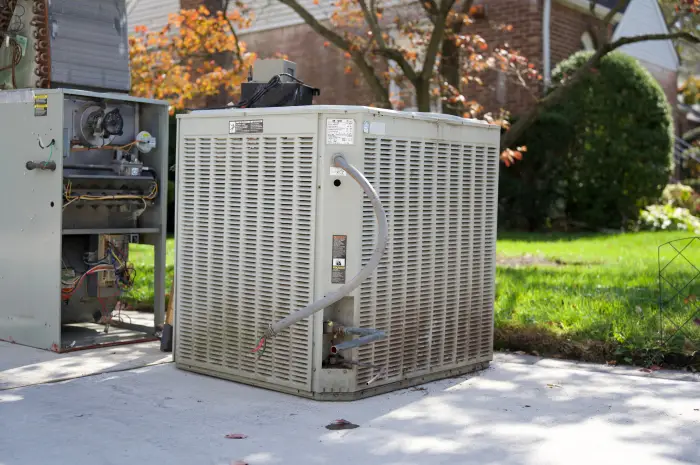
    • Making sure your outdoor unit is clear of debris

    But for more complex issues, like checking refrigerant levels, inspecting electrical components, or cleaning coils, it’s best to call in the pros. Professional maintenance services typically include:

    • Full system inspections
    • Cleaning of coils and components
    • Testing refrigerant levels
    • Checking airflow and ductwork
    • Inspecting electrical parts for safety

    Many HVAC companies offer maintenance plans, which provide regular tune-ups at a discounted rate, plus priority service when you need repairs.

    The Bottom Line: Preventative Maintenance Saves You Money

    Ignoring your HVAC system doesn’t just cost you in repair bills—it leads to higher energy costs, a shorter lifespan for your unit, and potential health risks. The good news? Routine maintenance can help you avoid all of these problems while keeping your home comfortable year-round.

    If you haven’t scheduled an HVAC inspection yet this year, now’s the time. And while you’re at it, consider upgrading to a smart thermostat or a more energy-efficient system to maximize your savings.

    Don’t Wait Until It’s Too Late

    Nobody likes unexpected expenses, and HVAC problems can be some of the worst. The best way to avoid them? Be proactive. Schedule a professional HVAC maintenance service with Attyx today, and protect your home, your health, and your wallet in 2025.

    Taking care of your HVAC system now means fewer surprises, lower bills, and a more comfortable home all year long. Sounds like a win-win!
  • Solar vs. HVAC vs. Roofing: Which Upgrade Should You Start With?

    Solar vs. HVAC vs. Roofing: Which Upgrade Should You Start With?

    Upgrading your home’s roofing, HVAC system, or solar panels can significantly improve energy efficiency, lower utility bills, and increase property value. However, knowing which upgrade to prioritize can be challenging. Understanding how each system contributes to energy conservation—and how they work together—can help you make an informed decision.

    Why Upgrade Your Roof, HVAC, or Solar System?

    • Energy Efficiency: Each system plays a crucial role in reducing energy consumption.
    • Cost Savings: Investing in the right upgrade can lower utility bills and long-term maintenance costs.
    • Home Value: A well-maintained and energy-efficient home is more attractive to potential buyers.
    • Sustainability: Upgrading to eco-friendly systems can reduce your carbon footprint and contribute to a greener environment.

    The Role of Roofing in Energy Efficiency

    A new roof installation does more than protect your home—it directly impacts your heating and cooling efficiency. Here’s how:

    • Improved Insulation: Modern roofing materials, such as reflective shingles and cool roofs, help regulate indoor temperatures.
    • Better Ventilation: A properly ventilated attic reduces heat buildup, lowering strain on your HVAC system.
    • Support for Solar Panels: A strong, durable roof is essential for supporting a new solar system, ensuring long-term stability and performance.
    • Weather Resistance: Newer roofing materials offer enhanced durability against harsh weather conditions, further improving efficiency and longevity.

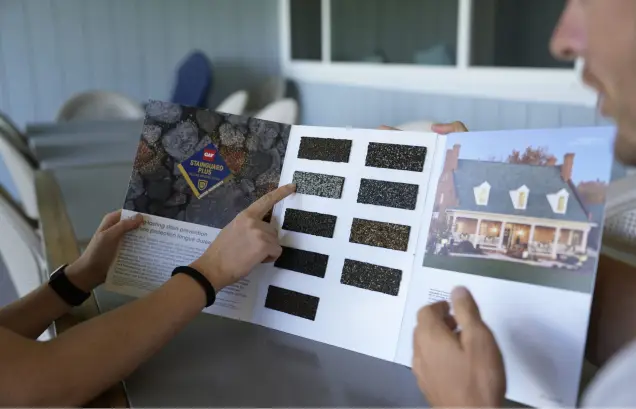
    Choosing the Right Roofing Material

    If you’re replacing your roof, there are some important energy-efficient options you should be aware of:

    • Cool Roofs: Designed to reflect more sunlight and absorb less heat, reducing cooling costs.
    • Metal Roofing: Durable, recyclable, and energy-efficient with reflective coatings.
    • Solar Shingles: Combine the benefits of a roof and a new solar system in one.

    How an HVAC System Upgrade Boosts Efficiency

    Your HVAC system upgrade is a key component in home energy efficiency. It impacts the following: 

    • Lower Energy Use: Newer HVAC systems use advanced technology to optimize performance and reduce waste.
    • Better Air Quality: Improved air circulation and filtration enhance indoor air quality.
    • Enhanced Comfort: A properly functioning HVAC system maintains consistent indoor temperatures, reducing hot and cold spots.
    • Smart Controls: Modern HVAC systems come with smart thermostats that allow for precise temperature control and scheduling.
    • Eco-Friendly Options: Energy-efficient heat pumps and geothermal systems offer greener alternatives to traditional HVAC units.

    If your HVAC system is over 10–15 years old or is struggling to maintain efficiency, upgrading could be a beneficial option for your home. 

    The Benefits of a New Solar System

    A new solar system helps homeowners reduce dependence on traditional energy sources while also lowering electricity bills. Some benefits include:

    • Long-Term Savings: Solar panels provide substantial energy savings over time.
    • Eco-Friendly Energy: Solar power reduces reliance on fossil fuels, lowering your carbon footprint.
    • Incentives and Rebates: Many states offer tax credits and incentives for homeowners investing in solar energy.
    • Energy Independence: Generating your own power can reduce reliance on the grid and protect against rising energy costs.
    • Battery Storage: Pairing solar with battery storage allows homeowners to store excess energy for use during peak hours or power outages.

    Why Roofing Should Come First

    If you’re considering multiple upgrades, starting with a new roof installation is often the best strategy. Here’s why:

    1. Structural Integrity: Solar panels last 25–30 years, so your roof must be strong enough to support them for that duration.
    2. Energy Efficiency Optimization: A new roof with reflective materials reduces heat absorption, improving HVAC and solar efficiency.
    3. Bundling Cost Savings: Some contractors offer discounts when installing a new roof and solar system together, reducing labor costs.
    4. Longevity Considerations: If your roof is nearing the end of its lifespan, installing solar panels beforehand may require premature removal and reinstallation.

    When to Prioritize an HVAC System Upgrade

    In some cases, upgrading your HVAC system first makes the most sense. For instance:

    • If your current system is outdated and causing high energy bills.
    • If your home has inconsistent indoor temperatures.
    • If you’re not ready for a new roof installation or solar system but still want energy savings.
    • If your HVAC system frequently requires repairs or struggles to maintain comfort levels.
    • If your home has poor indoor air quality due to an aging ventilation system.

    Bundling Upgrades for Maximum Savings

    Combining a new roof installation, new solar system, and HVAC system upgrade can offer several benefits, some of the most influential being: 

    • Lower Installation Costs: Reducing labor and project timelines saves money.
    • Simplified Permitting: Completing all upgrades together streamlines the approval process.
    • Optimized Energy Performance: These systems work best when upgraded in tandem.
    • Higher Property Value: Homes with updated roofing, solar, and HVAC systems are more appealing to buyers and command higher resale values.
    • Enhanced Financing Options: Some programs offer better financing terms when bundling energy-efficient home upgrades.

    Additional Factors to Consider

    Before deciding which upgrade to tackle first, consider the following:

    • Local Climate: Homes in hotter climates benefit from cool roofs and solar panels, while colder regions may prioritize HVAC efficiency.
    • Budget & Financing: Evaluate available rebates, tax credits, and financing programs to make upgrades more affordable.
    • Long-Term Goals: If you plan to stay in your home for decades, investing in high-efficiency systems now can yield greater returns over time.
    • Professional Assessments: Consulting with roofing, HVAC, and solar professionals can provide valuable insight into the best strategy for your specific home.

    Final Thoughts: Where to Start

    Your upgrade path depends on your home’s current condition, budget, and energy goals. Here are some considerations to keep in mind: 

    • If your roof is aging, prioritize a new roof installation before adding solar panels.
    • If your HVAC system is outdated, an HVAC system upgrade provides immediate energy savings.
    • If you want long-term energy efficiency, investing in a new solar system is an excellent option.
    • If possible, bundling upgrades can maximize cost savings and energy efficiency.

    By carefully planning your upgrades, you can create a more energy-efficient and comfortable home while maximizing cost savings.

    Need professional guidance on where to start? Contact Attyx today to assess your home’s needs and develop the best upgrade strategy.

  • Preparing Your Roof For Hurricane Season In North Carolina

    Preparing Your Roof For Hurricane Season In North Carolina

    Hurricane season in North Carolina kicks off in June and can last all the way through November. That’s months of potentially strong winds, heavy rain, and the risk of serious damage to your home. While you can’t control the weather, you can take steps to protect your property—starting with your roof. The right hurricane roof preparation can mean the difference between minor fixes and costly, extensive repairs.

    Not sure where to start when it comes to preparing your roof for hurricanes? No worries—we are breaking it down step by step so you can get your roof hurricane-ready before the next big storm rolls in.

    Why Preparing Your Roof for Hurricanes is So Important

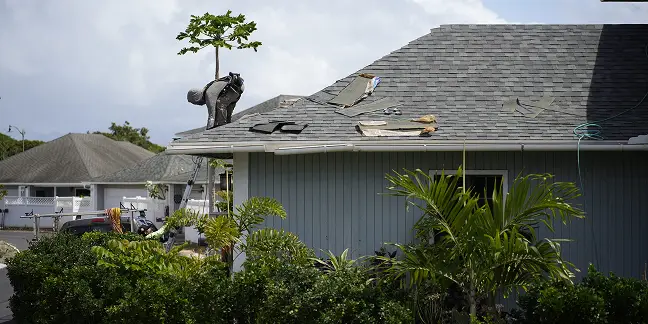
    Your roof is your home’s first line of defense during a hurricane. It takes the brunt of the wind, rain, and flying debris, so if it’s already in rough shape, a storm can turn minor issues into major problems. Loose shingles can fly off, flashing can tear away, and water can seep into weak spots, leading to leaks, structural damage, or even total roof failure.

    The good news? Taking the time to check and strengthen your roof before hurricane season gets serious can save you from expensive repairs and unnecessary stress. Here’s where to begin:

    Step 1: Get a Professional Roof Inspection

    One of the smartest things you can do before hurricane season is to schedule a professional roof inspection. A roofing expert will spot potential problem areas, including:

    • Loose or missing shingles
    • Worn-out or damaged flashing
    • Weak or deteriorated sealants
    • Structural weaknesses in the roof decking

    Catching these issues early means you can fix them before a storm turns them into a costly headache.

    Step 2: Secure Loose Shingles and Roofing Materials

    Loose or damaged shingles are like an open invitation for hurricane winds to damage your home. If an inspection shows any compromised shingles, don’t wait—get them repaired or replaced right away. Reinforcing your shingles with hurricane-rated roofing nails and adhesives can also help them withstand high winds.

    If your roof is getting up there in age and the shingles are curling or lifting, it might be time for a complete roof replacement with impact-resistant materials built to handle severe storms.

    Step 3: Reinforce Roof Flashing and Sealants

    Flashing—the metal strips around chimneys, vents, and skylights—helps keep water out of your home. But if it’s loose or corroded, it can fail when heavy rains hit. To make sure your roof stays watertight, check the flashing for gaps and weak spots. Adding fresh sealant to these areas can make a big difference in preventing leaks during a storm.

    Step 4: Trim Trees and Clear Out Debris

    Overhanging branches are a major hazard during hurricanes. Strong winds can snap limbs, sending them straight onto your roof. To reduce the risk of damage from tree branches:

    • Trim back any tree limbs that hang over or near your roof.
    • Remove dead or weak trees that could come down in a storm.
    • Clear leaves, twigs, and other debris from your gutters and roof to prevent blockages and water buildup.

    Step 5: Clean and Secure Your Gutters

    Your gutters play a huge role in directing water away from your roof and home. If they are clogged or loose, they won’t do their job properly, which can lead to roof leaks and even foundation water damage. Before hurricane season, make sure your gutters and downspouts are:

    • Free of debris and blockages
    • Securely attached to your home
    • Channeling water away from your foundation

    Installing gutter guards can also help prevent clogs and make maintenance easier throughout the season.

    Step 6: Consider Installing Hurricane Straps or Clips

    Hurricane straps or clips are metal fasteners that reinforce the connection between your roof and the rest of your home. These add-ons help prevent high winds from lifting your roof off of your home. If you are building a new home or replacing your current roof, installing these reinforcements is a smart investment for long-term protection.

    Step 7: Have a Plan for Emergency Repairs

    Even with the best hurricane roof preparation, severe storms can still cause damage. Having an emergency plan in place can help you act quickly to minimize further problems. Your plan should include:

    • A trusted roofing contractor you can call for immediate repairs
    • A supply of tarps and waterproof materials to cover damaged areas temporarily
    • An understanding of what your homeowner’s insurance covers for hurricane damage

    Work with a Pro to Get Your Roof Hurricane-Ready

    Preparing your roof for hurricane season isn’t just about reacting when a storm is on the way—it’s about making sure your home is protected before disaster strikes. At Attyx, we specialize in helping North Carolina homeowners reinforce their roofs and keep them in top shape year-round. Whether you need an inspection, repairs, or a full roof upgrade, we’ve got you covered.

    Don’t wait until the last minute—schedule your roof inspection with Attyx today and take the first step toward a safer, stronger home this hurricane season. 

  • 10 Simple Home Upgrades to Cut Energy Bills in 2025

    10 Simple Home Upgrades to Cut Energy Bills in 2025

    With energy costs on the rise, making your home more energy-efficient is one of the smartest ways to save money in 2025. Whether it’s installing solar panels, upgrading your HVAC system, or making small changes to your daily habits, these upgrades can significantly reduce your utility bills. Attyx specializes in helping homeowners implement these solutions, ensuring long-term savings and efficiency. Here are ten simple home upgrades that will make a big difference.

    1. Get Solar Panels

    One of the best ways to cut energy bills is by investing in solar panel upgrades. Solar energy provides a sustainable power source that reduces reliance on the grid. Over time, homeowners see a drastic drop in their electricity bills, with some eliminating them entirely. With Attyx, you get top-tier solar solutions that maximize efficiency and savings.

    2. Choose the Right HVAC System

    Heating and cooling account for a significant portion of home energy use. If your HVAC system is outdated, it could be costing you more than necessary. An HVAC system upgrade to a high-efficiency model can reduce energy consumption and keep your home comfortable year-round. Attyx can help you select the best energy-efficient HVAC system for your home.

    3. Update Old Appliances

    Older appliances often consume more energy than necessary. Upgrading to ENERGY STAR-rated refrigerators, dishwashers, and washing machines can cut energy use by up to 50%. Investing in energy-efficient appliances pays off through lower electricity and water bills.

    4. Pay Attention to the Thermostat

    Smart thermostats help optimize heating and cooling, ensuring your system only runs when needed. Programming your thermostat to adjust temperatures while you’re asleep or away can lead to significant savings. Some smart models even learn your habits to make automatic energy-efficient adjustments.

    5. Do Roof Maintenance

    A well-maintained roof plays a key role in energy efficiency. Leaks and poor insulation can cause heating and cooling loss, forcing your HVAC system to work harder. Regular roof inspections and proper insulation upgrades help maintain temperature stability and reduce energy waste.

    6. Upgrade Windows and Doors

    Old, drafty windows and doors let heat escape in winter and allow unwanted warmth in during summer. Installing energy-efficient windows and sealing gaps with weather stripping or caulking can help regulate indoor temperatures and lower heating and cooling costs.

    7. Improve Home Insulation

    Proper insulation is essential for maintaining energy efficiency. Adding insulation to attics, walls, and basements helps keep heat inside during winter and outside during summer. This reduces the need for excessive heating and cooling, leading to lower energy bills.

    8. Use LED Lighting

    Switching to LED bulbs is one of the easiest and most cost-effective ways to improve energy efficiency. LED bulbs last longer and use up to 75% less energy than traditional incandescent bulbs. Replacing all lights in your home can lead to noticeable savings on electricity bills.

    9. Reduce Phantom Energy Use

    Many devices continue to use electricity even when turned off. Unplugging electronics when not in use or using smart power strips can help eliminate phantom energy waste, cutting unnecessary energy costs.

    10. Consult a Professional

    The best way to maximize home energy efficiency is by consulting experts like Attyx. A professional energy audit can identify problem areas and provide tailored solutions. Whether it’s solar panel upgrades, an HVAC system upgrade, or insulation improvements, Attyx can help you implement the best energy-saving strategies.

    Final Thoughts

    Making these simple home upgrades in 2025 will not only help you cut energy bills but also contribute to a more sustainable future. Whether you invest in solar energy, improve insulation, or upgrade your HVAC system, these changes will pay off in the long run. Ready to boost your home’s energy efficiency? Contact Attyx today to explore your best energy-saving options!

  • Solar vs. HVAC vs. Roofing: Which Upgrade Should You Start With?

    Solar vs. HVAC vs. Roofing: Which Upgrade Should You Start With?

    Upgrading your home’s roofing, HVAC system, or solar panels can significantly improve energy efficiency, lower utility bills, and increase property value. However, knowing which upgrade to prioritize can be challenging. Understanding how each system contributes to energy conservation—and how they work together—can help you make an informed decision.

    Why Upgrade Your Roof, HVAC, or Solar System?

    • Energy Efficiency: Each system plays a crucial role in reducing energy consumption.
    • Cost Savings: Investing in the right upgrade can lower utility bills and long-term maintenance costs.
    • Home Value: A well-maintained and energy-efficient home is more attractive to potential buyers.
    • Sustainability: Upgrading to eco-friendly systems can reduce your carbon footprint and contribute to a greener environment.

    The Role of Roofing in Energy Efficiency

    A new roof installation does more than protect your home—it directly impacts your heating and cooling efficiency. Here’s how:

    • Improved Insulation: Modern roofing materials, such as reflective shingles and cool roofs, help regulate indoor temperatures.
    • Better Ventilation: A properly ventilated attic reduces heat buildup, lowering strain on your HVAC system.
    • Support for Solar Panels: A strong, durable roof is essential for supporting a new solar system, ensuring long-term stability and performance.
    • Weather Resistance: Newer roofing materials offer enhanced durability against harsh weather conditions, further improving efficiency and longevity.

    Choosing the Right Roofing Material

    If you’re replacing your roof, there are some important energy-efficient options you should be aware of:

    • Cool Roofs: Designed to reflect more sunlight and absorb less heat, reducing cooling costs.
    • Metal Roofing: Durable, recyclable, and energy-efficient with reflective coatings.
    • Solar Shingles: Combine the benefits of a roof and a new solar system in one.

    How an HVAC System Upgrade Boosts Efficiency

    Your HVAC system upgrade is a key component in home energy efficiency. It impacts the following: 

    • Lower Energy Use: Newer HVAC systems use advanced technology to optimize performance and reduce waste.
    • Better Air Quality: Improved air circulation and filtration enhance indoor air quality.
    • Enhanced Comfort: A properly functioning HVAC system maintains consistent indoor temperatures, reducing hot and cold spots.
    • Smart Controls: Modern HVAC systems come with smart thermostats that allow for precise temperature control and scheduling.
    • Eco-Friendly Options: Energy-efficient heat pumps and geothermal systems offer greener alternatives to traditional HVAC units.

    If your HVAC system is over 10–15 years old or is struggling to maintain efficiency, upgrading could be a beneficial option for your home. 

    The Benefits of a New Solar System

    A new solar system helps homeowners reduce dependence on traditional energy sources while also lowering electricity bills. Some benefits include:

    • Long-Term Savings: Solar panels provide substantial energy savings over time.
    • Eco-Friendly Energy: Solar power reduces reliance on fossil fuels, lowering your carbon footprint.
    • Incentives and Rebates: Many states offer tax credits and incentives for homeowners investing in solar energy.
    • Energy Independence: Generating your own power can reduce reliance on the grid and protect against rising energy costs.
    • Battery Storage: Pairing solar with battery storage allows homeowners to store excess energy for use during peak hours or power outages.

    Why Roofing Should Come First

    If you’re considering multiple upgrades, starting with a new roof installation is often the best strategy. Here’s why:

    1. Structural Integrity: Solar panels last 25–30 years, so your roof must be strong enough to support them for that duration.
    2. Energy Efficiency Optimization: A new roof with reflective materials reduces heat absorption, improving HVAC and solar efficiency.
    3. Bundling Cost Savings: Some contractors offer discounts when installing a new roof and solar system together, reducing labor costs.
    4. Longevity Considerations: If your roof is nearing the end of its lifespan, installing solar panels beforehand may require premature removal and reinstallation.

    When to Prioritize an HVAC System Upgrade

    In some cases, upgrading your HVAC system first makes the most sense. For instance:

    • If your current system is outdated and causing high energy bills.
    • If your home has inconsistent indoor temperatures.
    • If you’re not ready for a new roof installation or solar system but still want energy savings.
    • If your HVAC system frequently requires repairs or struggles to maintain comfort levels.
    • If your home has poor indoor air quality due to an aging ventilation system.

    Bundling Upgrades for Maximum Savings

    Combining a new roof installation, new solar system, and HVAC system upgrade can offer several benefits, some of the most influential being: 

    • Lower Installation Costs: Reducing labor and project timelines saves money.
    • Simplified Permitting: Completing all upgrades together streamlines the approval process.
    • Optimized Energy Performance: These systems work best when upgraded in tandem.
    • Higher Property Value: Homes with updated roofing, solar, and HVAC systems are more appealing to buyers and command higher resale values.
    • Enhanced Financing Options: Some programs offer better financing terms when bundling energy-efficient home upgrades.

    Additional Factors to Consider

    Before deciding which upgrade to tackle first, consider the following:

    • Local Climate: Homes in hotter climates benefit from cool roofs and solar panels, while colder regions may prioritize HVAC efficiency.
    • Budget & Financing: Evaluate available rebates, tax credits, and financing programs to make upgrades more affordable.
    • Long-Term Goals: If you plan to stay in your home for decades, investing in high-efficiency systems now can yield greater returns over time.
    • Professional Assessments: Consulting with roofing, HVAC, and solar professionals can provide valuable insight into the best strategy for your specific home.

    Final Thoughts: Where to Start

    Your upgrade path depends on your home’s current condition, budget, and energy goals. Here are some considerations to keep in mind: 

    • If your roof is aging, prioritize a new roof installation before adding solar panels.
    • If your HVAC system is outdated, an HVAC system upgrade provides immediate energy savings.
    • If you want long-term energy efficiency, investing in a new solar system is an excellent option.
    • If possible, bundling upgrades can maximize cost savings and energy efficiency.

    By carefully planning your upgrades, you can create a more energy-efficient and comfortable home while maximizing cost savings.

    Need professional guidance on where to start? Contact Attyx today to assess your home’s needs and develop the best upgrade strategy.

  • A Good Time To Upgrade Your Home: When You Should, Why You Should, How Attyx Helps

    A Good Time To Upgrade Your Home: When You Should, Why You Should, How Attyx Helps


    Your home is one of your most valuable investments, and keeping it in top shape means knowing when to upgrade critical systems like your HVAC, roofing, and solar energy setup. But when is the right time to make these improvements? And better yet, why should you bundle these upgrades together?

    If you are thinking about making home improvements, Attyx has the solutions to make the process easy, efficient, and cost-effective. Let’s explore when you should consider upgrading, why it’s important, and how Attyx solar, Attyx HVAC, and Attyx roofing can help you maximize your home’s performance.

    When Should You Upgrade Your Home’s HVAC, Roof, or Solar?

    1. Your Energy Bills Are Climbing

    If you have noticed a steady increase in your energy bills, your HVAC system or roofing may not be as efficient as it once was. Older systems and poor insulation force your HVAC unit to work harder, driving up costs. Upgrading to a high-efficiency HVAC system, investing in Attyx roofing, or switching to Attyx solar can significantly cut your monthly energy expenses.

    1. Your Roof Is Over 15-20 Years Old

    Roofs don’t last forever. If yours is nearing the 15-to-20-year mark, it’s time to have it inspected for signs of wear and tear. Missing shingles, leaks, or damage from storms are all indicators that your roof may need a replacement. Addressing these issues early with Attyx roofing prevents costly damage to your home’s structure and insulation.

    1. Your HVAC System Is No Longer Keeping Up

    An outdated HVAC system struggles to maintain a comfortable indoor temperature. If your system is constantly running, making odd noises, or failing to heat and cool your home efficiently, it’s time for an upgrade. Modern Attyx HVAC systems are designed for maximum comfort and energy savings.

    1. You Are Interested in Renewable Energy

    If you are ready to reduce your reliance on traditional power sources and lower your electricity bills, Attyx solar is a smart investment. With the latest advancements in solar technology, you can generate clean energy and store it for later use, making your home more energy-independent.

    1. You Are Planning to Sell Your Home

    Upgrading your HVAC, roofing, or solar system before selling can significantly boost your home’s value. Buyers love energy-efficient homes with modern upgrades, and investing in these systems can help you sell faster and for a higher price.

    Why Should You Bundle These Upgrades Together?

    While upgrading any one of these systems will benefit your home, bundling Attyx roofing, Attyx HVAC, and Attyx solar together provides even greater advantages:

    1. Increased Energy Efficiency

    Your roof, HVAC, and solar system work together to keep your home comfortable and energy-efficient. A well-insulated roof reduces strain on your HVAC system, while solar panels further reduce reliance on the grid. Upgrading all three ensures your home operates at peak efficiency.

    1. Long-Term Cost Savings

    Bundling upgrades allows you to save money on labor and installation costs. Instead of scheduling multiple projects with different contractors, Attyx handles everything, streamlining the process and reducing overall expenses.

    1. Maximized Home Value

    A home with a new, energy-efficient HVAC system, durable roofing, and solar energy is more attractive to buyers and appraisers. These upgrades increase your home’s marketability and overall resale value.

    1. Simplified Financing and Incentives

    Upgrading multiple systems at once makes it easier to qualify for financing and rebates. Many state and federal programs offer incentives for energy-efficient home improvements, and bundling these projects allows you to take full advantage of available savings.

    1. One Contractor, One Trusted Source

    Coordinating multiple home improvement projects can be a headache—unless you work with a single, trusted provider. Attyx specializes in roofing, HVAC, and solar, ensuring seamless installation and superior service for all your home upgrades.

    How Attyx Helps You Upgrade with Confidence

    At Attyx, on top of installing roofing, HVAC, and solar systems, we also provide complete home energy solutions tailored to your needs. Here’s why homeowners trust us:

    • Expert Installations – Our certified professionals ensure every project is completed with precision and high-quality materials.
    • Energy-Saving Solutions – We design systems that work together to reduce energy costs and increase efficiency.
    • Flexible Financing Options – We help homeowners access financing, rebates, and incentives to make upgrades affordable.
    • Comprehensive Warranties – Our products and services come with industry-leading warranties for peace of mind.
    • Local, Reliable Service – As a trusted provider in the community, we stand by our work and are here when you need us.

    Ready to Upgrade? Right Now is a Good Time to Start!

    Now is the perfect time to make home improvements that increase comfort, efficiency, and long-term savings. Whether you need a new Attyx HVAC system, a durable Attyx roofing solution, or want to harness the power of Attyx solar, we’ve got you covered.

    Better yet—bundle these upgrades together and maximize your home’s potential!

    Contact us today for a free consultation and take the first step toward a smarter, more efficient home.

  • How Attyx Stands Out Among Home Improvement Companies

    How Attyx Stands Out Among Home Improvement Companies

    When it comes to home upgrades, choosing the right company makes all the difference. A home is one of the biggest investments a person can make, and ensuring it remains in top condition requires expert care, high-quality materials, and efficient service. That’s where Attyx excels- delivering exceptional home services tailored to homeowners’ needs. With a reputation for efficiency, quality, and customer satisfaction, they provide top-tier services, whether for roofing, solar installations, HVAC solutions, or general home improvements.

    Unmatched Speed and Efficiency

    One of the standout qualities of Attyx is the speed at which projects are completed. While some companies take weeks or even months, their streamlined process allows for rapid yet precise installations. Homeowners don’t have to endure long waiting times or drawn-out projects. Instead, they can expect timely installations without sacrificing quality. Whether it’s a new roof to protect the home, an energy-efficient HVAC system for year-round comfort, or a solar panel setup designed for maximum energy savings, every project is handled with speed and precision.

    Comprehensive Home Services

    From roofing to HVAC and solar, homeowners benefit from a one-stop solution for their needs. Services include:

    • Attyx Roofing: Durable materials and expert installation ensure a long-lasting, protective roof that enhances both function and curb appeal.
    • Attyx Solar: High-quality solar panels designed to maximize efficiency, lower energy costs, and provide long-term savings.
    • Attyx HVAC: Reliable heating and cooling solutions that enhance indoor comfort while improving energy efficiency.
    • General Home Improvements: A range of enhancements, from insulation to energy-efficient upgrades, designed to increase property value and optimize performance.

    Quality Craftsmanship and Materials

    Every project is completed with superior craftsmanship and top-grade materials. Homeowners can trust that their investment will stand the test of time. Whether it’s a new roof built to withstand harsh weather, a solar panel system designed to maximize energy efficiency, or an HVAC installation that ensures consistent climate control, quality is always the priority.

    Customer-Focused Approach

    Exceptional service goes beyond installation. From the moment a homeowner reaches out for a consultation to the final inspection, the team prioritizes clear communication, transparency, and customer satisfaction. Personalized consultations ensure that each homeowner gets solutions tailored to their specific needs, preferences, and budget. There are no hidden fees or surprises—just honest, expert service from professionals who care.

    Bundling for Maximum Savings

    For those looking to make multiple improvements at once, bundling services, such as combining a new roof with solar installation, can lead to substantial savings. This approach not only reduces labor costs but also ensures seamless integration of home upgrades for long-term benefits. By tackling multiple projects simultaneously, homeowners save time, money, and hassle while increasing the overall efficiency and value of their home.

    A Reliable Choice for Home Upgrades

    With a focus on efficiency, quality, and customer satisfaction, this home improvement provider sets itself apart from the competition. Whether upgrading a roof, switching to solar, or enhancing HVAC systems, homeowners can count on expert service tailored to their needs. The commitment to craftsmanship, speed, and long-term results makes them a trusted choice for home improvement projects of any scale.

    Ready to make a lasting investment in your home? Contact Attyx today to learn more about available services and customized solutions.

  • Attyx vs. Other Home Improvement Companies: What Sets Us Apart

    Attyx vs. Other Home Improvement Companies: What Sets Us Apart

    A Smarter Choice for Home Energy Efficiency and Comfort

    Choosing the right company for solar, HVAC, and home efficiency upgrades is an important decision. Home improvement projects are an investment, and the quality of service, expertise, and long-term value all play a role in ensuring you get the best return. Many companies offer solar panel installations, HVAC services, and energy efficiency upgrades, but not all provide the same level of expertise, transparency, and customer care.

    Attyx takes a comprehensive, customer-first approach to home improvements, offering expert guidance, quality installations, and long-term energy savings. Here’s how Attyx compares to other companies in the industry.

    Expertise and Specialization

    Many home improvement companies focus on a single service, such as solar installation or HVAC upgrades, often requiring homeowners to work with multiple providers for different energy-saving solutions. Attyx offers an integrated approach, specializing in solar, HVAC, and home energy efficiency.

    This means homeowners can bundle services for greater savings, a streamlined installation process, and improved home performance. Rather than piecing together solutions from different providers, Attyx ensures that all systems work together for maximum energy efficiency.

    Quality Workmanship and Industry Experience

    Some home improvement companies rely on subcontractors to handle installations, which can lead to inconsistencies in quality, delays, and miscommunication. Attyx prioritizes in-house expertise and certified technicians, ensuring:

    • Proper installation techniques that maximize energy efficiency
    • Compliance with local building codes and industry standards
    • Work backed by warranties and quality assurance

    Attyx professionals are trained in the latest technologies, from high-efficiency heat pumps to advanced solar energy systems. This level of technical expertise ensures that every system performs optimally for years to come.

    Customer-Centric Approach

    Many homeowners experience frustration with home improvement companies that prioritize sales over service. Common complaints include high-pressure sales tactics, vague pricing, and lack of follow-up after installation. Attyx takes a different approach, focusing on education, transparency, and long-term customer relationships.

    • No high-pressure sales tactics – Homeowners receive detailed information and options to make informed decisions.
    • Clear, upfront pricing – No hidden fees or surprise costs after installation.
    • Post-installation support – Ongoing maintenance and service options ensure long-term performance.

    Customers should feel empowered, not pressured, when making decisions about their home’s energy future.

    Energy Savings and Smart Home Integration

    While many companies install solar panels or HVAC systems, they often overlook how different energy systems work together. Attyx focuses on holistic solutions that integrate:

    • Solar energy systems with smart battery storage
    • High-efficiency HVAC systems for better heating and cooling performance
    • Energy audits and insulation upgrades to lower overall energy consumption

    Rather than just installing new equipment, Attyx ensures that every home upgrade works together for maximum efficiency and cost savings.

    Flexible Financing and Incentive Assistance

    One of the biggest concerns for homeowners investing in solar or HVAC upgrades is cost. Some companies offer financing but may have higher interest rates or hidden fees. Attyx provides flexible financing options tailored to each homeowner’s needs, helping make energy-efficient upgrades more accessible.

    Additionally, many companies do not assist customers in applying for federal, state, and local incentives. Attyx helps homeowners navigate available solar tax credits, utility rebates, and energy efficiency incentives, ensuring they maximize savings.

    Reliable Service and Long-Term Support

    Homeowners often encounter companies that disappear after installation, making it difficult to get follow-up service or repairs. Attyx prioritizes long-term customer support, offering:

    • Routine maintenance plans to extend the lifespan of HVAC and solar systems
    • Dedicated customer support for troubleshooting and service requests
    • Warranty-backed installations to provide peace of mind

    A successful home improvement project isn’t just about installation—it’s about ensuring ongoing performance and reliability.

    Making the Right Choice for Your Home

    When comparing Attyx to other home improvement companies, key differences stand out:

    • Expertise in both solar and HVAC, providing comprehensive energy solutions
    • In-house certified technicians for consistent quality and workmanship
    • Transparent pricing with no hidden fees or high-pressure sales tactics
    • Energy-saving solutions that integrate solar, HVAC, and smart home technologies
    • Ongoing customer support, maintenance, and warranty-backed services

    Choosing Attyx means investing in quality, efficiency, and long-term energy savings. Homeowners looking for a reliable, expert-driven approach to solar, HVAC, and energy efficiency improvements can trust Attyx to deliver exceptional results.

  • Maximizing Tax Credits With Bundled Home Improvements

    Maximizing Tax Credits With Bundled Home Improvements

    How to Take Advantage of Incentives for Energy-Efficient Upgrades

    Investing in energy-efficient home improvements can reduce utility bills, increase home value, and qualify for federal and state tax incentives. Many homeowners don’t realize that bundling multiple upgrades—such as solar panels, HVAC systems, and insulation—can maximize savings through tax credits and rebates.

    With the right strategy, homeowners in New York, Hawaii, North Carolina, and South Carolina can take advantage of federal incentives and state-specific programs to make their homes more efficient while lowering out-of-pocket costs.

    Understanding how these tax credits work, which home improvements qualify, and how to stack incentives can help homeowners maximize their investments.


    How Federal Energy Tax Credits Work

    The Inflation Reduction Act of 2022 (IRA) expanded energy efficiency tax credits, making it easier for homeowners to offset costs on qualifying home improvements.

    Key Federal Programs:

    Energy Efficient Home Improvement Credit (25C)

    • Covers 30% of the cost of eligible upgrades (up to a yearly cap).
    • Applies to HVAC systems, insulation, windows, doors, and home energy audits.

    Residential Clean Energy Credit (25D)

    • Covers 30% of the cost of solar panels, battery storage, and geothermal systems.
    • No annual limit; applies through 2032 before phasing out.

    High-Efficiency Electric Home Rebate Program

    • Provides income-based rebates for homeowners upgrading to heat pumps, electric panels, and insulation.
    • Rebate amounts vary based on household income and state implementation.

    Homeowners can combine multiple credits and rebates for maximum financial benefits by bundling home improvements.


    State Incentives: Maximizing Savings in Key Locations

    Beyond federal tax credits, many states offer additional rebates, incentives, and low-interest financing programs for energy-efficient home upgrades.

    California

    California leads the nation in renewable energy incentives, making it an ideal state for solar and energy-efficient home improvements.

    • Self-Generation Incentive Program (SGIP): Rebates for battery storage systems when paired with solar panels.
    • Tech Clean California: Offers incentives for heat pump water heaters and HVAC systems.
    • Property Assessed Clean Energy (PACE) Financing: Allows homeowners to finance upgrades with low-interest, long-term repayment plans.

    New York

    New York provides generous state tax credits and rebates to encourage energy efficiency.

    • NY-Sun Incentive Program: Reduces upfront costs of solar panel installations.
    • Home Performance with ENERGY STAR®: Rebates and low-interest loans for insulation, heat pumps, and HVAC upgrades.
    • NY State Solar Tax Credit: Offers an additional 25% tax credit (up to $5,000) for solar energy systems.

    Hawaii

    With high energy costs, Hawaii homeowners benefit significantly from solar and energy efficiency incentives.

    • Hawaii Renewable Energy Tax Credit: Covers 35% of the cost of a solar system, in addition to the federal 30% tax credit.
    • Battery Storage Incentives: Programs like the Battery Bonus provide rebates for adding battery storage to solar systems.
    • Hawaiian Electric Rebates: Cash-back offers for energy-efficient appliances and smart thermostats.

    North Carolina

    North Carolina has strong solar incentives and utility rebates that help homeowners lower costs.

    • Duke Energy Solar Rebates: Cash rebates for solar installations on homes and businesses.
    • Energy Conservation Rebates: Covers heat pumps, insulation, and smart thermostats.
    • Property Tax Exemption: Solar energy systems are exempt from property tax assessments.

    South Carolina

    South Carolina homeowners can benefit from both state and federal tax credits for energy-efficient home improvements.

    • South Carolina Solar Tax Credit: Covers 25% of the cost of a solar system, on top of the federal 30% credit.
    • Duke Energy & Santee Cooper Rebates: Offers cash incentives for heat pumps, smart thermostats, and energy audits.
    • Energy Efficient Manufactured Homes Incentive: Provides grants for upgrading insulation and HVAC systems in eligible homes.


    How Bundling Home Improvements Maximizes Tax Savings

    By combining multiple energy-efficient upgrades, homeowners can increase total tax credits and rebates while reducing long-term energy costs.

    Example of a Bundled Home Upgrade:

    A homeowner in California could install:

    • Solar panels (qualifies for 30% federal tax credit & SGIP rebate)
    • Battery storage (eligible for additional SGIP rebate)
    • Heat pump HVAC system (qualifies for Tech Clean CA incentives)
    • Insulation upgrades (eligible for federal Energy Efficient Home Improvement Credit)

    By bundling these improvements, they lower energy bills and maximize available state and federal incentives.


    Steps to Claim Energy Efficiency Tax Credits & Rebates

    1. Determine Eligibility – Check which home improvements qualify under federal and state programs.
    2. Work with Certified Installers – Many incentives require professional installation for eligibility.
    3. Keep Documentation – Save receipts, invoices, and manufacturer certifications for tax filing.
    4. File IRS Tax Forms – Use Form 5695 for federal energy tax credits when filing taxes.
    5. Apply for State & Utility Rebates – Some rebates require pre-approval before installation.

    Consulting an HVAC and solar professional can help homeowners navigate available incentives and ensure all possible savings are applied.


    Why Professional Installation Matters

    Many incentives require products to meet specific energy efficiency standards and be installed by licensed professionals. Working with a trusted HVAC and solar provider ensures:

    • Correct system sizing and installation for optimal energy savings.
    • Compliance with incentive program requirements to secure full benefits.
    • Long-term performance and warranty protection on new equipment.

    At Attyx, we help homeowners identify available tax credits, apply for rebates, and install energy-efficient solutions that maximize savings.


  • Ultimate Guide to Replacing Your Roof in 2025

    Ultimate Guide to Replacing Your Roof in 2025

    Replacing your roof is one of the most critical investments you can make in your home. With advancements in roofing materials, technology, and sustainability practices, 2025 is an excellent year to tackle this essential upgrade. Here’s everything you need to know about replacing your roof in 2025.

    Why Replace Your Roof in 2025?

    • Innovative Materials: New roofing materials are more durable, energy-efficient, and eco-friendly than ever before.
    • Preventative Maintenance: Addressing a worn-out roof before leaks or structural damage occur can save significant repair costs.
    • Increased Home Value: A new roof enhances curb appeal and can boost your property’s resale value.

    Signs It’s Time to Replace Your Roof

    1. Age: Most roofs last 20-30 years, depending on the material. If your roof is nearing this range, it may be time for a replacement.
    2. Visible Damage: Missing, curling, or cracked shingles signal that your roof is no longer providing proper protection.
    3. Leaks and Water Damage: Stains on ceilings or walls indicate water infiltration, which could mean your roof has failed.
    4. Higher Energy Bills: An aging roof with poor insulation can increase heating and cooling costs.

    Choosing the Right Roofing Material

    Popular Options in 2025

    • Asphalt Shingles: Affordable and versatile, with enhanced designs for modern homes.
    • Metal Roofing: Durable, low-maintenance, and available in various styles and colors.
    • Slate or Tile: A premium option for longevity and aesthetic appeal.
    • Solar Roofing: Combines energy efficiency with renewable energy generation.
    • Eco-Friendly Options: Green roofs and recycled materials are increasingly popular for their environmental benefits.

    Key Considerations

    • Climate: Choose materials suited to your area’s weather conditions.
    • Budget: While some materials have a higher upfront cost, they may save money in the long term.
    • Aesthetics: Match your roof’s style to your home’s design for maximum curb appeal.

    The Roof Replacement Process

    1. Inspection: Hire a professional to assess your current roof’s condition and provide recommendations.
    2. Material Selection: Choose a material that meets your durability, aesthetic, and budget requirements.
    3. Hire a Contractor: Work with a licensed and experienced roofing contractor for quality installation.
    4. Removal and Installation: The old roof is removed, necessary repairs are made, and the new roof is installed.
    5. Final Inspection: Ensure everything is installed correctly and meets local building codes.

    Cost Factors

    • Material Choice: Premium materials like metal or slate cost more but offer greater longevity.
    • Roof Size and Complexity: Larger or more complex roofs increase labor and material costs.
    • Location: Regional labor and material costs can vary.
    • Permits and Fees: Check local requirements for roofing permits and associated costs.

    Maintenance Tips for Your New Roof

    1. Regular Inspections: Have your roof inspected annually and after major storms.
    2. Clean Gutters: Prevent water damage by keeping gutters clear of debris.
    3. Address Issues Promptly: Fix minor issues, like loose shingles, before they escalate.

    Conclusion

    Replacing your roof in 2025 is an investment in your home’s protection, efficiency, and value. With new materials and technologies, you can choose a roof that suits your needs and stands the test of time.

    Need professional guidance or installation? Contact Attyx for expert advice and top-notch roofing services.