LGCY Home Services

Author: lgcy_home

  • Is Solar Worth It In Hawaii?

    Is Solar Worth It In Hawaii?


    If you live in Hawaii, you have probably heard about how great solar energy can be. With sunshine nearly year-round and some of the highest electricity rates in the country, going solar seems like an easy decision. But is it really worth it?

    The short answer? Yes—for most homeowners. But as with any major investment, it’s important to understand both the benefits and the potential challenges before making the switch. Let’s break it down.

    Hawaii’s High Electricity Costs & Solar Savings

    One of the biggest reasons homeowners in Hawaii turn to solar is the high cost of electricity. According to the U.S. Energy Information Administration, Hawaii has the highest average electricity rates in the nation—more than double the national average! This is largely due to the state’s reliance on imported oil for power generation.

    Switching to solar allows homeowners to generate their own electricity, which significantly reduces their monthly utility bills. In many cases, homeowners with solar panels save hundreds of dollars each month—savings that add up quickly over the years.

    Hawaii’s Ideal Solar Conditions

    Not all states are as well-suited for solar energy as Hawaii. Here’s why Hawaii is one of the best places in the world for solar power:

    • Abundant Sunshine: Hawaii gets an average of 240 to 300 sunny days per year, providing ample energy for solar panels to produce electricity.
    • Favorable Net Metering Programs: While traditional net metering has changed in recent years, Hawaii still offers ways for homeowners to sell excess solar energy back to the grid through programs like Customer Grid-Supply Plus (CGS+) and Smart Export.
    • Energy Independence: Because Hawaii relies on imported fuel, energy prices fluctuate frequently. Solar helps stabilize your costs and provides long-term predictability.

    Potential Challenges of Going Solar in Hawaii

    While the benefits are clear, there are a few things to consider before investing in a solar system:

    • Upfront Costs: While the price of solar panels has decreased over the years, installing a system still requires an upfront investment. However, solar financing options, tax incentives, and rebates make it more affordable than ever.
    • Changes to Net Metering: Hawaii’s net metering program has undergone changes, meaning homeowners need to understand new policies like CGS+ or battery storage incentives to maximize savings.
    • Roof Suitability: Not all roofs are ideal for solar. Factors like shading, roof condition, and available space will determine how efficient your system can be.

    How Long Does It Take for Solar to Pay Off in Hawaii?

    With the high cost of electricity in Hawaii, most homeowners see a return on their solar investment much faster than in other states. On average, solar systems in Hawaii pay for themselves in five to seven years. After that, homeowners continue to enjoy free, renewable energy for the remainder of their system’s lifespan—typically 25 years or more.

    Hawaii’s Solar Incentives & Tax Credits

    To encourage homeowners to go solar, Hawaii offers several financial incentives:

    • Federal Solar Tax Credit: The Investment Tax Credit (ITC) allows homeowners to deduct 30% of their solar installation costs from their federal taxes.
    • Hawaii State Tax Credit: In addition to the federal credit, Hawaii offers a state tax credit of up to 35% of installation costs, making solar even more affordable.
    • Battery Storage Rebates: Programs like the Battery Bonus program offer incentives for homeowners who add battery storage to their solar system, helping them store excess energy for later use.

    These incentives, combined with long-term energy savings, make solar an attractive investment in Hawaii.

    Should You Pair Solar with Battery Storage?

    One of the biggest shifts in Hawaii’s solar industry is the increasing push toward solar battery storage. Since traditional net metering is no longer available, having a battery system allows homeowners to store excess energy during the day and use it at night or during power outages.

    Batteries like the Enphase IQ Battery can provide additional energy independence and maximize your solar investment. While adding battery storage increases the upfront cost, it significantly enhances the benefits of solar by ensuring you have reliable power when you need it most.

    Is Solar Right for You?

    The majority of homeowners in Hawaii benefit from solar, but the best way to know for sure is to assess your specific situation. Consider these factors:

    • Your Electricity Usage: If you have high energy bills, solar can provide greater savings.
    • Your Roof’s Condition: If your roof needs replacement soon, it’s wise to bundle solar installation with a new roof.
    • Your Budget & Financing Options: With various financing options available, most homeowners can go solar with little to no upfront cost.

    Go Solar with Attyx – Your Trusted Partner

    If you are considering making the switch to solar in Hawaii, you need a trusted professional to guide you through the process. Attyx specializes in solar installation, roofing, and home energy upgrades, making us your one-stop shop for energy efficiency.

    Whether you need help navigating solar incentives, choosing the best solar panel system, or pairing solar with a new roof, our team is here to help.

    Don’t wait—start saving on your energy bills today! Contact Attyx for a free solar consultation and see how much you can save by going solar in Hawaii.
  • What It’s Costing You To NOT Replace Your Roof

    What It’s Costing You To NOT Replace Your Roof


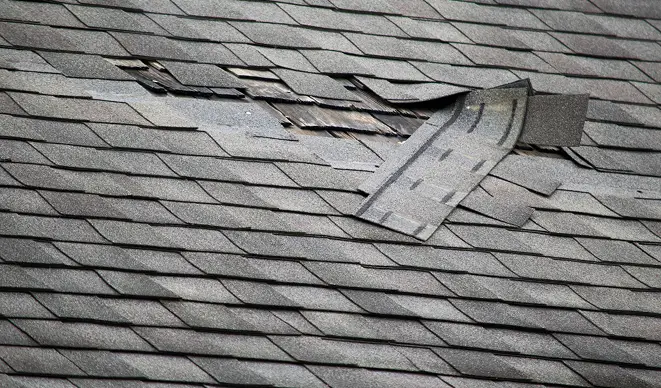
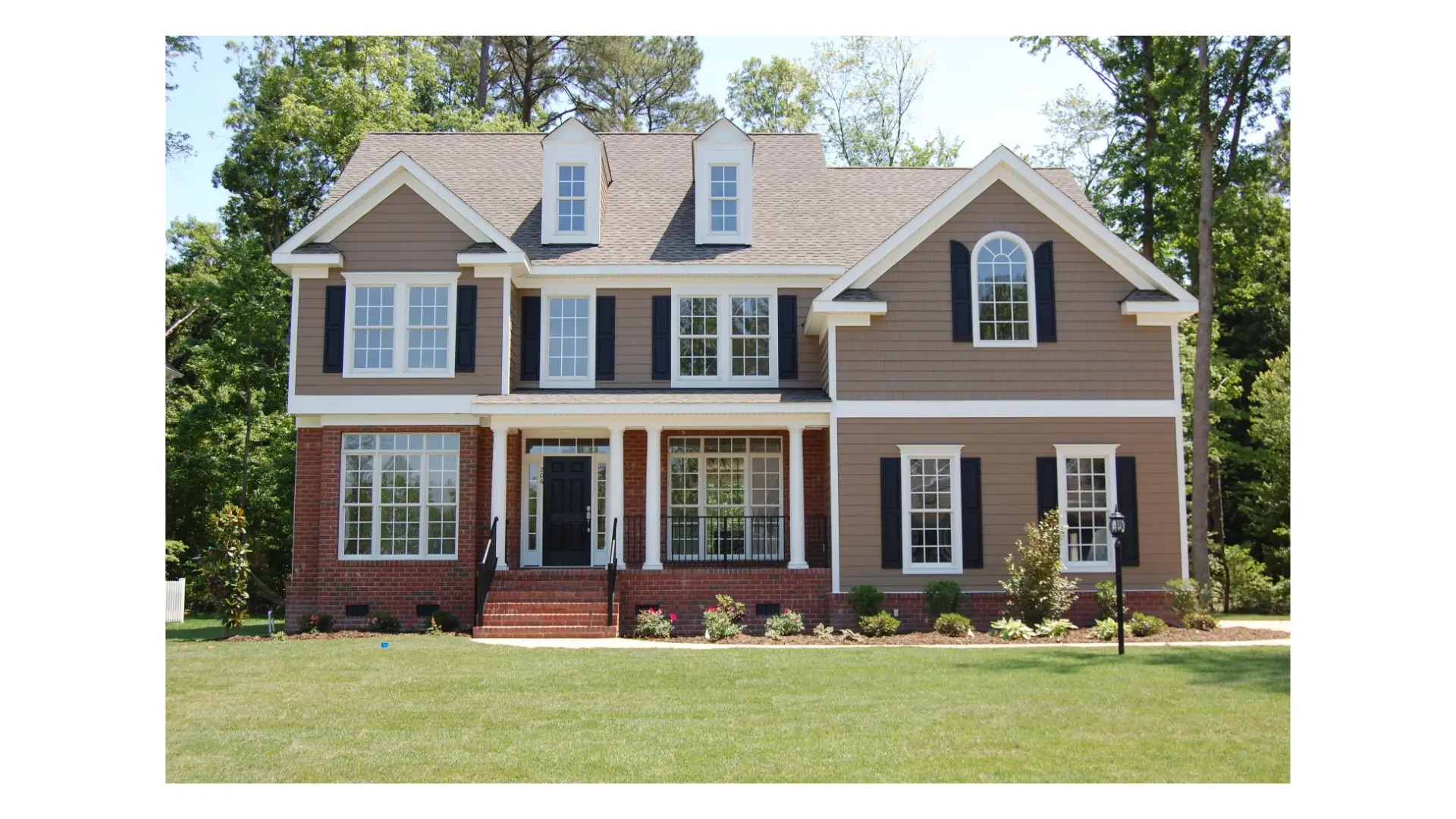
    Most homeowners put off replacing their roof for as long as possible, often due to concerns about roof replacement cost. But what if delaying a new roof is actually costing you more in the long run? While it might seem like a good idea to stretch your current roof’s lifespan, waiting too long to replace your roof can lead to expensive repairs, decreased home value, and even safety risks.

    So, if you have been wondering how much it is to replace your roof and whether it’s really worth it, let’s break down the hidden costs of waiting too long.

    The Cost of Roof Repairs vs. Full Replacement

    Many homeowners assume that patching up a few problem areas is the more affordable route. And in some cases, that might be true if the issue is minor and caught early. However, ongoing repairs add up quickly. Here’s why:

    • Frequent Repairs: If you are calling a roofer every year (or more), those costs can exceed the price of a full roof replacement over time.
    • Hidden Structural Damage: Water leaks don’t just damage your roof—they impact insulation, ceilings, walls, and even your home’s foundation. The longer you wait, the more extensive (and expensive) the damage becomes.
    • Rising Costs of Materials and Labor: Roof replacement costs tend to increase over time. Waiting too long could mean paying significantly more down the line.

    Increased Energy Bills From Poor Insulation

    An aging roof is at a higher risk of leaks, not to mention it is also less energy efficient. Shingles lose their insulating properties, ventilation can become compromised, and heat or cool air escapes more easily. As a result:

    • Your HVAC system has to work harder to regulate indoor temperatures.
    • Energy bills increase, especially during extreme summer and winter months.
    • You lose out on the benefits of modern, energy-efficient roofing materials designed to reflect heat and improve insulation.

    Insurance May Not Cover Major Damage

    If your roof suffers storm damage and your insurance company determines that it was due to neglect or old age, they may not cover the repairs. Insurance providers expect homeowners to maintain their roofs, and failure to do so can leave you paying out of pocket for expensive fixes.

    By proactively replacing your roof before it becomes a liability, you increase your chances of insurance coverage for future storm-related damage.

    Home Value and Curb Appeal Decline

    Thinking about selling your home in the next few years? A worn-out roof is a red flag for potential buyers. Many will negotiate a lower price or request that you replace the roof before closing. A new roof, on the other hand:

    • Increases your home’s resale value.
    • Enhances curb appeal, making your home look well-maintained and modern.
    • Helps your home sell faster, as buyers won’t have to factor in the cost of immediate roof repairs.

    Health Hazards From Mold and Mildew

    A leaking roof not only causes damage to your home, it can also impact your family’s health. Moisture trapped in walls and ceilings creates the perfect breeding ground for mold and mildew. Exposure to mold can cause respiratory issues, allergies, and other health problems. The longer leaks persist, the harder (and more expensive) it is to eliminate mold growth.

    What Factors Determine How Much It will Cost to Replace Your Roof?

    If you are holding off on a new roof because of cost concerns, it helps to understand what factors influence pricing. Roof replacement cost varies based on:

    • Roof Size: The larger your roof, the more materials and labor required.
    • Material Choice: Asphalt shingles are more affordable, while metal, tile, or slate roofing comes with a higher price tag.
    • Roof Complexity: Steeper or multi-level roofs take more time and effort to replace, increasing labor costs.
    • Removal of Old Roof: If multiple layers of old roofing materials need to be removed, this adds to the overall expense.
    • Location: Prices vary based on regional labor rates and material availability.

    While it’s hard to pinpoint an exact number without an inspection, national averages show that investing in a roof replacement often costs less over time than continuously patching up an aging roof.

    The Bottom Line: Don’t Wait Until It’s Too Late

    Delaying a necessary roof replacement might feel like you are saving money, but in reality, it often leads to higher costs down the road. Between rising energy bills, expensive repairs, insurance risks, and declining home value, waiting too long can be a costly mistake.

    If you are unsure about the condition of your roof, the best thing you can do is schedule an inspection with our professionals at Attyx who can provide an honest assessment. Don’t wait until damage becomes severe—reach out today to discuss your options and get an estimate tailored to your home’s needs.

    Your roof is your home’s first line of defense—make sure it’s up to the job with our help. 

  • A Good Time To Upgrade Your Home: When You Should, Why You Should, How Attyx Helps

    A Good Time To Upgrade Your Home: When You Should, Why You Should, How Attyx Helps


    Your home is one of your most valuable investments, and keeping it in top shape means knowing when to upgrade critical systems like your HVAC, roofing, and solar energy setup. But when is the right time to make these improvements? And better yet, why should you bundle these upgrades together?

    If you are thinking about making home improvements, Attyx has the solutions to make the process easy, efficient, and cost-effective. Let’s explore when you should consider upgrading, why it’s important, and how Attyx solar, Attyx HVAC, and Attyx roofing can help you maximize your home’s performance.

    When Should You Upgrade Your Home’s HVAC, Roof, or Solar?

    1. Your Energy Bills Are Climbing

    If you have noticed a steady increase in your energy bills, your HVAC system or roofing may not be as efficient as it once was. Older systems and poor insulation force your HVAC unit to work harder, driving up costs. Upgrading to a high-efficiency HVAC system, investing in Attyx roofing, or switching to Attyx solar can significantly cut your monthly energy expenses.

    1. Your Roof Is Over 15-20 Years Old

    Roofs don’t last forever. If yours is nearing the 15-to-20-year mark, it’s time to have it inspected for signs of wear and tear. Missing shingles, leaks, or damage from storms are all indicators that your roof may need a replacement. Addressing these issues early with Attyx roofing prevents costly damage to your home’s structure and insulation.

    1. Your HVAC System Is No Longer Keeping Up

    An outdated HVAC system struggles to maintain a comfortable indoor temperature. If your system is constantly running, making odd noises, or failing to heat and cool your home efficiently, it’s time for an upgrade. Modern Attyx HVAC systems are designed for maximum comfort and energy savings.

    1. You Are Interested in Renewable Energy

    If you are ready to reduce your reliance on traditional power sources and lower your electricity bills, Attyx solar is a smart investment. With the latest advancements in solar technology, you can generate clean energy and store it for later use, making your home more energy-independent.

    1. You Are Planning to Sell Your Home

    Upgrading your HVAC, roofing, or solar system before selling can significantly boost your home’s value. Buyers love energy-efficient homes with modern upgrades, and investing in these systems can help you sell faster and for a higher price.

    Why Should You Bundle These Upgrades Together?

    While upgrading any one of these systems will benefit your home, bundling Attyx roofing, Attyx HVAC, and Attyx solar together provides even greater advantages:

    1. Increased Energy Efficiency

    Your roof, HVAC, and solar system work together to keep your home comfortable and energy-efficient. A well-insulated roof reduces strain on your HVAC system, while solar panels further reduce reliance on the grid. Upgrading all three ensures your home operates at peak efficiency.

    1. Long-Term Cost Savings

    Bundling upgrades allows you to save money on labor and installation costs. Instead of scheduling multiple projects with different contractors, Attyx handles everything, streamlining the process and reducing overall expenses.

    1. Maximized Home Value

    A home with a new, energy-efficient HVAC system, durable roofing, and solar energy is more attractive to buyers and appraisers. These upgrades increase your home’s marketability and overall resale value.

    1. Simplified Financing and Incentives

    Upgrading multiple systems at once makes it easier to qualify for financing and rebates. Many state and federal programs offer incentives for energy-efficient home improvements, and bundling these projects allows you to take full advantage of available savings.

    1. One Contractor, One Trusted Source

    Coordinating multiple home improvement projects can be a headache—unless you work with a single, trusted provider. Attyx specializes in roofing, HVAC, and solar, ensuring seamless installation and superior service for all your home upgrades.

    How Attyx Helps You Upgrade with Confidence

    At Attyx, on top of installing roofing, HVAC, and solar systems, we also provide complete home energy solutions tailored to your needs. Here’s why homeowners trust us:

    • Expert Installations – Our certified professionals ensure every project is completed with precision and high-quality materials.
    • Energy-Saving Solutions – We design systems that work together to reduce energy costs and increase efficiency.
    • Flexible Financing Options – We help homeowners access financing, rebates, and incentives to make upgrades affordable.
    • Comprehensive Warranties – Our products and services come with industry-leading warranties for peace of mind.
    • Local, Reliable Service – As a trusted provider in the community, we stand by our work and are here when you need us.

    Ready to Upgrade? Right Now is a Good Time to Start!

    Now is the perfect time to make home improvements that increase comfort, efficiency, and long-term savings. Whether you need a new Attyx HVAC system, a durable Attyx roofing solution, or want to harness the power of Attyx solar, we’ve got you covered.

    Better yet—bundle these upgrades together and maximize your home’s potential!

    Contact us today for a free consultation and take the first step toward a smarter, more efficient home.

  • Cutting Your Energy Costs with Solar

    Cutting Your Energy Costs with Solar


    Rising electricity bills are a growing concern for homeowners. With energy costs fluctuating and environmental awareness increasing, more people are turning to solar power as a reliable and cost-effective solution. At Attyx, we specialize in helping homeowners cut their energy expenses while making a smart, sustainable investment. Here’s how going solar with Attyx can put money back in your pocket.

    Slash Your Monthly Energy Bills

    One of the most immediate and noticeable benefits of switching to solar is the reduction in your monthly utility costs. Instead of paying for electricity from the grid, your home generates its own power, significantly lowering or even eliminating your electric bill. With Attyx, we ensure your solar system is optimized to meet your energy needs, maximizing your savings.

    How Solar Saves You Money:

    • Energy independence – Generate your own electricity and reduce reliance on utility companies.
    • Net metering benefits – Excess energy can be sent back to the grid, potentially earning you credits on your bill.
    • Protection from rising rates – Avoid unpredictable energy price hikes and lock in long-term savings.

    Take Advantage of Tax Credits and Incentives

    Going solar isn’t just about reducing your energy costs- it’s also an investment that comes with financial perks. The federal solar tax credit allows homeowners to deduct a percentage of their solar installation costs from their taxes. Additionally, many states and utility companies offer rebates, making solar even more affordable.

    Potential Savings Include:

    • Federal Investment Tax Credit (ITC) – Claim a significant percentage of your system’s cost on your taxes.
    • State and local incentives – Many areas offer additional rebates and tax credits.
    • Utility company rebates – Some providers offer cash incentives for installing solar panels.

    Attyx stays up to date on all available incentives to help you maximize your savings and make the switch to solar as cost-effective as possible.

    Increase Your Home’s Value

    Homes equipped with solar panels are more attractive to buyers and often sell at higher prices. Potential homeowners recognize the long-term savings and sustainability benefits, making solar a valuable upgrade for your property. With an Attyx-installed system, you’re not just cutting energy costs- you’re increasing your home’s resale value.

    Long-Term Investment with a Quick Payback Period

    Solar panels are designed to last 25+ years, offering a return on investment that continues long after the system has paid for itself. Many homeowners see a payback period within 5 to 8 years, after which their energy savings turn into pure financial gain.

    Why Attyx Solar is a Smart Investment:

    • Durable and efficient solar panels – Built to withstand weather and time.
    • Low maintenance costs – Minimal upkeep required to keep your system running efficiently.
    • Guaranteed savings – Reduce or eliminate your reliance on expensive utility bills.

    Energy Independence and Environmental Benefits

    Beyond financial savings, switching to solar with Attyx helps reduce your carbon footprint and dependence on fossil fuels. By producing clean energy, you contribute to a more sustainable future while enjoying lower energy costs.

    Environmental Advantages of Solar:

    • Reduces greenhouse gas emissions – Helps combat climate change.
    • Decreases reliance on non-renewable energy sources – Supports a cleaner planet.
    • Lowers overall energy demand – Reduces strain on the electrical grid.

    Why Choose Attyx for Your Solar Installation?

    At Attyx, we are committed to making solar energy accessible, affordable, and efficient for homeowners. Our expert team customizes each installation to maximize energy savings and provide long-term benefits.

    What Sets Attyx Apart?

    • Expert consultation and design tailored to your home’s energy needs
    • High-quality solar panels with industry-leading warranties
    • Professional installation and ongoing support

    Cutting your energy costs with solar has never been easier. Take control of your electricity expenses and invest in a sustainable future with Attyx. Contact us today to get started on your solar journey!

  • Solar Energy Savings vs. Energy Costs Over 20 Years: The Smart Long-Term Investment

    Solar Energy Savings vs. Energy Costs Over 20 Years: The Smart Long-Term Investment

    With rising electricity costs and growing environmental concerns, many homeowners are looking for a more sustainable and cost-effective energy solution. Investing in solar energy with Attyx is one of the best ways to lock in long-term savings while reducing dependence on traditional power sources. But how much can you really save with solar over 20 years? Let’s break it down and explore why solar installation is a smart financial move.

    The Rising Cost of Traditional Energy

    Over the past few decades, energy costs have steadily increased. Factors like fuel shortages, inflation, and increased demand contribute to unpredictable utility rate hikes. On average, electricity prices rise by about 2-3% annually. Over 20 years, this adds up to thousands of dollars in extra expenses.

    Projected Energy Costs Over 20 Years:

    • If your average monthly bill is $150 today, a 3% annual increase means you could be paying around $270 per month in 20 years.
    • Over two decades, this could total $40,000 to $50,000 in energy expenses.

    The Long-Term Savings of Solar Energy

    When you invest in a solar installation, you protect yourself from rising energy costs. Instead of paying increasing utility bills, you generate your own electricity and significantly reduce or even eliminate your monthly expenses.

    How Solar Saves You Money Over Time:

    • Lower Monthly Bills – Many homeowners see up to a 90% reduction in their energy costs.
    • Payback Period – Most solar systems pay for themselves in 5-8 years, leaving 12+ years of pure savings.
    • Return on Investment (ROI) – The average homeowner saves $20,000 to $60,000 over 20 years.

    Tax Credits and Incentives

    To make solar even more affordable, federal, state, and local incentives help offset installation costs. The Federal Investment Tax Credit (ITC) currently allows homeowners to deduct a percentage of their solar installation costs, maximizing savings.

    Additional Incentives:

    • State and local tax rebates
    • Utility company solar incentives
    • Net metering programs (earn credits for excess energy sent back to the grid)

    Increased Home Value

    Solar installation doesn’t just save you money- it increases your home’s value. Studies show that homes with solar panels sell for up to 4% more than those without. Buyers recognize the long-term savings of solar energy, making your home more attractive on the market.

    Energy Independence and Environmental Benefits

    Beyond financial benefits, solar energy offers sustainability advantages:

    • Reduces reliance on fossil fuels
    • Lowers carbon footprint
    • Supports a cleaner, renewable energy future

    By switching to solar with Attyx, you not only save money but also contribute to a more sustainable planet.

    Why Choose Attyx for Your Solar Installation?

    Attyx specializes in high-quality solar solutions that maximize energy savings and efficiency. Our team provides expert guidance, professional installation, and ongoing support to ensure you get the most out of your solar investment.

    With Attyx, you get:

    • Customized solar solutions tailored to your home’s energy needs.
    • Top-tier solar panels and technology for optimal efficiency.
    • Seamless installation handled by experienced professionals.
    • Exceptional customer service to guide you every step of the way.

    Final Thoughts: Is Solar Worth It?

    Absolutely. With substantial long-term savings, increased home value, and environmental benefits, solar installation is one of the best investments homeowners can make. Lock in lower energy costs, gain energy independence, and enjoy decades of savings with solar.

    Ready to start saving with solar? Contact Attyx today to explore your options and maximize your energy savings!

  • The Benefits of Bundling Solar + a New HVAC System

    The Benefits of Bundling Solar + a New HVAC System


    Switching to solar energy and upgrading your HVAC system at the same time is one of the smartest home investments you can make. This bundle not only boosts your home’s energy efficiency but also helps you save on utility costs while increasing indoor comfort. Let’s dive into the benefits of pairing solar panels with a new HVAC system and why this upgrade makes sense for homeowners.

    Lower Energy Bills Year-Round

    Heating and cooling make up a significant portion of a home’s energy consumption. By installing a new, energy-efficient HVAC system alongside solar panels with Attyx, you can dramatically cut electricity costs. Here’s why this bundle is effective:

    • Solar panels offset electricity costs – Instead of relying on expensive grid power, your home generates its own electricity.
    • New HVAC systems use less energy – Modern HVAC units operate more efficiently, requiring less power to heat and cool your home.
    • Better energy management – A high-efficiency HVAC system combined with solar helps balance energy use, reducing peak-hour electricity demand.

    Maximize Incentives and Rebates

    Bundling solar installation with an HVAC upgrade makes financial sense, especially when you take advantage of available incentives:

    • Federal Solar Tax Credit – Homeowners can claim a percentage of their solar system cost as a tax credit.
    • HVAC Rebates – Many utility companies and manufacturers offer rebates for energy-efficient HVAC upgrades.
    • State and Local Incentives – Depending on your location, you may qualify for additional savings.

    By combining both upgrades at once, you can maximize these financial incentives and reduce upfront costs.

    Improved Home Comfort and Air Quality

    An older HVAC system may struggle to maintain comfortable indoor temperatures. New systems offer improved airflow, better humidity control, and enhanced filtration, all of which contribute to a healthier home environment. Plus, solar power ensures your HVAC runs efficiently without causing energy spikes or high utility bills.

    Long-Term Investment That Pays Off

    Both solar panels and modern HVAC systems are long-term investments that offer financial benefits for years to come. Here’s how:

    • Solar panels last 25+ years – Most systems come with long warranties and continue to generate free electricity for decades.
    • New HVAC systems reduce maintenance costs – An upgraded unit requires fewer repairs and operates more efficiently.
    • Increased home value – Energy-efficient homes are more attractive to buyers, making this bundle a smart resale investment.

    Reduce Your Carbon Footprint

    Switching to solar energy and installing an energy-efficient HVAC system significantly lowers your home’s environmental impact. Solar power reduces reliance on fossil fuels, while modern HVAC systems use eco-friendly refrigerants and consume less energy. Together, they help create a greener, more sustainable home.

    Why Now Is the Perfect Time to Upgrade

    With rising energy costs and increasing climate concerns, there’s no better time to make the switch. Whether you want to lower utility bills, improve home comfort, or increase property value, bundling solar with a new HVAC system is a smart move.

    Take the Next Step with Attyx

    If you’re considering solar and HVAC upgrades, now is the time to act. Attyx offers professional assessments to determine the best system for your home and maximize your savings through available incentives. Investing in both at once ensures you get the most out of your energy efficiency upgrades, setting you up for long-term comfort and financial benefits.

    By bundling solar with a new HVAC system through Attyx, you’re making a decision that benefits your wallet, your home, and the environment. Reach out to Attyx today to explore your options and start saving!

  • Everything You Need to Know About Solar Inverters

    Everything You Need to Know About Solar Inverters


    When considering a solar energy system for your home, most people focus on the panels themselves. However, the solar inverter is just as crucial- it’s the component that converts the direct current (DC) electricity generated by solar panels into the alternating current (AC) electricity used in your home. Without a high-quality inverter, your solar system won’t function efficiently.

    How Solar Inverters Work

    Solar panels absorb sunlight and convert it into DC electricity. However, household appliances and the electrical grid use AC power. That’s where the inverter comes in- it transforms DC power into AC, making it usable for your home’s needs. Inverters also help optimize energy production, monitor system performance, and provide safety functions.

    Types of Solar Inverters

    String Inverters

    • Most common type: Used in residential solar installations.
    • How they work: Connects a series of solar panels to a single inverter.
    • Best for: Homes with minimal shading and a simple roof layout.
    • Pros: Cost-effective and easy to maintain.
    • Cons: If one panel underperforms (due to shade or debris), the entire string’s efficiency drops.

    Microinverters

    • How they work: Installed on each individual panel, converting DC to AC right at the source.
    • Best for: Roofs with shading issues or complex layouts.
    • Pros: Maximizes energy production for each panel, improves monitoring, and increases system resilience.
    • Cons: Higher upfront cost than string inverters.

    Power Optimizers (Hybrid Approach)

    • How they work: Like microinverters, they are attached to each panel but still use a central inverter.
    • Best for: Those who want more efficiency than string inverters but at a lower cost than microinverters.
    • Pros: Improves panel performance without the high price of microinverters.
    • Cons: Slightly more expensive than traditional string inverter systems.

    Why Choosing the Right Solar Inverter Matters

    • Maximizes Energy Efficiency: The right inverter ensures you get the most energy out of your solar panels.
    • Improves System Longevity: A high-quality inverter can extend the lifespan of your solar power system.
    • Enhances Monitoring and Maintenance: Advanced inverters allow homeowners to track energy production and detect issues early.

    Bundling Solar Panels with a New Roof for Maximum Benefits

    If you’re planning to install solar panels, the best time to do so is when replacing your roof. Attyx specializes in bundling solar panel installations with new roofs, providing a streamlined and cost-effective solution.

    Why Bundling Solar with a New Roof Makes Sense

    • Save on Installation Costs: Combining both projects reduces labor and material costs.
    • Ensure a Perfect Fit: A new roof provides a stable foundation for your solar panels, maximizing their lifespan and efficiency.
    • Simplify the Process: Work with one trusted provider like Attyx, eliminating the need to coordinate between different contractors.
    • Increase Home Value: A durable new roof paired with solar panels can enhance your home’s resale value.
    • Better Warranty Protection: Many roofing and solar warranties work better together when installed as a package, ensuring long-term reliability.

    Attyx: Your Partner for Roofing and Solar

    When you choose Attyx, you’re working with experts in residential roofing and solar energy. Our team ensures your home gets the best energy-efficient solution while maintaining structural integrity and aesthetic appeal.

    Learn more about bundling solar panels with a new roof here.

    Ready to Upgrade Your Home with Solar?

    A solar energy system is only as good as its components, and choosing the right inverter is key to maximizing performance. Whether you need a string inverter, microinverters, or power optimizers, selecting the best option for your home will ensure long-term savings and efficiency. Plus, bundling your solar installation with a new roof through Attyx can make the entire process smoother and more cost-effective.

    Get in touch with Attyx today to explore your best options for solar and roofing solutions!

  • Will Solar Panels Work on an East-Facing Roof?

    Will Solar Panels Work on an East-Facing Roof?


    When it comes to installing solar panels, many homeowners assume that only south-facing roofs are worth considering. However, an east-facing roof can still be an excellent option, providing strong morning sunlight and significant energy savings, especially for households that use electricity earlier in the day. With the right setup, east-facing solar panels can be just as beneficial for energy efficiency and sustainability.

    Why East-Facing Solar Panels Work

    Solar panels generate electricity by capturing sunlight, and while south-facing panels receive the most sunlight throughout the day, east-facing panels have their own advantages, including:

    • Strong Morning Sunlight: If your home sees higher energy usage in the morning—such as running kitchen appliances, heating water, or powering home offices—east-facing panels align well with your needs.
    • Consistent Energy Production: While they may generate slightly less energy than south-facing panels over the course of the day, they still provide reliable and cost-effective power that contributes to long-term savings.
    • Lower Energy Bills: Even with an east-facing orientation, you can reduce your reliance on the grid, lowering monthly energy costs.
    • Better for Cooler Climates: In regions where afternoons get too hot, solar panels can sometimes overheat and lose efficiency. East-facing panels, which receive sunlight in the cooler morning hours, may maintain higher efficiency levels in such cases.

    Benefits of an East-Facing Solar Panel System

    • Early Power Generation: Ideal for homes where energy demand peaks in the morning, such as families with early risers or work-from-home professionals who need power at the start of the day.
    • Good ROI with Incentives: Many federal and state incentives make solar energy a worthwhile investment, regardless of roof orientation, making east-facing solar panels an affordable, eco-friendly choice.
    • Long-Term Savings: Even if they produce slightly less than south-facing systems, east-facing solar panels still deliver significant energy cost reductions over time.
    • Grid Independence: Homeowners looking to reduce their reliance on the electrical grid can still benefit greatly from an east-facing system, especially when combined with battery storage to extend energy use into the evening.

    Considerations for Maximum Efficiency

    • Angle and Pitch Matter: The slope of your roof affects how much sunlight your panels absorb. A well-angled east-facing roof can still generate substantial energy.
    • Shading Should Be Minimal: Trees or nearby structures blocking the morning sun can reduce efficiency, so it’s essential to assess shading before installation.
    • More Panels May Be Needed: Depending on your energy needs, adding extra panels can offset any minor efficiency loss, ensuring you still meet your household’s power demands.
    • Pairing with a Battery System: Since east-facing panels generate most of their power in the morning, pairing them with a solar battery allows homeowners to store excess energy for use in the afternoon and evening.

    Bundling Solar Panels with a New Roof for the Best Results

    If you’re considering solar panels, the best time to install them is when replacing your roof. Attyx specializes in bundling solar panel installations with new roofs, ensuring a seamless and cost-effective upgrade. This approach not only improves energy efficiency but also extends the lifespan of your entire roofing system.

    Why Bundling Solar with a New Roof Makes Sense

    By bundling your solar panel installation with a new roof, you can:

    • Save on Installation Costs: Combining both projects reduces labor and material expenses, making solar more affordable.
    • Ensure a Perfect Fit: A new roof provides the ideal foundation for solar panels, maximizing efficiency and durability while preventing issues with aging shingles or leaks.
    • Streamline the Process: Work with a single provider like Attyx for a hassle-free experience, reducing coordination between contractors and ensuring a smooth installation.
    • Improve Home Value: A high-quality, energy-efficient roof paired with solar panels can significantly boost your home’s resale value, making it more attractive to future buyers.
    • Enhance Warranty Protection: Many roofing and solar warranties work better when both systems are installed together, ensuring long-term coverage and reliability.

    Attyx: Your Partner for Roofing and Solar

    When you choose Attyx, you’re working with a company that understands the importance of a well-integrated solar and roofing system. With expertise in residential roofing and solar panel installation, Attyx ensures your home gets the best possible energy solutions without compromising on quality or aesthetics.

    Learn more about bundling solar panels with a new roof here.

    Should You Install Solar Panels on an East-Facing Roof?

    Absolutely! While south-facing roofs are the most efficient, an east-facing roof can still be highly effective, especially for homeowners who use more energy in the morning or want to take advantage of cooler morning temperatures. By optimizing your system and considering bundling options, you can maximize your solar investment and enjoy long-term savings.

    Get Started with Attyx Today

    If you’re ready to harness the power of solar energy while upgrading your roof, Attyx is here to help. Whether your roof faces east, west, or south, our team can design a solar system tailored to your energy needs.

    Contact Attyx today to explore the best solar and roofing solutions for your home!

  • Is Solar Worth It in New York?

    Is Solar Worth It in New York?

    With rising electricity costs, increasing energy demand, and strong state incentives, more homeowners in New York are considering solar power. But is solar really worth it in New York? The answer is yes. Thanks to state and federal tax credits, net metering policies, and one of the most ambitious renewable energy goals in the country, solar energy has become an excellent investment for homeowners looking to reduce their utility bills and increase home value.

    Understanding how solar works in New York—including available incentives, energy savings, and long-term benefits—can help homeowners make an informed decision about transitioning to renewable energy.

    New York’s Solar Potential

    While New York isn’t as sunny as some southern states, it still receives an average of 200+ sunny days per year, providing ample opportunity for solar panels to generate power. In addition, the state’s high electricity costs and strong financial incentives make solar a financially smart choice, even with seasonal variations in sunlight.

    New York also has an aggressive renewable energy initiative, aiming to generate 70% of its electricity from renewable sources by 2030. This commitment has resulted in policies that make solar more affordable and accessible for homeowners.

    Benefits of Installing Solar Panels in New York

    1. Significant Energy Savings

    One of the biggest reasons homeowners switch to solar is to reduce their monthly electricity bills. New York has some of the highest electricity rates in the country, meaning every kilowatt-hour of solar energy produced leads to substantial savings. By generating your own electricity, you can lower or even eliminate your monthly utility costs, protecting yourself from future rate increases.

    2. Access to Financial Incentives

    New York offers some of the best solar incentives in the U.S., making installation more affordable. Homeowners can take advantage of:

    • Federal Solar Tax Credit – Homeowners can claim 30% of their solar installation costs as a tax credit, significantly reducing the upfront investment.
    • NY State Solar Tax Credit – Provides an additional 25% state tax credit (up to $5,000), further lowering costs.
    • Net Metering – Allows homeowners to sell excess energy back to the grid, earning bill credits that reduce electricity costs.
    • NY-Sun Incentive Program – A state-run program that provides upfront cost reductions for solar installations, making it more affordable.
    • Property Tax Exemption – Solar installations increase home value without increasing property taxes, offering additional financial benefits.

    These incentives, combined with the long-term energy savings, make solar one of the most cost-effective home improvements available in New York.

    3. Increased Home Value

    Homes with solar panels are more attractive to buyers because they offer lower utility costs and energy efficiency. Studies show that homes with solar sell faster and at higher prices compared to homes without solar. New York’s property tax exemption for solar installations ensures that increased home value doesn’t lead to higher property taxes, making it an even better investment.

    4. Energy Independence and Sustainability

    Installing solar panels reduces reliance on utility companies and fossil fuels, providing homeowners with greater control over their energy usage. Solar energy is a clean, renewable source of power, helping reduce carbon emissions and contributing to a more sustainable future.

    New York’s ambitious renewable energy targets mean that solar adoption will continue to grow, helping residents take advantage of the state’s push for cleaner, greener energy.

    5. Protection Against Power Outages

    New York experiences severe weather, winter storms, and power grid stress, leading to occasional blackouts. Adding solar battery storage allows homeowners to store excess energy and keep their homes powered during outages. This is particularly beneficial for homeowners in areas prone to extreme weather events.

    Bundle Solar With Roofing or HVAC and Save

    If you’re considering solar, bundling it with a new roof or HVAC system can maximize your savings and ensure long-term efficiency. Instead of paying for separate installations, homeowners can take advantage of combined financing options, lower energy costs, and additional tax incentives.

    Benefits of Bundling Solar With Roofing or HVAC

    • $0 out-of-pocket financing options – No upfront costs, with predictable monthly payments
    • Lower total project costs – Bundling reduces labor and installation expenses
    • Maximized tax incentives – Federal and state tax credits apply to both solar and energy-efficient home improvements
    • Fixed, inflation-free energy costs – Lock in predictable monthly rates, avoiding rising electricity bills
    • Improved home value – A new roof or HVAC system alongside solar makes your home even more energy-efficient and attractive to buyers

    Upgrading your roof or HVAC system before installing solar ensures everything is built to last, preventing costly removals or inefficiencies down the road.

    When to Consider Solar With a New Roof

    If your roof is more than 15-20 years old, it’s worth considering a roof replacement before installing solar panels. Installing solar on a structurally sound roof ensures that you won’t need to remove and reinstall panels in the near future, saving time and money.

    Attyx specializes in high-quality roofing solutions designed to support solar installations. With expert roof assessments, durable materials, and seamless coordination with solar providers, Attyx helps homeowners prepare their homes for long-term solar success.

    How Attyx Can Help

    As a trusted home improvement provider, Attyx ensures a smooth transition to solar by offering expert roofing and HVAC services along with seamless integration with top solar installers.

    Expert Roof Inspections

    Before installing solar panels, Attyx assesses your roof’s condition to determine if it’s ready for solar or if repairs or replacements are needed.

    High-Quality Roofing and HVAC Materials

    Attyx uses durable roofing materials that provide the ideal foundation for solar panel installations, ensuring longevity and efficiency. Additionally, upgrading your HVAC system to an energy-efficient model can further reduce electricity costs, making your solar investment even more valuable.

    Seamless Coordination with Solar Providers

    Attyx works with trusted solar installation companies to streamline the process, reducing installation time and ensuring optimal system performance.

    Flexible Financing Options

    Financing solar, roofing, and HVAC upgrades is easier with $0 down payment plans and flexible financing solutions, allowing homeowners to start saving on energy costs immediately.

    Is Solar Right for You? Contact Attyx Today

    With New York’s high electricity rates, strong solar incentives, and ambitious renewable energy goals, solar power is a smart financial and environmental investment.

    If you’re considering solar energy, Attyx can help ensure your roof or HVAC system is ready for the transition. Contact us today for a consultation and take the first step toward lower energy costs and a more energy-efficient home.

  • Ways to Improve Solar Panel Efficiency and Output

    Ways to Improve Solar Panel Efficiency and Output

    Solar panels are a long-term investment in energy efficiency, but their performance depends on several factors. Dust buildup, improper placement, outdated components, and poor system maintenance can all reduce energy output. Many homeowners and businesses assume that once panels are installed, they will continue to function optimally without intervention. In reality, regular maintenance, monitoring, and professional assessments are essential to ensuring maximum efficiency.

    Several strategies can help improve solar panel performance, but the most effective solutions involve expert care and system upgrades. Knowing when to schedule professional service, invest in newer technology, or adjust energy usage can make a significant difference in overall output.

    Regular Cleaning and Maintenance

    Dirt, dust, and debris can block sunlight and reduce solar panel efficiency. While rain helps rinse off some buildup, it is not always sufficient, especially in areas with heavy pollution, pollen, or bird activity.

    Routine professional cleaning prevents:

    • Sunlight obstruction from dirt and grime, which can lower output by up to 25%.
    • Damage from improper cleaning, as using abrasive materials or high-pressure water can harm the panel surface.
    • Missed maintenance issues, since an inspection during cleaning can catch early signs of wear, corrosion, or loose wiring.

    For most systems, cleaning twice a year is recommended. However, locations with more dust or tree coverage may require more frequent service. A professional cleaning team ensures the job is done safely and effectively without risking damage to the panels or personal injury.

    Optimal Panel Placement and Adjustments

    The position and angle of solar panels determine how much sunlight they receive throughout the day. If panels are not properly aligned, energy production may be lower than expected.

    Key placement considerations:

    • Orientation: In the Northern Hemisphere, south-facing panels typically receive the most sunlight.
    • Tilt Angle: The best tilt depends on geographic location and seasonal variations. Some systems benefit from seasonal adjustments.
    • Shading: Trees, buildings, and other obstructions can significantly impact efficiency, especially as surrounding landscapes change over time.

    For those experiencing lower-than-expected energy output, a professional assessment can determine whether repositioning or angle adjustments would improve performance. In some cases, installing solar tracking systems can increase efficiency by allowing panels to follow the sun’s movement throughout the day.

    Upgrading to High-Efficiency Solar Panels and Inverters

    Solar technology has improved significantly over the past decade. Older panels may not be as efficient as newer models, and outdated inverters can waste valuable energy during the conversion process.

    Signs that an upgrade may be beneficial:

    • A system over 10–15 years old that no longer meets energy needs.
    • Frequent inverter malfunctions or energy losses.
    • Increased household or business energy consumption that requires greater output.

    High-efficiency monocrystalline panels offer better performance than older polycrystalline models. Similarly, upgrading from a basic string inverter to microinverters or power optimizers can significantly improve system efficiency, especially in partially shaded areas.

    Solar Battery Storage for Maximum Efficiency

    Without a battery storage system, excess energy produced during the day is sent back to the grid, often at a lower buyback rate than the cost of purchasing electricity. Adding a solar battery allows homeowners and businesses to store surplus energy for later use, increasing self-sufficiency and reducing reliance on the grid.

    Benefits of solar battery storage include:

    • Increased energy independence, reducing electricity costs.
    • Backup power during outages or low-sunlight periods.
    • Maximized solar efficiency, ensuring that all generated energy is used effectively.

    Battery storage is particularly valuable for those in areas with high electricity rates, frequent power outages, or low net metering compensation. A professional assessment can determine the best storage solution based on energy usage and system capacity.

    System Monitoring and Professional Maintenance

    Many solar systems include monitoring tools that track energy production. However, regular professional maintenance is essential for identifying and resolving potential issues before they impact efficiency.

    A professional solar inspection typically includes:

    • Checking for loose or corroded wiring that could cause energy losses.
    • Inspecting panels for cracks, wear, or weather-related damage.
    • Testing the inverter and battery performance to ensure proper conversion and storage.
    • Analyzing system efficiency to detect underperforming panels.

    Even if a system appears to be working, a gradual decline in performance can go unnoticed without monitoring. Scheduling routine maintenance helps prevent costly repairs and ensures panels continue operating at full capacity.

    Preventing Overheating and Improving Ventilation

    Solar panels are designed to absorb sunlight, but excessive heat can actually reduce efficiency. High temperatures can cause a performance drop of 0.5% per degree Celsius above 25°C (77°F).

    Ways to prevent overheating include:

    • Installing proper ventilation beneath panels to allow air circulation.
    • Using light-colored mounting materials to reduce heat absorption.
    • Incorporating solar cooling technology to manage panel temperature.

    In many cases, working with an HVAC professional can help integrate solar and climate control solutions for optimal home or business energy efficiency.

    Maximizing Energy Efficiency with an Expert Audit

    Improving solar panel efficiency is only part of the equation. The way energy is consumed inside a home or business also plays a role in overall performance. An energy efficiency audit can identify areas where energy is being wasted, allowing for adjustments that reduce overall consumption.

    Common findings in an energy audit include:

    • HVAC inefficiencies, as heating and cooling account for nearly 50% of household energy use.
    • Poor insulation or air leaks, leading to wasted energy.
    • Inefficient appliances that consume more power than necessary.

    By optimizing how energy is used, solar power becomes even more effective, reducing reliance on the grid and lowering overall utility costs.

    Enhancing Solar Performance Through Professional Expertise

    Solar panel efficiency depends on cleaning, maintenance, proper installation, and smart energy use. While some basic steps can be taken to maintain performance, professional services ensure long-term reliability and maximum output.

    Key Takeaways:

    • Routine cleaning and inspections prevent energy loss and identify potential issues early.
    • Optimal panel placement and system upgrades can significantly improve efficiency.
    • Battery storage solutions help maximize the use of solar energy.
    • Proper ventilation and HVAC integration support long-term performance.
    • An energy audit can reveal additional ways to reduce consumption and enhance efficiency.

    For homeowners and businesses looking to optimize solar performance, professional assessments and maintenance services offer the most effective solutions. Attyx specializes in solar efficiency and HVAC services, providing expert guidance to ensure every energy system operates at its full potential.

    To schedule a consultation or learn more about maximizing solar efficiency, call our team at Attyx.